
How weather shapes Icelandic architecture
February 9, 2026 · Travel Tips
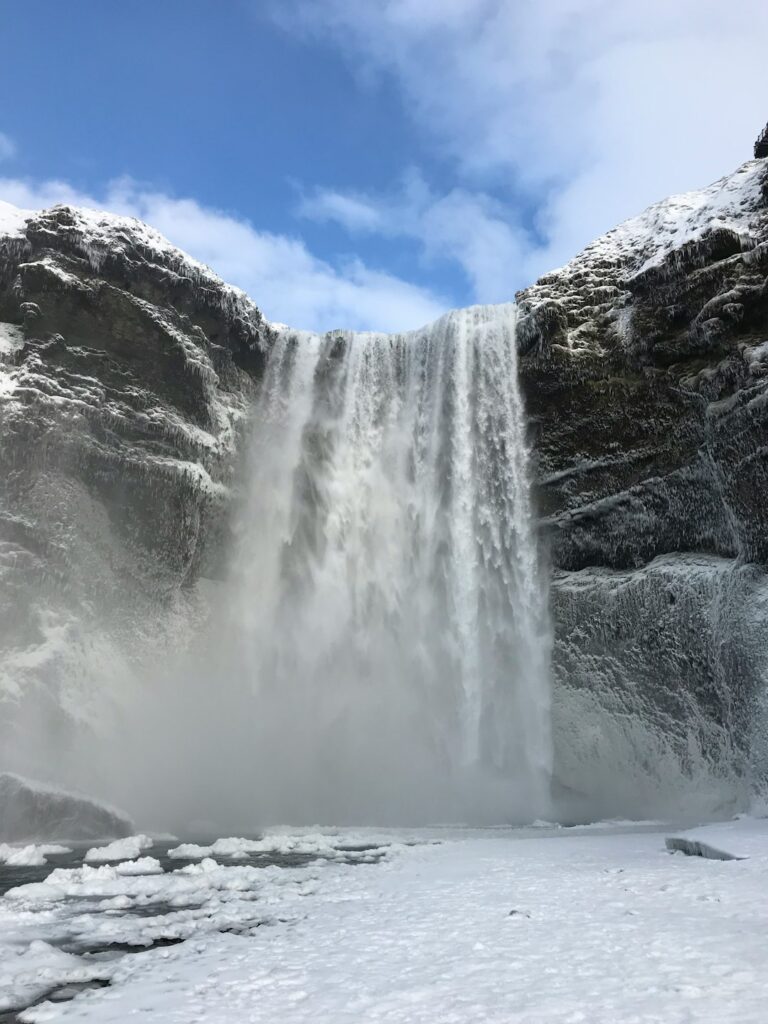
How Iceland’s Weather Shapes Its Unique Architecture
Iceland’s dramatic seasons and ever-changing skies don’t just create unforgettable landscapes—they’ve guided the island’s architecture for centuries. From turf-roofed farmhouses to sleek, storm-proof structures, every building tells a story of adaptation and resilience.
Turf Roofs and Thick Walls
Centuries ago, turf houses provided unbeatable insulation against icy winds and heavy snowfall. Thick earthen walls and grass-covered roofs kept families warm even when winter temperatures plummeted. You can still see these traditional homes preserved at museums around West Iceland.
Steep Pitched Roofs and Wind-Resistant Designs
Modern Icelandic homes often feature steep roofs and reinforced frames to shed rain, snow, and ice. Corrugated steel siding and elevated foundations protect against moisture, while large windows capture as much daylight as possible during short winter days.
Blending Tradition with Innovation
Today’s architects fuse old and new: turf walls combined with triple-glazed windows, geothermal heating vents hidden beneath sleek concrete floors, and durable wood accents that warm up a minimalist interior. This balance honors heritage while meeting modern comfort standards.
Stay Warm, Dry, and Inspired
Planning a trip to West Iceland? Ourhotels.is offers the perfect home base for discovering how weather and architecture intertwine. Rest easy at Hvítá Inn in Borgarfjörður—just minutes from Borgarnes—and wake up refreshed to explore historic buildings and natural wonders.
Practical Travel Tips
When to Go
- Summer (June–August): Midnight sun, lush valleys, accessible highland roads.
- Winter (November–March): Northern Lights, cozy turf houses, snow-covered peaks.
What to Pack
- Waterproof jacket and trousers
- Warm layers (fleece, wool socks, thermal underwear)
- Sturdy hiking boots
- Swimsuit for hot springs
- Daypack and reusable water bottle
How Long to Stay
- 3–5 days: Enough time to admire traditional architecture, hike nearby trails, and unwind in natural hot pools.
- 7+ days: Add day trips to the Westfjords, including Ísafjörður Inn for a seaside retreat and scenic drives.
What to Do Nearby
- Visit Borgarnes Heritage Museum to see turf house reconstructions.
- Hike up to Grábrók crater for panoramic views of lava fields and stone cottages.
- Relax in geothermal baths like Húsafell Canyon Baths.
- Explore charming villages—consider a night at The Stykkishólmur Inn on the Snæfellsnes Peninsula.
Embrace Iceland’s blend of nature and design. Book your stay at Hvítá Inn through Ourhotels.is and experience firsthand how weather shapes comfort and style. Your adventure awaits—reserve today!