
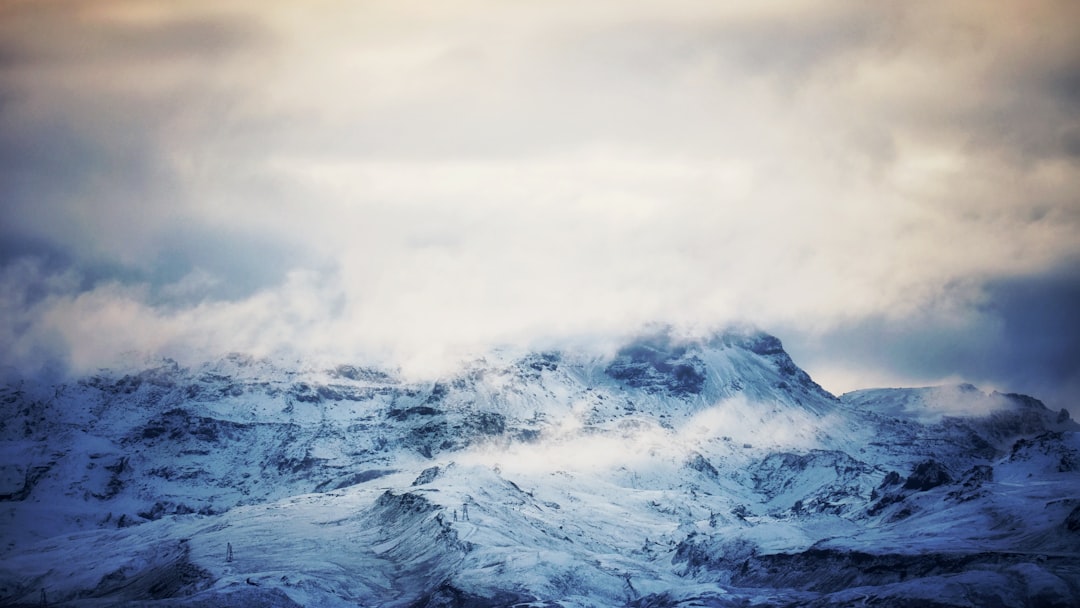
Visiting Iceland’s wild west is an unforgettable experience—towering mountains, black beaches, hot springs, and crisp, clean air. But that same fresh air can turn dangerously cold if you’re not prepared. Hypothermia is a real risk in Iceland, even in summer, and understanding how to prevent it will help you enjoy your trip safely and comfortably.
At Ourhotels.is, with locations like Hvítá Inn in Borgarfjörður, Stykkishólmur Inn on the Snæfellsnes Peninsula, and Ísafjörður Inn in the Westfjords, we welcome guests year-round who are eager to explore Iceland’s dramatic landscapes. Here’s how to stay warm, safe, and ready for adventure.
Iceland’s Weather: Why Hypothermia Is a Risk All Year
Iceland’s climate is unpredictable. You can experience sunshine, rain, wind, and even snow in a single day. Temperatures may not always look extreme on paper, but wind chill and moisture make a huge difference.
Key factors that increase hypothermia risk in Iceland:
– Strong winds that strip away body heat
– Wet conditions from rain, sea spray, or snow
– Rapid weather changes, especially in the mountains and along the coast
– Long days outdoors while hiking, whale watching, or exploring waterfalls
Even in summer, a wet, windy day at 5–10°C (41–50°F) can be more dangerous than a calm, dry winter day. That’s why proper clothing and planning are essential.
Dress for Iceland: Layering to Stay Warm and Dry
The most effective way to prevent hypothermia is to dress correctly. Think in layers:
1. Base layer (next to your skin)
– Use moisture-wicking materials like merino wool or technical synthetics.
– Avoid cotton—it holds moisture and makes you cold.
2. Mid layer (insulation)
– Fleece, wool sweaters, or light down jackets work well.
– This layer traps warm air close to your body.
3. Outer layer (protection)
– Waterproof and windproof jacket and pants are essential.
– Look for breathable materials so sweat can escape.
Don’t forget:
– Warm hat and gloves (bring a spare pair in case one gets wet)
– Wool or thermal socks (again, avoid cotton)
– Sturdy, waterproof hiking boots
– Scarf or buff to protect your neck and face from wind
When you stay at Hvítá Inn, Stykkishólmur Inn, or Ísafjörður Inn, our staff can help you check the day’s forecast and suggest what to wear for local conditions, whether you’re heading to a glacier, a waterfall, or a coastal hike.
Know the Early Signs of Hypothermia
Hypothermia happens when your body loses heat faster than it can produce it, and your core temperature drops. It doesn’t only happen in snowstorms—wet clothes and wind can trigger it even at relatively mild temperatures.
Early signs to watch for:
– Shivering that becomes intense or uncontrollable
– Cold, pale, or numb skin, especially on fingers, toes, nose, and ears
– Slurred speech or mumbling
– Clumsiness, stumbling, or difficulty using your hands
– Confusion, irritability, or unusual behavior
– Feeling very tired or “just wanting to lie down” outdoors
If you or someone in your group shows these signs, act immediately. Don’t wait for it to “pass.”
What to Do If Someone Is Getting Too Cold
If you suspect mild hypothermia:
– Get indoors or to shelter as soon as possible.
– Remove wet clothing and replace it with dry, warm layers.
– Wrap the person in blankets, sleeping bags, or extra jackets.
– Offer warm, sweet drinks (not alcohol) if they are fully conscious.
– Warm the body core first (chest, neck, head, and groin), not just hands and feet.
If symptoms are severe—such as confusion, very slow breathing, or loss of consciousness—call emergency services (112 in Iceland) immediately.
Guests at Ourhotels.is properties can always come back to a warm, comfortable room to recover from a cold, windy day. At Hvítá Inn, Stykkishólmur Inn, and Ísafjörður Inn, you’ll find cozy common areas and hot showers that make it easier to warm up safely after outdoor adventures.
Plan Ahead: Weather, Daylight, and Route Safety
Preventing hypothermia isn’t only about clothing; it’s also about smart planning.
Before you head out:
– Check the weather forecast at vedur.is (Icelandic Meteorological Office).
– Check road conditions at road.is, especially in winter.
– Tell someone where you’re going and when you expect to return.
– Avoid pushing on if the weather is worsening or visibility is poor.
In the west of Iceland, conditions can change quickly around Borgarfjörður, the Snæfellsnes Peninsula, and the Westfjords. Staying at Ourhotels.is locations gives you a safe base to plan from:
– Hvítá Inn in Borgarfjörður (near Borgarnes) is ideal for exploring waterfalls, hot springs, and lava fields in West Iceland. Staff can advise you on safe hiking times and local conditions.
– Stykkishólmur Inn is perfectly placed for exploring the Snæfellsnes Peninsula, where coastal winds can be strong and sudden showers are common.
– Ísafjörður Inn in the Westfjords is surrounded by steep mountains and fjords, where weather can shift rapidly—local knowledge is invaluable here.
Hydration, Food, and Rest: Your Hidden Warmth Allies
Your body needs energy and fluids to stay warm. Dehydration and exhaustion make you more vulnerable to hypothermia.
To stay safe:
– Drink water regularly, even if you don’t feel thirsty.
– Eat high-energy snacks (nuts, chocolate, dried fruit, energy bars) during hikes.
– Avoid excessive alcohol when you’re outdoors—it gives a false feeling of warmth while actually increasing heat loss.
– Get good sleep so your body can cope with cold and activity.
Ourhotels.is properties provide a comfortable place to rest and refuel between excursions. After a long day in the wind and cold, returning to Hvítá Inn, Stykkishólmur Inn, or Ísafjörður Inn means hot showers, warm beds, and the chance to recharge properly for the next day.
Hot Springs and Cold Air: Enjoying Safely
Iceland’s hot springs and geothermal pools are a highlight for many visitors, but stepping out of hot water into cold, windy air can be a shock to your system.
To enjoy hot springs safely:
– Dry off thoroughly and dress quickly in warm, dry layers after bathing.
– Protect your wet hair with a hat or hood in cold or windy conditions.
– Don’t stay in hot water so long that you feel lightheaded or exhausted.
From Hvítá Inn, you’re within reach of several geothermal areas in West Iceland. Our staff can help you choose safe, accessible hot springs and advise on how to enjoy them without getting chilled afterward.
Why a Warm, Reliable Base Matters
Exploring Iceland’s west—from Borgarfjörður’s rivers and valleys to the cliffs of Snæfellsnes and the remote fjords of the Westfjords—is far more enjoyable when you know you have a warm, reliable base to return to.
Ourhotels.is offers exactly that:
– Hvítá Inn in Borgarfjörður (near Borgarnes): A peaceful countryside base close to many natural attractions, ideal for day trips in West Iceland.
– Stykkishólmur Inn: A charming stay in one of Iceland’s most picturesque coastal towns, perfect for exploring the Snæfellsnes Peninsula.
– Ísafjörður Inn: A welcoming inn in the heart of the Westfjords, surrounded by dramatic mountains and deep fjords.
Each location provides comfortable rooms, heating, and friendly staff who understand local weather and conditions. They can help you plan safe routes, choose appropriate clothing, and know when it’s time to turn back and warm up.
Staying Safe While Experiencing the Real Iceland
Preventing hypothermia in Iceland comes down to preparation: dress in layers, stay dry, watch the weather, listen to your body, and know the early signs of getting too cold. With the right gear and a warm, welcoming place to stay, you can experience Iceland’s raw beauty without putting your health at risk.
By choosing Ourhotels.is—whether you stay at Hvítá Inn in Borgarfjörður, Stykkishólmur Inn, or Ísafjörður Inn—you give yourself a safe, comfortable base for your adventures in West Iceland. That way, you can focus on what you came for: dramatic landscapes, fresh air, and unforgettable memories, all while staying warm, healthy, and ready for whatever Iceland’s weather brings.
