Snæfellsnes Travel Tips

Snæfellsnes is often called “Iceland in Miniature” – and for good reason. On one compact peninsula you’ll find black sand beaches, dramatic cliffs, charming fishing villages, lava fields, waterfalls, glaciers and hot springs. If you’re planning a trip from Reykjavík towards West Iceland and Snæfellsnes, a bit of smart planning will help you see more, drive less, and enjoy the journey at a relaxed pace.

Here are some practical Snæfellsnes travel tips, with ideas on how to use Ourhotels.is properties – Hvítá Inn in Borgarfjörður, Stykkishólmur Inn and Ísafjörður Inn – as comfortable bases along the way.

Snæfellsnes: When to Go and How Long to Stay
Snæfellsnes is a year‑round destination, but your experience will differ by season:

– **Summer (June–August):** Long days, easier driving, most tours running. Ideal for hiking around Snæfellsjökull National Park and exploring the coastline.
– **Shoulder seasons (May, September–October):** Fewer crowds, often good road conditions, beautiful light for photography.
– **Winter (November–April):** Short days, possible snow and ice, but magical landscapes and a good chance of seeing the Northern Lights on clear nights.

For a relaxed visit, plan **2–3 days** for Snæfellsnes itself, plus travel days to and from Reykjavík or the Westfjords. Many travelers combine Snæfellsnes with Borgarfjörður and then continue north to the Westfjords, which is where Ourhotels.is locations fit naturally into your route.

Starting Point: Borgarfjörður and Hvítá Inn
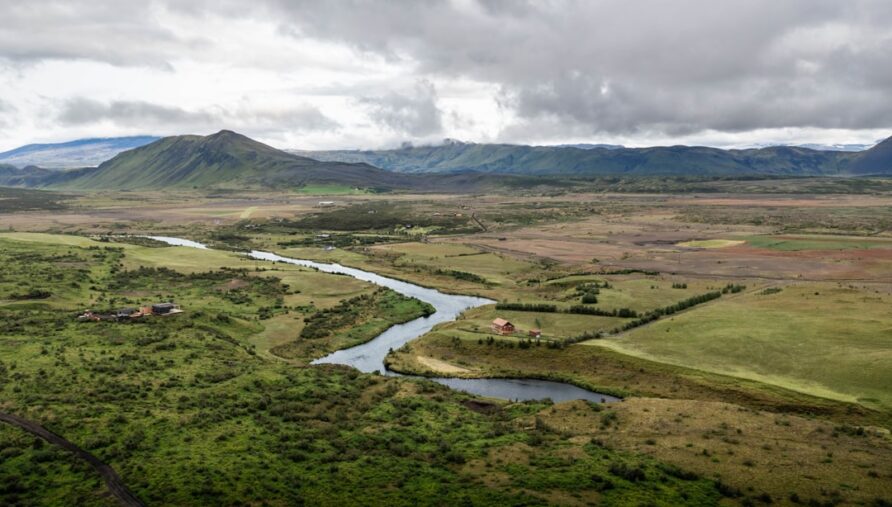
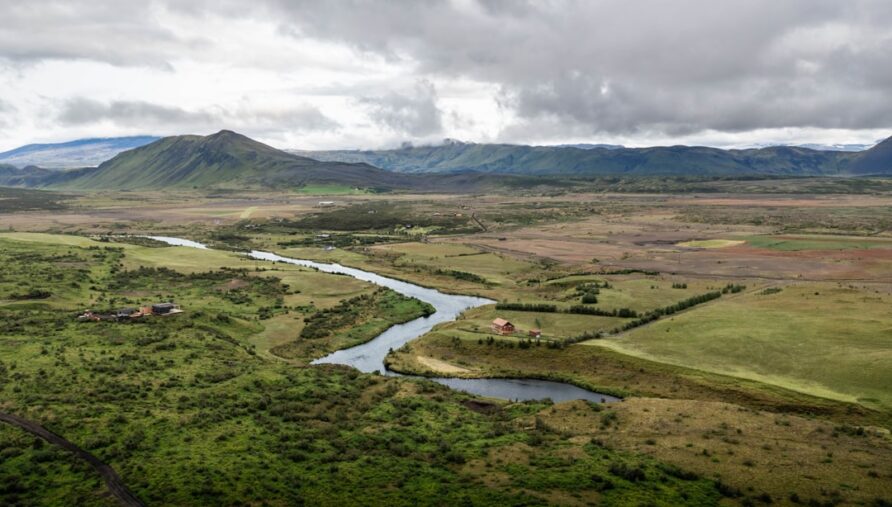
Before you even reach Snæfellsnes, West Iceland’s Borgarfjörður region is worth a stop. It’s less crowded than the Golden Circle but just as rich in nature and history.

**Highlights around Borgarfjörður (near Borgarnes):**
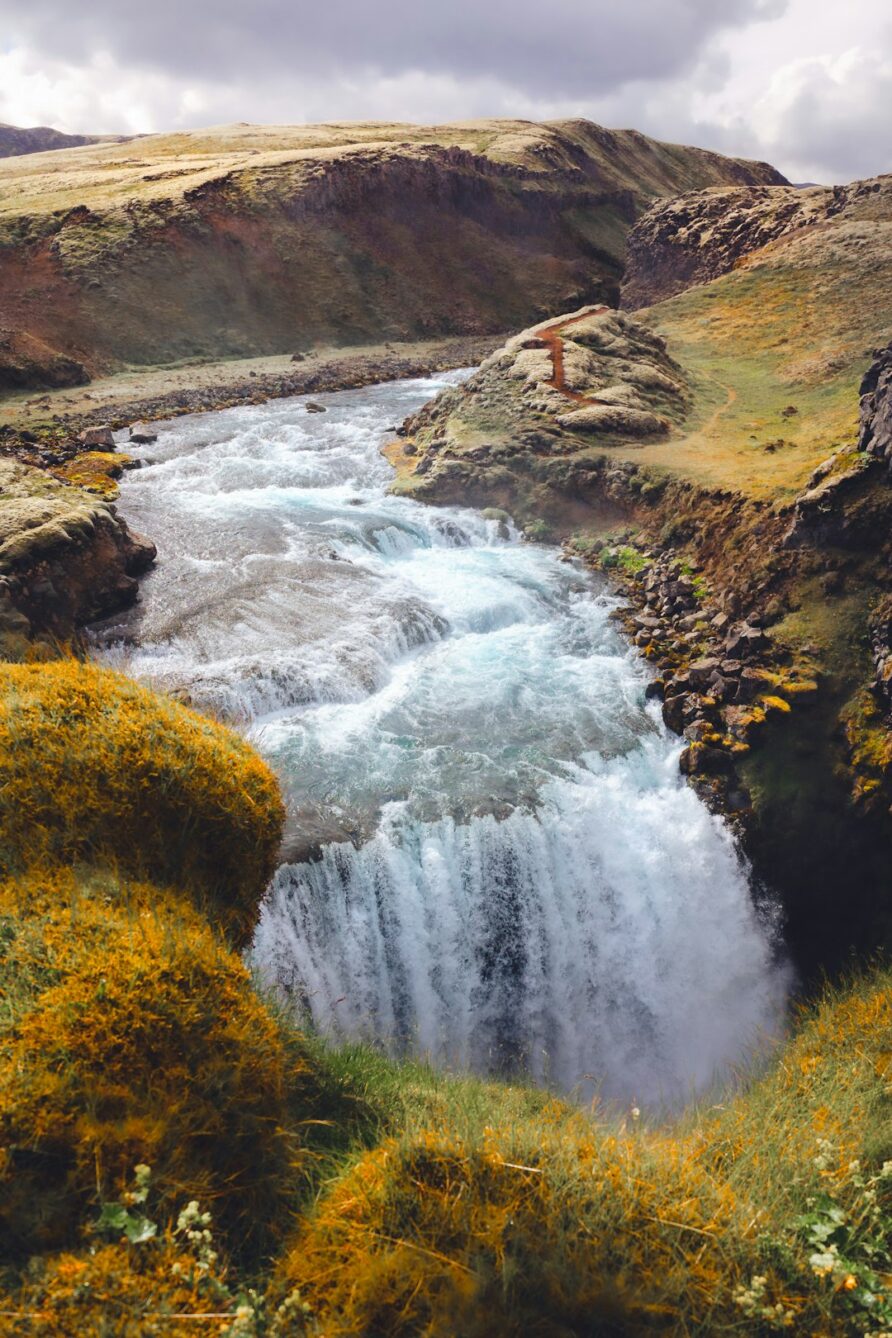
– **Hraunfossar & Barnafoss:** A unique series of waterfalls streaming out of a lava field into a turquoise river. Easy walks and great photo spots.
– **Deildartunguhver hot spring:** One of Europe’s most powerful hot springs, with steam rising dramatically from the ground.
– **Reykholt:** A historic site connected to the medieval writer Snorri Sturluson, with a small museum and church.
– **Hiking and river views:** Gentle trails and scenic drives along the Hvítá river and surrounding valleys.

Staying at **Hvítá Inn in Borgarfjörður**, part of Ourhotels.is, puts you in a peaceful countryside setting, yet within easy driving distance of Borgarnes and the main Ring Road. It’s an ideal first night after leaving Reykjavík: you can explore Borgarfjörður during the day, sleep in quiet surroundings, and then head out early towards Snæfellsnes the next morning. In winter, the darker skies here also make it a good spot for Northern Lights watching when conditions are right.

Driving to and Around Snæfellsnes
From Borgarfjörður, you can reach the Snæfellsnes peninsula in about 1.5–2 hours, depending on your exact route. The main road is generally well maintained, but always check the weather and road conditions, especially in winter.

**Driving tips:**
– **Fuel up in larger towns** like Borgarnes or Stykkishólmur; smaller villages may have limited services.
– **Check road.is and vedur.is** for road and weather updates.
– **Allow extra time** for photo stops – the scenery is constantly changing and very tempting.

Must-See Stops on Snæfellsnes
You can drive the peninsula as a loop, either clockwise or counter‑clockwise. Here are some of the most popular stops:

– **Gerðuberg Cliffs:** Impressive basalt columns rising from the landscape, a great first stop as you enter the peninsula.
– **Ytri Tunga Beach:** Known for its seal colony; visit quietly and keep a respectful distance.
– **Búðir Black Church and lava field:** A striking black church set against golden sand, lava and the sea.
– **Arnarstapi & Hellnar:** Coastal villages with dramatic cliffs, sea arches and easy walking paths between them.
– **Lóndrangar & Djúpalónssandur:** Rugged rock formations and a black sand beach with remnants of old shipwrecks.
– **Snæfellsjökull National Park:** The glacier‑capped volcano that inspired Jules Verne’s “Journey to the Center of the Earth.” In summer, guided tours and hikes are available.
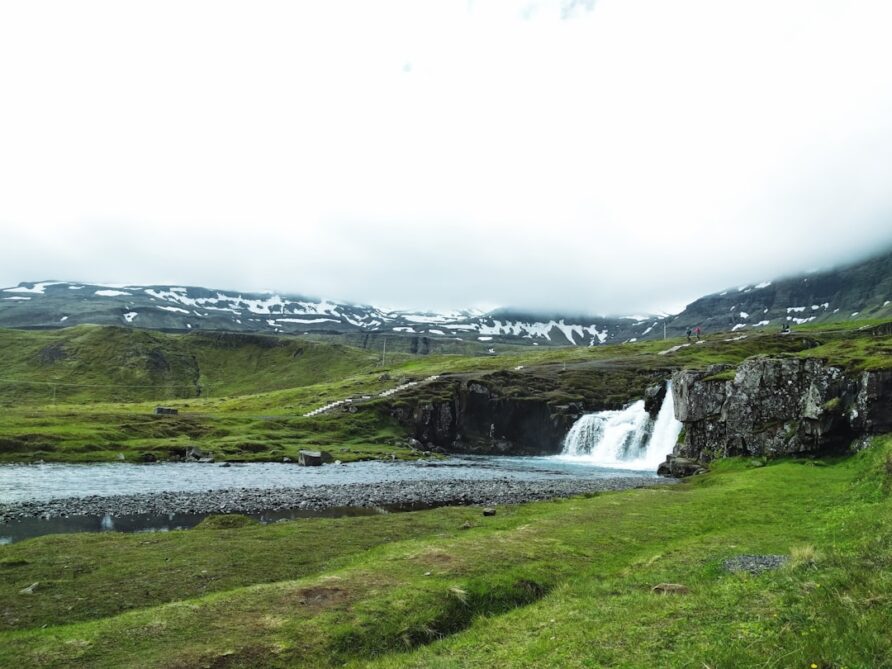
– **Kirkjufell & Kirkjufellsfoss:** One of Iceland’s most photographed mountains, especially beautiful at sunset or under the Northern Lights.

Base Yourself in Stykkishólmur: Stykkishólmur Inn
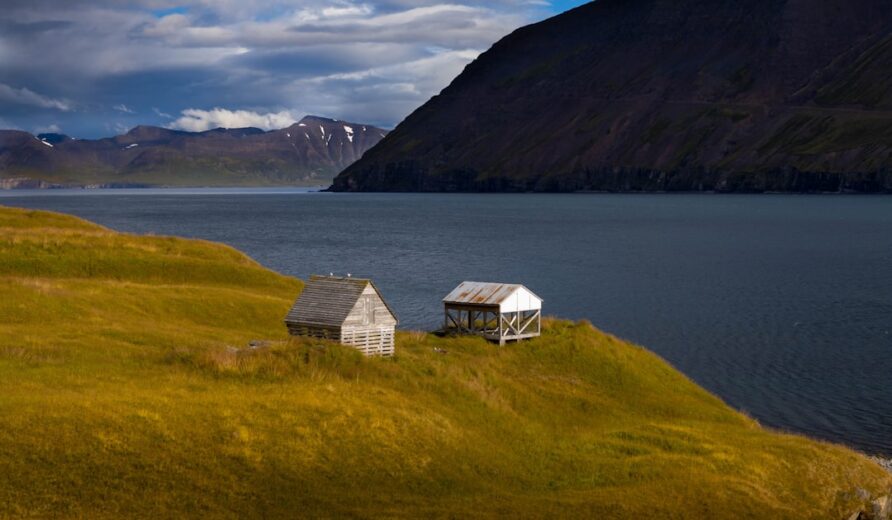
On the northern side of the peninsula lies **Stykkishólmur**, a charming harbor town with colorful houses, a picturesque church, and views over Breiðafjörður Bay and its countless islands.

Staying at **Stykkishólmur Inn**, part of Ourhotels.is, gives you a comfortable base in the heart of town. From here you can:

– Explore the **old harbor**, climb the small hill by the lighthouse for panoramic views, and wander the quiet streets.
– Take a **boat tour on Breiðafjörður Bay** to see islands, birdlife, and sometimes even taste fresh seafood on board.
– Use Stykkishólmur as a hub to explore the **northern and western parts of Snæfellsnes** without rushing, returning each evening to a cozy inn and local restaurants.

If you’re continuing north to the Westfjords, Stykkishólmur is also a natural stepping stone, with ferry connections (seasonal) and a logical driving route towards Ísafjörður.

Combining Snæfellsnes with the Westfjords: Ísafjörður Inn
Many travelers who fall in love with Snæfellsnes’ wild coastline are drawn further north to the even more remote **Westfjords**. The drive from Stykkishólmur to Ísafjörður is longer and more rugged, but the reward is dramatic fjords, steep mountains and quiet fishing villages.

In the heart of the Westfjords, **Ísafjörður** is the main town and a perfect base for exploring the region. **Ísafjörður Inn**, another Ourhotels.is property, offers a comfortable place to rest after long days of scenic driving and outdoor activities.

From Ísafjörður Inn you can:
– Take day trips to **Súðavík, Bolungarvík** and other nearby fjords.
– Join tours for **hiking, kayaking or boat trips** to remote areas.
– Enjoy local cafés, restaurants and the small‑town atmosphere that makes the Westfjords feel very different from the busier south.

Practical Tips for a Smooth Trip
– **Pack layers:** Weather on Snæfellsnes and in the Westfjords changes quickly. Windproof and waterproof outer layers are essential.
– **Good footwear:** Many of the best viewpoints involve short walks on uneven ground, gravel or wet grass.
– **Plan your days, but stay flexible:** Weather may influence which side of the peninsula you visit first or whether you focus on coastal walks or indoor museums.
– **Book accommodation in advance:** Especially in summer and during holiday periods. Ourhotels.is makes it easy to plan a route that links **Hvítá Inn in Borgarfjörður**, **Stykkishólmur Inn** on Snæfellsnes, and **Ísafjörður Inn** in the Westfjords into one coherent trip.

A Simple Itinerary Idea
– **Day 1:** Reykjavík → Borgarfjörður. Explore Hraunfossar, Deildartunguhver and Reykholt. Overnight at **Hvítá Inn**.
– **Day 2:** Drive to Snæfellsnes. Visit Gerðuberg, Búðir, Arnarstapi, Djúpalónssandur and Kirkjufell. Overnight at **Stykkishólmur Inn**.
– **Day 3:** Explore Stykkishólmur and northern Snæfellsnes, or take a Breiðafjörður boat tour.
– **Day 4+:** Continue north to the Westfjords and base yourself at **Ísafjörður Inn** for deeper exploration.

By linking these regions and staying with Ourhotels.is along the way, you can experience the best of West Iceland and Snæfellsnes at a comfortable pace, with welcoming places to return to each night after your adventures.
Exploring Iceland’s National Parks

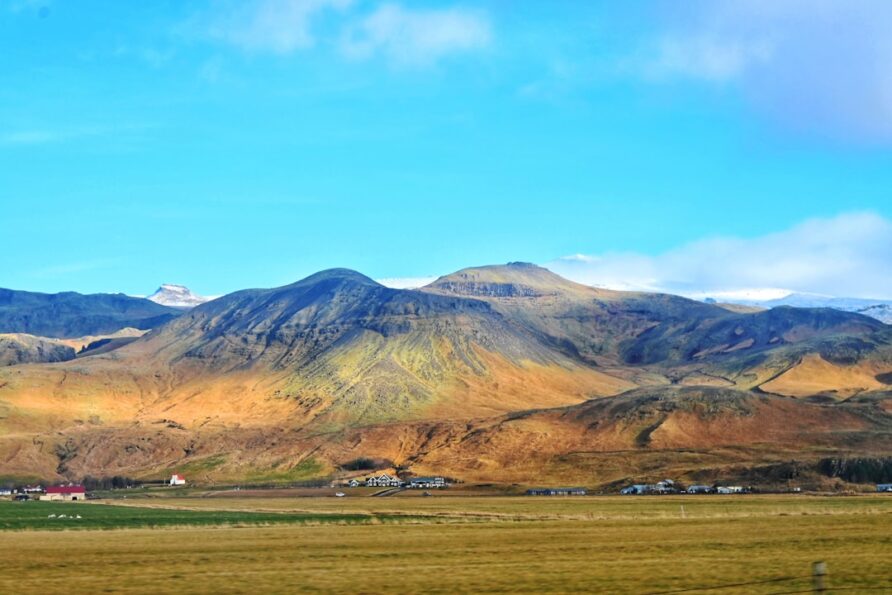
Iceland’s three national parks – Þingvellir, Snæfellsjökull and Vatnajökull – capture the country’s wild heart: lava fields and glaciers, thundering waterfalls and quiet birch woods, black sand beaches and steaming geothermal areas. Exploring them at an unhurried pace is one of the best ways to experience authentic Iceland, and choosing the right places to stay can turn a good trip into an unforgettable one. That’s where Ourhotels.is comes in, with welcoming bases in West Iceland that make it easy to explore some of the country’s most spectacular protected areas.

Many visitors begin their journey in West Iceland, a region that offers easy access to both Þingvellir National Park and the Snæfellsnes Peninsula. Staying at Hvítá Inn in Borgarfjörður, close to Borgarnes, puts you in the perfect position for day trips into Iceland’s natural wonders while still enjoying the comfort of a cozy inn at day’s end. The surrounding Borgarfjörður area is rich in history and scenery: hot springs, lava fields, waterfalls and quiet valleys that feel far from the crowds.

From Hvítá Inn, it’s an easy drive to Þingvellir National Park, a UNESCO World Heritage Site and one of Iceland’s most important historical and geological locations. Here, you can walk between the North American and Eurasian tectonic plates in the Almannagjá gorge, gaze over the rift valley from the viewing platforms, and explore the site of the ancient Alþingi, Iceland’s first parliament. Clear days reveal the deep blue waters of Lake Þingvallavatn and the surrounding mountains, while early mornings and evenings are often quieter, making the experience even more special. After a day of hiking and sightseeing, returning to Hvítá Inn offers a peaceful countryside atmosphere, with easy access to local restaurants and services in nearby Borgarnes.

For many travelers, Snæfellsjökull National Park is the highlight of West Iceland. Centered around the glacier-capped Snæfellsjökull volcano, this park combines dramatic coastal cliffs, black sand beaches, lava fields and charming fishing villages. The Stykkishólmur Inn, part of Ourhotels.is, is an ideal base for exploring the Snæfellsnes Peninsula. Stykkishólmur itself is a picturesque harbor town with colorful houses, excellent seafood and views across Breiðafjörður Bay’s countless islands.

From The Stykkishólmur Inn, you can easily spend several days exploring Snæfellsjökull National Park. Walk along the cliffs at Arnarstapi and Hellnar, where sea arches and basalt formations rise from the Atlantic. Visit Djúpalónssandur beach, with its black pebbles and shipwreck remains, and hike short trails through moss-covered lava fields. On clear days, the glacier-capped peak of Snæfellsjökull dominates the skyline, and in the right season you may even spot whales offshore. Staying in Stykkishólmur means you can enjoy the park by day and return to a comfortable room, good food and a relaxed small-town atmosphere in the evening.

While Vatnajökull National Park lies in the east and south of the country, West Iceland is also a natural starting point for journeys into the Westfjords, one of Iceland’s most remote and dramatic regions. Though not a national park, the Westfjords feel like a vast, wild sanctuary of their own, with towering cliffs, narrow fjords and quiet fishing villages. Ísafjörður, the region’s main town, makes an excellent base for exploring this rugged landscape, and Ísafjörður Inn, part of Ourhotels.is, offers a warm welcome at the heart of it all.

From Ísafjörður Inn, you can venture out to some of the Westfjords’ most iconic natural sites. The towering cliffs of Hornstrandir Nature Reserve, accessible by boat in summer, offer some of the best hiking and birdwatching in Iceland, with a true wilderness feel. Closer to town, scenic drives along the fjords reveal waterfalls, beaches and viewpoints where you’re more likely to meet seabirds and seals than other travelers. After a day in the elements, returning to Ísafjörður Inn means hot showers, comfortable beds and the chance to sample local cuisine in town.

Planning a trip that links these regions together is straightforward. Many visitors start in Reykjavík, drive north to Hvítá Inn in Borgarfjörður to explore Þingvellir and West Iceland, continue to The Stykkishólmur Inn for a few days on the Snæfellsnes Peninsula, and then head further north and west to Ísafjörður Inn in the Westfjords. This route offers a rich mix of Iceland’s landscapes: rift valleys and waterfalls, glacier-capped volcanoes and black beaches, quiet fjords and remote cliffs.

Choosing locally rooted accommodation like the inns offered by Ourhotels.is adds another layer to your national park experience. You’re close to nature, but you also have access to local knowledge: tips on lesser-known viewpoints, the best times to visit popular sites, and seasonal highlights such as bird migrations or the northern lights. Whether you’re traveling in the long days of summer or the crisp, aurora-filled nights of winter, having a comfortable, well-located base makes it easier to slow down and truly appreciate Iceland’s national parks and wild landscapes.

By combining thoughtful route planning with welcoming stays at Hvítá Inn near Borgarnes, The Stykkishólmur Inn on the Snæfellsnes Peninsula and Ísafjörður Inn in the Westfjords, you can experience some of Iceland’s most remarkable natural areas in a relaxed, memorable way. Ourhotels.is brings these journeys together, helping you explore Iceland’s national parks and wild regions with comfort, convenience and a genuine connection to the places you visit.

Photography Tips for Glacier Landscapes

Glacier landscapes in West Iceland are among the most dramatic scenes you can capture with a camera: towering ice caps, sweeping valleys, and ever‑changing light that shifts from soft pastel to deep, moody tones in minutes. Whether you’re a beginner with a smartphone or an experienced photographer with a full kit, a bit of planning and local knowledge will help you bring home images that truly do these places justice.

Staying with Ourhotels.is in West Iceland puts you in a perfect position to explore and photograph glaciers at different times of day and in different weather conditions. With bases like Hvítá Inn in Borgarfjörður, Stykkishólmur Inn on the Snæfellsnes Peninsula, and Ísafjörður Inn in the Westfjords, you can build an itinerary that follows the light and the landscape.

Below are practical photography tips tailored to glacier scenery, along with how to make the most of each of these locations.

Glacier photography basics: light, timing, and weather
Glaciers are all about light. Ice reflects, refracts, and absorbs light in unique ways, which is why you’ll see everything from bright whites to deep blues in a single scene.

– **Shoot during golden and blue hours**
Early morning and late evening are ideal. The low sun adds texture to the ice, revealing ridges and crevasses. Blue hour—just before sunrise and after sunset—can give glacier scenes a magical, ethereal glow.

– **Embrace Iceland’s changing weather**
Overcast skies soften harsh contrasts and help you capture subtle tones in the ice. Stormy clouds add drama and scale. From Hvítá Inn or Stykkishólmur Inn, you can easily adjust your plans based on the day’s conditions, heading out when the sky looks promising.

– **Use the long days to your advantage**
In late spring and summer, you’ll have long evenings and even midnight sun. Staying at Ísafjörður Inn or Hvítá Inn gives you the flexibility to rest during the day and head out when the light is at its best, even late at night.

Camera settings for glacier landscapes
You don’t need the most expensive gear, but a few setting choices make a big difference.

– **Shoot in RAW if possible**
RAW files preserve detail in bright snow and dark rocks, giving you more flexibility when editing.

– **Expose for the highlights**
Glaciers and snow can easily blow out to pure white. Slightly underexpose your image to keep detail in the brightest areas, then lift the shadows later.

– **Use a small aperture for sharp landscapes**
Apertures like f/8–f/11 help keep both foreground and background in focus. This is especially useful when you’re including rocks, ice chunks, or people in the frame.

– **Stabilize your camera**
A lightweight tripod is ideal for long exposures and low light. If you’re traveling light and staying at Ourhotels.is properties, you can plan shorter trips from your base and bring a tripod without worrying about carrying it all day.

Composing powerful glacier images
Composition is where your creativity comes in. Glaciers can be overwhelming in scale, so think about how to guide the viewer’s eye.

– **Include a strong foreground**
Ice chunks, textured snow, rocks, or even a winding river can lead the viewer into the frame. Around Borgarfjörður, accessible from Hvítá Inn, you’ll find rivers and valleys that frame distant ice caps beautifully.

– **Use leading lines**
Crevasses, meltwater streams, and shorelines make natural lines that draw attention toward the glacier. On the Snæfellsnes Peninsula, reachable from Stykkishólmur Inn, coastal lines and mountain ridges can point toward the ice-covered Snæfellsjökull area.

– **Add a sense of scale**
A person, a small building, or a vehicle in the distance can show just how massive the glacier is. From Ísafjörður Inn, you can explore viewpoints where fjords and tiny houses sit beneath snowfields and ice, giving a powerful sense of proportion.

– **Look for reflections**
Calm water near glaciers or snowfields can create mirror-like reflections. Around Stykkishólmur, the interplay of sea, islands, and distant ice-capped mountains offers great opportunities for reflection shots at sunrise or sunset.

Filters and accessories for glacier photography
A few simple accessories can help you handle the bright, reflective environment around glaciers.

– **Polarizing filter**
A polarizer reduces glare from snow, ice, and water, deepens blue skies, and enhances contrast. It’s especially useful when shooting from coastal areas near Stykkishólmur Inn or riverbanks near Hvítá Inn.

– **ND (neutral density) filter**
ND filters let you use longer exposures even in bright light. This is perfect for smoothing out water in rivers and waterfalls that flow from glaciers, common in the Borgarfjörður region.

– **Lens hood and microfiber cloth**
A lens hood helps reduce flare from low-angle sun, and a cloth is essential for wiping away sea spray, mist, or light rain—conditions you may encounter around Ísafjörður and Stykkishólmur.

Safety and respect for nature
Glacier environments are beautiful but can be hazardous. Always prioritize safety and respect local guidelines.

– **Keep a safe distance**
Crevasses, unstable ice, and sudden changes in weather are real risks. Join guided tours for glacier walks or ice cave visits, and never venture onto a glacier alone.

– **Dress for the conditions**
Waterproof layers, warm clothing, gloves you can operate your camera with, and sturdy boots are essential. Staying at Ourhotels.is properties like Hvítá Inn, Stykkishólmur Inn, and Ísafjörður Inn means you can return quickly to a warm, comfortable base after your shoot.

– **Leave no trace**
Stick to marked paths, avoid disturbing fragile moss and vegetation, and pack out all your trash. The more carefully we treat these landscapes, the longer they’ll remain pristine for future photographers.

Using Ourhotels.is as your glacier photography base

– **Hvítá Inn – Borgarfjörður (near Borgarnes)**
This area is a gateway to West Iceland’s inland landscapes, with rivers, valleys, and views toward ice caps and highlands. From Hvítá Inn, you can plan early-morning or late-evening drives to viewpoints where glaciers sit on the horizon, framed by rolling hills and dramatic skies. It’s ideal for wide-angle landscape shots and long-exposure river scenes fed by glacial meltwater.

– **Stykkishólmur Inn – Snæfellsnes Peninsula**
Stykkishólmur is a perfect base for exploring the Snæfellsnes Peninsula, often called “Iceland in Miniature.” Here you can photograph the glacier-capped Snæfellsjökull area, coastal cliffs, black beaches, and sea views with distant ice. The combination of ocean, islands, and glacier makes for unique compositions, especially at sunrise and sunset when the light hits the peninsula from different angles.

– **Ísafjörður Inn – Westfjords**
The Westfjords offer a wilder, more remote feel. From Ísafjörður Inn, you can explore deep fjords, snow-covered mountains, and distant icefields. The interplay of steep cliffs, narrow fjords, and lingering snow or ice creates moody, atmospheric scenes—perfect for those who enjoy dramatic, high-contrast photography and long exposures in low light.

By staying with Ourhotels.is across these three locations, you can design a photography journey that follows the glaciers from different perspectives: inland valleys, coastal peninsulas, and remote fjords. Each inn offers comfortable accommodation and a strategic base so you can focus on what matters most—being in the right place at the right time to capture unforgettable glacier images.

With thoughtful planning, a bit of technical know‑how, and the flexibility that comes from staying close to the landscapes you want to photograph, your glacier shots from West Iceland can be as powerful and memorable as the scenery itself.

How to Dress for Glacier Activities

Packing for glacier adventures in West Iceland is part of the fun—but it can also be confusing if you’re not used to cold, changeable weather. Whether you’re heading out on a glacier hike, ice cave tour, snowmobile trip, or simply exploring icy viewpoints, what you wear will make the difference between an unforgettable day and an uncomfortable one.

Staying at Ourhotels.is properties like Hvítá Inn in Borgarfjörður, Stykkishólmur Inn on the Snæfellsnes Peninsula, or Ísafjörður Inn in the Westfjords puts you in perfect range of some of Iceland’s most spectacular glacier landscapes. Here’s how to dress so you can enjoy them fully.

### Think in Layers, Not Single “Warm” Pieces

Icelandic weather changes quickly—sun, wind, snow, and rain can all happen in one outing. The key is a flexible layering system you can adjust throughout the day:

**1. Base layer (next to skin)**
Choose moisture‑wicking materials like merino wool or technical synthetics. Avoid cotton—it stays wet and makes you cold.
– Long-sleeve top
– Long underwear/thermal leggings

**2. Mid layer (insulation)**
This is your warmth. You can add or remove it depending on conditions.
– Fleece jacket or wool sweater
– Light down or synthetic insulated jacket in colder months

**3. Outer layer (shell)**
This protects you from wind, snow, and rain.
– Waterproof and windproof jacket with hood
– Waterproof pants you can pull over your base or hiking pants

When you stay at **Hvítá Inn in Borgarfjörður**, you’ll likely be heading out early to explore glaciers and waterfalls in West Iceland. Having these three layers ready by the door makes it easy to adapt to whatever the day brings.

### Choose the Right Footwear for Ice and Snow

Glacier terrain can be slippery, uneven, and sometimes slushy. Good footwear is essential for both safety and comfort.

– **Waterproof hiking boots** with good ankle support
– **Sturdy soles** that work well with crampons or microspikes (often provided by tour operators)
– **Warm, moisture‑wicking socks**, ideally wool or wool blend
– Consider **sock liners** if your feet get cold easily

If you’re staying at **Stykkishólmur Inn**, you might combine a glacier or snow tour with coastal walks and village exploring. Waterproof boots mean you can go from icy viewpoints to wet harbor paths without worrying about cold, damp feet.

### Keep Your Hands, Head, and Neck Warm

You lose a lot of heat from your extremities, especially in windy glacier environments.

– **Warm hat or beanie** that covers your ears
– **Buff or neck gaiter** to protect your neck and lower face from wind
– **Gloves or mittens**, ideally waterproof or with a waterproof shell
– Consider **liner gloves** so you can handle your camera or phone without exposing bare skin for too long

In the Westfjords, where **Ísafjörður Inn** is located, wind can be strong even on clear days. A good hat and neck gaiter make glacier viewpoints and winter fjord walks much more comfortable.

### Protect Yourself from Wind and Sun

Glaciers reflect a lot of light, and Icelandic wind can be surprisingly strong even when temperatures don’t look extreme on paper.

– **Sunglasses** with UV protection to shield your eyes from glare off snow and ice
– **Sunscreen** for face and any exposed skin, even in winter
– **Lip balm** with SPF to prevent chapped lips
– **Windproof outer layers** (jacket and pants) to cut the chill

Guests at Ourhotels.is often underestimate the sun on bright glacier days. Packing sunglasses and sunscreen is just as important as packing warm clothes.

### What to Wear Under Your Outer Layers

Your “everyday” clothes still matter. Aim for comfort, breathability, and quick-drying fabrics.

– **Hiking or outdoor pants** (no jeans—once wet, they stay wet and cold)
– **Long-sleeve tops** in wool or synthetic blends
– **Avoid cotton hoodies and sweatpants** for glacier days

If you’re staying multiple nights at **Hvítá Inn**, **Stykkishólmur Inn**, or **Ísafjörður Inn**, it’s smart to rotate base layers so you always start the day dry and warm.

### Dressing for Different Glacier Activities

**Glacier hikes & ice cave tours**
– Full layering system (base, mid, shell)
– Waterproof pants and jacket
– Warm hat, gloves, and neck gaiter
– Sturdy waterproof boots (crampons usually provided by the tour)

**Snowmobiling on glaciers**
– Extra warm mid layer (down or synthetic jacket)
– Thicker gloves or mittens
– Balaclava or buff under the helmet
– Many operators provide overalls, but you still need warm layers underneath

**Winter sightseeing near glaciers**
– Same layering principles, but you can often go slightly lighter on the mid layer in milder weather
– Still bring hat, gloves, and waterproof outerwear—conditions can change quickly

From **Stykkishólmur Inn**, you might combine a glacier day with exploring the Snæfellsnes Peninsula. From **Ísafjörður Inn**, you can pair winter fjord views with snowy hikes. In both cases, dressing in layers lets you move comfortably between car, town, and glacier.

### Pack Smart: Glacier Clothing Checklist

Use this as a quick packing guide for your stay with Ourhotels.is:

– [ ] Thermal base layers (top and bottom)
– [ ] Fleece or wool mid layer
– [ ] Insulated jacket (down or synthetic, depending on season)
– [ ] Waterproof, windproof shell jacket with hood
– [ ] Waterproof pants
– [ ] Waterproof hiking boots
– [ ] Wool or technical socks (plus spares)
– [ ] Warm hat/beanie
– [ ] Gloves or mittens (plus liners if you get cold easily)
– [ ] Neck gaiter or buff
– [ ] Sunglasses
– [ ] Sunscreen and lip balm
– [ ] Small daypack to carry extra layers, water, and snacks

### Warming Up After Your Glacier Day

One of the best parts of glacier adventures in West Iceland is coming “home” to a warm, comfortable base.

– At **Hvítá Inn in Borgarfjörður**, you’re perfectly placed between glaciers, hot springs, and waterfalls—ideal for a hot shower and a relaxing evening after a cold day out.
– **Stykkishólmur Inn** lets you combine glacier experiences with charming harbor walks, local restaurants, and views over Breiðafjörður Bay.
– **Ísafjörður Inn** in the Westfjords offers a cozy retreat after exploring dramatic fjords, snowy passes, and remote viewpoints.

By choosing Ourhotels.is and dressing correctly for glacier activities, you can focus on what really matters: the crunch of snow under your boots, the deep blue of the ice, and the feeling of standing in one of the most powerful landscapes on Earth.

Visiting Glacier Lagoons in Iceland

Visiting glacier lagoons in Iceland feels like stepping into another world—where ancient ice, deep blue water, and dramatic mountains meet in complete silence. These lagoons are among the most unforgettable sights in the country, and they’re surprisingly easy to combine with a road trip through West Iceland and the Westfjords, especially when you base yourself at comfortable, well-located stays like Ourhotels.is.

Glacier lagoons are formed where glaciers meet the sea or large lakes, and chunks of ice break off and float in the water. The most famous examples are in the southeast, but you’ll find equally magical glacier scenery and coastal fjords in the west and north, with far fewer crowds and a more authentic, local feel.

### Why glacier lagoons belong on your Iceland itinerary

Glacier lagoons offer a rare chance to see the power of nature up close. You can:

– Watch icebergs drift slowly across still, mirror-like water
– See layers of centuries-old ice glowing in shades of blue and white
– Spot seals resting on ice floes or swimming between the bergs
– Capture incredible photos at sunrise, sunset, or under the midnight sun

In winter, the surrounding mountains and fjords are dusted with snow, and in summer the contrast between green hillsides and bright ice is striking. No matter when you visit, glacier lagoons are a highlight of any Iceland road trip.

### Using West Iceland as your base

Many travelers rush straight from Reykjavík to the south coast, but West Iceland is a perfect starting point if you want to explore more quietly and see a different side of the country. From here, you can enjoy glacier views, dramatic coastlines, and easy access to the Westfjords and Snæfellsnes Peninsula.

Ourhotels.is offers several comfortable inns in strategic locations, making it easy to plan day trips and longer drives to glacier areas and coastal fjords.

#### Hvítá Inn – your gateway to West Iceland

Hvítá Inn in Borgarfjörður, near Borgarnes, is an ideal first stop when you leave Reykjavík. Surrounded by rivers, mountains, and open countryside, it’s a peaceful base for exploring:

– The glacier-covered mountains of Langjökull in the distance
– Hraunfossar and Barnafoss waterfalls, where glacial water flows through lava fields
– The scenic Borgarfjörður region, with its farms, hot springs, and quiet valleys

Staying at Hvítá Inn lets you experience the slower pace of rural Iceland while still being within easy driving distance of Reykjavík and the main Ring Road. It’s a great place to rest after a day of exploring and to plan your onward journey toward the Snæfellsnes Peninsula and the Westfjords.

#### Stykkishólmur Inn – the perfect stop on the Snæfellsnes route

From Borgarfjörður, many travelers continue to the Snæfellsnes Peninsula, often called “Iceland in Miniature” because it has a bit of everything: glaciers, black sand beaches, cliffs, and charming fishing villages.

Stykkishólmur Inn, part of Ourhotels.is, is located in the picturesque town of Stykkishólmur on the north side of the peninsula. From here you can:

– Enjoy views over Breiðafjörður bay, dotted with countless small islands
– Take boat tours among the islands, where you’ll see birdlife and dramatic coastal scenery
– Explore Snæfellsjökull National Park, home to the glacier-capped Snæfellsjökull volcano

While Breiðafjörður itself is not a classic glacier lagoon, the combination of sea, islands, and distant glacier views creates a similar sense of wild, untouched nature. Stykkishólmur Inn gives you a comfortable, welcoming place to return to after a day of exploring the peninsula’s beaches, cliffs, and viewpoints.

#### Ísafjörður Inn – your base for the wild Westfjords

For travelers who want to go beyond the usual routes, the Westfjords are a dream. This remote region is known for steep mountains, deep fjords, and quiet roads that feel far from the crowds. Ísafjörður, the main town in the area, is a natural hub for exploring.

Ísafjörður Inn, part of Ourhotels.is, places you right in the heart of this dramatic landscape. From here, you can:

– Drive along fjords carved by ancient glaciers, with towering cliffs on both sides
– Take boat trips into remote fjords where glaciers once reached the sea
– Enjoy coastal views that echo the feeling of glacier lagoons—calm water, steep mountains, and a sense of vast space

While the classic, iceberg-filled lagoons are further east, the Westfjords give you a powerful impression of how glaciers shaped Iceland’s coastline. The fjords themselves are former glacial valleys now filled with seawater, and the scenery is every bit as impressive.

After a day of hiking, kayaking, or simply driving the winding coastal roads, Ísafjörður Inn offers a cozy place to relax, recharge, and plan your next adventure.

### Planning your glacier and fjord-focused road trip

A popular route for visitors who want to combine glacier scenery, fjords, and authentic Icelandic towns might look like this:

1. Reykjavík → Borgarfjörður
– Stay at Hvítá Inn
– Explore waterfalls, hot springs, and distant glacier views

2. Borgarfjörður → Snæfellsnes Peninsula
– Stay at Stykkishólmur Inn
– Visit Snæfellsjökull National Park, coastal cliffs, and Breiðafjörður bay

3. Snæfellsnes → Westfjords (Ísafjörður)
– Stay at Ísafjörður Inn
– Discover remote fjords, dramatic mountain roads, and quiet fishing villages

From there, you can either continue your journey around Iceland or return to Reykjavík, having experienced some of the country’s most impressive glacier-shaped landscapes.

### Tips for visiting glacier areas and coastal lagoons in Iceland

– **Check road conditions:** Especially outside summer, always check weather and road reports before driving into the Westfjords or along mountain passes.
– **Dress in layers:** Glacier areas and fjords can be windy and cool, even in summer. Waterproof outer layers and warm mid-layers are essential.
– **Book accommodation in advance:** Popular regions like Snæfellsnes and the Westfjords have limited places to stay. Booking Hvítá Inn, Stykkishólmur Inn, and Ísafjörður Inn ahead of time through Ourhotels.is ensures you have a comfortable base each night.
– **Allow extra time:** The most memorable moments often come from unplanned stops—viewpoints, small harbors, or quiet beaches along the way.

### Experience Iceland’s glacier-shaped landscapes with Ourhotels.is

Whether you’re dreaming of classic glacier lagoons filled with icebergs or the sweeping fjords carved by ancient ice, Iceland offers countless ways to experience the power of glaciers. By basing yourself at Hvítá Inn in Borgarfjörður, Stykkishólmur Inn on the Snæfellsnes Peninsula, and Ísafjörður Inn in the Westfjords, you can explore some of the country’s most beautiful glacier-shaped landscapes at a relaxed pace.

Ourhotels.is brings these locations together into one easy-to-plan journey, so you can focus on what matters most: standing by the water’s edge, watching the light change on the ice and mountains, and feeling the quiet magic of Iceland’s glacier lagoons and fjords.

Staying Safe Near Icebergs

Exploring Iceland’s icebergs is an unforgettable experience—otherworldly shapes, deep blue tones, and the quiet power of nature all in one place. But as magical as they are, icebergs demand respect. Staying safe near them is essential, especially if you’re visiting for the first time and aren’t used to Arctic conditions.

At Ourhotels.is, we welcome many guests who plan day trips to glacier lagoons, coastal viewpoints, and winter shorelines from our locations in West and Northwest Iceland. Here are some key tips to help you enjoy the beauty of ice and ocean safely, along with how our inns—Hvítá Inn in Borgarfjörður, Stykkishólmur Inn, and Ísafjörður Inn—fit into a safe and comfortable iceberg-focused itinerary.

Icebergs Are Unstable – Keep Your Distance
Icebergs may look solid and still, but they are constantly changing. They can roll, crack, or break apart without warning. Even a small shift can send waves across a lagoon or shoreline.

Basic distance rules:
– Never climb on icebergs, even if they’re close to shore.
– Stay well back from the water’s edge, especially where the ground is icy or sloping.
– Follow all local signs and barriers; they’re placed based on real incidents and changing conditions.

From Hvítá Inn in Borgarfjörður, many guests drive to popular glacier areas in West Iceland. Before you go, our staff can help you understand which lagoons or viewpoints are safe to visit on your own and when it’s better to join a guided tour.

Beware of “Sneaker Waves” and Cold Water
Where icebergs meet the sea, the water is extremely cold and conditions can change quickly. Large “sneaker waves” can surge much farther up the beach than expected, especially on Iceland’s south and west coasts.

To stay safe:
– Never turn your back on the ocean when icebergs or large waves are present.
– Stay off wet, shiny sand near the waterline—this is where waves reach.
– Keep children and cameras well away from the surf.

If you’re staying at Stykkishólmur Inn, you’ll be perfectly placed to explore the Breiðafjörður bay area, known for its countless islands and rich birdlife. While you won’t usually see towering icebergs here like at glacier lagoons, you may encounter sea ice and cold, choppy waters. Local boat operators and guides know the conditions well; we recommend booking with reputable, experienced companies and always following their safety instructions.

Dress for Arctic Conditions, Even on Short Walks
Icelandic weather can change in minutes. A calm, sunny stop at a lagoon can quickly turn windy, wet, and cold—especially near ice and water.

Pack and wear:
– Warm base layers (wool or synthetic, not cotton)
– Waterproof and windproof outer layers
– Hat, gloves, and scarf or buff
– Sturdy, non-slip footwear (crampons or ice cleats in winter)
– Sunglasses and sunscreen (sunlight reflecting off ice can be intense)

At Hvítá Inn in Borgarfjörður, we often help guests adjust their plans based on the latest weather forecasts. A day that looks fine on your phone app might be very different up by the glaciers. Checking in with local staff before you set out can make the difference between a comfortable adventure and a risky one.

Choose Guided Tours for Glacier Lagoons and Ice Caves
Some iceberg areas are best experienced with professionals. Glacier lagoons, boat tours among icebergs, and ice cave visits all involve risks that trained guides know how to manage.

Why guided tours are safer:
– Guides understand glacier movement, ice stability, and weather patterns.
– They provide safety gear like life jackets, helmets, and crampons.
– They know where it’s safe to walk, sail, or stop for photos.

From Ísafjörður Inn in the Westfjords, you can access some of Iceland’s wildest and most remote coastal landscapes. In winter and early spring, sea ice and snow can make roads and trails challenging. Local tour operators in Ísafjörður are used to these conditions and can take you to dramatic viewpoints and fjords safely, often with stories and insights you’d never get on your own.

Respect Local Warnings and Seasonal Conditions
Ice and iceberg conditions vary by season. In winter, roads can be icy and daylight is limited. In summer, melting ice can create fast-changing lagoons and unstable shorelines.

Always:
– Check road conditions (Vegagerðin / road.is) before driving to remote areas.
– Look at the weather forecast (vedur.is) for wind, temperature, and visibility.
– Heed any closures or warnings from rangers, tour operators, or hotel staff.

Guests at Ourhotels.is often use our inns as safe bases between more remote excursions. For example:
– Stay at Hvítá Inn in Borgarfjörður to explore West Iceland’s glaciers and waterfalls, then return to a warm, comfortable room instead of driving long distances in the dark.
– Use Stykkishólmur Inn as your hub for boat trips and coastal views in Breiðafjörður, where you can enjoy the sea and islands without overextending your driving days.
– Base yourself at Ísafjörður Inn to discover the dramatic Westfjords, planning your iceberg and coastal experiences around local advice and safe travel windows.

Plan Your Route with Safety in Mind
Iceberg viewing is often just one part of a longer Iceland road trip. To keep it safe and enjoyable:
– Avoid overly long driving days, especially in winter.
– Build in extra time for weather delays and slower roads.
– Stay multiple nights in key areas so you can choose the best day for glacier or iceberg excursions.

Ourhotels.is properties in West Iceland and the Westfjords are spaced so you can move between regions without rushing:
– Hvítá Inn in Borgarfjörður (near Borgarnes) is ideal when coming from Reykjavík and heading toward the Snæfellsnes Peninsula or the north.
– Stykkishólmur Inn is a natural next stop for exploring Snæfellsnes and the Breiðafjörður area.
– Ísafjörður Inn places you in the heart of the Westfjords, close to dramatic fjords, cliffs, and winter sea views.

Enjoy the Beauty, Leave No Trace
Finally, staying safe near icebergs also means respecting the environment:
– Stay on marked paths to protect fragile ground.
– Take all rubbish with you.
– Do not disturb wildlife resting on ice or along the shore.

By combining common-sense safety with local knowledge, you can experience Iceland’s icebergs and icy coastlines in a way that’s both thrilling and secure. When you stay with Ourhotels.is—whether at Hvítá Inn in Borgarfjörður, Stykkishólmur Inn, or Ísafjörður Inn—you’ll have a comfortable base, local insight, and up-to-date information to help you plan each day wisely.

Iceland’s ice is powerful, beautiful, and unpredictable. Give it the respect it deserves, and it will reward you with some of the most memorable moments of your journey.

How to Choose a Glacier Tour

Choosing the right glacier tour in Iceland can turn a beautiful day into an unforgettable one. With so many options—ice caves, glacier hikes, snowmobile adventures, and boat tours—it helps to know what to look for, where to stay, and how to match the experience to your comfort level and travel plans.

Glacier tours in West and North‑West Iceland pair especially well with stays at Ourhotels.is properties like Hvítá Inn in Borgarfjörður, Stykkishólmur Inn on the Snæfellsnes Peninsula, and Ísafjörður Inn in the Westfjords. Here’s how to choose the best glacier adventure for you.

First, think about what kind of glacier experience you really want. If you dream of walking on blue ice, a guided glacier hike is ideal. These tours usually include crampons, helmets, and an expert guide who explains the glacier’s history and the effects of climate change. If you’re more interested in speed and sweeping views, a snowmobile tour on a glacier might be a better fit. For those who want something more relaxed and visually striking, ice cave tours and glacier boat tours offer dramatic scenery with less physical effort.

Your fitness level and comfort with outdoor activities should guide your choice. Glacier hikes range from easy, family‑friendly walks to more demanding treks with steeper sections and longer durations. When browsing tours, look for clear difficulty ratings and age limits. If you’re staying at Hvítá Inn in Borgarfjörður, for example, the staff can help you find a tour that matches your abilities and time frame, whether you’re planning a gentle introduction to glacier walking or a more adventurous day out.

Season and weather matter a lot. Some of the most spectacular natural ice caves are only accessible in winter, when the ice is stable and the blue colors are at their most intense. Summer, on the other hand, is perfect for glacier hikes and combination tours that include waterfalls, black‑sand beaches, or coastal villages. From Stykkishólmur Inn, you can easily explore the Snæfellsnes Peninsula and plan glacier‑related activities around Snæfellsjökull, while enjoying long summer evenings and calmer driving conditions.

Safety should always be a top priority when choosing a glacier tour. Look for licensed operators who provide certified glacier guides, proper safety equipment, and small group sizes. Reputable companies will cancel or modify tours if conditions are unsafe. When you stay with Ourhotels.is—whether at Hvítá Inn, Stykkishólmur Inn, or Ísafjörður Inn—you can ask the local team for recommendations; they work with trusted partners and know which tours have the best safety records and guest feedback.

Location and driving distances are also key. Iceland’s glaciers are spread across the country, and you don’t want to spend your entire day in the car. If you’re exploring West Iceland, Hvítá Inn in Borgarfjörður is a convenient base for day trips that combine glacier views with hot springs, lava fields, and historic sites. On the Snæfellsnes Peninsula, Stykkishólmur Inn puts you close to coastal scenery, boat tours, and access routes toward Snæfellsjökull. In the Westfjords, Ísafjörður Inn is ideal if you’re looking to combine dramatic fjords, remote landscapes, and seasonal snow or ice experiences in one of Iceland’s wildest regions.

Consider what else you want to see on the same day. Many glacier tours can be combined with other highlights: waterfalls, geothermal baths, black‑sand beaches, or charming fishing towns. From Stykkishólmur Inn, for instance, you can plan a day that includes a glacier‑focused excursion along with stops at cliffs, beaches, and small villages on Snæfellsnes. From Ísafjörður Inn, you might choose a tour that pairs snowy mountain scenery with bird cliffs or remote fjords, giving you a full Westfjords experience in one outing.

Group size and style of tour can make a big difference to how your day feels. Smaller groups often mean more personal attention, more time for photos, and a calmer pace on the ice. Larger groups can be more budget‑friendly and social. Decide whether you prefer a private or small‑group experience, and check what’s included: transport, gear, meals, and pick‑up options. If you’re staying at an Ourhotels.is property, the staff can help you compare options and book a tour that fits your style and budget.

Finally, think about how your glacier tour fits into your overall Iceland itinerary. Many travelers choose to base themselves in a few key locations and explore from there. Staying at Hvítá Inn in Borgarfjörður gives you easy access to West Iceland’s natural wonders. Moving on to Stykkishólmur Inn lets you discover the Snæfellsnes Peninsula and its glacier‑topped volcano. Continuing to Ísafjörður Inn opens up the remote beauty of the Westfjords. At each stop, you can choose glacier‑related activities that match the season, your interests, and your energy level.

By considering your preferred activity type, fitness level, season, safety, location, and tour style, you can choose a glacier tour that feels both exciting and comfortable. Using Ourhotels.is as your base in West and North‑West Iceland—at Hvítá Inn, Stykkishólmur Inn, and Ísafjörður Inn—makes it easy to combine glacier adventures with cozy stays, local knowledge, and flexible day trips. That way, your time on the ice becomes a highlight of a well‑planned Iceland journey, rather than just another item on your travel checklist.

Glacier Tour Safety Guidelines

Exploring Iceland’s glaciers is an unforgettable experience—towering ice walls, deep blue crevasses, and sweeping views that feel almost otherworldly. But glaciers are also powerful, ever‑changing environments, and safety should always come first. Whether you’re staying at Hvítá Inn in Borgarfjörður, Stykkishólmur Inn on the Snæfellsnes Peninsula, or Ísafjörður Inn in the Westfjords, these glacier tour safety guidelines will help you enjoy Iceland’s ice landscapes with confidence and peace of mind.

Glacier tours in Iceland are best done with certified guides who know the terrain, weather patterns, and hidden dangers beneath the surface. Ourhotels.is works closely with trusted local tour operators, so you can easily book safe, guided glacier hikes, ice cave tours, and snowmobile adventures directly from your accommodation. This way, you’re not just booking a tour—you’re choosing expertise, proper equipment, and a team that prioritizes your safety.

Before you step onto the ice, it’s essential to be properly equipped. A reputable glacier tour will provide crampons, helmets, harnesses, and ice axes when needed, and your guide will show you how to use them correctly. You should arrive with sturdy, waterproof hiking boots, warm layers, a windproof and waterproof outer shell, gloves, a hat, and sunglasses to protect your eyes from the intense glare off the ice. Guests staying at Hvítá Inn, Stykkishólmur Inn, or Ísafjörður Inn can ask the front desk for packing tips tailored to the season and the specific glacier area you plan to visit.

Weather in Iceland can change quickly, especially around glaciers. Clear skies can turn into fog, snow, or strong winds in a short time. Always check the forecast before you go, and follow your guide’s advice if conditions shift. If a tour is postponed or rerouted for safety reasons, it’s not an inconvenience—it’s a sign that your operator is taking your well‑being seriously. The staff at Ourhotels.is properties are used to helping travelers adapt their plans, whether that means rescheduling a tour or suggesting alternative activities for the day.

Once you’re on the glacier, listening to your guide is the most important safety rule. Glaciers are riddled with crevasses, moulins, and unstable snow bridges that can be invisible to the untrained eye. Never wander off on your own, and always walk where your guide walks. If you’re asked to clip into a rope line or follow a specific path, do so carefully and without shortcuts. Your guide’s instructions are based on training, experience, and constant assessment of the ice conditions.

Physical preparation also plays a role in glacier safety. Glacier hikes can be demanding, especially in winter or on steeper routes. Be honest about your fitness level when booking a tour, and choose an itinerary that matches your abilities. Families, beginners, and experienced hikers will all find suitable options, but it’s important not to overestimate what you can comfortably handle. The team at Hvítá Inn in Borgarfjörður, Stykkishólmur Inn, and Ísafjörður Inn can help you select tours that fit your experience level and travel schedule.

Hydration and nutrition are often overlooked but crucial. Cold weather can mask thirst, and the effort of walking on ice with crampons uses more energy than you might expect. Bring water and high‑energy snacks, and make sure you’ve eaten a good meal before heading out. Many guests at Ourhotels.is enjoy a hearty breakfast at their inn before joining a morning glacier tour, ensuring they have the energy needed for a full day on the ice.

Respecting the glacier environment is another key aspect of safety. Avoid throwing objects into crevasses, stepping too close to ice edges, or climbing on unstable formations. Ice caves, in particular, can be fragile and are only safe to visit at certain times of year and under specific conditions. Always choose tours that operate within official safety guidelines and local regulations. By doing so, you not only protect yourself but also help preserve these unique landscapes for future visitors.

Location matters when planning your glacier adventure. Staying at Hvítá Inn in Borgarfjörður (near Borgarnes) puts you within reach of popular glacier areas in West Iceland, while Stykkishólmur Inn is a perfect base for exploring the Snæfellsnes Peninsula and its nearby ice‑capped volcano, Snæfellsjökull. Ísafjörður Inn in the Westfjords offers access to more remote, less crowded regions, where you can experience Iceland’s wild nature in a quieter setting. From each of these Ourhotels.is locations, staff can recommend trusted glacier tour providers and help coordinate transport and timing.

Finally, make sure your travel insurance covers adventure activities such as glacier hiking, ice climbing, or snowmobiling. While guided tours are designed to be as safe as possible, it’s wise to be prepared for the unexpected. Ask your tour operator what is included in their safety protocols—such as communication equipment, first‑aid kits, and emergency plans—so you know exactly how they handle any situation that might arise.

By combining professional guidance, proper equipment, realistic expectations, and respect for nature, you can enjoy Iceland’s glaciers safely and fully. When you stay with Ourhotels.is—whether at Hvítá Inn in Borgarfjörður, Stykkishólmur Inn, or Ísafjörður Inn—you have a knowledgeable local team ready to help you plan, book, and enjoy glacier tours that are both thrilling and secure. With the right preparation, your time on the ice will be one of the most memorable highlights of your journey through West Iceland.

Tips for Visiting Iceland’s Glaciers

Iceland’s glaciers are among the most dramatic landscapes on earth—towering ice walls, deep blue crevasses, and sweeping views that feel almost otherworldly. To make the most of your glacier adventure, it helps to plan ahead, travel safely, and base yourself in comfortable, well-located accommodation such as Ourhotels.is properties in West Iceland.

Here are practical tips for visiting Iceland’s glaciers, with ideas on where to stay and how to explore them responsibly.

Iceland’s Glaciers: Where to Go in the West and Beyond
Iceland is home to several major glaciers, including Langjökull, Snæfellsjökull, and Vatnajökull. If you’re exploring West Iceland, you’re perfectly placed for glacier day trips:

– **Langjökull Glacier** – One of Iceland’s largest glaciers, popular for snowmobiling, ice tunnels, and super jeep tours.
– **Snæfellsjökull Glacier** – The iconic glacier-capped volcano at the tip of the Snæfellsnes Peninsula, famous from Jules Verne’s “Journey to the Center of the Earth.”

Staying with **Ourhotels.is** in West Iceland gives you easy access to both, while also letting you enjoy charming towns, hot springs, and coastal scenery between glacier excursions.

Plan Your Glacier Visit with the Seasons in Mind
Glaciers are accessible year-round, but the experience changes with the seasons:

– **Summer (June–August)**: Longer days, milder temperatures, and more tour options. Ideal for first-time visitors.
– **Shoulder Seasons (May, September–October)**: Fewer crowds, still good access, but weather can be more unpredictable.
– **Winter (November–April)**: Short days and colder conditions, but magical snow-covered landscapes and the chance to combine glacier tours with northern lights hunting.

If you’re staying at **Hvítá Inn in Borgarfjörður**, you’re in a great spot for summer and shoulder-season trips to Langjökull, as well as winter adventures that combine glacier tours with evenings spent watching for auroras in the countryside.

Always Go with a Certified Glacier Guide
Glaciers are beautiful but can be dangerous without proper knowledge and equipment. Crevasses, changing ice conditions, and sudden weather shifts are real risks.

– Book **guided glacier hikes, ice cave tours, or snowmobile trips** with certified operators.
– Avoid walking on a glacier alone or following unmarked tracks.
– Check tour reviews and safety standards before booking.

From **Hvítá Inn**, you can easily join Langjökull tours departing from nearby meeting points. Staff can help you find reputable operators and advise on driving times and road conditions.

Dress for the Glacier: Layer Up and Stay Dry
Proper clothing can make the difference between an unforgettable adventure and an uncomfortable day in the cold.

Pack and wear:

– **Base layer**: Moisture-wicking thermal top and leggings.
– **Mid layer**: Fleece or wool sweater for insulation.
– **Outer layer**: Waterproof and windproof jacket and pants.
– **Footwear**: Sturdy, waterproof hiking boots with good ankle support.
– **Accessories**: Warm hat, gloves, thick socks, sunglasses, and sunscreen (yes, even on cloudy days—the ice reflects UV).

Most glacier tours provide specialized gear like crampons, helmets, and harnesses, but you’re responsible for staying warm and dry. When you return to your room at **Stykkishólmur Inn** or **Ísafjörður Inn**, you’ll appreciate having a cozy base to warm up, dry your gear, and relax after a day on the ice.

Combine Glaciers with Scenic Road Trips in West Iceland
One of the best ways to experience Iceland’s glaciers is to weave them into a broader road trip through the west and northwest.

**Hvítá Inn – Borgarfjörður (near Borgarnes)**
This countryside inn is a perfect base for:

– Day trips to **Langjökull Glacier** for snowmobiling or ice cave tours.
– Exploring the **Borgarfjörður region**, including Hraunfossar and Barnafoss waterfalls, Deildartunguhver hot spring, and historic sites.
– Enjoying peaceful rural surroundings after a busy day on the ice.

**Stykkishólmur Inn – Snæfellsnes Peninsula**
From Stykkishólmur, you can:

– Drive the **Snæfellsnes Peninsula**, often called “Iceland in Miniature” for its mix of beaches, cliffs, lava fields, and mountains.
– Visit **Snæfellsjökull National Park**, where the glacier-capped volcano dominates the skyline. While access to the glacier itself depends on conditions and guided tours, the surrounding area offers incredible views and coastal hikes.
– Take boat tours from Stykkishólmur’s harbor and enjoy the town’s charming restaurants and colorful houses.

**Ísafjörður Inn – Westfjords Gateway**
While the Westfjords are more about dramatic fjords, cliffs, and remote wilderness than large glaciers, **Ísafjörður Inn** is ideal if you:

– Want to explore one of Iceland’s most untouched regions after visiting glaciers further south.
– Are planning a longer trip that combines classic glacier experiences with off-the-beaten-path adventures.
– Enjoy hiking, sea kayaking, and birdwatching in a quieter, less crowded part of the country.

By staying at different **Ourhotels.is** locations, you can build a varied itinerary: glaciers in the west and interior, coastal scenery on Snæfellsnes, and wild fjords in the northwest.

Respect the Glacier Environment
Iceland’s glaciers are retreating due to climate change, and it’s important to visit them responsibly:

– **Stay on marked paths** and follow your guide’s instructions.
– **Do not litter**—pack out everything you bring in.
– Avoid walking on fragile moss or vegetation near glacier edges.
– Support local businesses and accommodations that prioritize sustainability.

Ourhotels.is properties in West Iceland, including **Hvítá Inn**, **Stykkishólmur Inn**, and **Ísafjörður Inn**, are well placed for travelers who want to explore responsibly while supporting local communities.

Check Weather and Road Conditions Daily
Conditions in Iceland can change quickly, especially near glaciers and in the highlands.

Before you set out:

– Check the weather forecast (vedur.is) and road conditions (road.is).
– Allow extra time for driving, especially in winter.
– Keep your fuel tank topped up and bring snacks and water.

Staying at **Ourhotels.is** locations means you can ask local staff for up-to-date advice on routes, travel times, and what to expect on the road that day.

Make Time to Slow Down After Your Glacier Adventure
Glacier days are often full-on: early starts, long drives, and hours in the cold. Plan some downtime afterward:

– At **Hvítá Inn**, unwind in the peaceful countryside, enjoy the views, and take an evening walk if the weather is calm.
– At **Stykkishólmur Inn**, stroll the harbor, enjoy fresh seafood, or watch the sunset over Breiðafjörður bay.
– At **Ísafjörður Inn**, relax in town after exploring the Westfjords, or use it as a base for quieter days between more intense adventures.

Balancing big glacier experiences with comfortable, welcoming stays makes your trip more enjoyable and less exhausting.

By planning ahead, dressing properly, traveling with certified guides, and choosing well-located accommodation like **Hvítá Inn**, **Stykkishólmur Inn**, and **Ísafjörður Inn** from **Ourhotels.is**, you can experience Iceland’s glaciers safely and in comfort. From the vast ice of Langjökull to the iconic Snæfellsjökull and the wild landscapes beyond, West Iceland is an ideal starting point for your glacier journey.

Mountain Weather Safety in Iceland

Mountain weather in Iceland is as breathtaking as it is unpredictable. Clear blue skies can turn into dense fog, strong winds, or sleet in less than an hour, especially in the Westfjords and on the Snæfellsnes peninsula. If you’re planning to hike, drive mountain passes, or explore high viewpoints during your stay, understanding mountain weather safety is essential for a safe and memorable trip.

Staying with Ourhotels.is in West Iceland puts you close to some of the country’s most dramatic landscapes—towering fjords, rugged peninsulas, and glacier‑capped peaks. From Hvítá Inn in Borgarfjörður to Stykkishólmur Inn on Snæfellsnes and Ísafjörður Inn in the Westfjords, you’ll be perfectly placed to explore, as long as you respect the weather and plan ahead.

### Why Mountain Weather in Iceland Is So Unpredictable

Iceland sits in the North Atlantic where cold Arctic air meets milder air from the south. Mountains, fjords, and glaciers all influence local conditions, creating rapid changes in:

– **Wind** – Gusts can be much stronger in mountain passes and on ridges than in the lowlands.
– **Visibility** – Fog, low clouds, and sudden showers can hide trails and landmarks.
– **Precipitation** – Rain, sleet, or snow can appear even in summer at higher elevations.
– **Temperature** – It can be several degrees colder in the mountains than by the coast, with wind chill making it feel even colder.

This means that a day that looks perfect from your hotel window can be challenging once you gain a bit of elevation.

### Essential Mountain Weather Resources

Before heading into the mountains, always check:

– **Vedur.is (Icelandic Met Office)** – The most reliable source for local forecasts, wind, precipitation, and temperature.
– **Road.is** – For road conditions, especially if you’re crossing mountain passes or driving in winter.
– **SafeTravel.is** – For travel alerts, safety tips, and to leave your travel plan.

Guests at Ourhotels.is properties can ask staff for help interpreting the forecast and choosing routes that match the day’s conditions.

### Dressing for Icelandic Mountain Weather

The key to staying safe and comfortable is layering. Even on a sunny day, you should be prepared for wind, rain, and a sudden temperature drop.

Pack and wear:

– **Base layer** – Wool or synthetic, never cotton.
– **Insulating layer** – Fleece or light down jacket.
– **Shell layer** – Waterproof and windproof jacket and pants.
– **Hat, gloves, and buff** – Essential year‑round in the mountains.
– **Sturdy hiking boots** – With good grip and ankle support.
– **Extra socks and a dry layer** – In your backpack, just in case.

If you’re staying at Hvítá Inn, Stykkishólmur Inn, or Ísafjörður Inn, use your room as a staging area: lay out your layers, check your gear, and repack before you go. It’s much easier to adjust your clothing at the hotel than on a windy ridge.

### Planning Safe Mountain Activities from Ourhotels.is Locations

#### From Hvítá Inn in Borgarfjörður (near Borgarnes)

Borgarfjörður is known for its valleys, rivers, and nearby highlands. Weather can change quickly as you move inland and gain elevation.

– **Check the forecast for the specific area** you’re visiting, not just Borgarnes. Conditions can differ significantly between the coast and the interior.
– **Start early in the day** to avoid afternoon weather changes and to give yourself plenty of daylight.
– **Avoid high ridges and exposed viewpoints** if strong winds are forecast; opt for lower valley walks instead.

Staff at Hvítá Inn can help you choose between gentler valley hikes on poor‑weather days and more exposed viewpoints when the forecast is stable.

#### From Stykkishólmur Inn on the Snæfellsnes Peninsula

Snæfellsnes is often called “Iceland in miniature” because it has a bit of everything: mountains, lava fields, cliffs, and the Snæfellsjökull glacier.

– **Expect coastal and mountain weather to differ** – It may be calm in Stykkishólmur but windy and foggy near higher viewpoints.
– **Watch for low clouds and fog** around Snæfellsjökull and other high points; they can reduce visibility quickly.
– **Have a Plan B** – On days with poor mountain forecasts, explore coastal trails, beaches, and small fishing villages instead.

From the comfort of Stykkishólmur Inn, you can check the latest forecast and decide whether to head for the mountains or enjoy a more sheltered coastal day.

#### From Ísafjörður Inn in the Westfjords

The Westfjords are famous for steep mountains, deep fjords, and narrow passes. Weather here can be more severe and changeable than in many other parts of Iceland.

– **Wind and snow (even in shoulder seasons)** can affect mountain roads and passes. Always check Road.is before driving.
– **Fog can roll in quickly** from the sea, especially in summer, making navigation on mountain trails difficult.
– **Shorten or cancel hikes** if the forecast shows strong winds, heavy rain, or poor visibility. In the Westfjords, caution is especially important.

At Ísafjörður Inn, you’re close to some of Iceland’s most dramatic scenery, but also some of its most demanding conditions. Use the hotel as a safe base to time your mountain excursions carefully.

### Practical Mountain Weather Safety Tips

Wherever you stay with Ourhotels.is, these rules apply:

1. **Never rely on the sky alone** – Always check Vedur.is before you go.
2. **Tell someone your plan** – Register your travel plan on SafeTravel.is and inform hotel staff of your intended route and return time.
3. **Respect wind warnings** – Strong winds can make ridges, cliffs, and exposed viewpoints dangerous.
4. **Turn back early if needed** – If visibility drops, wind picks up, or you feel unsure, turning back is the safest choice.
5. **Carry essentials** – Map (or offline GPS), charged phone, power bank, extra clothing, water, snacks, and a small first‑aid kit.
6. **Watch the time and daylight** – Especially in autumn, winter, and early spring. Plan to be back at your hotel well before dark.

### Using Ourhotels.is as Your Safe Base in West Iceland

One of the best ways to enjoy Iceland’s mountains safely is to base yourself in comfortable, well‑located accommodation and choose your adventures day by day according to the weather:

– **Hvítá Inn in Borgarfjörður** – Ideal for exploring inland valleys, waterfalls, and gentle highland routes when conditions allow.
– **Stykkishólmur Inn** – Perfect for combining mountain viewpoints with coastal walks on the Snæfellsnes peninsula.
– **Ísafjörður Inn** – A great base for fjord‑side hikes and carefully planned mountain excursions in the Westfjords.

By staying with Ourhotels.is, you can wake up each morning, check the latest forecast, talk to local staff, and decide whether it’s a day for mountain views, sheltered valleys, or cozy indoor relaxation while the weather passes.

Mountain weather in Iceland demands respect, but with good preparation, the right clothing, and a flexible plan, it becomes part of the adventure. Use Ourhotels.is as your safe, comfortable base in West Iceland, and let the mountains impress you—without catching you unprepared.