Travel Photography Packing Tips

Packing smart for travel photography is all about balance: bringing enough gear to capture unforgettable moments without weighing yourself down. Whether you’re chasing the midnight sun, dramatic coastlines, or quiet village streets in West Iceland, a thoughtful packing list will help you stay focused on creativity instead of logistics.

When you stay with Ourhotels.is – at Hvítá Inn in Borgarfjörður, Stykkishólmur Inn on the Snæfellsnes Peninsula, or Ísafjörður Inn in the Westfjords – you’re already surrounded by incredible scenery. With the right gear in your bag, you can make the most of every sunrise, waterfall stop, and late-night aurora chase.

Start with the essentials
Your camera body and one or two versatile lenses are usually enough for a photography-focused trip. A standard zoom (24–70mm or similar) is perfect for landscapes, portraits, and street scenes, while a wide-angle lens (14–24mm or 16–35mm) is ideal for Iceland’s sweeping vistas and dramatic skies.

If you’re staying at Hvítá Inn in Borgarfjörður, you’ll find rolling countryside, rivers, and mountains just a short drive away. A wide-angle lens will help you capture the open spaces and big skies, while a standard zoom is great for details like farmhouses, horses, and riverside textures.

Keep your kit light and flexible
It’s tempting to pack every lens you own, but in Iceland’s changeable weather, mobility matters more than variety. Choose a compact, weather-resistant camera bag that fits:

– Camera body
– 1–2 lenses
– Extra batteries and memory cards
– Microfiber cloths and lens wipes
– A small travel tripod

At Stykkishólmur Inn, you’ll likely be walking around the harbor, climbing viewpoints, and exploring nearby beaches and lava fields. A light, comfortable bag makes it easy to move from town streets to coastal cliffs without feeling weighed down.

Don’t forget power and storage
Cold temperatures and long shooting days can drain batteries quickly. Pack more than you think you’ll need:

– At least 2–3 spare batteries
– Multiple memory cards (better several medium-sized cards than one huge one)
– A portable SSD or hard drive for backups
– A universal adapter and multi-USB charger

Ourhotels.is properties, including Ísafjörður Inn, offer comfortable rooms where you can recharge both yourself and your gear. Make it a habit to back up your photos each evening and charge all batteries overnight so you’re ready for the next day’s adventures in the Westfjords.

Bring a sturdy but compact tripod
A travel tripod is one of the most valuable tools for low light, waterfalls, and night photography. Look for:

– Lightweight but stable (carbon fiber if possible)
– Folds small enough to fit in or on your daypack
– Quick-release plate for fast setup

At Hvítá Inn, you can use a tripod for silky-smooth river shots at dusk. In Stykkishólmur, it’s perfect for long exposures of the harbor lights and moving clouds. At Ísafjörður Inn, a tripod is essential if you’re hoping to capture the northern lights or the soft light of late evenings over the fjord.

Protect your gear from the elements
West Iceland’s weather can change in minutes: sun, wind, rain, and sea spray often arrive in quick succession. Pack simple protection:

– Rain cover for your camera and lens
– Waterproof or water-resistant camera bag cover
– A few ziplock bags or dry bags for small accessories
– Lens hood to reduce flare and protect the front element

When you’re exploring the coastline near Stykkishólmur Inn or the dramatic fjords around Ísafjörður Inn, this extra protection lets you keep shooting even when the weather turns moody – often the best time for atmospheric photos.

Dress for comfort so you can focus on shooting
The best travel photos often come from being willing to stay out a little longer or walk a little farther. Pack clothing that keeps you comfortable:

– Layered clothing (base layer, warm mid-layer, waterproof outer shell)
– Warm hat and gloves that allow you to operate camera controls
– Waterproof boots with good grip
– Extra socks in case you get wet

From the green valleys near Hvítá Inn to the windy viewpoints above Ísafjörður, being warm and dry means you’ll be more patient, more observant, and more creative with your photography.

Think about your shooting style
Before you pack, imagine the kind of images you want to create in West Iceland:

– Landscapes and seascapes: prioritize a wide-angle lens, tripod, filters (polarizer and ND), and weather protection.
– Town and harbor life: a small prime lens (like 35mm or 50mm) is great for capturing everyday scenes in Stykkishólmur or Ísafjörður.
– Wildlife and distant details: if you’re interested in birds, distant mountains, or boats, consider a lightweight telephoto zoom (70–200mm or similar).

By matching your packing list to your style, you avoid carrying gear you’ll never use and make room for what really matters.

Keep your kit organized
Small accessories can easily get lost in the shuffle. Use pouches or small cases for:

– Batteries and chargers
– Memory cards (clearly labeled)
– Filters and cleaning tools
– Cables and adapters

When you return to your room at any Ourhotels.is property, take a few minutes to reset your kit: clear and back up cards, charge batteries, and repack your bag so it’s ready for the next outing. This simple routine helps you avoid missed shots the next day.

Use your hotel as a photography basecamp
One of the advantages of staying with Ourhotels.is is location. Each inn places you close to unique photographic opportunities:

– Hvítá Inn in Borgarfjörður: a great base for rivers, waterfalls, hot springs, and soft countryside light. Pack for early-morning mist and late-evening glow.
– Stykkishólmur Inn: perfect for colorful houses, harbor scenes, islands, and changing coastal weather. A compact kit is ideal for wandering the town on foot.
– Ísafjörður Inn: surrounded by steep mountains, deep fjords, and dramatic skies. Bring your tripod and low-light gear for long evenings and potential aurora displays in season.

By planning your packing around each location, you can travel lighter while still being fully prepared.

Travel photography in West Iceland is about more than just having the latest camera. It’s about being ready – physically, creatively, and practically – to respond to the landscape and the light. With a well-thought-out packing list and comfortable bases like Hvítá Inn, Stykkishólmur Inn, and Ísafjörður Inn from Ourhotels.is, you can focus less on what’s in your bag and more on the unforgettable images you’ll bring home.
Avoiding Iceland Travel Scams

Iceland is one of the safest countries in the world, but like any popular destination, visitors can still run into overpriced services, confusing fees, or disappointing “bargains.” With a little preparation—and by choosing trusted local partners—you can easily avoid the most common Iceland travel scams and enjoy the trip you’ve been dreaming of.

Below are practical tips to keep your trip smooth, with examples from our own properties at Ourhotels.is: Hvítá Inn in Borgarfjörður (near Borgarnes), Stykkishólmur Inn on the Snæfellsnes Peninsula, and Ísafjörður Inn in the Westfjords.

One of the most common issues travelers face is misleading accommodation listings. Photos that don’t match reality, hidden cleaning fees, or unclear locations can quickly sour a stay. To avoid this, always check whether the hotel or guesthouse has a clear website, transparent pricing, and real guest reviews. At Ourhotels.is, each of our inns has detailed room descriptions, exact locations, and straightforward rates—no surprise add-ons when you arrive. For example, Hvítá Inn in Borgarfjörður clearly lists room types, breakfast options, and what’s included, so you know exactly what you’re paying for before you book.

Another area where visitors sometimes feel misled is with “too good to be true” tour offers. Extremely cheap Northern Lights or Golden Circle tours may come with large groups, rushed schedules, or last-minute cancellations. Always check what’s included: group size, transportation, language, and cancellation policy. When you stay at Stykkishólmur Inn, our staff can help you book reputable local tours around the Snæfellsnes Peninsula—boat trips, wildlife excursions, and scenic drives—through trusted operators we know personally. This way, you avoid unlicensed or low-quality tours that don’t deliver what they promise.

Car rentals are another common source of frustration. Some travelers report unexpected insurance charges, unclear damage policies, or high fees for crossing certain roads. To protect yourself, read the rental terms carefully, photograph the car at pickup and drop-off, and ask specifically what is and isn’t covered. If you’re staying at Ísafjörður Inn in the Westfjords, our team can advise you on reputable rental companies and which roads are suitable for your vehicle and experience level. This is especially important in the Westfjords, where conditions can be challenging and you don’t want to be pressured into unnecessary extras at the rental desk.

Online payment scams are rare but worth guarding against. Always book through secure websites (look for “https” and recognized payment gateways) and be cautious of anyone asking you to pay via bank transfer or unofficial links sent by private message. Booking directly through Ourhotels.is ensures your payment is processed securely, and you receive a proper confirmation with all your stay details. If you have any questions, you can contact us directly through our official channels rather than dealing with unknown third parties.

Another subtle “scam” is simply overpaying for basic services because you don’t know local prices. For example, airport transfers, simple meals, or basic outdoor gear can sometimes be sold at a premium in tourist-heavy areas. Ask your hotel for guidance on fair prices and local alternatives. At Hvítá Inn in Borgarfjörður, our staff are happy to recommend nearby restaurants, grocery stores, and fuel stations so you don’t end up paying more than you need to. The same goes for Stykkishólmur Inn and Ísafjörður Inn, where local knowledge can save you both money and time.

When it comes to sightseeing, be wary of unofficial “guides” who approach you in parking lots or popular viewpoints offering paid tours on the spot. In Iceland, most natural attractions are free to visit, and you rarely need to pay someone spontaneously to show you around. If you want a guided experience, arrange it through your accommodation or a recognized tour company. At Ourhotels.is properties, we only recommend licensed guides who follow safety regulations and respect the environment.

Parking and road-related confusion can also feel like a scam if you’re not prepared. Some areas have paid parking or specific rules that are easy to miss if you don’t read the signs. Always check local signage, especially in small towns and at popular waterfalls or viewpoints. If you’re unsure, ask at your hotel before you head out. Guests at Ísafjörður Inn, for example, often ask us about parking rules in town and along the fjords, and we’re happy to explain what’s free, what’s paid, and what to avoid.

Finally, remember that the best protection against any kind of travel scam is having a reliable “home base” in each region you visit. Staying with locally run, transparent accommodations gives you access to honest advice, up-to-date road and weather information, and help if something goes wrong. Ourhotels.is was created with this in mind: to offer comfortable, straightforward stays in the west and northwest of Iceland, backed by local knowledge.

Hvítá Inn in Borgarfjörður is ideal if you’re exploring the Borgarnes area, Hraunfossar, or heading toward the Highlands. Stykkishólmur Inn puts you in the heart of the Snæfellsnes Peninsula, close to dramatic coastlines and charming fishing villages. Ísafjörður Inn is your gateway to the wild beauty of the Westfjords, where good advice on roads, weather, and activities is especially valuable.

By choosing trusted accommodations like Ourhotels.is, double-checking tour and rental details, and being cautious with online payments and on-the-spot offers, you can avoid the most common Iceland travel scams. That leaves you free to focus on what really matters: soaking in hot springs, chasing the Northern Lights, and experiencing the raw, unforgettable landscapes of Iceland with peace of mind.

Visiting Geothermal Areas Safely

Iceland’s geothermal areas are some of the most fascinating places you can visit in the country: steaming vents, bubbling mud pools, colorful mineral deposits and the feeling that the earth is very much alive beneath your feet. Exploring them is unforgettable—but it also requires a bit of knowledge and care. With the right preparation, you can enjoy these natural wonders safely and respectfully, while using comfortable bases like Ourhotels.is properties in West Iceland: Hvítá Inn in Borgarfjörður, Stykkishólmur Inn on the Snæfellsnes Peninsula, and Ísafjörður Inn in the Westfjords.

Geothermal areas in Iceland can be deceptively fragile and dangerous. Thin crusts can hide boiling water just below the surface, and steam vents can reach scalding temperatures. Always stay on marked paths and boardwalks, even if a photo opportunity looks tempting just a few steps away. The trails are designed to keep you safe and to protect the delicate geothermal formations that can be damaged by a single footprint. If you’re traveling with children, keep them close and explain why it’s important not to run or wander off the paths.

Footwear matters more than many visitors expect. Surfaces around hot springs and mud pools can be wet, muddy, and slippery. Sturdy, closed shoes with good grip are essential; sandals or thin trainers are not ideal. In winter, ice can form around geothermal areas, making them even more treacherous. Before you head out from your hotel, check the weather and road conditions, and pack layers—steam and wind can create rapid temperature changes, especially in open areas.

West Iceland is a perfect region for exploring geothermal sites at a relaxed pace. Staying at Hvítá Inn in Borgarfjörður, just a short drive from Borgarnes, puts you within reach of some of the region’s most interesting hot springs and geothermal pools. From here, you can visit natural hot pools, geothermal spas, and steaming valleys, then return to a warm, comfortable base where you can dry off, recharge, and plan the next day’s adventures. The staff can help you with local tips, current conditions, and directions to lesser-known spots that are still safe and accessible.

Respecting safety signs is crucial. Warning signs in Iceland are there for a reason, often based on local knowledge and past incidents. If an area is roped off or marked as closed, do not cross the barrier, even if you see others doing so. Temperatures in hot springs can change, new vents can open, and ground stability can shift over time. Staying informed and cautious is the best way to avoid accidents. If you’re unsure about a particular site, ask at your accommodation or a local information center before you go.

On the Snæfellsnes Peninsula, Stykkishólmur Inn is an excellent base for combining geothermal exploration with coastal scenery and charming fishing villages. From Stykkishólmur, you can drive to hot pools and geothermal areas while enjoying dramatic views of mountains and the sea. After a day of walking among steam vents and colorful hillsides, returning to Stykkishólmur Inn gives you a quiet, cozy place to rest, enjoy a meal in town, and watch the changing light over Breiðafjörður Bay. This slower rhythm helps you experience Iceland’s geothermal nature without rushing, which is safer and more enjoyable.

Hydration and self-care are often overlooked when visiting geothermal areas. The combination of hot steam, walking, and Iceland’s often brisk wind can leave you more tired and dehydrated than you expect. Bring water, snacks, and a windproof layer, even for short walks. If you plan to bathe in a hot spring or geothermal pool, limit your time in the water, especially if it’s very hot, and avoid alcohol before or during your soak. Listen to your body—if you feel lightheaded or overheated, get out, cool down, and drink water.

For travelers heading further north and west, Ísafjörður Inn in the Westfjords offers a gateway to some of Iceland’s wildest landscapes, where geothermal activity meets steep mountains and deep fjords. From Ísafjörður, you can explore remote hot pools and natural springs that feel far from the crowds. In these more isolated areas, safety becomes even more important: let someone know where you’re going, check road and weather forecasts carefully, and avoid venturing off marked tracks. Returning to Ísafjörður Inn at the end of the day gives you a comfortable, welcoming place to warm up, share stories, and plan your next outing.

Environmental respect is part of staying safe, too. Geothermal areas are living systems, and even small disturbances can have long-lasting effects. Do not throw stones into hot springs, carve into the ground, or leave any litter behind. Stick to existing paths to prevent erosion and damage to fragile mosses and mineral formations. By treating these places gently, you help preserve them for future visitors—and for the local communities who live with and care for these landscapes year-round.

Planning your route around West Iceland’s geothermal highlights is easier when you have reliable, well-located accommodation. Ourhotels.is brings together Hvítá Inn in Borgarfjörður, Stykkishólmur Inn, and Ísafjörður Inn, giving you a network of comfortable stays across the region. You can move at your own pace, choosing day trips that match the weather and your interests, while always having a warm bed, hot shower, and local advice waiting at the end of the day.

Visiting Iceland’s geothermal areas safely is about balance: curiosity and caution, adventure and respect. By staying on marked paths, following local guidance, wearing proper footwear, and using welcoming bases like Hvítá Inn, Stykkishólmur Inn, and Ísafjörður Inn, you can experience the power of Iceland’s geothermal nature in a way that is both memorable and safe. When you plan your trip with Ourhotels.is, you’re not just booking a room—you’re setting yourself up for a well-supported journey through some of the most extraordinary geothermal landscapes in the world.

Finding Secret Hot Springs Responsibly

Hidden hot springs are one of Iceland’s greatest treasures. Steaming pools in mossy lava fields, rivers warmed by geothermal energy, and tiny rock-lined tubs with mountain views feel almost unreal—especially when you have them nearly to yourself. But with that magic comes responsibility: these fragile places can be damaged quickly if we don’t treat them with care.

Staying with Ourhotels.is in West Iceland puts you close to some of the country’s most beautiful hot spring areas, while also giving you a comfortable base and local insight on how to visit them responsibly. Whether you’re at Hvítá Inn in Borgarfjörður, Stykkishólmur Inn on the Snæfellsnes Peninsula, or Ísafjörður Inn in the Westfjords, you’re perfectly placed to explore—and protect—these natural wonders.

Responsible hot spring hunting starts before you even leave your hotel. Ask the staff at Ourhotels.is about current conditions, road closures, and whether a spring is on public or private land. Around Borgarfjörður, for example, Hvítá Inn is surrounded by geothermal activity and rivers, but not every steaming spot is safe or legal to bathe in. Some springs are scalding hot, others are used for farming or energy, and some cross private property. Local advice helps you avoid dangerous or off-limits areas and directs you to places where visitors are genuinely welcome.

Once you’re out in nature, the most important rule is simple: leave no trace. Stay on marked paths where they exist, and avoid trampling moss or fragile vegetation to reach a pool. Icelandic moss can take decades to recover from a single footprint. If there’s no clear path, walk on durable surfaces like rocks or gravel whenever possible. Never move rocks to “improve” a pool or build new ones—this can change water flow, damage the ecosystem, and even create unsafe bathing conditions.

Cleanliness is another key part of responsible hot spring use. Always rinse off before entering a pool if there are facilities nearby, and avoid using soap, shampoo, or any products in natural springs. Even biodegradable soaps can harm the delicate micro-life in geothermal waters. Pack out everything you bring in: bottles, food wrappers, and even organic waste like fruit peels. If there’s no trash bin, carry your rubbish back to your car or hotel. The goal is to leave the spring looking as if you were never there.

Respect for others is just as important as respect for nature. Many hot springs are small, and it doesn’t take many people to make them feel crowded. If you arrive and the pool is full, consider waiting your turn or coming back later instead of squeezing in. Keep noise levels low so everyone can enjoy the peaceful atmosphere. If you’re taking photos, be mindful not to include strangers in your shots without permission—especially in bathing suits.

Safety should always come first. Test the water temperature slowly with your hand or foot before getting in; geothermal activity can change, and a pool that was comfortable last year might be dangerously hot today. Avoid putting your head under the water, as some geothermal areas can contain bacteria that may cause infections. In winter, be extra careful on icy rocks and riverbanks, and never attempt to cross fast-flowing rivers to reach a spring. If conditions look risky, turn back—there will always be another hot spring to enjoy on a different day.

Your choice of base makes a big difference in how easy it is to explore responsibly. Hvítá Inn in Borgarfjörður is ideal if you want to combine hot spring hunting with scenic drives through fertile valleys, waterfalls, and historic sites. From here, you can explore the geothermal character of West Iceland by day and return to a warm, comfortable room at night, with staff ready to help you plan your next outing.

On the Snæfellsnes Peninsula, Stykkishólmur Inn offers a charming harbor-town atmosphere and access to both coastal hot pools and inland geothermal areas. After a day of exploring black sand beaches, dramatic cliffs, and hidden bathing spots, you can unwind in Stykkishólmur’s cozy restaurants and cafés, then walk back to your room in minutes. The team at Ourhotels.is can help you choose routes that balance adventure with minimal impact on the environment.

Farther north and west, Ísafjörður Inn places you in the heart of the Westfjords—one of Iceland’s wildest and least crowded regions. Here, hot springs often come with sweeping fjord views, bird cliffs, and a sense of remoteness that’s hard to find elsewhere. Because the landscape is so pristine, responsible behavior matters even more. Staff at Ísafjörður Inn can point you toward springs that are suitable for visitors, advise on driving conditions on gravel roads, and share tips on how to enjoy the area without disturbing wildlife or local life.

By choosing locally run accommodations like Ourhotels.is and following a few simple guidelines, you help ensure that Iceland’s secret hot springs remain clean, quiet, and beautiful for future travelers—and for the communities who live nearby. Stay on paths, pack out your trash, respect private land, keep noise low, and always put safety first. In return, you’ll be rewarded with some of the most memorable moments Iceland can offer: soaking in warm, mineral-rich water while mountains, glaciers, or fjords stretch out around you.

When you’re ready to explore West Iceland’s geothermal side, Hvítá Inn, Stykkishólmur Inn, and Ísafjörður Inn give you the perfect starting points. From each of these Ourhotels.is locations, you can discover hidden hot springs responsibly—and come back at the end of the day to a hot shower, a comfortable bed, and local advice for tomorrow’s adventure.

How to Avoid Crowded Hot Springs

Planning to soak in Iceland’s geothermal magic without sharing the pool with half the country? It’s absolutely possible—if you know when and where to go, and how to plan your route. In West Iceland, you can still find peaceful hot springs and quiet pools, especially if you base yourself in the right places and time your visits well.

Here’s how to avoid crowded hot springs while exploring the west, with a few smart stops at Ourhotels.is properties: Hvítá Inn in Borgarfjörður, Stykkishólmur Inn, and Ísafjörður Inn.

One of the biggest mistakes visitors make is only going to the most famous hot springs at the most popular times. If you want a calmer experience, aim for early mornings or late evenings. In summer, the midnight sun gives you endless light, and even in winter, a pre-breakfast or post-dinner soak is usually much quieter. Staying close to the springs you want to visit makes this easy. Hvítá Inn in Borgarfjörður, just a short drive from Borgarnes, is perfectly placed for exploring the geothermal areas of West Iceland at off-peak times. You can wake up early, enjoy breakfast, and be in a hot pool before the tour buses arrive.

Another key strategy is to look beyond the “top 3” hot springs you see on every list. West Iceland is full of smaller, lesser-known pools and natural hot spots that don’t get as much attention. When you stay at places like Stykkishólmur Inn on the Snæfellsnes Peninsula, you’re close to local swimming pools and hidden hot pots that are mostly used by residents. Ask the staff for their personal recommendations—they often know about quiet times, less-visited pools, and scenic spots that don’t show up on the usual tourist maps.

Driving your own route also helps you avoid crowds. Instead of following the standard Golden Circle loop with everyone else, consider a West Iceland itinerary that loops through Borgarfjörður, Snæfellsnes, and the Westfjords. Start with a night or two at Hvítá Inn, where you can explore nearby geothermal areas and riverside scenery. Then continue to Stykkishólmur Inn, using it as a base to discover coastal pools and local baths on the peninsula. From there, head north to Ísafjörður Inn in the Westfjords, where the remoteness alone helps keep hot springs quieter and more peaceful.

The Westfjords, in particular, are ideal if your main goal is to avoid crowds. The region is more remote, the roads are quieter, and the hot springs are often surrounded by dramatic mountains and fjords rather than parking lots. Staying at Ísafjörður Inn gives you access to several natural pools within driving distance, many of which are visited mostly by those who make the effort to get there. Plan to visit in the early morning or late afternoon, bring your own towel, and always check local conditions before you go.

Respecting local etiquette also helps keep the experience pleasant for everyone. In Iceland, it’s standard to shower thoroughly without a swimsuit before entering any pool, whether it’s a municipal bath or a natural hot spring with facilities. Keep noise levels low, avoid alcohol in natural pools, and pack out everything you bring in. When you treat each hot spring as a shared, fragile place rather than a theme park, you’ll find that locals are more willing to share their favorite spots and tips.

Seasonal timing matters too. If you’re flexible, consider visiting in shoulder seasons—late spring or early autumn—when there are fewer visitors overall. West Iceland is beautiful year-round, and places like Hvítá Inn, Stykkishólmur Inn, and Ísafjörður Inn make excellent bases outside the busiest summer months. You’ll often find quieter roads, more relaxed hot springs, and a slower pace that suits the whole idea of soaking and unwinding.

Finally, use your accommodation as a local guide. Ourhotels.is properties in West Iceland are run by people who know the area well. At Hvítá Inn, you can ask about nearby riverside walks and less-visited geothermal spots in Borgarfjörður. At Stykkishólmur Inn, the staff can point you toward local pools with ocean views and the best times to visit them. At Ísafjörður Inn, you can get up-to-date advice on Westfjords hot springs, road conditions, and quiet times so you don’t arrive when a bus group does.

By combining smart timing, lesser-known locations, and locally based stays, you can experience Iceland’s hot springs the way they’re meant to be enjoyed: calmly, quietly, and surrounded by nature. Use Ourhotels.is to plan a route through Hvítá Inn in Borgarfjörður, Stykkishólmur Inn, and Ísafjörður Inn, and you’ll be perfectly placed to find those peaceful pools that most visitors never see.

Hot Spring Safety Tips

Soaking in a natural hot spring is one of the most relaxing and uniquely Icelandic experiences you can have. Around our properties at Ourhotels.is – from Hvítá Inn in Borgarfjörður (near Borgarnes) to Stykkishólmur Inn on the Snæfellsnes Peninsula and Ísafjörður Inn in the Westfjords – you’ll find plenty of geothermal pools and hot pots to enjoy.

To make the most of these natural wonders, it’s important to follow a few simple hot spring safety tips.

First, always check the temperature before getting in. Icelandic hot springs can be much hotter than expected, and temperatures can vary even within the same pool. Ease in slowly, test the water with your hand or foot, and avoid areas where the water is visibly bubbling or steaming more intensely. If you’re staying at Hvítá Inn, our staff can point you to nearby hot springs and advise you on which ones are suitable for a comfortable soak.

Respect local rules and signage. Many hot springs, especially the more popular ones near Stykkishólmur Inn, have clear guidelines about where to enter, how long to stay, and which areas are off-limits due to fragile nature or dangerously hot water. Follow these instructions carefully – they’re there to protect both you and the environment. In more remote areas around Ísafjörður Inn, you may find fewer signs, so extra caution and common sense are essential.

Hydration is key. Hot water and steam can dehydrate you quickly, especially if you’ve been hiking or exploring all day. Drink plenty of water before and after your soak, and avoid excessive alcohol. If you feel dizzy, lightheaded, or unusually tired, get out of the water, cool down, and rest. Ourhotels.is properties all offer comfortable lounges and cozy rooms where you can relax and rehydrate after your hot spring adventure.

Limit your time in very hot water. Even if you feel fine, it’s wise to take breaks every 10–20 minutes, especially if the water is above 38–40°C (100–104°F). Step out, cool off in the fresh Icelandic air, and then return if you feel comfortable. Guests at Stykkishólmur Inn often combine short soaks with walks along the harbor or the nearby coastline, which is a great way to balance warmth and fresh air.

Always bathe and rinse thoroughly before entering any shared hot spring or pool. This is a strong part of Icelandic bathing culture and helps keep the water clean for everyone. Many public pools and some hot spring facilities near Borgarnes and Stykkishólmur provide showers and changing rooms. If you’re visiting a more natural, undeveloped hot spring while staying at Ísafjörður Inn, plan ahead and follow any posted hygiene guidelines.

Be mindful of the terrain. Paths to natural hot springs can be wet, muddy, or icy depending on the season. Wear sturdy shoes with good grip, and move carefully over rocks and uneven ground. Around Borgarfjörður and the Westfjords, some hot springs are located near rivers or on hillsides, so watch your step and avoid getting too close to fast-flowing water or steep edges.

If you’re traveling with children, supervise them closely at all times. Test the water for them, choose cooler areas, and keep their soak times shorter. The team at Ourhotels.is can help you find family-friendly hot springs near Hvítá Inn, Stykkishólmur Inn, and Ísafjörður Inn that are better suited for younger visitors.

Finally, respect nature and local communities. Stay on marked paths, avoid disturbing vegetation, and pack out all your trash. Many of the hot springs near our hotels are cherished by locals as well as visitors, and treating them with care helps preserve them for the future. When you stay with Ourhotels.is, our staff are happy to recommend safe, beautiful hot springs and provide up-to-date information on conditions, access, and etiquette.

By following these simple hot spring safety tips, you can enjoy Iceland’s geothermal treasures comfortably and responsibly. Whether you’re unwinding after a day of exploring Borgarfjörður at Hvítá Inn, watching the sunset over Breiðafjörður from Stykkishólmur Inn, or soaking after a scenic drive in the Westfjords while staying at Ísafjörður Inn, Ourhotels.is is here to help you experience Iceland’s hot springs at their very best.

Diving Safety in Iceland

Diving in Iceland is an unforgettable experience: crystal‑clear glacial water, dramatic lava formations, and unique marine life. But those same elements that make Iceland special also demand extra attention to safety. Cold water, strong currents, and rapidly changing weather mean that careful planning is essential for every dive.

Below are key safety tips for diving in Iceland, along with how staying with Ourhotels.is properties like Hvítá Inn in Borgarfjörður, Stykkishólmur Inn, and Ísafjörður Inn can help you prepare, rest, and recover between dives.

Cold‑Water Diving: Respect the Temperature
Iceland’s waters are cold year‑round, often between 2–7°C (35–45°F). Even experienced divers can underestimate how quickly cold can sap energy and focus.

– Use a properly fitted drysuit with adequate thermal undergarments.
– Make sure you’re drysuit‑certified or have recent, documented experience in similar conditions.
– Limit dive times and plan for a warm‑up period immediately after surfacing.
– Watch for early signs of hypothermia: shivering, clumsiness, confusion, or unusual fatigue.

Staying at Ourhotels.is properties gives you a warm, comfortable base to return to after a cold‑water dive. Hot showers, cozy rooms, and easy access to food and drink are not just luxuries—they’re part of staying safe and healthy on a multi‑day dive trip.

Weather and Conditions: Plan Around Iceland’s Nature
Icelandic weather can change in minutes. Clear skies can quickly turn into strong winds, rain, or snow, affecting both shore and boat dives.

– Always check the marine forecast and local conditions before heading out.
– Be prepared to reschedule or cancel dives if wind, waves, or visibility become unsafe.
– Use local dive operators who know the area and can advise on safe entry and exit points.

Ourhotels.is locations are well‑placed for divers exploring the west and northwest of Iceland. Staff can help you stay updated on local conditions, road closures, and travel times between dive sites and your accommodation.

Equipment and Buddy Checks: No Shortcuts
In cold, remote environments, equipment reliability is critical.

– Use regulators suitable for cold water to reduce the risk of free‑flow.
– Perform thorough pre‑dive checks on all gear, including seals, zips, and inflators.
– Always dive with a buddy and agree on signals, maximum depth, and turn‑around pressure.
– Carry a surface marker buoy (SMB) and whistle or other signaling device.

After each dive day, take time at your hotel to rinse, dry, and inspect your equipment. A calm, warm environment makes it easier to spot issues before your next dive.

Dive Training and Experience: Choose the Right Sites
Not all Icelandic dive sites are suitable for beginners. Depth, current, and temperature can make some locations challenging even for advanced divers.

– Be honest about your experience level when booking dives.
– Start with easier, guided dives if you’re new to cold‑water or drysuit diving.
– Consider a refresher or specialty course with a local operator to build confidence.

By basing yourself at Ourhotels.is properties, you can plan a gradual progression of dives over several days, with time to rest and review skills between outings.

Hydration, Nutrition, and Rest: Safety Starts on the Surface
Cold water can mask dehydration, and long travel days can leave you tired before you even get in the water.

– Drink plenty of water before and after diving; avoid excessive alcohol.
– Eat balanced meals with enough calories to keep you warm and energized.
– Prioritize sleep—fatigue can impair judgment and reaction time underwater.

Comfortable, quiet rooms at Hvítá Inn, Stykkishólmur Inn, and Ísafjörður Inn make it easier to get the rest you need to dive safely day after day.

Regional Safety Tips and Where to Stay

Hvítá Inn – Borgarfjörður (near Borgarnes)
Borgarfjörður is a great base for exploring west Iceland’s rivers, coastlines, and inland sites.

– The Hvítá Inn offers a peaceful riverside setting, ideal for divers returning from long days in cold water.
– Its location near Borgarnes makes it convenient for day trips to dive sites on the west coast and inland fissures.
– After diving, you can warm up, enjoy local food, and plan the next day’s route with reliable Wi‑Fi and local insights from staff.

Stykkishólmur Inn – Gateway to Breiðafjörður
Stykkishólmur is a charming harbor town and a natural hub for exploring Breiðafjörður Bay, known for its islands, birdlife, and marine ecosystems.

– The Stykkishólmur Inn places you close to boat tours and potential dive excursions in the bay.
– Its central location makes it easy to coordinate with local operators, check sea conditions, and adjust plans if the weather changes.
– After a cold day on or under the water, you can return to a warm room, hot shower, and a relaxing evening in town.

Ísafjörður Inn – Diving the Westfjords
The Westfjords are remote, dramatic, and less crowded, offering unique diving opportunities in fjords and along rugged coastlines.

– Ísafjörður Inn is an ideal base for divers exploring this wild region.
– Being in the main town of the Westfjords gives you access to local guides, boat operators, and up‑to‑date information on conditions.
– The inn provides a comfortable retreat where you can dry gear, review dive plans, and recover from long days in cold, open water.

Travel and Surface Safety Between Dives
Diving in Iceland often involves long drives between sites and accommodations.

– Check road conditions daily, especially in winter or shoulder seasons.
– Allow extra travel time so you’re not rushing to or from dives.
– Avoid driving when overly tired after multiple dives or long days on the water.

Staying at strategically located hotels like Hvítá Inn, Stykkishólmur Inn, and Ísafjörður Inn helps you break up long journeys into manageable segments, reducing fatigue and improving overall safety.

Why Choose Ourhotels.is for a Safe Diving Trip in Iceland?
Ourhotels.is offers a network of comfortable, well‑located inns across west and northwest Iceland, making it easier to plan a safe, enjoyable diving itinerary. By staying at Hvítá Inn in Borgarfjörður, Stykkishólmur Inn, and Ísafjörður Inn, you can:

– Minimize long, tiring travel days between dives
– Warm up quickly after cold‑water dives
– Rest properly and stay hydrated and well‑fed
– Get local tips on conditions, routes, and nearby services

Diving in Iceland is all about preparation, respect for nature, and smart planning. Combine solid safety practices with thoughtful accommodation choices through Ourhotels.is, and you’ll be well on your way to a memorable—and safe—underwater adventure in the land of fire and ice.

Snorkeling in Silfra Tips

Snorkeling in Silfra is one of those rare experiences that truly lives up to the hype. Floating between two continents in crystal‑clear, glacial water with visibility often over 100 meters is something you’ll remember for the rest of your life. With a bit of preparation and the right base for your trip, you can make the most of this unique adventure in Iceland.

Silfra is located in Þingvellir National Park, about an hour’s drive from Reykjavík. The water comes from Langjökull glacier and is naturally filtered through porous lava rock for decades before it reaches the fissure. That’s why it’s so clear—and so cold, usually around 2–4°C year‑round. Most tours provide a drysuit, but there are still a few things you should know before you go.

First, book your Silfra snorkeling tour in advance. It’s one of the most popular activities in Iceland and daily spots are limited to protect the fragile environment. When you choose a time, think about the rest of your itinerary: a morning tour works well if you’re staying nearby, while an afternoon slot can be ideal if you’re driving from the west of Iceland.

Second, dress smartly. Even with a drysuit, your body will lose heat in the water. Wear warm, moisture‑wicking base layers (no cotton), thick wool socks, and bring a hat and gloves for before and after the tour. Contact lenses are usually fine, but glasses won’t fit under the mask, so consider prescription lenses if you need them. Most operators require that you feel comfortable in the water and can swim, even though you’ll be wearing a buoyant drysuit.

Third, plan your driving and accommodation so you’re not rushing. Many travelers combine Silfra with a road trip through West Iceland and the Snæfellsnes Peninsula, using comfortable local inns as a base. That’s where Ourhotels.is comes in.

If you’re approaching Silfra from the west, Hvítá Inn in Borgarfjörður (near Borgarnes) is a convenient and cozy place to stay. From there, you can explore the hot springs and lava fields of Borgarfjörður, then drive to Þingvellir the next day for your snorkeling tour. Waking up close by means you can enjoy a relaxed breakfast, check your gear, and arrive at Silfra on time and stress‑free.

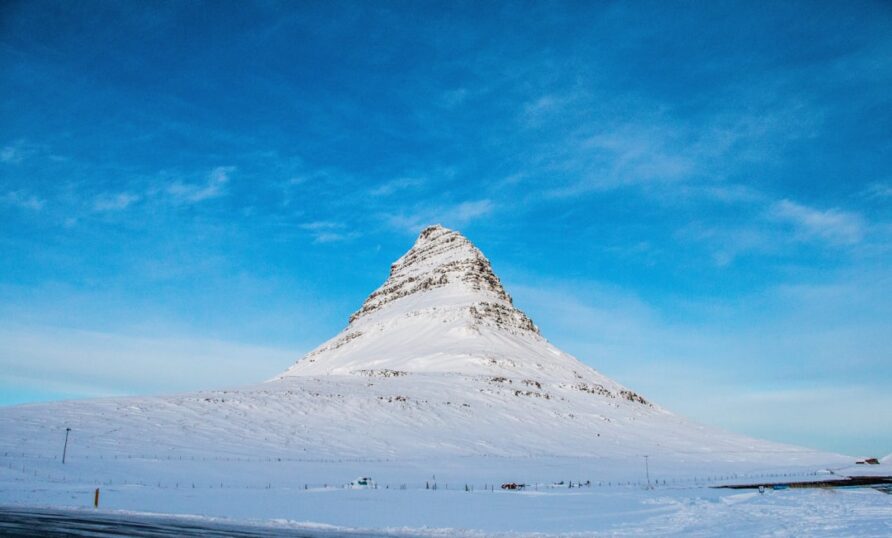
Many visitors also like to combine Silfra with a longer journey around West Iceland and the Westfjords. After your snorkeling adventure, you can head north and base yourself at Stykkishólmur Inn on the beautiful Snæfellsnes Peninsula. It’s a perfect spot for unwinding after a cold‑water experience: stroll the harbor, take in views of Breiðafjörður Bay, and explore nearby attractions like Kirkjufell and Snæfellsjökull National Park. The contrast between the underwater world of Silfra and the dramatic coastal scenery of Snæfellsnes makes for a memorable trip.

If you’re continuing even farther north, Ísafjörður Inn in the Westfjords offers a comfortable base in one of Iceland’s most scenic regions. After the intensity of snorkeling in Silfra’s icy water, the quiet fjords, steep mountains, and small‑town charm of Ísafjörður feel wonderfully peaceful. You can spend your days hiking, kayaking, or simply enjoying the views, knowing you’ve already ticked off one of Iceland’s most iconic adventures.

A few more tips for Silfra itself: listen carefully to your guide’s safety briefing, move slowly in the water to stay warm and avoid stirring up sediment, and take your time to look around rather than focusing only on photos. The colors of the rocks, the play of light, and the feeling of floating between the North American and Eurasian tectonic plates are what make Silfra special.

By planning ahead, dressing properly, and choosing comfortable places to stay like Hvítá Inn, Stykkishólmur Inn, and Ísafjörður Inn through Ourhotels.is, you can turn a single snorkeling tour into a well‑rounded Icelandic journey. Silfra will likely be the highlight—but the landscapes, small towns, and warm beds waiting for you at the end of each day are what make the whole experience unforgettable.

Kayaking Safety Tips in Iceland

Kayaking in Iceland is an unforgettable way to experience the country’s raw nature—quiet fjords, bird-filled cliffs, mirror-like bays, and glacier-fed rivers. But the same elements that make it magical also demand respect. Weather changes fast, water is cold year-round, and distances can be deceptive. With the right preparation and mindset, though, you can enjoy Iceland’s waters safely and comfortably.

Here are essential kayaking safety tips for Iceland, along with how staying at Ourhotels.is properties—Hvítá Inn in Borgarfjörður, Stykkishólmur Inn, and Ísafjörður Inn—can help you plan and enjoy your paddling adventures.

Iceland’s Conditions: Know What You’re Getting Into
Iceland is beautiful but unpredictable. Even in summer, air and water temperatures are low, and wind can pick up quickly.

– Expect cold water: Hypothermia is a real risk, even on calm days. Dress for the water, not just the air.
– Rapid weather changes: Sunshine can turn to fog, rain, or strong wind in minutes. Always assume conditions may worsen.
– Long daylight, short daylight: In summer, you may have nearly 24 hours of light; in winter, very few. Plan your trip length accordingly.

When you stay at Hvítá Inn, Stykkishólmur Inn, or Ísafjörður Inn, the staff can help you check local forecasts, tide tables, and conditions before you head out, so you’re not relying on guesswork.

Dress for the Water, Not the Weather
The most important safety rule for kayaking in Iceland: dress to stay warm and dry if you end up in the water.

– Wear a drysuit or high-quality wetsuit: A drysuit with thermal layers underneath is ideal for sea kayaking and river trips.
– Layer smart: Use moisture-wicking base layers and insulating mid-layers (like fleece or wool). Avoid cotton.
– Protect your extremities: Neoprene gloves or pogies, neoprene boots, and a warm hat or neoprene hood make a big difference.
– Bring a windproof outer layer: Even over a wetsuit, a windproof jacket helps cut the chill.

Ourhotels.is locations are perfect for drying and reorganizing your gear after a day on the water. At Hvítá Inn in Borgarfjörður, for example, you can come back from a chilly paddle, hang your gear to dry, and warm up in comfort before your next outing.

Always Wear a Properly Fitted PFD
A personal flotation device (PFD) is non-negotiable in Icelandic waters.

– Wear it at all times on the water, zipped and tightened.
– Make sure it fits snugly and doesn’t ride up when you lift your arms.
– Use PFDs with pockets to store essentials like a whistle, knife, and small light.

If you’re joining a guided tour near Stykkishólmur Inn or Ísafjörður Inn, your operator will usually provide a PFD. If you’re paddling independently, bring your own or rent from a reputable local outfitter.

Check Weather, Wind, and Tides Before You Launch
Conditions can change quickly, especially along the coast and in fjords.

– Check the forecast: Look at wind speed and direction, precipitation, and temperature.
– Watch the wind: Strong offshore winds can push you away from shore; strong onshore winds can create steep waves.
– Know the tides and currents: In areas like Breiðafjörður near Stykkishólmur, tidal currents can be strong and affect your route and timing.
– Have a “no-go” threshold: Decide in advance what wind speed or wave height is too much for your skill level.

Staying at Stykkishólmur Inn puts you right by Breiðafjörður, one of Iceland’s most scenic kayaking areas. Before you head out, you can check conditions online, then confirm with local operators or staff who know the area well.

Choose Routes That Match Your Skill Level
Iceland offers everything from calm, sheltered bays to challenging open-water crossings and glacial rivers. Be honest about your experience.

– Beginners: Start in sheltered fjords, bays, or calm river sections with a guide.
– Intermediate paddlers: Stick to coastal routes with easy landing spots and predictable conditions.
– Advanced paddlers: Only attempt long crossings or exposed coastlines if you have strong rescue skills and cold-water experience.

Hvítá Inn in Borgarfjörður is a great base if you’re interested in river kayaking or rafting on the Hvítá river or exploring nearby coastal areas. You can plan shorter, manageable trips and return to the inn each evening to rest and review your next day’s route.

Never Paddle Alone
Solo kayaking in Iceland is risky, even for experienced paddlers.

– Paddle with at least one partner, ideally more.
– Stay within visual and shouting distance of each other.
– Practice group communication signals before you launch.

If you’re traveling alone and want to kayak, consider joining a guided tour. From Stykkishólmur Inn and Ísafjörður Inn, there are often local operators offering group trips that combine safety, local knowledge, and great scenery.

Carry Essential Safety and Communication Gear
In cold, remote environments, the right gear can make all the difference.

On your person (not just in the kayak):
– Whistle and signal mirror
– Waterproof VHF radio or mobile phone in a waterproof case
– Small headlamp or strobe light
– Knife and basic first-aid items
– Energy snacks

In your kayak (in dry bags):
– Spare warm clothing and extra gloves/hat
– Emergency blanket or bivy sack
– Tow line and spare paddle
– Pump and sponge (for sit-inside kayaks)
– Simple repair kit (duct tape, cable ties, etc.)

At Ísafjörður Inn, you’re in the heart of the Westfjords, where distances between settlements can be long and conditions can be more remote. Having proper communication gear and a clear emergency plan is especially important here.

Know Basic Rescue Techniques
Before you venture far from shore, you should be comfortable with:

– Wet exits: Getting out of your kayak safely if you capsize.
– Self-rescue: Re-entering your kayak using a paddle float or other method.
– Assisted rescues: Helping a partner back into their kayak.
– Rafting up: Holding kayaks together for stability in rough water.

If you’re not confident with these skills, book a short skills course or choose guided trips. Many operators near Stykkishólmur and Ísafjörður offer instruction combined with sightseeing.

Respect Wildlife and the Environment
Iceland’s waters are home to seabirds, seals, and sometimes whales. Enjoy them without disturbing their natural behavior.

– Keep a respectful distance from nesting birds and seal haul-outs.
– Avoid sudden movements or loud noises near wildlife.
– Follow “leave no trace” principles: pack out all trash and avoid damaging fragile shorelines.

From Stykkishólmur Inn, you can explore the island-dotted Breiðafjörður, known for its rich birdlife. A respectful approach ensures these places remain pristine for future visitors.

Plan Your Day Around Safety and Comfort
A safe kayaking trip in Iceland is also about pacing yourself and having a comfortable base to return to.

– Start early: Mornings often have calmer winds and more stable conditions.
– Set turnaround times: Decide when you’ll head back, regardless of how far you’ve gone.
– Build in rest days: Use days with poor weather to relax, explore on land, or soak in hot pools.

This is where Ourhotels.is comes in. Using Hvítá Inn, Stykkishólmur Inn, and Ísafjörður Inn as your “home bases” in West Iceland and the Westfjords lets you:

– Adjust plans easily based on weather
– Store and dry your gear between outings
– Get local tips on safe routes, guides, and conditions
– Enjoy a hot shower, good sleep, and a hearty breakfast before your next paddle

Using Ourhotels.is as Your Kayaking Hub in West Iceland
Ourhotels.is connects you with comfortable, well-located inns that make kayaking trips smoother and safer:

– Hvítá Inn (Borgarfjörður, near Borgarnes): Ideal for river adventures on the Hvítá and exploring the west coast and inland valleys.
– Stykkishólmur Inn: Perfect for sea kayaking in Breiðafjörður, with its countless islands, birdlife, and sheltered waters.
– Ísafjörður Inn: A great base for exploring the dramatic fjords of the Westfjords, where experienced paddlers can find some of Iceland’s most spectacular routes.

By planning your trip around these three locations, you can experience a variety of kayaking environments—rivers, sheltered bays, and deep fjords—while always having a reliable, warm place to return to.

Kayaking in Iceland can be as safe as it is spectacular when you respect the elements, prepare properly, and choose the right base. With thoughtful planning and the support of comfortable stays like Hvítá Inn, Stykkishólmur Inn, and Ísafjörður Inn through Ourhotels.is, you can focus on what you came for: gliding quietly through Iceland’s wild, unforgettable waters.

River Rafting Safety Tips

River rafting in West Iceland is one of those experiences that stays with you for life: glacial rivers, dramatic canyons, and that perfect mix of adrenaline and pure, wild nature. Whether you’re staying at Hvítá Inn in Borgarfjörður, Stykkishólmur Inn on the Snæfellsnes Peninsula, or Ísafjörður Inn in the Westfjords, you’re never far from some of Iceland’s most exciting rafting opportunities. But before you grab a paddle, it’s worth knowing how to stay safe on the water.

Below are essential river rafting safety tips, along with how Ourhotels.is can help you plan a safe, memorable adventure.

River rafting safety starts before you get on the water
The most important safety decisions happen long before you sit in the raft.

• Choose a reputable tour operator
Always book with licensed, experienced rafting companies that operate within Icelandic safety regulations. Look for guides with swift-water rescue training and strong local knowledge of the river’s conditions. If you’re staying at Hvítá Inn, Stykkishólmur Inn, or Ísafjörður Inn, the staff can recommend trusted local partners and help you compare options.

• Pick the right difficulty level
Rivers are graded by difficulty (Class I–VI). Beginners and families usually enjoy Class II–III, which offer fun waves and splashes without extreme technical challenges. If you’re unsure which level suits you, ask your guide or the reception at your Ourhotels.is accommodation—they can help match your experience and comfort level to the right tour.

• Check the weather and river conditions
Iceland’s weather changes quickly, and that affects river levels, water temperature, and visibility. Before you book, and again before you go, check the forecast. Local guides will make the final call on whether it’s safe to run the river, but it helps to be aware. Staff at Hvítá Inn, Stykkishólmur Inn, and Ísafjörður Inn can provide up-to-date local weather information and help you adjust your plans if needed.

Wear the right gear—and wear it correctly
Proper equipment is your first line of defense on the river.

• Helmet and life jacket (PFD)
Never get into a raft without a certified helmet and a properly fitted personal flotation device. Your guide will provide them, but it’s your responsibility to wear them correctly and keep them fastened at all times. Ask for help if anything feels loose or uncomfortable.

• Wetsuit or drysuit
Icelandic rivers are cold, often fed by glaciers. A wetsuit or drysuit is essential to help maintain body temperature if you fall in. Most tour operators include these in the price. Make sure your suit fits snugly but still allows you to move freely.

• Appropriate clothing underneath
Wear moisture-wicking base layers (wool or synthetic) under your suit. Avoid cotton—it stays wet and cold. Bring warm socks (preferably wool) and a change of clothes to leave in the tour company’s vehicle or at your hotel.

• Secure footwear
Closed-toe water shoes or sturdy sandals with straps are ideal. Avoid flip-flops or anything that can slip off easily. If you’re unsure what to bring, ask at your Ourhotels.is reception when you check in; they can give you a simple packing list based on the tour you’ve booked.

Listen to your guide—and follow instructions
Your guide is your safety leader on the river.

• Pay attention to the safety briefing
Before you launch, your guide will explain paddling commands, how to sit in the raft, what to do if you fall in, and how rescues work. This is not the time to zone out or chat. If anything is unclear, ask questions before you get on the water.

• Learn and remember the basic commands
Common commands include “forward paddle,” “back paddle,” “stop,” and “get down.” React quickly and in unison with your team. Good communication and fast responses are key to staying upright and in control.

• Respect the guide’s judgment
If your guide decides to skip a rapid, change the route, or even cancel due to conditions, it’s for safety reasons. Icelandic rivers can change rapidly with rain, snowmelt, and wind. Trust their experience.

Know what to do if you fall in
Falling into the river can be startling, but it doesn’t have to be dangerous if you know what to do.

• Stay calm and keep breathing
The cold water can trigger a gasp reflex. Focus on steady breathing and remember that your life jacket is designed to keep you afloat.

• Float on your back, feet downstream
If you’re in fast-moving water, lie on your back with your feet pointing downstream and your toes up. This helps you see where you’re going and protects your legs from rocks.

• Hold onto your paddle if you can
If it’s safe, keep your paddle with you—it makes it easier for the guide to pull you back in. But if holding the paddle makes it harder to swim or stay calm, let it go. Your safety comes first.

• Listen for instructions and look for the raft
Your guide will shout directions or signal where to swim. Aim for the raft or an eddy (a calmer area of water near the riverbank). Never stand up in fast, shallow water, as your foot could get trapped between rocks.

Stay warm and protect your health
Cold water and cool air temperatures mean you need to think about more than just the rapids.

• Watch for signs of hypothermia
Shivering, numbness, confusion, and slurred speech can be signs of hypothermia. If you or someone in your group feels unusually cold or disoriented, tell your guide immediately.

• Hydrate and eat well
Even in cold weather, rafting is physical. Drink water before and after your trip, and eat a good meal. If you’re staying at Hvítá Inn, Stykkishólmur Inn, or Ísafjörður Inn, plan your rafting around a hearty breakfast or dinner so you’re fueled and ready.

• Protect your skin and eyes
Even on cloudy days, UV reflection from water can be strong. Use waterproof sunscreen and consider wearing sunglasses with a secure strap.

Be honest about your abilities and health
Your safety—and the safety of the group—depends on accurate information.

• Share medical conditions
If you have heart issues, asthma, recent injuries, or other medical conditions, let the tour operator know in advance. They can advise whether the trip is suitable or suggest a gentler option.

• Don’t underestimate the river
Even “easy” sections can be challenging if you’re nervous, not a strong swimmer, or new to outdoor activities. It’s better to start with a milder trip and work your way up than to jump into something too advanced.

• Avoid alcohol and drugs
Never raft under the influence. It impairs judgment, slows reaction time, and increases risk for everyone in the boat.

How Ourhotels.is helps you raft safely in West Iceland
Staying with Ourhotels.is puts you in the heart of some of Iceland’s best rafting regions, with local support to keep your adventure safe and smooth.

• Hvítá Inn – Borgarfjörður (near Borgarnes)
The Hvítá river is one of Iceland’s classic rafting destinations, known for its beautiful canyon scenery and fun, accessible rapids. From Hvítá Inn, you’re perfectly placed to join guided tours on this river. The staff can help you:

– Choose a reputable rafting company
– Arrange transport to and from the river
– Check weather and river conditions
– Plan your day so you can warm up afterward with a hot shower, a meal, and a relaxing evening

• Stykkishólmur Inn – Snæfellsnes Peninsula
While Stykkishólmur is better known for its islands and coastal views, it’s also a great base for exploring nearby rivers and adventure activities. From Stykkishólmur Inn, you can:

– Get recommendations for trusted rafting operators in West Iceland
– Combine rafting with other activities like sea tours, hiking, or visiting Snæfellsjökull National Park
– Return to a cozy, comfortable room after a day on the water and road

• Ísafjörður Inn – Westfjords
The Westfjords are wilder and more remote, with dramatic landscapes and fewer crowds. While rafting options here may be more limited and seasonal, Ísafjörður Inn is an excellent base for:

– Getting up-to-date local advice on which adventure tours are running safely
– Planning multi-day itineraries that combine rafting (where available) with kayaking, hiking, or fjord exploration
– Enjoying a quiet, restorative stay after intense outdoor days

Plan your rafting adventure with confidence
River rafting in West Iceland can be both thrilling and safe when you prepare properly, listen to your guides, and respect the power of the water. By staying at Hvítá Inn, Stykkishólmur Inn, or Ísafjörður Inn through Ourhotels.is, you gain not only a comfortable place to rest, but also local knowledge and support to help you choose the right tour and stay safe from start to finish.

When you’re ready to plan your trip, explore Ourhotels.is, pick your base in West Iceland, and let the rivers—and the experts—do the rest.