Digital Detox Tips in Iceland

Escaping constant notifications and endless scrolling is easier when you’re surrounded by glaciers, fjords and quiet fishing villages instead of traffic and to‑do lists. Iceland is one of the best places in the world for a digital detox, and the west of the country offers exactly the kind of calm, spacious landscapes that make it natural to switch off.

If you’re planning a trip to reset your mind and reduce screen time, here are some practical digital detox tips in Iceland – and how staying with Ourhotels.is can help you actually follow through.

Start your detox in Borgarfjörður – slow down by the river Hvítá
Borgarfjörður is a gentle introduction to the Icelandic countryside: green valleys, powerful rivers and historic sites, all within easy reach of Reykjavík. It’s the perfect first stop to put your phone away and breathe.

Base yourself at Hvítá Inn in Borgarfjörður, just a short drive from Borgarnes. Surrounded by open fields and mountain views, it naturally nudges you to look out the window instead of at a screen. Use this area to:

– Take “offline walks” along the river: leave your phone in your room and follow the paths by the Hvítá river. Focus on the sound of the water and the changing light instead of trying to capture the perfect photo.
– Visit hot springs and waterfalls without rushing: nearby attractions like Deildartunguhver hot spring and Hraunfossar and Barnafoss waterfalls are ideal for slow, mindful visits. Give yourself a rule: no social media until the evening, if at all.
– Create a simple morning ritual: at Hvítá Inn, start the day with a quiet breakfast, a notebook and a map instead of your phone. Plan your day on paper – it’s surprisingly calming.

Move to the sea in Stykkishólmur – let the fjord set the pace
Stykkishólmur, on the Snæfellsnes Peninsula, is a charming harbor town with colorful houses and wide views over Breiðafjörður Bay. It’s small, walkable and peaceful – exactly what you want for a digital detox in Iceland.

Staying at The Stykkishólmur Inn with Ourhotels.is puts you right in the heart of this calm coastal atmosphere. To deepen your detox here:

– Replace scrolling with sea views: sit by the harbor or climb up to Súgandisey lighthouse and simply watch the boats and birds. Give yourself 20–30 minutes with no devices – just the sound of the wind and the waves.
– Take a low‑tech boat tour: explore the islands of Breiðafjörður and focus on the experience instead of your camera roll. Take a few photos at the start, then put your phone away and enjoy the silence and birdlife.
– Walk the town at dusk: Stykkishólmur is especially peaceful in the evening. Wander the streets, listen to your footsteps on the old wooden sidewalks and notice the details of the houses and harbor lights.

Go further west to Ísafjörður – where the fjords do the unplugging for you
If you truly want to get away from it all, the Westfjords are ideal. Ísafjörður, the region’s main town, is surrounded by steep mountains and deep fjords that naturally make you feel far from everyday life.

At Ísafjörður Inn, you’re close to the harbor, the mountains and the quiet streets of town. This is where your digital detox in Iceland can go from “trying” to “living it”:

– Embrace limited connectivity: some areas in the Westfjords have weaker mobile signal – use this as a feature, not a bug. Let yourself be unreachable for a few hours while you hike or explore nearby fjords.
– Hike with intention: choose a simple trail above Ísafjörður or take a day trip to nearby villages like Suðureyri or Flateyri. Keep your phone on airplane mode and pay attention to your breath, the crunch of gravel and the smell of the sea.
– Read, write, rest: bring a book or journal and spend an evening at Ísafjörður Inn without TV or social media. Reflect on your trip, write down what you’re grateful for and notice how your mind slows down.

Practical digital detox tips for your Iceland trip
Wherever you stay with Ourhotels.is – Hvítá Inn, The Stykkishólmur Inn or Ísafjörður Inn – these simple strategies make it easier to disconnect:

– Set clear “offline hours”: decide in advance when you’ll be offline each day (for example, from breakfast until dinner). Tell friends or family before you travel so you don’t feel pressured to respond instantly.
– Use airplane mode as your default: keep your phone on airplane mode and only turn data on briefly once or twice a day to check essential messages or maps.
– Bring analog backups: a paper map, printed booking confirmations and a small notebook reduce the need to constantly unlock your phone.
– Turn your camera into a tool, not a distraction: take a few photos, then put your phone away. You’ll remember more from what you actually saw than from what you tried to capture.
– Replace screens with simple rituals: morning walks, evening tea, reading, stargazing or watching the midnight sun (in summer) are all easy, screen‑free pleasures in Iceland.
– Travel light on apps: uninstall or log out of social media before you arrive. Keep only what you truly need for navigation and communication.

Why west Iceland is perfect for a digital detox
The west and Westfjords regions combine accessibility with real remoteness. In one trip you can:

– Ease into the countryside at Hvítá Inn in Borgarfjörður
– Slow down by the sea at The Stykkishólmur Inn
– Completely unwind among dramatic fjords at Ísafjörður Inn

Ourhotels.is connects these places into a natural digital detox route through Iceland. Each inn offers comfortable, straightforward accommodation that keeps the focus on what’s outside your window: rivers, mountains, harbors and wide Icelandic skies.

If you’re looking for a way to reset, reduce stress and come home feeling genuinely refreshed, consider planning your own digital detox journey through west Iceland with Ourhotels.is – and let the landscape do most of the work for you.
Visiting Iceland With a Drone

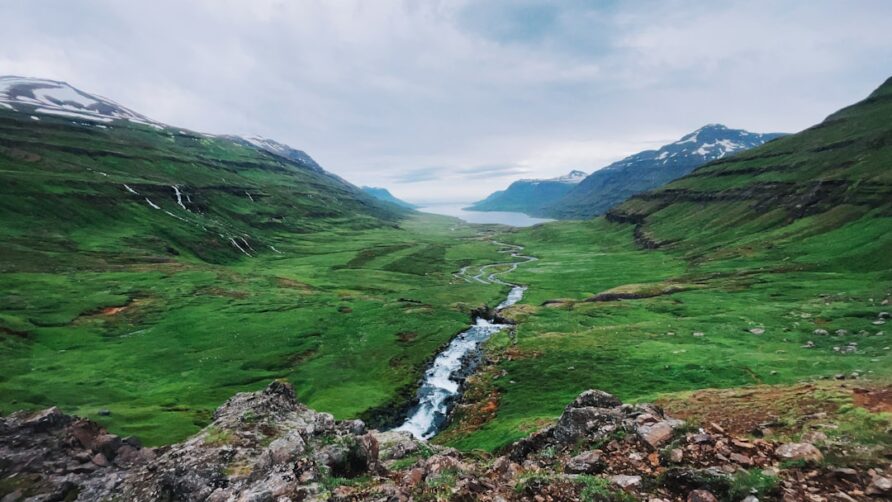
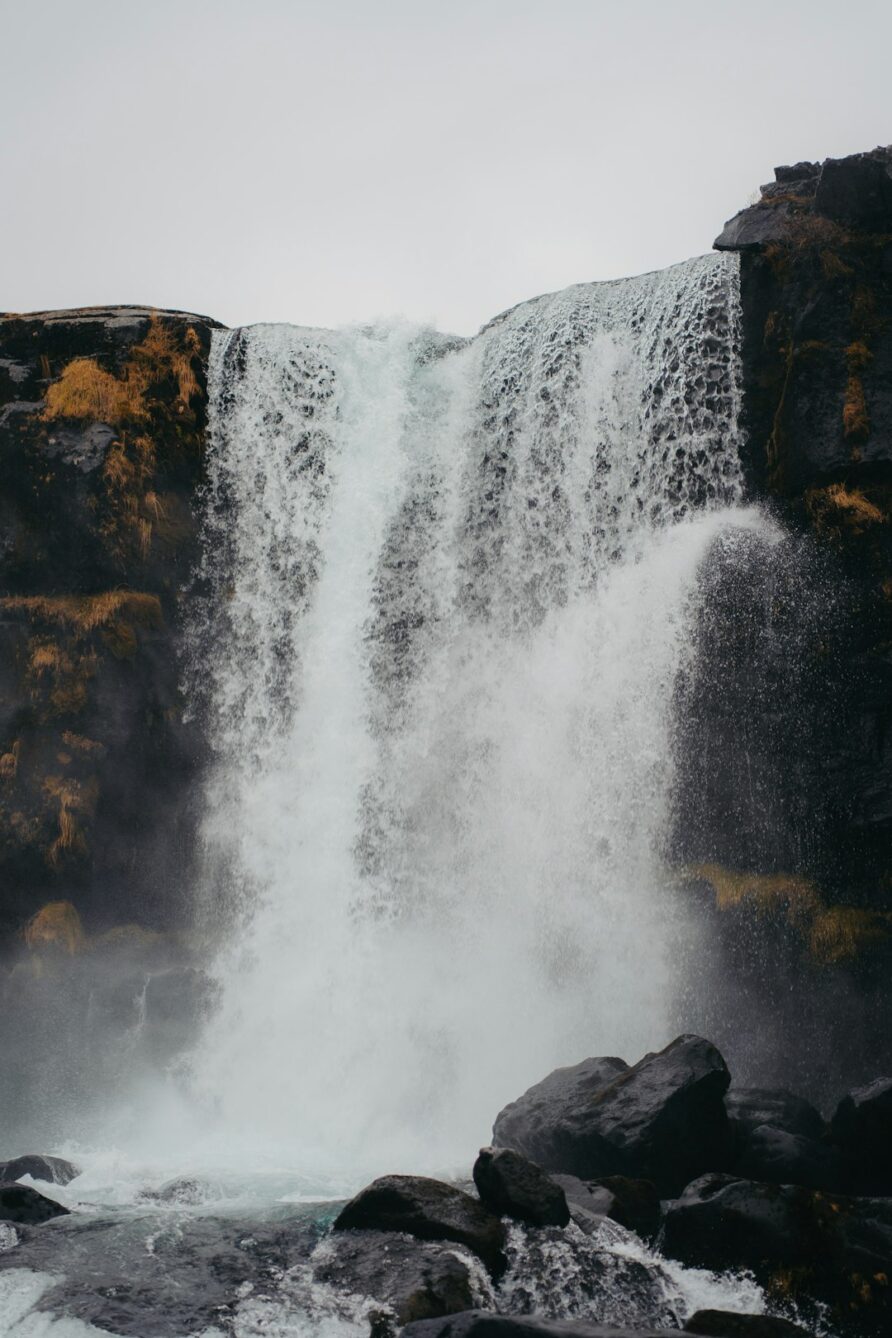
Visiting Iceland with a drone is one of the most rewarding ways to experience the country’s dramatic landscapes. From black sand beaches and glacier-carved fjords to lava fields and waterfalls, Iceland looks like it was made to be seen from above. If you’re planning to bring your drone, a little preparation—and the right base for each region—will help you capture incredible footage while staying safe and legal.

Ourhotels.is offers comfortable, well-located inns in some of the most photogenic areas of West and Northwest Iceland, making it easy to explore with your drone: Hvítá Inn in Borgarfjörður (near Borgarnes), Stykkishólmur Inn on the Snæfellsnes Peninsula, and Ísafjörður Inn in the Westfjords.

Before you fly, it’s important to know that Iceland has clear drone regulations. You must respect no-fly zones (such as around airports and some protected areas), keep a safe distance from people and buildings, and avoid disturbing wildlife. Always check the latest rules from the Icelandic Transport Authority and local signage at popular nature sites. Many of Iceland’s most famous attractions are shared spaces, so flying early in the morning or later in the evening is often the best way to avoid crowds and get smooth, cinematic footage.

Borgarfjörður is a fantastic first stop for drone enthusiasts. Staying at Hvítá Inn places you within easy reach of rivers, waterfalls, and wide-open valleys that are perfect for aerial photography. The Hvítá river itself, with its winding course through farmland and lava fields, looks especially impressive from above. From this base, you can explore nearby sights like Hraunfossar and Barnafoss, where the contrast of blue glacial water and dark lava makes for striking drone shots—always keeping a safe distance and following local guidelines. The gentle landscapes around Borgarnes and Borgarfjörður are also ideal if you’re newer to flying and want to practice in less extreme terrain.

From there, the Snæfellsnes Peninsula offers some of the most diverse scenery in Iceland in a relatively compact area. Stykkishólmur Inn is a convenient base for exploring this region with your drone. The town of Stykkishólmur itself, with its colorful houses, harbor, and surrounding islands, looks beautiful from the air. Within driving distance you’ll find dramatic coastlines, sea cliffs, and iconic mountains. When conditions allow and regulations permit, you can capture sweeping views of lava fields, beaches, and the Snæfellsjökull glacier area. The peninsula’s constantly changing weather and light can give your footage a cinematic feel, especially at sunrise and sunset.

For more remote and rugged drone adventures, the Westfjords are hard to beat. Ísafjörður Inn places you in the heart of one of Iceland’s most dramatic fjord landscapes. The steep mountains, narrow fjords, and small fishing villages are made for aerial perspectives. From above, you can see how the town of Ísafjörður sits on a spit of land surrounded by towering peaks and deep blue water. The region’s winding roads, hidden coves, and high plateaus offer countless opportunities for unique shots, as long as you respect local rules and avoid flying near nesting birds or sensitive wildlife areas, which are common in this part of Iceland.

Weather is a key factor when visiting Iceland with a drone. Strong winds, sudden rain, and low clouds are common, especially in coastal and fjord areas. One advantage of staying with Ourhotels.is is having a comfortable base to wait out bad weather and plan your flights around the best conditions. Use breaks in the weather to your advantage: low clouds over mountains, fresh snow on peaks, or a calm evening after a storm can all create unforgettable aerial scenes. Always check the forecast and be prepared to cancel a flight if conditions look unsafe.

Battery management is another practical consideration. Cold temperatures can reduce battery life, so it’s wise to keep batteries warm and plan shorter flights. The central locations of Hvítá Inn, Stykkishólmur Inn, and Ísafjörður Inn make it easy to return, recharge, and head out again to new locations. Many guests use their inn as a daily hub: scouting locations by car, flying during the best light, then coming back to review footage and plan the next day’s route.

Respect for nature and local communities is essential when flying a drone in Iceland. Avoid flying directly over people, livestock, or private property without permission, and keep noise to a minimum in quiet natural areas. If you’re staying at one of the Ourhotels.is properties, the staff can often point you toward scenic spots nearby and advise you on local customs and practical tips, such as where parking is easiest or which areas are less crowded at certain times of day.

By combining thoughtful planning with comfortable, well-situated accommodation, visiting Iceland with a drone becomes far more than a photography trip—it becomes a deeper way to experience the country’s landscapes. Using Hvítá Inn as your gateway to Borgarfjörður, Stykkishólmur Inn as your base on the Snæfellsnes Peninsula, and Ísafjörður Inn as your launchpad into the Westfjords, you can create a route that showcases some of the most spectacular aerial views in Iceland. With each region offering its own character and scenery, your drone footage will tell the story of a journey through some of the wildest and most beautiful corners of the country.

Traveling Iceland Plastic-Free

Traveling through Iceland’s wild Westfjords and coastlines is unforgettable—and doing it plastic-free makes the experience even more meaningful. With a bit of planning and the right places to stay, it’s surprisingly easy to reduce waste while exploring glaciers, hot springs, and fishing villages. At Ourhotels.is, we’re committed to helping guests travel more sustainably, so you can enjoy Iceland’s beauty without leaving a trace.

One of the simplest ways to cut down on plastic is to bring a reusable water bottle. Iceland’s tap water is among the purest in the world, and you can safely drink it straight from the tap in all Ourhotels.is locations. Whether you’re staying at Hvítá Inn in Borgarfjörður, Stykkishólmur Inn on the Snæfellsnes Peninsula, or Ísafjörður Inn in the Westfjords, you’ll find fresh, cold water on tap—no need for single-use plastic bottles.

Start your journey in West Iceland at Hvítá Inn, just a short drive from Borgarnes. This cozy riverside inn is perfectly placed for exploring Borgarfjörður’s hot springs, lava fields, and waterfalls. Traveling plastic-free here can be as simple as packing a small tote bag for groceries and snacks, choosing local products with minimal packaging, and refilling your bottle before heading out on hikes. Ourhotels.is encourages guests to sort their waste and recycle, making it easier to keep your footprint small while you enjoy the surrounding nature.

From there, continue to Stykkishólmur Inn on the Snæfellsnes Peninsula. Stykkishólmur is a charming harbor town known for its colorful houses, sea views, and access to Breiðafjörður Bay. It’s also a great place to embrace low-waste travel. Visit local bakeries and cafés that serve food on real plates instead of in plastic containers, and bring your own reusable cup if you like to take coffee on the go. At Stykkishólmur Inn, Ourhotels.is focuses on simple, practical sustainability: encouraging guests to reuse towels, reduce unnecessary packaging, and support nearby restaurants and shops that share a similar mindset.

Further north, Ísafjörður Inn places you right in the heart of the dramatic Westfjords. This remote region is all about untouched landscapes, steep mountains, and quiet fishing villages. It’s the perfect setting to think carefully about what you bring—and what you leave behind. Pack a small set of reusables (cutlery, a lunch box, and a cloth napkin) so you can enjoy picnics on the fjord without relying on disposable plastics. Ísafjörður Inn and other Ourhotels.is properties make it easy to refill water, store food, and sort waste, so you can focus on the scenery instead of the trash bin.

Across all Ourhotels.is locations, the goal is to make plastic-free travel feel natural, not complicated. That means:

– Offering access to clean tap water so you can skip bottled water
– Providing information on local recycling and waste sorting
– Encouraging guests to support nearby businesses that avoid unnecessary plastic
– Keeping rooms simple and functional, with fewer single-use items

Traveling plastic-free in Iceland isn’t about perfection; it’s about making better choices, one step at a time. By choosing to stay at places like Hvítá Inn in Borgarfjörður, Stykkishólmur Inn, and Ísafjörður Inn, you’re already supporting a more sustainable way of exploring the country. With your reusable bottle, a few smart habits, and the right base from Ourhotels.is, you can experience Iceland’s west coast and Westfjords in a way that respects the land, the sea, and the communities that call this remarkable region home.

Eco-Safe Sunscreens for Iceland

Iceland’s wild landscapes, black sand beaches and geothermal pools are some of the most photogenic places on earth—but they’re also fragile. One of the simplest ways you can help protect them while you travel is by choosing eco-safe sunscreen.

At Ourhotels.is, we welcome guests who want to experience Iceland’s nature responsibly. Whether you’re staying at Hvítá Inn in Borgarfjörður, Stykkishólmur Inn on the Snæfellsnes Peninsula, or Ísafjörður Inn in the Westfjords, using reef‑ and river‑safe sunscreen is a small change that makes a big difference.

Why eco-safe sunscreen matters in Iceland
Most people associate reef-safe sunscreen with tropical coral reefs, but Iceland’s cold‑water ecosystems are just as sensitive. When you swim in geothermal pools, soak in hot tubs, or shower off sunscreen that then flows into rivers and the sea, certain chemicals can harm:

– Marine life and fish in fjords and coastal waters
– Algae and microorganisms that form the base of the food chain
– Delicate freshwater ecosystems in rivers and streams

Common sunscreen ingredients like oxybenzone, octinoxate, octocrylene and homosalate are known to be harmful to aquatic life. Choosing mineral, eco-safe formulas helps keep Iceland’s waters cleaner for wildlife and for future visitors.

What to look for in eco-safe sunscreen
When packing for your trip to Iceland and booking your stay with Ourhotels.is, look for sunscreens that are:

– Mineral-based: Use non-nano zinc oxide and/or titanium dioxide as the active ingredient
– “Reef-safe” or “ocean-friendly”: Check that this is backed up by an ingredient list, not just a marketing claim
– Free from: oxybenzone, octinoxate, octocrylene, homosalate, avobenzone, parabens and synthetic fragrances
– Water-resistant: So less product washes off into hot tubs, pools and the sea
– Broad spectrum SPF 30 or higher: Iceland’s UV index can be stronger than you expect, especially with reflection from snow, ice and water

Eco-safe sunscreen and your Iceland itinerary
You’ll be outdoors a lot in West Iceland and the Westfjords, even if the weather feels cool or cloudy. UV rays still reach your skin, and reflection from the ocean, glaciers and snow can intensify exposure.

– Around Hvítá Inn in Borgarfjörður (near Borgarnes):
Explore lava fields, rivers and waterfalls in the Borgarfjörður region, visit hot springs and walk along the Hvítá river. Apply eco-safe sunscreen before heading out, and reapply after bathing in geothermal pools so fewer chemicals enter the water.

– From Stykkishólmur Inn on Snæfellsnes:
Boat tours among the islands of Breiðafjörður, coastal hikes and sea kayaking are highlights here. Eco-safe sunscreen protects you on windy, overcast days when you might not feel the sun but still get burned, while helping keep the bay’s rich birdlife and marine life healthier.

– While staying at Ísafjörður Inn in the Westfjords:
The Westfjords are all about dramatic fjords, remote beaches and long days outdoors in summer. Whether you’re hiking, on a boat tour or relaxing in a hot tub after a day of exploring, mineral sunscreen reduces your impact on the pristine fjords and their wildlife.

How to use sunscreen responsibly in Iceland
To get the most protection with the least environmental impact:

– Apply 15–20 minutes before going outside so it absorbs and is less likely to wash off
– Use clothing as your first line of defense: long sleeves, hats, sunglasses and buffs
– Rinse off sweat and regular cosmetics before entering hot tubs and pools
– Avoid spraying sunscreen directly over water or on windy days where it can drift into rivers and the sea
– Reapply according to the instructions, especially after swimming or heavy rain

Ourhotels.is and responsible travel
Ourhotels.is is committed to making it easier for guests to travel responsibly in West Iceland and the Westfjords. At Hvítá Inn, Stykkishólmur Inn and Ísafjörður Inn, our teams are happy to share tips on local swimming spots, hot pools and outdoor activities—and how to enjoy them with minimal environmental footprint.

By choosing eco-safe sunscreen, refilling your water bottle, and respecting local nature guidelines, you help keep Iceland’s landscapes and waters as pure as you imagined them. When you plan your stay with Ourhotels.is, you’re not just booking a room; you’re supporting a style of travel that protects the very places you’ve come to see.

How to Use Public Changing Rooms

Using public changing rooms can feel a bit awkward—especially when you’re traveling in a new country—but with a few simple tips, it becomes easy, comfortable, and respectful for everyone. In Iceland, you’ll find public changing rooms in swimming pools, hot springs, gyms, and some outdoor activity centers, and if you stay with Ourhotels.is, you’ll likely use a few of them during your trip in West Iceland.

Public changing rooms are designed to be practical and efficient. In Iceland, they are usually separated by gender, with clear signs at the entrance. Inside, you’ll find benches, lockers, showers, and often a small area for drying or doing your hair. Before you enter, it’s a good idea to have your swimsuit, towel, and toiletries easily accessible in your bag so you don’t have to unpack everything in the changing area.

One of the most important rules in Icelandic changing rooms is hygiene. Before entering any pool or hot tub, you are expected to shower thoroughly without your swimsuit. This is standard practice in Iceland and is taken seriously to keep the water clean and reduce the need for chemicals. You’ll usually see signs showing which areas of the body to wash carefully—hair, armpits, feet, and swimsuit area. Use the provided soap, rinse well, and only then put on your swimsuit. It might feel unusual if you’re not used to it, but everyone does it, and people are generally relaxed and respectful.

Privacy is handled a bit differently from country to country. In many Icelandic changing rooms, there are open shower areas and shared spaces, though some places offer a few private cubicles or more discreet corners. If you prefer more privacy, try to choose a quieter time of day or look for a stall or corner where you feel more comfortable. Keep your belongings close, use the lockers for valuables, and avoid spreading your things over too many benches so others have space as well.

Respecting others is key. Keep your voice at a normal level, avoid taking photos or using your phone in the changing area, and move efficiently so you don’t block walkways or showers. If you’re traveling with children, help them follow the same rules: shower properly, keep the noise down, and be mindful of others’ personal space. If you’re unsure about anything, it’s perfectly fine to observe what locals do or politely ask a staff member.

When you stay at Hvítá Inn in Borgarfjörður, close to Borgarnes, you’re perfectly placed to visit some of the region’s pools and hot tubs, many of which have traditional Icelandic changing rooms. After a day exploring waterfalls, lava fields, and the beautiful Borgarfjörður countryside, you can unwind in a local pool like a true Icelander. Knowing how to use the changing rooms correctly makes the whole experience smoother and more enjoyable.

In Stykkishólmur, guests at The Stykkishólmur Inn can easily access local geothermal pools and sea-related activities. The town is known for its scenic harbor and views over Breiðafjörður Bay, and a relaxing soak is the perfect way to end a day of boat tours or coastal walks. Again, you’ll encounter public changing rooms that follow the same Icelandic etiquette: undress, shower thoroughly without your swimsuit, then dress in your swimwear before heading out to the pool or hot tub. By following these steps, you’ll blend in with the locals and help keep the facilities clean for everyone.

Farther north and west, Ísafjörður Inn places you in the heart of the Westfjords, where outdoor adventures are part of everyday life. After hiking, kayaking, or exploring remote fjords, a visit to a local pool or hot tub is almost a ritual. Public changing rooms here work just like elsewhere in Iceland, and understanding the routine—locker, undress, shower, swimsuit, then pool—means you can focus on relaxing instead of worrying about what to do next.

A few practical tips can make using public changing rooms even easier during your stay with Ourhotels.is. Bring a small bag for your swimsuit, towel, and flip-flops so you can move around comfortably. Have a coin or card ready if the lockers require payment, and keep a lightweight travel towel if you prefer something that dries quickly. If you have long hair, consider bringing a hair tie or cap, as many pools appreciate it when guests keep hair out of the water.

For travelers who feel shy about nudity, it can help to remember that Icelanders are very used to this routine and generally don’t pay attention to others in the changing room. Everything is practical rather than showy. Move with purpose, focus on your own routine, and you’ll likely find that any discomfort fades quickly. If you truly prefer more privacy, you can look for quieter times of day—early morning or late evening often works well.

By understanding how to use public changing rooms, you’ll get much more out of Iceland’s bathing culture. From the countryside charm around Hvítá Inn in Borgarfjörður, to the coastal beauty near The Stykkishólmur Inn, to the wild landscapes surrounding Ísafjörður Inn, Ourhotels.is connects you with some of the best pools and hot springs in West Iceland. With a little knowledge and respect for local customs, you can step confidently into any changing room, then step out into warm, geothermal water and enjoy one of the most relaxing parts of Icelandic life.

Iceland Thermal Spa Tips

Iceland’s geothermal pools and hot springs are more than a bucket‑list attraction – they’re a way of life. Whether you’re soaking under the midnight sun or watching snowflakes melt on the surface of a steaming pool, a little preparation goes a long way. Here are practical Iceland thermal spa tips to help you relax like a local, with ideas on where to stay nearby with Ourhotels.is.

Iceland Thermal Spa Etiquette: Do It the Local Way
Before you slip into any hot pool in Iceland, you’ll notice one thing: everyone showers thoroughly, without a swimsuit, before entering. This is non‑negotiable and one of the most important spa rules in Iceland.

– Shower naked with soap: Focus on hair, armpits, feet and swimsuit area. This keeps the water clean and pleasant for everyone.
– Rinse off again after: A quick shower after your soak helps remove minerals and any remaining chlorine.
– Respect the quiet: Many thermal baths are social, but people still speak softly. Keep phones away from the water and avoid loud calls.
– Follow pool signs: Different pools have different temperatures. Start with the cooler ones and work your way up.

What to Pack for Iceland’s Hot Springs
You don’t need much, but having the right items makes your spa visit smoother:

– Swimsuit: Dark colors are best; light fabrics can stain slightly from minerals.
– Quick‑dry towel: Some spas rent towels, but bringing your own saves money and time.
– Flip‑flops or sandals: Changing‑room floors and outdoor paths can be cold and wet.
– Hair tie and conditioner: Tie long hair up to keep it out of the water; use conditioner after to combat dryness.
– Refillable water bottle: Geothermal pools are hot – staying hydrated is essential.
– Waterproof pouch: Handy for locker keys or small valuables.

Health & Safety Tips for Hot Pools
Iceland’s hot water is powerful. A few simple precautions keep your experience safe and relaxing:

– Check the temperature: Most public pools are regulated, but natural hot springs can have very hot spots. Test the water slowly with your hand or foot.
– Limit your time: Start with 10–15 minutes at a time, especially in hotter pools. Take breaks to cool down.
– Stay hydrated: Drink water before and after your soak; avoid too much alcohol.
– Mind the weather: In winter, wear a hat and robe or coat to and from the pool. The air can be freezing even if the water is warm.
– Watch your step: Rocks around natural springs can be slippery; walk carefully and use marked paths.

Choosing Between Public Pools, Spas, and Natural Hot Springs
Iceland offers three main types of geothermal experiences:

– Local swimming pools: Affordable, family‑friendly, and very authentic. You’ll find hot tubs, steam rooms, and often waterslides.
– Geothermal spas: Designed for relaxation, often with beautiful views, saunas, and quiet zones.
– Natural hot springs: Wild and scenic, but with minimal facilities. Always follow local guidance and never enter water that isn’t clearly safe.

Where to Stay for Great Spa Access in West and North‑West Iceland

Ourhotels.is offers comfortable, well‑located inns that make it easy to explore some of Iceland’s best geothermal areas in the west and along the north‑west coast.

Hvítá Inn – Gateway to Borgarfjörður’s Hot Springs
Hvítá Inn in Borgarfjörður, close to Borgarnes, is perfectly placed for exploring some of West Iceland’s most beautiful hot water experiences.

From Hvítá Inn you can:
– Visit nearby local pools: Enjoy classic Icelandic hot tubs, steam rooms, and swimming lanes with mountain views.
– Combine hot springs with waterfalls: Borgarfjörður is home to Hraunfossar and Barnafoss, and the region is rich in geothermal activity.
– Relax after a day of adventure: Soak in a nearby pool, then return to the comfort of Hvítá Inn for a quiet evening in the countryside.

Stykkishólmur Inn – Soaking with Ocean Views on the Snæfellsnes Peninsula
The Stykkishólmur Inn places you in one of Iceland’s most picturesque coastal towns on the Snæfellsnes Peninsula, a region known for dramatic landscapes and calm, authentic spa experiences.

Staying at Stykkishólmur Inn, you can:
– Enjoy local pools with sea air: Relax in hot tubs while breathing in crisp North Atlantic air and watching the changing light over the islands.
– Combine spa time with sightseeing: Explore Snæfellsnes’ black beaches, cliffs, and lava fields, then unwind in the warm water in the evening.
– Experience small‑town Iceland: Walk from the inn to the harbor, restaurants, and pools, making your spa day simple and stress‑free.

Ísafjörður Inn – Hot Pools in the Heart of the Westfjords
For a more remote and dramatic setting, Ísafjörður Inn in the Westfjords offers access to some of Iceland’s most memorable hot water experiences.

From Ísafjörður Inn you can:
– Discover remote hot pools: The Westfjords are dotted with natural and man‑made geothermal pools with incredible fjord views.
– Warm up after outdoor adventures: After hiking, kayaking, or exploring the rugged coastline, a hot soak is the perfect way to end the day.
– Enjoy a slower pace: Ísafjörður is peaceful and scenic, and returning to Ísafjörður Inn after an evening soak feels like coming home.

Practical Tips for a Smooth Spa Day in Iceland
– Check opening hours: Many pools and spas have different winter and summer schedules.
– Bring a payment card: Most places are cashless.
– Use the lockers: Don’t leave valuables unattended; use the secure lockers provided.
– Respect nature: At natural springs, stay on marked paths, pack out all trash, and never use soap in the water.
– Book ahead for popular spas: Some geothermal spas require reservations, especially in high season.

Making the Most of Your Stay with Ourhotels.is
By basing yourself at Hvítá Inn near Borgarnes, Stykkishólmur Inn on the Snæfellsnes Peninsula, or Ísafjörður Inn in the Westfjords, you can turn your Iceland trip into a true thermal spa journey. Each inn offers easy access to local pools and hot springs, comfortable rooms, and a relaxed atmosphere that fits perfectly with slow, restorative travel.

Plan your route around Iceland’s geothermal treasures, pack your swimsuit and towel, and let the hot water do the rest. With Ourhotels.is as your base, you’ll be perfectly placed to enjoy Iceland’s thermal spas like a local – warm, relaxed, and surrounded by unforgettable scenery.

Iceland Petting Zoo Etiquette

Visiting a petting zoo in Iceland is a wonderful way to meet the country’s friendliest residents—sheep, horses, goats, rabbits, and sometimes even more unusual farm animals. But to keep both you and the animals safe and happy, it’s important to follow a few simple etiquette guidelines. Whether you’re staying at Hvítá Inn in Borgarfjörður, Stykkishólmur Inn on the Snæfellsnes Peninsula, or Ísafjörður Inn in the Westfjords, this guide will help you enjoy Iceland’s petting zoos respectfully and responsibly.

Icelanders are proud of their animals and the land they live on. Many petting zoos here are small, family-run farms that open their doors to visitors. That means you’re often stepping into someone’s home and livelihood, not just a tourist attraction. Always read and follow posted signs, and if you’re unsure about anything, ask the staff or farmer before you act.

One of the most important rules is to let the animals come to you. Icelandic animals are generally calm and curious, but they can be startled by sudden movements, loud noises, or people rushing toward them. Stand quietly, hold out your hand slowly, and allow the animal to decide if it wants to approach. This is especially important with Icelandic horses, which are gentle but still large and powerful. Never run, shout, or chase animals, and keep children close and calm.

Feeding is another key part of petting zoo etiquette in Iceland. Never feed an animal anything that hasn’t been approved or provided by the staff. Human snacks, bread, and random treats can make animals sick, even if they seem eager to eat them. Many Icelandic petting zoos will sell small bags of appropriate feed—use only that, and follow the instructions on how much to give. Overfeeding can be just as harmful as giving the wrong food.

Touching and petting should always be done with care. Approach from the side where the animal can see you, and start by gently offering the back or shoulder rather than going straight for the face or head. Avoid sensitive areas like ears, tails, and legs unless the staff specifically says it’s okay. If an animal moves away, flicks its tail, pins its ears back, or seems restless, give it space. Respecting their boundaries is part of being a good guest.

Hygiene is important for both you and the animals. Use hand sanitizer or wash your hands before and after touching animals, especially if you’re visiting more than one farm in a day. This helps prevent the spread of germs between animals and keeps you healthier too. Many petting zoos in Iceland provide handwashing stations—use them, and encourage children to do the same.

Clothing and footwear matter more than many visitors expect. Iceland’s weather can change quickly, and petting zoos are often muddy, grassy, or uneven. Wear sturdy, closed-toe shoes and clothes you don’t mind getting a bit dirty. If you’re traveling between regions—say, from Hvítá Inn in Borgarfjörður to Stykkishólmur Inn or Ísafjörður Inn—cleaning your shoes between farm visits can help prevent spreading soil-borne issues from one area to another.

Photography is welcome in most Icelandic petting zoos, but it should never come at the expense of the animals’ comfort. Turn off flash, avoid sticking cameras or phones directly in animals’ faces, and don’t corner an animal just to get a better shot. If you’re visiting with children, remind them that the animals are not props; they’re living beings that deserve kindness and patience.

Many guests staying at Ourhotels.is properties use their hotel as a base for exploring local farms and petting zoos. From Hvítá Inn in Borgarfjörður, you’re perfectly placed to visit family farms in the Borgarnes area, where you can meet Icelandic sheep and horses in a peaceful countryside setting. The staff can often point you toward small, authentic places that aren’t crowded but welcome respectful visitors.

Stykkishólmur Inn, on the Snæfellsnes Peninsula, is another excellent starting point. This region is known for its dramatic landscapes and traditional farming culture. After a day of exploring lava fields and coastal cliffs, many guests enjoy a calmer experience at a nearby petting zoo, where they can learn about local breeds and rural life. Following good etiquette ensures these farms remain happy to receive visitors year after year.

Farther north and west, Ísafjörður Inn in the Westfjords offers access to some of Iceland’s most remote and unspoiled areas. Here, small farms and petting zoos often operate on a very personal scale. You might find yourself talking directly with the farmer who cares for the animals you’re meeting. Being polite, asking before you touch or feed, and showing genuine interest in their work goes a long way in creating a memorable, positive experience for everyone.

Noise levels are another part of good manners. Iceland’s countryside is known for its quiet, and animals are sensitive to sound. Keep voices moderate, avoid playing loud music or videos on your phone, and remind children that whispering or speaking softly helps keep the animals relaxed. This calmer atmosphere also makes the experience more enjoyable and authentic for you.

Respect for property is just as important as respect for animals. Stay on marked paths, don’t climb fences or gates, and never enter barns, sheds, or fields without permission. Gates in Iceland are often left in a specific position for a reason—if you must pass through one, always leave it exactly as you found it. This simple habit helps prevent animals from escaping and keeps the farm running smoothly.

If you’re unsure about anything—how to approach a horse, whether it’s okay to pick up a rabbit, or where you’re allowed to walk—ask. Icelandic hosts are generally friendly and happy to explain the best way to interact with their animals. At Ourhotels.is properties, the reception teams at Hvítá Inn, Stykkishólmur Inn, and Ísafjörður Inn can also help you choose reputable petting zoos and give you up-to-date local advice.

Finally, remember that your visit is part of a larger picture. By following good petting zoo etiquette, you help support animal welfare, protect local livelihoods, and ensure that future travelers can enjoy the same warm, authentic experiences. When you return to your room at Hvítá Inn, Stykkishólmur Inn, or Ísafjörður Inn after a day of meeting Iceland’s animals, you’ll know you’ve done your part to be a considerate guest in this unique country.

If you’re planning a trip to West Iceland, the Snæfellsnes Peninsula, or the Westfjords, consider using Ourhotels.is as your base. From there, you can explore nearby petting zoos and farms with confidence, knowing how to interact with Iceland’s animals in a way that’s safe, respectful, and truly memorable.

How to Stretch Safely on Long Drives

Long drives across West Iceland can be magical—glaciers on the horizon, sweeping fjords, and tiny churches dotting the landscape—but they can also be tough on your body. Hours behind the wheel can leave your neck stiff, your lower back tight, and your legs feeling heavy. With a few simple, safe stretches (and some well‑timed breaks), you can arrive at your destination feeling refreshed and ready to explore.

Whether you’re road‑tripping from Reykjavík to Borgarfjörður, circling the Snæfellsnes Peninsula, or heading all the way to the Westfjords, these tips will help you stretch safely on long drives—and enjoy a more comfortable journey between Ourhotels.is locations like Hvítá Inn, Stykkishólmur Inn, and Ísafjörður Inn.

Long drives and your body: why stretching matters
When you sit for long periods, your hip flexors shorten, your hamstrings tighten, and your circulation slows. This can lead to:

– Stiff neck and shoulders
– Lower back pain
– Tight hips and hamstrings
– Swollen or heavy legs and feet

On Icelandic roads, where distances between towns can be long, planning regular stretch breaks is as important as planning fuel stops. Think of stretching as part of your travel safety routine—just like checking the weather and road conditions.

How often should you stop to stretch?
A good rule of thumb is to stop every 60–90 minutes for 5–10 minutes of gentle movement. In Iceland, this often lines up naturally with scenic viewpoints, small towns, or your next hotel.

For example, if you’re driving from Reykjavík towards the west:

– Break 1: Near Borgarfjörður – perfect timing to stop at **Hvítá Inn** by the river, close to Borgarnes, for a stretch and a coffee.
– Break 2: Around the Snæfellsnes Peninsula – pause in Stykkishólmur and unwind at **Stykkishólmur Inn** after exploring the harbor.
– Break 3: On the way to the Westfjords – when you finally reach **Ísafjörður Inn**, a short stretching routine in your room can help your body recover from the winding fjord roads.

Safe stretching basics for drivers

To stretch safely on long drives, keep these principles in mind:

1. Warm up first
Don’t jump straight into deep stretches after sitting still. Start with a short walk around the car park or hotel, roll your shoulders, and gently swing your arms and legs. This increases blood flow and makes stretching safer and more effective.

2. Stay gentle, not forceful
You should feel a mild to moderate stretch—never sharp pain. Ease into each stretch and hold it for 15–30 seconds. Breathe slowly and avoid bouncing.

3. Focus on key areas
Long drives especially tighten:
– Neck and shoulders
– Chest and upper back
– Hips and hip flexors
– Hamstrings and calves

4. Use your surroundings
You don’t need a gym. A parking area, a quiet roadside stop, or your room at an Ourhotels.is property is enough. A wall, a chair, or even the side of your car can help you balance.

Simple stretches you can do on the road

You can do many of these right outside your car or once you’ve checked into your hotel.

**1. Neck release (standing or seated)**
– Sit or stand tall.
– Gently tilt your right ear toward your right shoulder.
– Hold 15–20 seconds, breathing slowly.
– Repeat on the left side.
– For a deeper stretch, lightly place your hand on the side of your head (no pulling).

This is ideal after long stretches of concentrating on the road, especially when you arrive at **Hvítá Inn** after driving from Reykjavík.

**2. Shoulder and chest opener (using your car or a wall)**
– Stand tall and place your palm and forearm against the car door frame or a wall behind you.
– Gently turn your body away from that arm until you feel a stretch across your chest and front shoulder.
– Hold 20–30 seconds, then switch sides.

This helps counter the rounded posture of driving and is easy to do in the parking area at **Stykkishólmur Inn** after a day exploring Breiðafjörður’s islands.

**3. Seated spinal twist (great for hotel rooms)**
– Sit on the edge of a chair or bed with feet flat on the floor.
– Place your right hand on the outside of your left thigh.
– Gently twist your upper body to the left, looking over your left shoulder.
– Keep your spine tall; don’t force the twist.
– Hold 20–30 seconds, then switch sides.

This is a perfect way to unwind in your room at **Ísafjörður Inn** after navigating the dramatic fjord roads into town.

**4. Hip flexor stretch (for tight hips)**
– Stand and take a small step back with your right foot.
– Bend your front (left) knee slightly and tuck your pelvis under, as if you’re gently pulling your tailbone forward.
– You should feel a stretch at the front of your right hip.
– Hold 20–30 seconds, then switch legs.
– Use the car or a wall for balance if needed.

Hours of sitting shorten the hip flexors; this stretch is especially helpful after the drive from Borgarnes to Stykkishólmur or Ísafjörður.

**5. Hamstring stretch (using a low step or curb)**
– Place one heel on a low step, rock, or curb.
– Keep your leg straight but not locked, and your toes pointing up.
– Hinge forward slightly from your hips (not your back) until you feel a stretch along the back of your thigh.
– Keep your back straight; avoid rounding your shoulders.
– Hold 20–30 seconds, then switch legs.

You can do this safely in a parking area or on a quiet path near **Hvítá Inn** by the river.

**6. Calf stretch (against a wall or car)**
– Stand facing a wall or your car, hands resting on it.
– Step one foot back, keeping the heel on the ground and the back leg straight.
– Bend your front knee slightly and lean forward until you feel a stretch in the back calf.
– Hold 20–30 seconds, then switch legs.

This is especially useful if you’ve been using the pedals for hours on Iceland’s winding roads.

Stretching at Ourhotels.is: turning breaks into mini‑wellness moments

One of the advantages of driving in West Iceland is that your overnight stops can double as recovery time. At **Ourhotels.is**, you’ll find comfortable bases that make it easy to stretch, rest, and recharge between driving days.

– **Hvítá Inn (Borgarfjörður, near Borgarnes)**
Located by the Hvítá river, this inn is a peaceful stop after leaving Reykjavík. Use the open outdoor spaces for a short walk and a few stretches before checking in. The calm surroundings make it easy to loosen up after your first leg of the journey.

– **Stykkishólmur Inn (Snæfellsnes Peninsula)**
After a day of exploring the peninsula’s beaches, lava fields, and fishing villages, Stykkishólmur Inn offers a cozy place to unwind. A gentle stretching routine in your room or a short stroll around the harbor can help your muscles recover before the next day’s drive.

– **Ísafjörður Inn (Westfjords)**
The drive into the Westfjords is one of Iceland’s most spectacular—and most demanding—routes, with curves and climbs that keep you alert. When you arrive at Ísafjörður Inn, take 10–15 minutes to stretch your hips, back, and legs. You’ll sleep better and wake up ready to explore the town and surrounding fjords on foot.

Extra tips for staying comfortable on long Icelandic drives

Alongside stretching, a few simple habits can make a big difference:

– Adjust your seat so your knees are slightly lower than your hips and your back is supported.
– Keep your shoulders relaxed and avoid leaning forward toward the wheel.
– Stay hydrated—dehydration can worsen muscle stiffness and fatigue.
– Pack a light jacket or layer so you can comfortably stretch outside, even if the wind picks up.
– Use your overnight stays at Ourhotels.is as natural “reset points” for your body: stretch, walk, and rest properly before the next leg.

Arrive ready to explore

Long drives don’t have to leave you sore and exhausted. With regular breaks, gentle stretching, and comfortable overnight stops at places like **Hvítá Inn**, **Stykkishólmur Inn**, and **Ísafjörður Inn**, you can turn your journey through West Iceland into a healthier, more enjoyable experience.

Plan your route, build in stretch stops, and let Ourhotels.is be your base as you explore the west—arriving at each destination relaxed, refreshed, and ready for the next adventure.

Best Rest Stops in Iceland

Driving around Iceland isn’t just about getting from point A to point B – the journey itself is the experience. Between lava fields, waterfalls, glaciers and fjords, you’ll want to stop often, stretch your legs, and soak in the views. Choosing the right rest stops can turn a long drive into a memorable road trip, especially in West Iceland and the Westfjords.

Here are some of the best rest stops in Iceland, with a special focus on comfortable, well-located places to pause, recharge and even stay the night – including three welcoming options from Ourhotels.is: Hvítá Inn in Borgarfjörður, Stykkishólmur Inn on the Snæfellsnes Peninsula, and Ísafjörður Inn in the Westfjords.

Iceland’s Ring Road and West Iceland: Where to Stop
The Ring Road (Route 1) circles the island and is the main route for most travelers. West Iceland is one of the easiest regions to reach from Reykjavík, yet it still feels wild and remote once you leave the city behind. As you drive north and west, rest stops become more than just gas stations – they’re your chance to experience local food, small towns, and authentic Icelandic hospitality.

In this part of the country, the best rest stops often combine:
– A scenic location
– Access to services (fuel, food, toilets)
– Nearby attractions worth a short detour
– Comfortable accommodation if you decide to break up the drive

Borgarfjörður & Hvítá Inn – Your Perfect First Stop from Reykjavík
About an hour and a half from Reykjavík, Borgarfjörður is one of the most rewarding early stops on a westbound road trip. This region is known for its rivers, hot springs, and historic sites, and it’s an ideal place to pause after leaving the capital.

Hvítá Inn, part of Ourhotels.is, sits in the Borgarfjörður area, close to Borgarnes, and makes an excellent rest stop or overnight base. It’s far enough from Reykjavík that you feel you’ve truly started your journey, yet close enough to be an easy first leg of your trip.

Why Hvítá Inn is a great rest stop in Iceland:
– Location: Conveniently placed near the main route north, with easy access to Borgarnes and the surrounding countryside.
– Comfort: A calm, friendly inn where you can relax, enjoy a proper bed, and reset before heading deeper into West Iceland or towards the Westfjords.
– Nearby attractions: From Hvítá Inn you can explore Deildartunguhver (Europe’s most powerful hot spring), the historic site of Reykholt, and the stunning Hraunfossar and Barnafoss waterfalls – all perfect short excursions between driving days.

If you’re planning to drive the Snæfellsnes Peninsula or continue north, staying at Hvítá Inn breaks the journey into manageable segments and gives you a taste of rural Iceland right at the start of your trip.

Stykkishólmur & Stykkishólmur Inn – Rest Stop on the Snæfellsnes Peninsula
The Snæfellsnes Peninsula is often called “Iceland in Miniature” because it has a bit of everything: volcanoes, black sand beaches, dramatic cliffs, and charming fishing villages. Stykkishólmur, on the northern side of the peninsula, is one of the most picturesque towns in Iceland and a natural rest stop for anyone exploring this region.

Stykkishólmur Inn, from Ourhotels.is, is ideally located for travelers who want to slow down and enjoy the town and its surroundings.

Why Stykkishólmur Inn is one of the best rest stops in West Iceland:
– Scenic harbor town: Stykkishólmur is known for its colorful houses, beautiful harbor, and views over Breiðafjörður Bay. It’s a perfect place to stretch your legs, walk the harbor, and take photos.
– Gateway to Breiðafjörður: From here you can join boat tours among the islands, go birdwatching, or simply enjoy the sea air before continuing your drive.
– Comfortable base: Stykkishólmur Inn offers a cozy place to rest after a day of exploring Snæfellsnes – whether you’ve been hiking near Snæfellsjökull glacier, visiting Kirkjufell mountain, or driving the peninsula’s coastal roads.

If you’re traveling between West Iceland and the Westfjords, Stykkishólmur is also a strategic stop, especially if you’re taking the ferry Baldur across Breiðafjörður. Staying at Stykkishólmur Inn lets you time your journey around the ferry schedule and avoid long, tiring driving days.

Ísafjörður & Ísafjörður Inn – Essential Rest Stop in the Westfjords
The Westfjords are one of Iceland’s most remote and dramatic regions, with winding roads, steep fjords, and endless viewpoints. Driving here is unforgettable, but it can also be demanding, especially in changing weather. That makes good rest stops even more important.

Ísafjörður is the largest town in the Westfjords and the natural hub for travelers in this region. Ísafjörður Inn, part of Ourhotels.is, is a welcoming place to pause, refuel, and explore.

Why Ísafjörður Inn is a key rest stop in the Westfjords:
– Central location: From Ísafjörður you can reach many of the Westfjords’ highlights, including the dramatic fjords around Súðavík and Flateyri, and the remote roads leading toward Dynjandi waterfall.
– Services and comfort: After hours of driving along fjord edges and mountain passes, Ísafjörður Inn offers a comfortable bed, hot shower, and a chance to unwind in a town with restaurants, shops, and local culture.
– Base for day trips: Instead of packing and unpacking every night, you can use Ísafjörður Inn as a base for day trips deeper into the Westfjords, returning each evening to rest and plan the next day’s route.

For anyone driving from West Iceland into the Westfjords, combining a stay at Hvítá Inn or Stykkishólmur Inn with a later stop at Ísafjörður Inn creates a natural rhythm to your journey: drive, explore, rest, repeat.

What Makes a Good Rest Stop in Iceland?
When planning your Iceland road trip, especially in the west and northwest, look for rest stops that offer more than just fuel. The best stops usually include:
– Safe, easy parking
– Access to toilets and food
– Scenic surroundings or nearby attractions
– Comfortable accommodation if you’re breaking up a long drive

Ourhotels.is focuses on exactly this kind of experience in West Iceland and the Westfjords. Hvítá Inn, Stykkishólmur Inn, and Ísafjörður Inn are all positioned to help you travel at a relaxed pace, enjoy the landscapes, and avoid exhausting, rushed days on the road.

Planning Your Route with Ourhotels.is
If you’re designing a west and northwest Iceland itinerary, you can easily build it around these three key rest stops:

– Reykjavík → Borgarfjörður: Stay at Hvítá Inn to explore waterfalls, hot springs, and historic sites.
– Borgarfjörður → Snæfellsnes: Continue to Stykkishólmur Inn as your base for the peninsula and Breiðafjörður.
– Snæfellsnes → Westfjords: Head north to Ísafjörður Inn for fjords, mountains, and some of Iceland’s wildest scenery.

By spacing your journey with these comfortable, well-located inns from Ourhotels.is, you turn necessary breaks into highlights of your trip. Instead of just stopping for fuel, you’ll be resting in places that showcase the best of West Iceland and the Westfjords – making every leg of your drive part of the adventure.

Understanding Iceland Fuel Prices

Understanding Iceland Fuel Prices: What Travelers Need to Know

Planning a road trip in West Iceland is one of the best ways to experience the country’s dramatic landscapes, hot springs, and charming fishing villages. But before you hit the road, it’s important to understand how fuel prices work in Iceland—so you can budget wisely and enjoy the journey without surprises.

Fuel in Iceland is generally more expensive than in many other countries. This is due to a combination of factors: import costs, taxes, and the country’s relatively small market. Prices can change frequently, sometimes even daily, and they vary slightly between stations and regions. Most fuel stations display prices clearly at the pump, and many are self-service and unmanned, especially in rural areas.

In Iceland, fuel is sold by the liter, and you’ll typically find two main types: gasoline (bensín) and diesel (dísel). If you’re renting a car, always double-check which type your vehicle uses—putting in the wrong fuel can be a costly mistake. Many travelers are surprised by how quickly fuel costs add up, especially when driving long distances between attractions, so it’s wise to factor this into your travel budget from the start.

One of the most important tips for driving in West Iceland is to plan your refueling stops. In and around Reykjavík, fuel stations are frequent, but as you head into the countryside, they become more spread out. It’s a good habit to top up your tank when it drops to around half full, particularly in winter or when driving in the Westfjords and on the Snæfellsnes Peninsula. Most stations accept credit and debit cards, but some unmanned pumps require a card with a PIN, so make sure you have one available.

If you’re staying with Ourhotels.is, you’ll find that our locations are well placed for convenient refueling and exploring. At Hvítá Inn in Borgarfjörður, close to Borgarnes, you’re in an ideal spot to fuel up before heading north or west. Borgarnes has several fuel stations, making it a practical base for day trips to Hraunfossar, Deildartunguhver, and the surrounding countryside. Our staff at Hvítá Inn can point you to the nearest stations and help you estimate driving times and fuel needs for your planned routes.

On the Snæfellsnes Peninsula, The Stykkishólmur Inn offers a comfortable base in one of Iceland’s most picturesque coastal towns. Stykkishólmur has fuel stations in town, which is especially convenient if you’re driving the full loop of the peninsula or catching the ferry across Breiðafjörður. Because distances between small villages can be longer than they appear on the map, it’s smart to fill up in Stykkishólmur before setting off to explore places like Kirkjufell, Snæfellsjökull National Park, and the remote coastal viewpoints.

Further north and west, Ísafjörður Inn places you in the heart of the Westfjords, a region known for its dramatic fjords, steep mountain roads, and sparse services. Fuel stations are fewer here, and weather conditions can change quickly, so careful planning is essential. Ísafjörður itself has fuel stations, and it’s wise to fill your tank before driving out to more remote areas like Súðavík, Flateyri, or Bolungarvík. The team at Ísafjörður Inn can help you check road conditions, suggest scenic routes, and advise on where to refuel along the way.

To keep fuel costs manageable, consider a few simple strategies. Choose a fuel-efficient rental car if possible, especially if you’re traveling long distances. Drive smoothly and within speed limits—not only is this safer on Iceland’s often narrow and winding roads, but it also reduces fuel consumption. In winter, allow extra time rather than trying to rush; slower, steady driving is both safer and more economical. Some fuel companies offer discount cards or apps that can slightly reduce the price per liter, so it may be worth asking your rental company or checking with locals.

Staying informed is key. Fuel prices in Iceland are easy to check online, and many Icelandic websites and apps list current prices by station. Before you set off from your accommodation, a quick check can help you decide where and when to fill up. At Ourhotels.is properties like Hvítá Inn, The Stykkishólmur Inn, and Ísafjörður Inn, our staff are used to helping self-drive guests and can share up-to-date local knowledge about fuel, road conditions, and travel times.

Understanding Iceland’s fuel prices and planning around them will make your West Iceland road trip smoother, safer, and more enjoyable. With comfortable bases at Ourhotels.is—whether you’re exploring the waterfalls and valleys near Borgarfjörður, the coastal beauty of Stykkishólmur, or the wild fjords around Ísafjörður—you can focus on the adventure, knowing you’re well prepared every time you set out on the road.