Motorcycle Travel Tips in Iceland

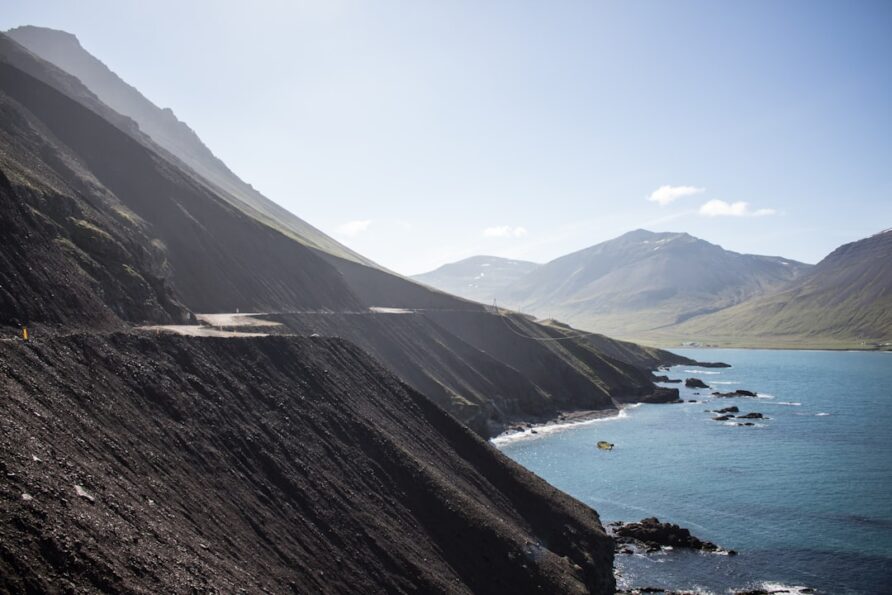
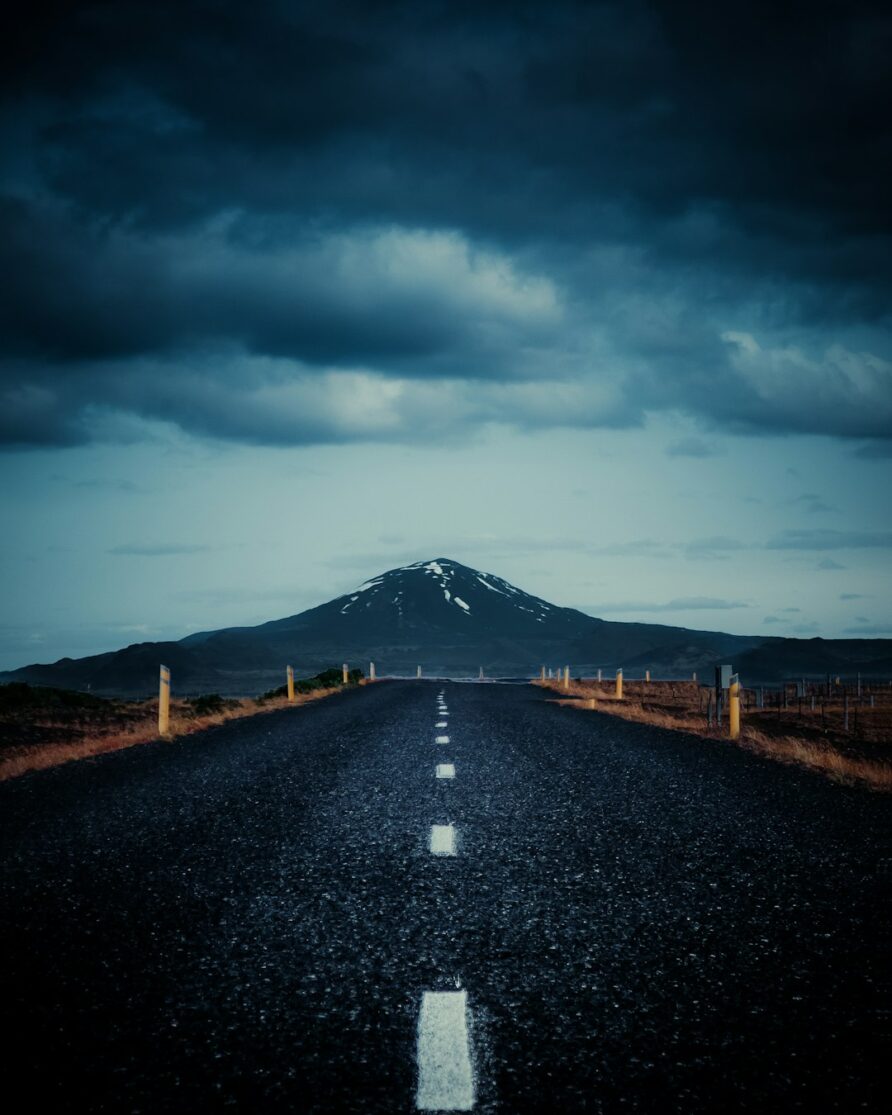
Riding a motorcycle through Iceland is one of the most unforgettable ways to experience the country’s raw nature—towering mountains, black sand beaches, roaring waterfalls, and endless coastal views. The West and Westfjords regions are especially rewarding for bikers: quieter roads, dramatic fjords, and charming fishing towns that feel a world away from the crowds.

To help you plan a smooth and safe journey, here are practical motorcycle travel tips for Iceland, with a special focus on exploring the west and staying comfortably along the way with Ourhotels.is at Hvítá Inn in Borgarfjörður, Stykkishólmur Inn, and Ísafjörður Inn.

### 1. Plan Your Route Around Icelandic Conditions

Iceland’s weather and road conditions can change quickly, especially in the west and the Westfjords. Before you set off each day:

– Check road conditions on **road.is**
– Check weather forecasts on **vedur.is**
– Allow extra time for wind, rain, or gravel sections

If you’re riding from Reykjavík into West Iceland, Borgarfjörður is a natural first stop. **Hvítá Inn**, part of Ourhotels.is, is located close to Borgarnes and makes an ideal base for exploring the region’s waterfalls, hot springs, and lava fields before you continue north or west.

### 2. Choose the Right Motorcycle and Gear

For Iceland, especially if you’re heading into the Westfjords, a touring or adventure bike with good suspension is ideal. Many roads are paved, but you’ll also encounter gravel, potholes, and occasional rough patches.

Essential gear includes:

– A high-quality, waterproof riding suit
– Layered thermal clothing (weather can drop quickly)
– Heated grips or heated gloves if possible
– A full-face helmet with anti-fog visor
– Waterproof boots and over-gloves

Even in summer, temperatures can be cool, especially near the coast or at higher elevations. Having a comfortable, warm base to return to each night—like **Stykkishólmur Inn** on the Snæfellsnes Peninsula or **Ísafjörður Inn** in the Westfjords—makes a big difference after a long day in the saddle.

### 3. Understand Icelandic Roads: Paved vs. Gravel

In West Iceland and the Westfjords, you’ll ride a mix of:

– **Paved roads (asphalt)** – Smooth and scenic, especially around Borgarfjörður and the main routes to Stykkishólmur.
– **Gravel roads** – Common in the Westfjords and on some side roads. Ride slower, keep a relaxed grip, and avoid sudden braking or sharp steering.

If you’re new to gravel, practice on a short stretch near your accommodation before tackling longer sections. For example, you can base yourself at **Hvítá Inn** and explore nearby roads to get comfortable before heading further into more remote areas.

### 4. Fuel and Food: Plan Ahead

In the more remote parts of West Iceland and the Westfjords, fuel stations and restaurants can be far apart. To avoid stress:

– Fill up whenever you pass a gas station, especially before heading into the Westfjords.
– Carry snacks and water on the bike.
– Plan your day around known fuel stops.

Staying in well-located inns helps you start each day with a full tank and a full stomach. With Ourhotels.is, you can:

– Use **Hvítá Inn** as a base when exploring Borgarfjörður, Hraunfossar, Deildartunguhver, and the surrounding countryside.
– Stay at **Stykkishólmur Inn** to enjoy the charming harbor town of Stykkishólmur, with easy access to restaurants, services, and the Snæfellsnes Peninsula.
– Overnight at **Ísafjörður Inn** in the heart of the Westfjords, where you can refuel, rest, and prepare for some of Iceland’s most spectacular coastal rides.

### 5. Respect the Weather and the Wind

Wind is one of the biggest challenges for motorcyclists in Iceland. Gusts can be strong, especially on open stretches, bridges, and coastal roads.

– Check wind forecasts before riding.
– If winds are very strong, consider delaying your departure.
– Ride at a speed where you feel fully in control.

Having flexible accommodation plans helps. With several Ourhotels.is locations in the west, you can adjust your route and stay an extra night if the weather turns, rather than pushing on in unsafe conditions.

### 6. Pack Smart and Travel Light

Space is limited on a motorcycle, so pack only what you need:

– Base layers, mid-layers, and one warm outer layer
– Quick-dry clothing for evenings
– Compact rain gear (even if your suit is waterproof)
– A small first-aid kit and basic tools

Because **Hvítá Inn**, **Stykkishólmur Inn**, and **Ísafjörður Inn** all offer comfortable rooms and facilities, you don’t need to carry camping gear or heavy extras. This keeps your bike lighter and your ride more enjoyable.

### 7. Ride Safely Around Icelandic Animals

In rural West Iceland and the Westfjords, you’ll often see sheep near or on the road, especially in summer.

– Slow down when you see animals near the roadside.
– Expect that lambs may suddenly run across the road to follow their mother.
– Be extra cautious on blind hills and corners.

The scenic routes around Borgarfjörður, Stykkishólmur, and Ísafjörður are beautiful but can be unpredictable. A relaxed pace not only keeps you safe but also lets you fully enjoy the views.

### 8. Make the Most of West Iceland and the Westfjords

Motorcycling in this part of Iceland is about more than just the ride—it’s about the places you stop and the people you meet. Consider this natural flow:

1. **Start in West Iceland – Hvítá Inn (Borgarfjörður area)**
Use Hvítá Inn as your first base outside Reykjavík. From here you can explore:
– Hraunfossar and Barnafoss waterfalls
– Deildartunguhver hot spring
– Historic sites and lava fields in Borgarfjörður

2. **Head to the Snæfellsnes Peninsula – Stykkishólmur Inn**
Ride north to Stykkishólmur and stay at Stykkishólmur Inn. This charming town is perfect for:
– Exploring the Snæfellsnes Peninsula by bike
– Enjoying local seafood and harbor views
– Taking shorter day rides without heavy luggage

3. **Continue to the Westfjords – Ísafjörður Inn**
From Snæfellsnes, make your way into the Westfjords and base yourself at Ísafjörður Inn. From here you can:
– Ride some of Iceland’s most dramatic fjord roads
– Visit nearby villages and viewpoints
– Experience the unique atmosphere of Iceland’s remote northwest

By linking these three Ourhotels.is locations, you create a natural, scenic motorcycle route through some of Iceland’s most impressive landscapes, with comfortable, biker-friendly stops each night.

### 9. Book Accommodation in Advance (Especially in Summer)

The riding season in Iceland is relatively short, and popular areas can book up quickly. To avoid last-minute stress:

– Reserve your rooms ahead of time, especially in June–August.
– Plan your daily distances realistically—don’t underestimate how often you’ll want to stop for photos.

Booking with **Ourhotels.is** at Hvítá Inn, Stykkishólmur Inn, and Ísafjörður Inn gives you a clear structure for your trip while still leaving room for spontaneous detours and extra stops.

### 10. Enjoy the Journey, Not Just the Destination

Motorcycling in Iceland is about the feeling of being out in the elements, surrounded by mountains, ocean, and endless sky. Take your time:

– Stop often for photos and short walks.
– Soak in local hot pools when you can.
– Talk to locals and other travelers at your inns in the evening.

With comfortable, well-located stays at **Hvítá Inn**, **Stykkishólmur Inn**, and **Ísafjörður Inn**, you can focus on what matters most: the ride, the scenery, and the experience of exploring Iceland on two wheels.

For a smoother, more enjoyable motorcycle adventure in West Iceland and the Westfjords, plan your route, respect the conditions, and let Ourhotels.is be your home on the road.

Bicycle Touring Tips for Iceland

Bicycle touring in Iceland is one of the most rewarding ways to experience the country’s raw nature, coastal villages, and wide‑open landscapes. The West of Iceland is especially well suited for bike travelers: quieter roads, dramatic fjords, and plenty of places to rest, recharge, and explore. If you’re planning a cycling trip here, a bit of preparation goes a long way—both for comfort and safety.

Below are practical bicycle touring tips for Iceland, with a special focus on the west coast and how to use comfortable bases like Ourhotels.is properties to structure your route.

Iceland’s weather and when to go
The main cycling season in Iceland runs from late May to early September. In West Iceland, this is when you’ll find:

– Milder temperatures (often 8–15°C / 46–59°F)
– Long daylight hours (near‑midnight sun in June and July)
– More services open in small towns

Even in summer, weather changes quickly. Expect sun, wind, rain, and fog—sometimes in the same day. Always check the forecast (vedur.is) and road conditions (road.is) before you set out, and build flexibility into your itinerary. Using fixed, comfortable overnight stops like Hvítá Inn, Stykkishólmur Inn, and Ísafjörður Inn makes it easier to adjust your daily distances to the weather.

Choosing the right bike and gear
For West Iceland, a touring bike or gravel bike with sturdy tires (32–40 mm or wider) is ideal. You’ll encounter a mix of paved roads and occasional gravel stretches, especially if you explore side roads and viewpoints.

Key gear to bring:
– Waterproof panniers and a dry bag for electronics
– Full rain gear (jacket, pants, shoe covers, and good gloves)
– Layered clothing: base layer, insulating mid‑layer, windproof outer layer
– Front and rear lights (essential in fog and low visibility)
– Repair kit: spare tubes, multi‑tool, chain lube, patches, and a pump

Because services can be spaced out, carry extra snacks and at least one full day of food in case you face strong headwinds or decide to shorten your riding day.

Planning your route in West Iceland
West Iceland offers a great mix of manageable distances and spectacular scenery. A smart strategy is to plan your route around comfortable, bike‑friendly accommodations so you can ride light and sleep well.

A sample structure using Ourhotels.is properties:

1. Hvítá Inn – Gateway to Borgarfjörður
Located close to Borgarnes, Hvítá Inn is a perfect starting or early stop on a West Iceland cycling route. From here you can:
– Explore the Borgarfjörður region with its rivers, hot springs, and lava fields
– Ride scenic loops without heavy luggage, returning to the same cozy base
– Stock up in Borgarnes and plan your next leg toward the Snæfellsnes Peninsula

Staying at Hvítá Inn gives you a comfortable launchpad before heading into more remote stretches, and it’s easy to adjust your daily distance depending on weather and energy levels.

2. Stykkishólmur Inn – On the Snæfellsnes Peninsula
Stykkishólmur is one of the most charming towns in Iceland, and Stykkishólmur Inn makes an ideal mid‑tour stop. From here you can:
– Ride coastal routes with views of Breiðafjörður’s countless islands
– Take lighter day trips around the northern Snæfellsnes Peninsula
– Enjoy restaurants, a harbor walk, and services that are welcome after long days in the saddle

Using Stykkishólmur Inn as a base lets you experience the peninsula in depth without carrying all your gear every day. You can plan out‑and‑back rides or loops, returning to a warm bed and hot shower each night.

3. Ísafjörður Inn – Heart of the Westfjords
For experienced cyclists, continuing to the Westfjords is an unforgettable adventure. Ísafjörður is the region’s main town, and Ísafjörður Inn is a strategic place to rest and regroup. From here you can:
– Tackle classic Westfjords routes with steep climbs and dramatic fjords
– Do day rides to nearby villages and viewpoints, leaving heavy bags behind
– Take a rest day to explore the town, museums, and local cafés

The Westfjords can be demanding—long distances between services, variable road surfaces, and strong winds—so having a reliable, comfortable base like Ísafjörður Inn is a major advantage.

Safety tips for cycling in Iceland
– Be visible: Wear bright colors and use lights even in daytime, especially in mist or rain.
– Watch the wind: Strong crosswinds can be more challenging than hills. If winds are extreme, consider shortening your day or taking a rest day at your current inn.
– Respect traffic: Many roads are narrow with no shoulder. Ride single file and be prepared for passing cars and buses.
– Know your limits: Distances that seem easy on a map can feel much longer in headwinds or rain. Plan conservative daily mileage and use flexible overnight stops like Ourhotels.is properties to adapt.

Food, water, and services
In West Iceland, you’ll find more frequent services than in the interior, but it’s still important to plan:
– Refill water whenever you can; tap water is safe and excellent.
– Carry extra snacks and a backup meal.
– Use towns like Borgarnes, Stykkishólmur, and Ísafjörður to restock.

Staying at places like Hvítá Inn, Stykkishólmur Inn, and Ísafjörður Inn means you can enjoy a proper breakfast, dry your gear, and head out each morning well fueled.

Why base your tour around Ourhotels.is
Ourhotels.is offers a network of comfortable inns across West Iceland that work especially well for bicycle touring:

– Strategic locations: Hvítá Inn near Borgarnes, Stykkishólmur Inn on the Snæfellsnes Peninsula, and Ísafjörður Inn in the Westfjords naturally break your journey into manageable stages.
– Comfort after long rides: Hot showers, warm beds, and a calm atmosphere make recovery easier so you can enjoy the next day’s ride.
– Local insight: Staff can often share up‑to‑date information on weather, road conditions, and nearby services—valuable for cyclists planning each day.

By linking these inns into your itinerary, you can design a flexible, scenic route through West Iceland that balances adventure with comfort.

Making the most of your Iceland bike tour
– Plan your main overnight stops in advance, especially in high season.
– Allow extra days for weather or rest—use them to explore local sights on foot or by short, unloaded rides.
– Travel light but prepared: prioritize good clothing, repair gear, and safety equipment.

With thoughtful planning, West Iceland becomes an ideal playground for bicycle touring: quiet roads, dramatic coastlines, and welcoming places to stay. Using Ourhotels.is—especially Hvítá Inn, Stykkishólmur Inn, and Ísafjörður Inn—as your anchors, you can experience Iceland’s wild landscapes from the saddle while always knowing there’s a comfortable inn waiting at the end of the day.

How to Plan Scenic Stops Along the Road

Planning scenic stops along the road in West Iceland turns a simple drive into a journey you’ll remember for years. Instead of rushing from point A to point B, you can slow down, explore hidden viewpoints, and soak in the landscapes that make this part of Iceland so special. With a bit of preparation—and the right places to stay, like Ourhotels.is properties along the way—you can turn your road trip into a relaxed, flexible adventure.

Start by mapping your route and identifying natural “clusters” of sights rather than individual stops. West Iceland is perfect for this: waterfalls, hot springs, coastal views, and charming fishing towns are often just a short detour from the main road. Use Google Maps or a similar app to pin locations you’re interested in, then group them into morning and afternoon segments. This helps you avoid backtracking and keeps your days pleasantly full without feeling rushed.

When you’re driving north from Reykjavík, Borgarfjörður is one of the best areas to plan your first scenic stops. Think of it as your gateway to West Iceland. Here you’ll find lava fields, rivers, and historic sites all within easy reach. Staying at the Hvítá Inn in Borgarfjörður, close to Borgarnes, makes it simple to explore the region at a relaxed pace. You can visit nearby waterfalls and viewpoints during the day, then return to a comfortable base in the evening instead of pushing on tired. Because Hvítá Inn is part of Ourhotels.is, you can expect consistent comfort and friendly local insight—ideal when you’re deciding which nearby sights are worth a detour the next day.

As you continue your journey toward the Snæfellsnes Peninsula, plan your scenic stops around coastal viewpoints, black and golden sand beaches, and the dramatic Snæfellsjökull glacier area. This peninsula is often called “Iceland in miniature” because it has a bit of everything: cliffs, lava fields, fishing villages, and mountain views. Staying at The Stykkishólmur Inn gives you a perfect base to explore this region. The town of Stykkishólmur itself is a scenic stop, with colorful houses, a picturesque harbor, and views over Breiðafjörður Bay. From here, you can plan short drives to nearby viewpoints and return in time for a relaxed evening walk by the sea. Booking through Ourhotels.is keeps your accommodation planning simple, so you can focus on the scenery instead of logistics.

If your road trip continues farther northwest into the Westfjords, it’s worth planning extra time—this region is more remote, with winding roads and countless photo opportunities. Here, scenic stops might include dramatic fjord views, quiet beaches, and small villages that feel far from the usual tourist routes. Because distances can be deceptive in the Westfjords, it’s smart to keep your daily driving time modest and build in plenty of time for unplanned stops. Ísafjörður is the natural hub of the area, and staying at Ísafjörður Inn gives you a comfortable, central base. From there, you can plan day trips to surrounding fjords, viewpoints, and hiking trails, knowing you’ll return to a welcoming inn each evening. As part of the Ourhotels.is family, Ísafjörður Inn offers the same reliable comfort and local knowledge you’ll have come to appreciate earlier in your trip.

When planning your scenic stops, think in terms of themes for each day: one day focused on waterfalls and rivers, another on coastal cliffs and harbors, another on mountain viewpoints and short hikes. This makes your itinerary feel balanced and helps you avoid trying to see everything at once. It also allows you to adapt to the weather—if the coast is foggy, you might choose inland sights instead, and vice versa. Staff at Hvítá Inn, The Stykkishólmur Inn, and Ísafjörður Inn can often suggest lesser-known viewpoints or short walks that match the day’s conditions, giving you a more authentic experience than simply following a guidebook.

Another key to planning scenic stops is to build in “buffer time.” In West Iceland, you’ll often find yourself pulling over for an unexpected waterfall, a herd of horses by the roadside, or a particularly beautiful stretch of coastline. If your schedule is too tight, you’ll feel pressured to drive past these moments. Aim for fewer planned stops per day, with extra time between them. Using Ourhotels.is to pre-book your stays at Hvítá Inn, The Stykkishólmur Inn, and Ísafjörður Inn gives you the security of knowing where you’ll sleep each night, while still leaving your days open for spontaneous discoveries.

Finally, remember that some of the best scenic stops are the quiet ones: a viewpoint with no one else around, a small café in a fishing village, or a riverside walk near your inn. By choosing well-located accommodations along your route, you naturally add more of these moments to your trip. Ourhotels.is properties in Borgarfjörður, Stykkishólmur, and Ísafjörður are positioned so that the journey between them is filled with potential stops, not just long stretches of road.

With thoughtful planning, flexible timing, and comfortable bases like Hvítá Inn, The Stykkishólmur Inn, and Ísafjörður Inn, your road trip through West Iceland becomes more than travel between destinations—it becomes a continuous string of scenic experiences. Use Ourhotels.is to anchor your route, then let the landscapes in between shape the rest of your adventure.

Must-Know Iceland Photo Spots Etiquette

Iceland’s landscapes are a dream for photographers, but they’re also fragile, lived‑in places that need care and respect. Knowing a bit of local photo etiquette helps you get the shots you want while keeping nature, wildlife, and communities happy—and your trip stress‑free.

Staying with Ourhotels.is properties like Hvítá Inn in Borgarfjörður, Stykkishólmur Inn on the Snæfellsnes Peninsula, or Ísafjörður Inn in the Westfjords puts you right next to some of the country’s most photogenic locations. It also gives you a comfortable base where staff can share up‑to‑date, local advice on where to go and how to visit responsibly.

Here are the must‑know etiquette tips for Iceland’s top photo spots:

Respect the fragile ground
Iceland’s moss, lava fields, and geothermal areas are incredibly delicate. Footprints can last for decades, and one careless step off the path can leave a permanent scar.

– Always stay on marked trails and paths, even if the “perfect angle” seems just a few steps away.
– Never walk on moss or cross roped‑off areas for a better composition.
– Use zoom or change your perspective instead of leaving the trail.

Around Hvítá Inn in Borgarfjörður, you’ll find rivers, waterfalls, and lava landscapes that look untouched—help keep them that way by sticking to paths and designated viewpoints.

Be careful near waterfalls and cliffs
Iceland’s waterfalls and sea cliffs are powerful and unpredictable. Wet rocks, strong winds, and sudden waves can turn a photo stop into an emergency.

– Obey all warning signs and barriers, even if others ignore them.
– Keep a safe distance from cliff edges and fast‑moving water.
– Watch the wind: it can knock you off balance, especially with a tripod or backpack.

If you’re staying at Stykkishólmur Inn, you’ll be close to dramatic coastal viewpoints and islands. Ask the staff which spots are safe in different weather conditions—they know how quickly conditions can change.

Be considerate of locals and private property
Many of Iceland’s most photogenic spots are near farms, homes, and working harbors. These aren’t just backdrops; they’re people’s livelihoods.

– Don’t enter private land without permission, even if there’s no fence.
– Avoid blocking driveways, farm tracks, or access roads when you park.
– If you want to photograph people, homes, or working boats, ask first and respect a “no.”

In small towns like Stykkishólmur and Ísafjörður, it’s easy to wander into quiet residential streets with colorful houses and boats. Enjoy them, but remember people live and work there every day.

Share the space with other photographers
Popular viewpoints can get busy, especially at sunset or during the northern lights.

– Take your shot, then step aside so others can enjoy the view.
– Don’t set up a tripod in the middle of a narrow path or block a viewpoint for a long time.
– Keep noise down at night, especially near guesthouses and homes.

If you’re based at Ísafjörður Inn, you’ll likely be exploring quieter Westfjords locations where you might be one of only a few visitors. That’s a privilege—use it to enjoy the silence and give others the same calm experience.

Protect wildlife and birdlife
Iceland’s bird cliffs, seals, and occasional arctic fox sightings are unforgettable, but they’re easily disturbed.

– Keep a respectful distance; use a zoom lens instead of getting closer.
– Never chase, feed, or try to pose wildlife for photos.
– During nesting season, follow local advice and respect closed areas.

In coastal areas near Stykkishólmur and Ísafjörður, seabirds and marine life are part of the magic. Local staff at Ourhotels.is can tell you where to go—and where to avoid—depending on the season.

Drive and park responsibly for the shot
Roadside views in Iceland are often spectacular, but stopping unsafely is one of the biggest problems on popular routes.

– Only stop in designated parking areas or safe pull‑outs, never on the road or shoulder.
– Use hazard lights if you need to slow down unexpectedly.
– Don’t block narrow gravel roads or farm access tracks for a quick photo.

From Hvítá Inn, many scenic spots are reached by smaller roads. Take your time, plan your stops, and enjoy the journey as much as the destination.

Leave no trace of your visit
The best Iceland photos look wild and untouched—and that’s how the landscape should remain after you leave.

– Pack out all your trash, including tissues, snack wrappers, and filters.
– Don’t build rock cairns or rearrange nature for a better composition.
– Avoid using smoke bombs, confetti, or anything that leaves residue.

Ourhotels.is properties encourage low‑impact travel, and you’ll often find tips and information on local conservation efforts at Hvítá Inn, Stykkishólmur Inn, and Ísafjörður Inn.

Be honest and safe with your images
What you share online influences how others behave.

– Avoid posting photos that make dangerous spots look safe or easy to access.
– Don’t encourage others to trespass or ignore signs by glamorizing risky behavior.
– Consider skipping exact geotags for sensitive or fragile locations.

If you’re unsure about a location you’ve seen on social media, ask the team at your Ourhotels.is accommodation. They can suggest safer, equally beautiful alternatives.

Dress and prepare for the conditions
Good etiquette includes not needing rescue because you were unprepared.

– Dress in layers, with waterproof outerwear and sturdy shoes.
– Protect your camera gear from rain, sea spray, and cold.
– Check the weather and road conditions before heading out, especially in winter.

Staying at places like Ísafjörður Inn or Stykkishólmur Inn means you can adjust your plans quickly if the weather turns—often, staff can point you to a more sheltered or photogenic spot for the conditions that day.

Enjoy the moment, not just the shot
It’s easy to get caught up in settings and angles and forget to simply look.

– Take a few minutes at each location without the camera in front of your face.
– Listen to the waterfall, feel the wind, watch the changing light.
– Let your photos be a memory of an experience, not a checklist item.

By combining thoughtful photo etiquette with local knowledge from Ourhotels.is—whether you’re based at Hvítá Inn in Borgarfjörður, Stykkishólmur Inn on the Snæfellsnes Peninsula, or Ísafjörður Inn in the Westfjords—you’ll come home with images you’re proud of and the satisfaction of having treated Iceland with the respect it deserves.

Protecting Gear at Waterfalls

Exploring Iceland’s waterfalls is a dream for photographers and nature lovers—but the same mist, wind, and rugged terrain that make them magical can be tough on your gear. Whether you’re chasing the cascades of West Iceland for that perfect shot or simply want to keep your phone and camera safe, a little preparation goes a long way.

Staying with Ourhotels.is in West Iceland puts you close to some of the country’s most beautiful waterfalls, and also gives you a comfortable base to dry off, recharge batteries, and sort through your photos after a day out in the elements.

Here’s how to protect your gear while waterfall-hopping around the region.

First, think waterproof. Even on a calm day, waterfalls create a fine mist that can soak cameras, phones, and backpacks surprisingly fast. A simple rain cover for your camera, a dry bag for your daypack, and a waterproof pouch for your phone are essential. If you’re staying at Hvítá Inn in Borgarfjörður, you’re perfectly placed to explore nearby waterfalls and rivers along the Hvítá and in the Borgarfjörður area—pack your gear in dry bags before you leave the inn, and you’ll be ready for anything the weather throws at you.

Lens protection is just as important. A UV or clear filter can save your lens from water spots and tiny scratches from wind-blown grit. Keep a microfiber cloth or two in a sealed plastic bag so they stay dry; you’ll use them constantly to wipe away mist. When you return to Hvítá Inn after a day out, take a few minutes to gently clean your lenses and filters in your room so they’re ready for the next adventure.

Tripods and stabilizers also need care. Waterfall viewpoints can be slippery, and tripod legs often end up in wet ground or shallow streams. Extend only the thicker sections of the legs when possible and rinse them with fresh water back at your accommodation if they’ve been in contact with sand or salt spray. At Stykkishólmur Inn, you can easily set up your gear in your room or common areas to dry and clean everything after exploring the Snæfellsnes Peninsula and its dramatic coastline and falls.

Don’t forget about your backpack. Even if your camera is weather-sealed, your spare batteries, memory cards, and filters are not. Use small, sealable pouches or cases inside your bag to keep accessories dry. Pack batteries in a separate, waterproof container—cold and damp conditions can drain them faster than you expect. When you return to Stykkishólmur Inn, lay out your accessories on a desk or table to air out overnight, and charge everything while you rest.

For those heading further north and west, Ísafjörður Inn is an ideal base for exploring the waterfalls and fjords of the Westfjords. The weather here can be more unpredictable, with sudden showers and strong winds. A lightweight rain jacket for yourself and a dedicated rain cover for your backpack are must-haves. Before leaving Ísafjörður Inn each morning, check the local forecast and pack an extra dry bag or two—conditions can change quickly, and you’ll be glad to have backup protection for your gear.

Moisture control doesn’t end when you get back indoors. After a day near waterfalls, avoid sealing damp gear in your bag. Instead, open your camera bag in your room at Ísafjörður Inn, remove lenses and bodies, and let them breathe. Silica gel packets or other moisture absorbers in your camera bag can help pull out any remaining humidity overnight.

Finally, think about safety and comfort as part of protecting your gear. Use a secure camera strap or wrist strap when shooting near edges or on slippery rocks, and never step closer to a waterfall than feels safe just for the sake of a photo. The beauty of West Iceland’s waterfalls can be captured from many angles—there’s no need to risk your equipment or yourself.

By combining simple protective measures with the convenience of well-located accommodation, you can enjoy Iceland’s waterfalls without worrying about your gear. Ourhotels.is offers welcoming stays at Hvítá Inn in Borgarfjörður, Stykkishólmur Inn on the Snæfellsnes Peninsula, and Ísafjörður Inn in the Westfjords—three perfect bases for a waterfall-focused road trip through West Iceland. With the right preparation and a cozy place to return to each night, you can focus on what matters most: experiencing and capturing the raw power and beauty of Iceland’s waterfalls.

Dealing With Icelandic Winds as a Photographer

Iceland’s winds are as much a part of the landscape as glaciers and waterfalls. For photographers, they can be both a challenge and a creative ally—turning still scenes into dynamic stories, but also threatening sharpness, stability, and even your gear. If you’re planning a photo-focused trip in West Iceland, understanding how to work with the wind (not against it) will transform your images and your experience.

Staying with Ourhotels.is properties like Hvítá Inn in Borgarfjörður, Stykkishólmur Inn on the Snæfellsnes Peninsula, and Ísafjörður Inn in the Westfjords puts you right in the middle of some of the country’s most dramatic, wind-sculpted scenery—while giving you a warm, calm base to recharge and plan your next shoot.

Icelandic wind: what photographers need to know
Iceland’s wind isn’t just “a bit breezy.” Gusts can come out of nowhere, change direction quickly, and feel much stronger than the forecast suggests—especially near fjords, mountain passes, and the open coast. For photographers, that means:

– Tripods can shake or topple
– Long exposures are harder to keep sharp
– Blowing spray, sand, or snow can hit your lens
– You’ll tire faster, and so will your batteries

The key is to anticipate the wind and build it into your shooting plan.

Gear choices that survive the wind

1. Tripod and support
– Use a sturdy tripod with a hook under the center column so you can hang your camera bag for extra weight.
– Keep the tripod low to the ground to reduce vibration.
– When it’s really gusty, consider shooting handheld with image stabilization and higher ISO instead of fighting a shaky tripod.

2. Lenses and filters
– A mid-range zoom (24–70mm or similar) is ideal in strong wind; you’ll change lenses less often and reduce sensor dust.
– Use a lens hood to cut flare and protect from side-blown drizzle.
– In sandy or salty conditions, think twice before using delicate filters; a scratched ND is a painful souvenir.

3. Protection for your camera
– A simple rain cover or even a plastic bag with a rubber band can save your camera from wind-driven rain.
– Keep a microfiber cloth in an easy-to-reach pocket to wipe spray and mist quickly.
– Store gear in your bag between shots when the wind is really howling.

Shooting techniques in windy conditions

1. Stabilizing your shot
– Use your body as a windbreak: stand between the wind and your camera, elbows tucked in, one hand on the lens.
– If using a tripod, press gently down on the top to dampen vibrations during the exposure.
– Use a remote or 2-second timer to avoid shake from pressing the shutter.

2. Camera settings
– For landscapes, don’t be afraid to raise ISO to 400–1600 to get a faster shutter speed; a slightly grainy sharp image is better than a silky but blurry one.
– For long exposures of waves or clouds, take multiple frames—some will be sharper than others as gusts vary.
– Use continuous shooting mode when the wind is really inconsistent; you’ll often find one frame in a burst that’s noticeably sharper.

3. Composing with the wind
Instead of treating wind as a problem, use it as a subject:
– Capture grass, moss, or lupines bending in the same direction to show the force of the weather.
– Use blowing clouds to add drama to mountain scenes.
– Include people with wind-whipped hair or jackets to give scale and emotion to the landscape.

Using Ourhotels.is locations as wind-smart bases

One of the best strategies for dealing with Icelandic wind is flexibility: being able to change plans quickly, shoot when conditions are right, and retreat when they’re not. Staying with Ourhotels.is in West Iceland gives you that flexibility, with comfortable inns placed in prime photographic areas.

**Hvítá Inn – Borgarfjörður (near Borgarnes)**
Borgarfjörður is a dream for photographers who love rivers, waterfalls, and wide valleys. The wind here often funnels along the river plains, creating fast-moving clouds and dramatic light.

From Hvítá Inn, you’re within easy reach of:
– Hraunfossar and Barnafoss, where wind can whip spray across the lava fields—perfect for moody, long-exposure shots if you protect your lens.
– The Borgarfjörður valley, where low, fast clouds racing over farms and mountains make for powerful black-and-white images.

Because Hvítá Inn is close by, you can:
– Head out at sunrise or sunset when winds are often calmer.
– Return quickly if gusts become too strong, then wait for a break in the weather with a hot drink and check the forecast before heading out again.

**Stykkishólmur Inn – Snæfellsnes Peninsula**
The Snæfellsnes Peninsula is known as “Iceland in Miniature,” and it’s also known for its coastal winds. Around Stykkishólmur, you’ll find harbors, islands, and open sea—ideal for capturing the raw energy of the North Atlantic.

Staying at Stykkishólmur Inn lets you:
– Photograph the harbor with boats rocking in the wind, flags snapping, and clouds racing overhead.
– Explore nearby viewpoints where the wind shapes the mood of every frame—one moment calm and pastel, the next wild and stormy.

When the wind is too strong on one side of the peninsula, you can often drive to a more sheltered spot on the other side. Having Stykkishólmur Inn as your base makes it easy to adapt your route and chase the best conditions.

**Ísafjörður Inn – Westfjords**
The Westfjords are some of the most dramatic landscapes in Iceland, and the wind here can be intense, especially along fjords and high passes. For photographers, that means big rewards if you’re prepared.

From Ísafjörður Inn, you can:
– Shoot towering fjord walls with low clouds tearing past their peaks.
– Capture waves crashing against the shoreline, with spray blowing sideways in strong gusts.

Because Ísafjörður Inn is right in town, you can:
– Check conditions quickly—if the wind is too strong at one fjord, try another direction.
– Use the inn as a safe place to dry off gear, recharge batteries, and plan the next window of good light and manageable wind.

Practical safety and comfort tips

– Dress in windproof layers: a good shell jacket and pants make long sessions behind the camera much more comfortable.
– Use gloves that let you operate camera controls; windchill can make fingers numb fast.
– Always secure your tripod and never leave it unattended in gusty conditions.
– Keep an eye on official weather warnings; if winds are extreme, focus on sheltered locations or indoor scenes until it’s safe.

Turning wind into part of your story

Some of your most memorable Iceland photos will come from days when the wind refused to cooperate—because that’s when the landscape feels most alive. By choosing wind-smart techniques, protecting your gear, and basing yourself at well-located stays like Hvítá Inn, Stykkishólmur Inn, and Ísafjörður Inn with Ourhotels.is, you can embrace the elements instead of fighting them.

In West Iceland, the wind isn’t just background noise. It’s a character in every frame—and with a bit of preparation, it can become one of your most powerful creative tools.

Travel Safety for Iceland Photography

Iceland is a dream for photographers: dramatic coastlines, black sand beaches, waterfalls, glaciers, and endless skies. But the same wild nature that makes Iceland so photogenic also demands respect. Staying safe while chasing the perfect shot is essential—especially if you’re traveling in the west and northwest, where conditions can change quickly and distances are long.

Traveling with a solid safety mindset not only protects you and your gear, it also helps you enjoy your trip more. Basing yourself at comfortable, well-located places like Ourhotels.is properties—Hvítá Inn in Borgarfjörður, Stykkishólmur Inn on the Snæfellsnes Peninsula, and Ísafjörður Inn in the Westfjords—can make a huge difference in how safely and smoothly your photography adventure unfolds.

Icelandic Weather: Plan for the Unpredictable
Weather in Iceland can shift from calm to stormy in minutes. Clear skies can turn into strong winds, rain, or snow, even in summer. For photographers, that means:

– Always check the forecast before heading out: vedur.is is the go-to site for weather, wind, and storm warnings.
– Dress in layers: a moisture-wicking base, warm mid-layer, and waterproof outer shell are essential.
– Protect your hands and feet: windproof gloves and waterproof boots with good grip are crucial when you’re standing still behind a tripod for long periods.
– Watch the wind: strong gusts can knock over tripods, slam car doors, and make cliff edges dangerous.

Staying at Hvítá Inn in Borgarfjörður gives you a great base for exploring waterfalls, rivers, and lava fields in West Iceland while still being able to quickly adjust your plans if the weather changes. Staff can help you interpret local forecasts and suggest safer alternatives if conditions look rough in certain areas.

Road Safety for Photographers
Many of Iceland’s most photogenic spots are along or just off the main roads, but that doesn’t mean driving is always easy. Gravel roads, blind hills, single-lane bridges, and winter ice are common.

Key tips for safe driving and shooting:

– Check road conditions: road.is provides real-time updates on closures, ice, and wind warnings.
– Never stop on the road for a photo: always pull into a designated lay-by or parking area, even if the view is incredible.
– Respect speed limits and signs: they’re set with local conditions in mind, especially in the Westfjords and on the Snæfellsnes Peninsula.
– Use a stable parking spot: don’t park on soft shoulders or near cliff edges just to get closer to a composition.
– In winter, consider a 4×4 and be prepared to change plans if roads close.

Stykkishólmur Inn is perfectly placed for exploring the Snæfellsnes Peninsula safely. You can head out at first light, photograph iconic spots like Kirkjufell or the rugged coastline, and return before dark without long, risky drives. If conditions deteriorate, you’re never too far from a warm, safe base.

Respecting Nature While Getting the Shot
Iceland’s landscapes are fragile. Moss, geothermal areas, and coastal cliffs can be easily damaged—or dangerous—if you step off marked paths.

For safe and responsible photography:

– Stay on marked trails and paths: this protects both you and the environment.
– Avoid cliff edges: strong winds and unstable ground make them hazardous, especially when you’re focused on your camera.
– Keep distance from waves: “sneaker waves” on beaches like Djúpalónssandur or Rauðisandur can be powerful and unpredictable.
– Follow local signs and barriers: if an area is closed, there’s a reason—often hidden dangers like loose rocks or sudden drops.
– Don’t walk on ice or snow bridges over rivers or canyons unless clearly marked safe.

In the Westfjords, basing yourself at Ísafjörður Inn gives you access to some of Iceland’s wildest scenery—steep fjords, dramatic coastlines, and remote viewpoints—while still having local advice on which areas are safe to visit in the current conditions.

Light, Seasons, and Timing
Iceland’s light is a photographer’s dream, but it also affects safety and logistics.

– Summer: long days and midnight sun mean you can shoot late at night with soft light, but fatigue can become a safety issue. Plan rest and don’t drive when you’re exhausted.
– Winter: short days mean limited daylight for driving and shooting. Plan your locations carefully and avoid long drives in the dark on unfamiliar roads.
– Shoulder seasons (spring and autumn): rapidly changing conditions and mixed road surfaces require extra caution.

Staying multiple nights at each Ourhotels.is location—Hvítá Inn, Stykkishólmur Inn, and Ísafjörður Inn—lets you adapt to the light and weather. If one evening is cloudy, you can try again the next day without rushing or taking risks.

Protecting Your Gear Safely
Your camera equipment is valuable and sensitive to Iceland’s elements.

– Use weather-sealed bags and rain covers: sudden showers and sea spray are common.
– Keep spare batteries warm: cold drains batteries quickly; store them in an inner pocket.
– Avoid changing lenses in strong wind or blowing sand: dust and moisture can damage your sensor.
– Secure your tripod: use a sturdy model and weigh it down in wind; never set it too close to cliff edges or waves.
– Dry gear properly back at your accommodation: lay things out in a warm, dry room to prevent condensation and mold.

Ourhotels.is properties offer comfortable rooms where you can safely store and dry your gear after a long day outside. Having a reliable base to recharge batteries, back up memory cards, and prepare for the next day is a big part of traveling safely as a photographer.

Local Knowledge: Your Best Safety Tool
Online resources are helpful, but nothing replaces local insight. Staff at Hvítá Inn, Stykkishólmur Inn, and Ísafjörður Inn know their regions well and can:

– Suggest locations that match the day’s weather and light
– Warn you about temporarily dangerous areas (ice, wind, or closures)
– Recommend realistic driving times between photo stops
– Help you plan early starts or late returns around meals and rest

By combining your photography plans with local advice, you reduce risk and increase your chances of coming home with great images.

Balancing Adventure and Safety
Iceland rewards those who are prepared. With the right clothing, careful driving, respect for nature, and a flexible plan, you can safely capture waterfalls, fjords, mountains, and coastal scenes across West Iceland and the Westfjords.

Using Ourhotels.is as your base—starting in Borgarfjörður at Hvítá Inn, moving on to Stykkishólmur Inn on the Snæfellsnes Peninsula, and then up to Ísafjörður Inn in the Westfjords—creates a natural, safe route through some of the country’s most photogenic regions. You’ll spend less time worrying about logistics and more time doing what you came for: enjoying Iceland’s landscapes through your lens, with peace of mind.

Car Seat Rules in Iceland

Planning a family road trip in Iceland is exciting, but it also means making sure everyone is safe and legal on the road—especially the youngest travelers. Iceland has clear car seat rules designed to protect children in all driving conditions, from calm summer days to windy winter roads. If you’re staying with Ourhotels.is in West Iceland—at Hvítá Inn in Borgarfjörður, Stykkishólmur Inn, or Ísafjörður Inn—this guide will help you understand what you need before you set off.

Iceland’s car seat rules are based on a child’s age, height, and weight, and they apply whether you’re driving your own car or a rental. Children under 135 cm in height must use an appropriate child restraint system (car seat or booster) that is approved and correctly installed. This means that even if your child is older, if they are under 135 cm, they still need a proper seat. All car seats must meet European safety standards (ECE R44/04 or i-Size / ECE R129), which most rental companies in Iceland follow.

Rear-facing seats are strongly recommended for as long as possible, at least until age 4, and are often considered the safest option on Iceland’s sometimes unpredictable roads. If you’re using a rear-facing seat in the front passenger seat, the airbag must be deactivated. This is a key rule in Iceland: never place a rear-facing child seat in front of an active airbag. For older children, a high-back booster is recommended until they reach the required height, as it offers better side-impact protection and keeps the seat belt in the correct position.

Seat belts are mandatory for everyone in the car, in every seat, at all times. Icelandic police do carry out checks, and fines can be issued if children are not properly secured. More importantly, weather and road conditions can change quickly, especially in West Iceland, so proper restraints are essential for safety, not just for legal compliance.

If you’re staying at Hvítá Inn in Borgarfjörður, close to Borgarnes, you’re perfectly placed for exploring West Iceland by car—whether you’re heading towards the waterfalls of Hraunfossar and Barnafoss, the hot spring Deildartunguhver, or driving north towards the Snæfellsnes Peninsula. Before you set off, make sure your rental car is equipped with the right child seats. Many guests at Hvítá Inn arrive from Keflavík or Reykjavík with rental cars, so it’s wise to book your car seat in advance with the rental company and double-check the installation when you arrive at the inn.

From Stykkishólmur Inn, you can explore the magical Snæfellsnes Peninsula, with its black beaches, lava fields, and charming fishing villages. These routes are family-friendly but can involve gravel roads and changing weather. If you’re traveling with young children, take a few minutes in the parking area at Stykkishólmur Inn to ensure the car seat is tightly installed, the harness is snug (no loose straps or bulky coats under the belts), and that your child is in the correct type of seat for their size. Staff can often help point you to nearby services if you need adjustments or have questions about local driving conditions.

Farther north and west, Ísafjörður Inn is a great base for exploring the dramatic Westfjords. The roads here can be more remote, with tunnels, mountain passes, and sometimes narrow, winding stretches. This makes proper child restraints even more important. Before leaving Ísafjörður Inn for a day trip—perhaps to Dynjandi waterfall or one of the quiet fjord villages—check that your child’s seat is still firmly anchored. Long drives on bumpy roads can sometimes loosen poorly installed seats, so a quick check each morning is a good habit.

When planning your trip with Ourhotels.is, consider these practical tips for car seats in Iceland:

– Reserve car seats with your rental car in advance, especially in high season, as supplies can be limited.
– Bring your own car seat if you prefer, but confirm that it meets European standards and can be installed with the type of seat belts or ISOFIX systems in Icelandic rental cars.
– Allow extra time at the airport or at your first hotel—such as Hvítá Inn, Stykkishólmur Inn, or Ísafjörður Inn—to install and adjust the seat properly before starting a long drive.
– Dress children in thin, warm layers rather than thick coats under the harness; bulky clothing can reduce the effectiveness of the seat in a collision.
– Always follow local speed limits and road warnings; safe driving is the best complement to a properly installed car seat.

Staying with Ourhotels.is in West Iceland gives you a comfortable base between days of exploring, and it also makes it easier to travel at a relaxed pace with children. Whether you’re waking up to river views near Borgarnes at Hvítá Inn, enjoying the harbor atmosphere at Stykkishólmur Inn, or soaking in the dramatic fjord scenery around Ísafjörður Inn, you can plan your drives around your family’s needs—frequent breaks, shorter legs, and safe, well-prepared journeys.

By understanding and following Iceland’s car seat rules, you not only avoid fines but also ensure that your family can enjoy the country’s landscapes with peace of mind. Combine safe driving, proper child restraints, and comfortable stays with Ourhotels.is, and your Icelandic road trip through the west and the Westfjords becomes both memorable and secure for every member of the family.

Taxi Tips for Iceland

Planning a trip to Iceland and wondering how taxis work here? Whether you’re landing late at Keflavík, chasing the northern lights, or heading out from one of our west Iceland locations, understanding taxi travel can make your journey smoother, cheaper, and more enjoyable.

Below are practical taxi tips tailored to travelers exploring the west, with Ourhotels.is as your comfortable base between adventures.

Iceland Taxi Basics: What to Expect
Taxis in Iceland are safe, regulated, and metered. You’ll find them mainly in and around Reykjavík, larger towns, and at major transport hubs. In rural areas, including much of west Iceland, taxis are available but must often be pre-booked.

Key points to know:
– Taxis are metered with fixed starting fees and per‑kilometer rates.
– Prices are higher at night, on weekends, and during holidays.
– Most drivers speak good English.
– Credit cards are widely accepted; cash is rarely necessary.

If you’re staying at one of our west Iceland properties—Hvítá Inn in Borgarfjörður, Stykkishólmur Inn, or Ísafjörður Inn—our staff can help you estimate taxi costs for your planned routes and suggest when a taxi makes sense versus a rental car or bus.

Airport & Long-Distance Taxi Tips
Many visitors first encounter Icelandic taxis at Keflavík International Airport. While airport buses and private transfers are common, taxis are a flexible option if you:

– Arrive very late or very early
– Have lots of luggage or ski/photography gear
– Prefer a direct, private ride to your hotel

From Keflavík to Reykjavík, taxis are straightforward. For west Iceland destinations like Borgarfjörður, Stykkishólmur, or Ísafjörður, a taxi all the way from the airport can be expensive. A smart strategy is to:

1. Take a bus or taxi to Reykjavík first.
2. From Reykjavík, consider a rental car, bus, or pre‑arranged transfer to your Ourhotels.is location.
3. Use local taxis for shorter trips, evening outings, or when weather makes driving stressful.

If you’d like help planning the best combination of transport, you can contact Ourhotels.is in advance; we’re happy to advise based on your itinerary and season.

Using Taxis Around Hvítá Inn in Borgarfjörður
Hvítá Inn, close to Borgarnes, is a great base for exploring waterfalls, hot springs, and the scenic Borgarfjörður region. This area is more rural, so taxis are less frequent than in Reykjavík, but still accessible with a bit of planning.

Tips for taxi use around Hvítá Inn:
– Pre‑book: Ask reception at Hvítá Inn to call a local taxi for you, especially in the evening or early morning.
– Combine stops: If you’re visiting nearby attractions like Deildartunguhver, Hraunfossar, or Barnafoss, group them into one taxi outing to save on multiple pick‑up fees.
– Weather backup: In winter, if you’re not comfortable driving icy roads, a taxi can be a safer option for shorter distances. Our team can help you decide based on current conditions.

Staying at Hvítá Inn gives you the flexibility to mix self‑drive days with taxi-supported excursions, so you can relax when the weather turns or when you simply want a break from driving.

Taxi Tips for Stykkishólmur Inn and the Snæfellsnes Peninsula
Stykkishólmur Inn sits in one of Iceland’s most picturesque coastal towns, a perfect gateway to the Snæfellsnes Peninsula. Taxis here are available but limited, so planning ahead is essential.

How to use taxis smartly in Stykkishólmur:
– Short town rides: Taxis are ideal for quick trips within town—harbor, restaurants, or the ferry terminal—especially in bad weather or if you’re carrying luggage.
– Ferry connections: If you’re catching the Baldur ferry, a taxi can be a reliable way to get to and from the harbor on time.
– Evening outings: Enjoy local seafood and a glass of wine without worrying about driving back to Stykkishólmur Inn; ask our staff to arrange a taxi pick‑up and return.

For full-day exploration of Snæfellsnes (like Kirkjufell, Djúpalónssandur, or Snæfellsjökull National Park), a rental car or guided tour is usually more economical than a taxi. Ourhotels.is staff at Stykkishólmur Inn can help you compare options and book what suits you best.

Taxis in Ísafjörður and the Westfjords: Ísafjörður Inn
The Westfjords feel wonderfully remote, and Ísafjörður Inn places you right in the heart of this dramatic region. Taxis here are fewer than in the south, but they’re a valuable resource when you need flexibility.

Taxi tips for Ísafjörður:
– Book ahead: Especially in winter or outside peak hours, arrange taxis in advance through Ísafjörður Inn’s reception.
– Use taxis as connectors: Combine buses or tours with short taxi rides to trailheads, viewpoints, or nearby villages.
– Safety in winter: If you’re unsure about driving mountain roads or tunnels in snow and wind, a local taxi driver’s experience can be invaluable for short essential trips.

Because distances in the Westfjords can be long, taxis are best for targeted journeys rather than full-day touring. Our team at Ísafjörður Inn can help you design a realistic plan that balances cost, comfort, and safety.

Money-Saving Taxi Tips Across Iceland
No matter where you stay, these tips help keep taxi costs under control:

– Travel in groups: Splitting a taxi between 3–4 people often rivals or beats bus prices per person.
– Ask for estimates: Before a longer ride, ask the driver for a rough cost based on distance and time.
– Avoid unnecessary waiting time: Be ready at your pick‑up point so the meter isn’t running while the taxi waits.
– Use taxis strategically: Combine them with buses, rental cars, and walking to cover only the legs where a taxi adds real value.

If you’re unsure what a fair price looks like for a particular route near Hvítá Inn, Stykkishólmur Inn, or Ísafjörður Inn, just ask at reception—we’re used to helping guests compare options.

Practical Etiquette & Safety
Iceland is one of the safest countries in the world, and that extends to taxi travel. Still, a few simple habits make everything smoother:

– Check the taxi sign and company name; use official taxis only.
– Confirm the destination and approximate route with the driver.
– Tipping is not required, but rounding up the fare is appreciated.
– If you’re traveling late at night, let someone at your hotel know your plans and expected return time.

At Ourhotels.is properties, including Hvítá Inn, Stykkishólmur Inn, and Ísafjörður Inn, our staff can call trusted local taxi companies for you, so you don’t have to worry about finding numbers or language barriers.

How Ourhotels.is Helps You Navigate West Iceland
Staying with Ourhotels.is means you don’t have to figure out Icelandic transport alone. At each of our locations, we can:

– Arrange taxi pick‑ups and drop‑offs
– Help you choose between taxi, bus, rental car, or guided tour
– Check weather and road conditions before you set out
– Suggest realistic travel times between sights in west Iceland

Whether you’re based at Hvítá Inn in Borgarfjörður, Stykkishólmur Inn on the Snæfellsnes coast, or Ísafjörður Inn in the Westfjords, you’ll have local support to make smart, safe, and cost‑effective taxi choices.

Plan your stay with Ourhotels.is, and let us help you combine the freedom of Iceland’s open roads with the convenience of taxis—so you can focus on the landscapes, not the logistics.

Using the Reykjavik City Bus

Using the Reykjavík City Bus: A Simple Guide for Ourhotels.is Guests

Exploring Reykjavík without a car is easy, affordable, and relaxing thanks to the city’s public bus system, Strætó. Whether you’re staying at Hvítá Inn in Borgarfjörður, Stykkishólmur Inn on the Snæfellsnes Peninsula, or Ísafjörður Inn in the Westfjords, chances are you’ll pass through Reykjavík at some point on your journey. Knowing how to use the Reykjavík city bus will make your trip smoother and help you enjoy Iceland like a local.

The Reykjavík city buses are clean, safe, and well-organized, connecting the city center with surrounding neighborhoods, shopping areas, museums, swimming pools, and main bus terminals. If you’re arriving from Keflavík Airport, you’ll typically connect via a shuttle or coach service into Reykjavík, and from there, the city bus network can take you almost anywhere within the capital area.

To plan your route, use the official Strætó website or the Strætó app. Both allow you to enter your starting point and destination, then show you the best bus lines, departure times, and walking distances. The app is especially handy if you’re staying in Reykjavík for a night before heading out to one of Ourhotels.is locations like Hvítá Inn, Stykkishólmur Inn, or Ísafjörður Inn, as you can quickly check connections to the main bus terminals or long-distance buses.

Tickets can be purchased in several ways. The easiest option for most visitors is the Strætó app, where you can buy digital tickets and simply show your phone to the driver. You can also pay with cash on the bus, but drivers do not give change, so you’ll need the exact amount in Icelandic krónur. Some visitors choose a Reykjavík City Card, which includes unlimited bus travel within the city along with free or discounted entry to museums and pools. This can be a good choice if you plan to spend a full day or two exploring Reykjavík before heading to your next Ourhotels.is destination.

When boarding, enter through the front door and show your ticket or app to the driver. Buses do not announce every stop over loudspeaker, so keep an eye on the screens inside the bus or follow your journey on a map app. Press the stop button a little before your stop so the driver knows to pull over. Most buses run frequently during the day, with reduced service in the evenings and on weekends, so always check the timetable, especially if you have a long-distance connection to catch.

Using the Reykjavík city bus is a great way to experience the local rhythm of life before you venture into the quieter landscapes of West Iceland and the Westfjords. Many guests at Hvítá Inn in Borgarfjörður, for example, choose to spend a night in Reykjavík, using the bus to visit Hallgrímskirkja church, the Harpa concert hall, or one of the city’s famous geothermal swimming pools. After a day in the capital, they continue north and west to the peaceful countryside around Hvítá Inn, where rivers, hot springs, and hiking trails replace city streets.

If you’re staying at Stykkishólmur Inn, you might begin your journey in Reykjavík as well. The city bus can take you to the main bus terminal where regional buses depart toward the Snæfellsnes Peninsula. After enjoying Reykjavík’s cafés, museums, and waterfront, you can board a coach heading to Stykkishólmur, then settle into the charming harbor town and your room at Stykkishólmur Inn. From there, boat tours, island hopping, and coastal walks are all within easy reach.

For guests heading even farther northwest to Ísafjörður Inn in the Westfjords, Reykjavík is often the starting point. You can use the city bus to reach the domestic airport if you’re catching a short flight to Ísafjörður, or to connect with long-distance buses when available. Spending a day or two in Reykjavík first allows you to get oriented, stock up on any essentials, and enjoy the city’s culture before immersing yourself in the dramatic fjords, mountains, and fishing villages around Ísafjörður Inn.

Ourhotels.is is designed to make your Iceland journey feel connected, whether you’re in the capital or out in the wild West. By combining the convenience of the Reykjavík city bus with comfortable stays at Hvítá Inn, Stykkishólmur Inn, and Ísafjörður Inn, you can travel more sustainably, avoid the stress of city driving, and still see everything you came for. Public transport in Reykjavík is reliable enough to form the backbone of your trip: use it to reach bus terminals, airports, and key sights, then let Ourhotels.is be your home base as you explore the countryside.

If you’re planning your route, a simple approach is to think in stages: arrive in Reykjavík, use the city bus to explore and connect to your next leg, then travel onward to your chosen Ourhotels.is inn. For example, you might land at Keflavík, take an airport coach into Reykjavík, use the city bus to reach your hotel or guesthouse in town, then the next day take a bus from the main terminal toward Borgarnes and on to Hvítá Inn in Borgarfjörður. Or you might spend a day in Reykjavík, then head to Stykkishólmur Inn for a few nights on the peninsula, and finally continue to Ísafjörður Inn for a grand finale in the Westfjords.

Using the Reykjavík city bus is not just practical; it’s also a way to travel more like a local and reduce your environmental footprint. Combined with the welcoming atmosphere and strategic locations of Ourhotels.is properties, it helps you experience both the vibrant capital and the peaceful west of Iceland in a relaxed, well-connected way.