
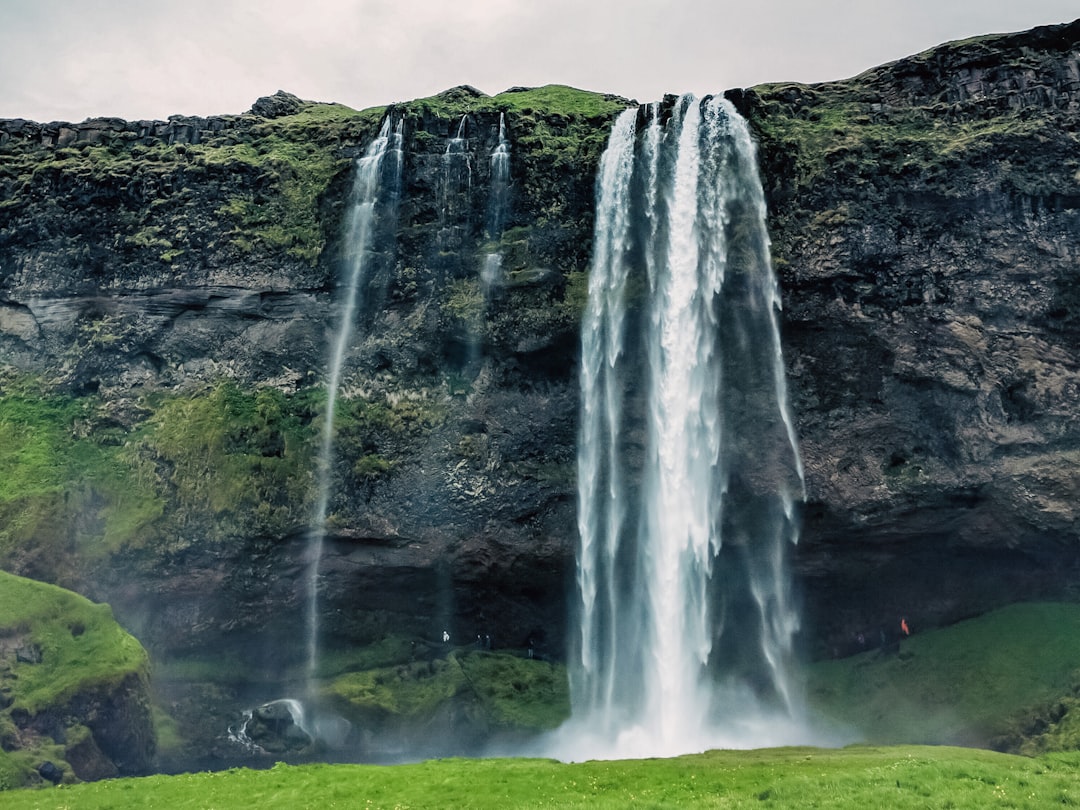
Choosing the best time to visit Iceland depends on what you want to experience: midnight sun, northern lights, dramatic storms, or peaceful long days exploring the countryside. The good news is that Iceland is a year‑round destination—and the west of Iceland, where Ourhotels.is is located, showcases the very best of each season.
From our cozy Hvítá Inn in Borgarfjörður (near Borgarnes), to the charming Stykkishólmur Inn on the Snæfellsnes Peninsula, and the Ísafjörður Inn in the Westfjords, you can use our hotels as comfortable bases while you explore Iceland’s changing seasons.
**Visiting Iceland in Summer (June–August)**
Summer is the most popular time to visit Iceland, and for good reason. Days are long—often with 20+ hours of daylight—and the weather is at its mildest. This is the ideal time for road trips, hiking, boat tours, and exploring the countryside without worrying about icy roads.
In West Iceland, summer brings lush green valleys, flowing waterfalls, and easy access to some of the country’s most beautiful coastal scenery. Staying at Hvítá Inn in Borgarfjörður puts you close to highlights like Hraunfossar and Barnafoss waterfalls, Deildartunguhver hot spring, and the historic settlement area around Borgarnes. After a day of exploring, you can return to a peaceful riverside setting and enjoy the long, glowing evenings.
On the Snæfellsnes Peninsula, Stykkishólmur Inn is perfectly placed for summer adventures. From here, you can explore Snæfellsjökull National Park, black sand beaches, dramatic cliffs, and charming fishing villages. The long daylight hours mean you can easily fit in a full day of sightseeing without feeling rushed, then stroll the harbor in Stykkishólmur late into the evening.
Further north, Ísafjörður Inn in the Westfjords is ideal for travelers seeking dramatic, less‑visited landscapes. Summer is the best time to access the remote fjords, hike in the mountains, and take boat trips to nearby islands. The roads are generally clear, and the weather is at its most stable, making this the easiest season for exploring this wild and beautiful region.
**Visiting Iceland in Autumn (September–October)**
Autumn is a fantastic time to visit Iceland if you want fewer crowds, lower prices, and a good chance of seeing the northern lights. The days are still reasonably long in September, and the landscapes turn golden and red as the moss and birch trees change color.
From Hvítá Inn, you can enjoy crisp autumn days exploring Borgarfjörður’s geothermal areas and waterfalls, then return to a warm, quiet inn as the nights grow darker—perfect conditions for aurora hunting. With less light pollution than the city, the countryside around our hotels offers excellent northern lights viewing when the skies are clear.
Stykkishólmur Inn is also a great autumn base. The Snæfellsnes Peninsula is beautiful in this season, with fewer visitors at popular spots like Kirkjufell mountain and the dramatic coastal cliffs. After a day of exploring, you can watch the sky from the harbor or a nearby viewpoint and, with a bit of luck, see the northern lights dancing over the bay.
In the Westfjords, Ísafjörður Inn offers a front‑row seat to one of Iceland’s most atmospheric seasons. The fjords become even more dramatic under shifting autumn light, and the earlier sunsets mean more hours of darkness for aurora viewing. It’s a quieter, more contemplative time to experience Iceland’s remote northwest.
**Visiting Iceland in Winter (November–March)**
Winter in Iceland is magical, especially if you’re dreaming of snow‑covered landscapes and northern lights. Days are short, but the low light creates a beautiful, soft atmosphere. This is the best time to focus on winter activities, cozy evenings, and aurora hunting.
Staying at Hvítá Inn in winter lets you experience the calm of the Icelandic countryside under snow. The Borgarfjörður region is known for its geothermal energy, so you can combine winter scenery with visits to hot springs and warm pools. The dark nights and open skies around the inn are ideal for northern lights viewing when conditions are right.
On the Snæfellsnes Peninsula, Stykkishólmur Inn offers a picturesque winter base in a charming coastal town. The peninsula’s mountains and coastline look especially dramatic in winter light, and on clear nights you may see the aurora reflecting on the sea. While winter driving requires more care, the reward is a quieter, more intimate experience of Iceland’s nature.
Ísafjörður Inn in the Westfjords is for those who truly want to experience Iceland’s winter character. The fjords can be snowy and atmospheric, with a strong sense of remoteness and authenticity. Winter is also a time when local culture comes to the forefront—cafés, small restaurants, and community events offer a glimpse into everyday life in this unique region.
**Visiting Iceland in Spring (April–May)**
Spring is a time of renewal in Iceland. Snow begins to melt, days grow longer, and migratory birds return. It’s a great season if you want a balance of quieter travel, improving weather, and the first signs of green returning to the landscape.
From Hvítá Inn, you can watch the rivers swell with meltwater and the countryside slowly turn from winter white to spring green. It’s a peaceful time to explore Borgarfjörður’s historical sites and natural attractions without the summer crowds.
Stykkishólmur Inn is a wonderful spring base for exploring the Snæfellsnes Peninsula as it wakes up from winter. Roads are generally easier to navigate, and you can enjoy coastal walks, early birdlife, and clearer views of Snæfellsjökull glacier on bright days.
In the Westfjords, Ísafjörður Inn offers a front‑row seat to one of Iceland’s most dramatic seasonal transitions. Some higher roads may still have snow early in spring, but the main routes open up, and you can experience the fjords as they shift from winter stillness to spring activity.
**So, When Is the Best Time to Visit Iceland?**
The best time to visit Iceland depends on your priorities:
– For long days, mild weather, and easy driving: choose **summer (June–August)**.
– For fewer crowds and a mix of daylight and northern lights: choose **autumn (September–October)**.
– For snow, cozy evenings, and the best northern lights chances: choose **winter (November–March)**.
– For quieter travel and the start of green landscapes: choose **spring (April–May)**.
No matter when you come, Ourhotels.is offers comfortable, well‑located stays in the west of Iceland. Hvítá Inn in Borgarfjörður (near Borgarnes), Stykkishólmur Inn on the Snæfellsnes Peninsula, and Ísafjörður Inn in the Westfjords give you three distinct bases to experience Iceland’s changing seasons—each with its own character, scenery, and charm.
By planning your trip around what you most want to see—midnight sun, northern lights, or peaceful shoulder seasons—and choosing welcoming local accommodation, you can make the most of your time in Iceland, any month of the year.
