Blog

Tips for Visiting Iceland in September

September is one of the best months to visit Iceland: the summer crowds thin out, prices often drop, the first northern lights begin to appear, and the landscape glows in rich autumn colors. If you’re planning a trip at this time of year, a little preparation will help you make the most of your adventure—especially if you’re exploring the wild and beautiful west of Iceland.

Here are some practical tips for visiting Iceland in September, along with ideas for where to stay, including Ourhotels.is properties such as Hvítá Inn in Borgarfjörður, Stykkishólmur Inn on the Snæfellsnes Peninsula, and Ísafjörður Inn in the Westfjords.

September weather in Iceland: what to expect
In September, Iceland transitions from summer to autumn. You can expect:

– Temperatures usually between 5–12°C (41–54°F)
– More frequent rain and wind, but still plenty of clear days
– Shortening daylight hours (around 13–14 hours at the start of the month, dropping to about 11 by the end)

Weather can change quickly, especially in the west and in the Westfjords, so always check the forecast (vedur.is) and road conditions (road.is) before heading out.

What to pack for Iceland in September
Layers are essential. Aim for:

– Base layer: thermal or moisture-wicking top and leggings
– Mid layer: fleece or light wool sweater
– Outer layer: waterproof and windproof jacket and pants
– Footwear: waterproof hiking boots with good grip
– Accessories: hat, gloves, scarf or buff, warm socks
– Extras: swimsuit (for hot springs), quick-dry towel, reusable water bottle, and a small daypack

Even if you’re staying in comfortable inns like Hvítá Inn, Stykkishólmur Inn, or Ísafjörður Inn, you’ll want to be ready for all conditions once you step outside.

Driving in Iceland in September
September is still a good month for self-drive trips, especially in the west:

– Most main roads are open and generally in good condition.
– Some highland F-roads may start to close as the month progresses.
– Expect more rain and occasional fog; drive slowly and keep headlights on.
– Watch for sheep on the roads, particularly in rural areas like Borgarfjörður and the Snæfellsnes Peninsula.

If you’re exploring the west, a natural route is to base yourself at different Ourhotels.is locations: start near Borgarnes at Hvítá Inn, continue to Stykkishólmur Inn on Snæfellsnes, and then head north to Ísafjörður Inn in the Westfjords.

Chasing the northern lights in September
September is the start of northern lights season in Iceland. While nothing is guaranteed, your chances improve if you:

– Look for clear, dark skies away from city lights.
– Check the aurora forecast on vedur.is.
– Stay up late—activity often peaks between 22:00 and 02:00.

Staying in smaller towns in the west gives you a big advantage. From Hvítá Inn in Borgarfjörður, you’re surrounded by open countryside with minimal light pollution. Stykkishólmur Inn offers easy access to dark coastal viewpoints, and Ísafjörður Inn places you in the dramatic fjord landscape of the Westfjords, where clear nights can be spectacular.

Why base yourself in West Iceland in September
West Iceland is ideal in September: it’s accessible from Reykjavík, less crowded than the south coast, and packed with varied scenery—glaciers, lava fields, waterfalls, hot springs, and charming fishing towns.

Ourhotels.is offers comfortable, well-located inns that make it easy to explore:

Hvítá Inn – Borgarfjörður (near Borgarnes)
Borgarfjörður is often called “the saga valley” thanks to its deep roots in Icelandic history and literature. Hvítá Inn is a great base for:

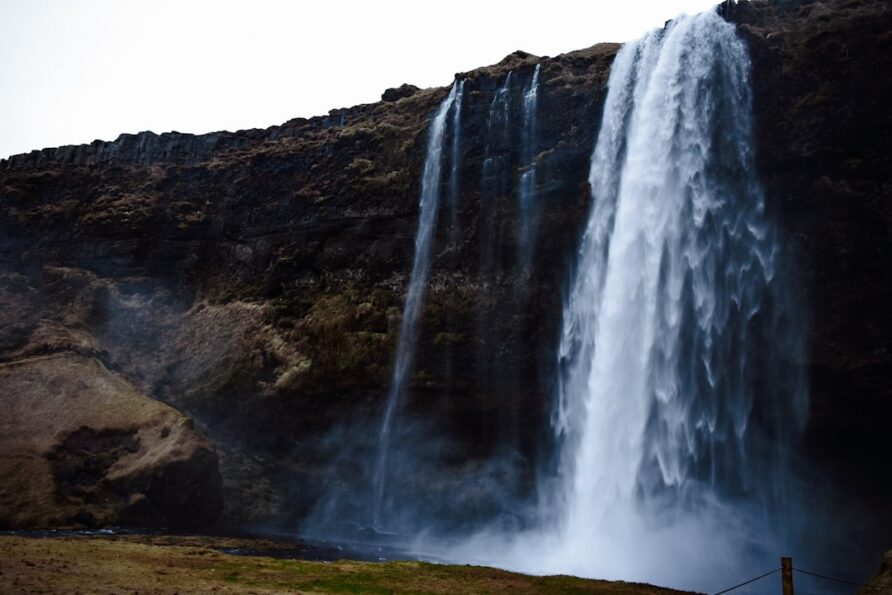
– Hraunfossar and Barnafoss waterfalls, framed by early autumn colors
– Deildartunguhver, Europe’s most powerful hot spring
– The historic Reykholt area
– Day trips into the highlands (conditions permitting)

In September, the surrounding countryside turns golden and red, making drives and short hikes especially scenic. After a day out, returning to a cozy inn in the quiet countryside is a real bonus.

Stykkishólmur Inn – Snæfellsnes Peninsula
Stykkishólmur is one of Iceland’s prettiest coastal towns, and Stykkishólmur Inn puts you right at the gateway to the Snæfellsnes Peninsula—often described as “Iceland in miniature” because it has a bit of everything:

– Snæfellsjökull glacier and national park
– Black sand beaches and dramatic cliffs
– Charming fishing villages and colorful harbors
– Coastal walks with views over Breiðafjörður bay

In September, the peninsula is calmer than in peak summer, but most services and tours are still running. It’s an excellent time for photography, with softer light and fewer people at the main viewpoints.

Ísafjörður Inn – Westfjords
If you want to experience Iceland at its most remote and dramatic, head to the Westfjords. Ísafjörður is the region’s main town, and Ísafjörður Inn makes a comfortable base for:

– Exploring deep fjords and steep mountainsides
– Visiting nearby villages like Suðureyri and Flateyri
– Hiking coastal and mountain trails (weather permitting)
– Enjoying local seafood and the town’s small but lively cultural scene

By September, some highland tracks and very remote areas may be less accessible, but the main routes are usually open, and the autumn colors in the fjords can be stunning. It’s also a quieter, more local experience than the more touristed south.

Enjoying hot springs and pools
No trip to Iceland is complete without soaking in hot water, and September’s cooler air makes it even more enjoyable. Around West Iceland you’ll find:

– Geothermal swimming pools in most towns (including Borgarnes, Stykkishólmur, and Ísafjörður)
– Natural hot springs and hot pots (always check local guidance and respect closures)

Ask at your Ourhotels.is reception for current recommendations—they’ll know which spots are best at that time of year and how to get there safely.

Respecting nature and staying safe
Iceland’s landscapes are fragile, and September can bring more rain and wind, so:

– Stay on marked paths to protect moss and vegetation.
– Keep a safe distance from cliffs, waves, and geothermal areas.
– Check weather and road conditions daily.
– Let someone know your travel plans if you’re hiking or driving remote routes.

Staff at Hvítá Inn, Stykkishólmur Inn, and Ísafjörður Inn can help you interpret forecasts and suggest suitable activities for the day’s conditions.

Booking accommodation in September
September is shoulder season, but popular areas can still fill up—especially on weekends and around events. It’s wise to:

– Book your route and inns in advance, particularly in the Westfjords.
– Consider staying multiple nights in each place to reduce driving and enjoy a slower pace.

Using Ourhotels.is to plan a west Iceland itinerary makes it easy to link together Hvítá Inn, Stykkishólmur Inn, and Ísafjörður Inn into a logical route, with comfortable stays and local advice at each stop.

Making the most of your September trip
To sum up, visiting Iceland in September offers:

– Milder weather than winter, but fewer crowds than summer
– The chance to see northern lights and autumn colors
– Good driving conditions in the west, with plenty of daylight
– A more relaxed, local feel in towns and villages

By basing yourself in well-located inns like Hvítá Inn in Borgarfjörður, Stykkishólmur Inn on the Snæfellsnes Peninsula, and Ísafjörður Inn in the Westfjords, you can explore some of Iceland’s most beautiful regions at an ideal time of year.

Plan ahead, pack for all kinds of weather, and use Ourhotels.is to connect your stays across West Iceland—then simply enjoy the landscapes, the hot springs, and the peaceful atmosphere that makes September in Iceland so special.

Tips for Visiting Iceland in August

August is one of the best months to visit Iceland. The days are still long, the weather is milder, and the country feels alive with festivals, road trips, and outdoor adventures. If you’re planning an August trip, especially to West Iceland, a bit of preparation will help you make the most of your time.

Here are some practical tips for visiting Iceland in August, with ideas on where to stay and what to see—especially around Borgarfjörður, Stykkishólmur, and Ísafjörður.

August Weather in Iceland: What to Expect
August is late summer in Iceland. In the west and along the coast, you can usually expect:

– Temperatures around 10–15°C (50–59°F), sometimes warmer on sunny days
– Long daylight hours (though not the midnight sun anymore)
– A mix of sun, clouds, and light rain—often all in one day

Because the weather is so changeable, layers are essential. Pack a light down jacket, a waterproof shell, a warm sweater, and comfortable walking shoes or light hiking boots. Even in August, evenings can feel chilly, especially by the sea or in the highlands.

What to Pack for an August Trip
To stay comfortable and ready for anything, consider bringing:

– Waterproof jacket and pants
– Warm layers (wool or fleece)
– Hat, gloves, and a buff or scarf (for wind)
– Sturdy shoes or boots with good grip
– Swimsuit and quick-dry towel (for hot springs and pools)
– Sleep mask if you’re sensitive to light (it still gets fairly bright late into the evening)

Most of Ourhotels.is properties, including Hvítá Inn, Stykkishólmur Inn, and Ísafjörður Inn, are used to summer travelers and can help with drying wet gear or giving local advice on what to wear for the day’s conditions.

Driving in Iceland in August
August is one of the easiest months for driving in Iceland. Roads are generally clear of snow, and many highland routes are open. Still, it’s important to:

– Check road conditions daily on road.is
– Keep an eye on the weather forecast at vedur.is
– Allow extra time between destinations—distances can be longer than they look on the map
– Never drive off-road (it’s illegal and damages fragile nature)

If you’re exploring West Iceland, a self-drive trip works especially well. You can base yourself at different Ourhotels.is locations as you move around the region, using each as a hub for day trips.

Exploring Borgarfjörður and Staying at Hvítá Inn
Borgarfjörður, close to Borgarnes, is a beautiful area of waterfalls, hot springs, lava fields, and quiet countryside. In August, the valleys are green, rivers are full, and the days are perfect for exploring.

Hvítá Inn, part of Ourhotels.is, is ideally located for discovering this region. From here, you can easily visit:

– Hraunfossar and Barnafoss waterfalls – a must-see pair of falls where water flows out of the lava field into the turquoise river
– Deildartunguhver – one of Europe’s most powerful hot springs
– Reykholt – a historic site connected to the medieval writer Snorri Sturluson
– The surrounding countryside – ideal for short hikes, photography, and peaceful evening walks

After a day of exploring, returning to Hvítá Inn gives you a calm, rural base with easy access to the main roads leading north and west.

Discovering the Snæfellsnes Peninsula from Stykkishólmur Inn
The Snæfellsnes Peninsula is often called “Iceland in Miniature” because it has a bit of everything: mountains, black sand beaches, cliffs, lava fields, and the glacier-capped Snæfellsjökull volcano. August is a fantastic time to visit, with relatively stable weather and long days for sightseeing.

Stykkishólmur is one of the most charming towns in Iceland, with colorful houses, a pretty harbor, and great views over Breiðafjörður Bay. Stykkishólmur Inn, part of Ourhotels.is, makes an excellent base for:

– Boat tours among the islands of Breiðafjörður
– Day trips around the peninsula to Kirkjufell mountain, Djúpalónssandur beach, and Arnarstapi
– Exploring local museums, restaurants, and the town’s scenic viewpoints

Staying at Stykkishólmur Inn allows you to enjoy the quiet, coastal atmosphere in the evenings while still being close to the main sights of Snæfellsnes.

Heading to the Westfjords and Ísafjörður Inn
If you want to experience one of the most dramatic and less-crowded parts of Iceland, the Westfjords are ideal in August. The roads are more accessible than in other seasons, and the weather is often at its best.

Ísafjörður is the largest town in the Westfjords and a natural base for exploring the region. Ísafjörður Inn, another Ourhotels.is property, puts you within reach of:

– Boat trips to remote fjords and islands
– Hiking routes with views over steep mountains and deep fjords
– Day trips to places like Dynjandi waterfall or the bird cliffs further west (depending on your route)
– Local cafés, restaurants, and cultural sites in Ísafjörður itself

In August, the Westfjords feel wild yet welcoming, with long evenings that are perfect for slow walks along the harbor or simply enjoying the quiet.

Booking Accommodation in August
August is high season in Iceland, so it’s wise to book your accommodation in advance, especially in popular areas like West Iceland, Snæfellsnes, and the Westfjords. Ourhotels.is offers a convenient way to plan a route through the west, staying at:

– Hvítá Inn in Borgarfjörður (near Borgarnes)
– Stykkishólmur Inn in Stykkishólmur
– Ísafjörður Inn in the Westfjords

By combining these three, you can create a natural loop through some of the most beautiful parts of the country, with comfortable, familiar-style stays along the way.

Enjoying Nature Responsibly
August is a wonderful time to be outdoors in Iceland, but the landscapes are fragile. To help protect them:

– Stay on marked paths and trails
– Follow local signs and guidance
– Take all your rubbish with you
– Respect wildlife and keep a safe distance

Staff at Ourhotels.is properties are usually locals or long-term residents and can point you toward less-crowded spots, good viewpoints, and safe walking routes that suit the day’s conditions.

Making the Most of Your August Trip
To get the best experience from an August visit:

– Start your days early to enjoy quieter sights
– Keep your plans flexible in case of changing weather
– Mix well-known attractions with smaller, local stops
– Take time to enjoy the evenings—sunsets can be beautiful, and the light lingers

Using Hvítá Inn, Stykkishólmur Inn, and Ísafjörður Inn as your bases, you can explore waterfalls, hot springs, coastal villages, fjords, and mountains at a relaxed pace, without rushing long distances each day.

If you’re planning a trip to West Iceland in August, consider building your route around these three Ourhotels.is locations. You’ll get a comfortable place to stay, local insight, and easy access to some of the most memorable landscapes in the country.

Tips for Visiting Iceland in July

July is one of the very best months to visit Iceland. Long, bright days, relatively mild temperatures, and open mountain roads make it the perfect time to explore the west and the Westfjords. If you’re planning a summer trip, here are some practical tips for visiting Iceland in July – plus how to make the most of your stay with Ourhotels.is, including Hvítá Inn in Borgarfjörður, Stykkishólmur Inn on the Snæfellsnes Peninsula, and Ísafjörður Inn in the Westfjords.

July weather in Iceland: what to expect
July is as close as Iceland gets to “summer.” In the west, daytime temperatures often range from 10–15°C (50–59°F), sometimes warmer on sunny days. It’s usually comfortable for hiking and sightseeing, but you should still be prepared for wind, rain, and quick changes in weather.

Pack layers rather than heavy winter gear:
– A good windproof and waterproof jacket
– Warm sweater or fleece
– Light base layers
– Hat and gloves (for windy days or boat tours)
– Comfortable walking shoes or light hiking boots

Staying with Ourhotels.is means you’ll have a warm, cozy base to come back to after a day out in the elements, whether you’re in Borgarfjörður, Stykkishólmur, or Ísafjörður.

Make the most of the midnight sun
In July, the nights are still bright across Iceland, especially in the west and the Westfjords. This gives you more time to explore and enjoy quieter attractions in the late evening.

Some ideas:
– From Hvítá Inn in Borgarfjörður, take an evening drive to Hraunfossar and Barnafoss waterfalls. The soft, late-night light is beautiful for photos and the area is often less crowded.
– From Stykkishólmur Inn, enjoy a late walk around the harbor and viewpoint above town, watching the sky glow long after “sunset.”
– From Ísafjörður Inn, use the long evenings to explore nearby fjords like Súgandafjörður or Önundarfjörður, where the light on the mountains and sea can be magical.

Even in July, you’ll want a sleep mask if you’re sensitive to light, but our inns are equipped to help you rest well despite the bright nights.

Driving in Iceland in July
July is one of the easiest months for driving in Iceland. Most roads in the west and the Westfjords are open, and snow is usually gone from the main routes. Still, you should:
– Check road conditions and weather forecasts daily (especially in the Westfjords, where fog and wind can appear quickly).
– Allow extra time for gravel roads, common in the Westfjords and some parts of Snæfellsnes.
– Fill up on fuel when you can in more remote areas.

Ourhotels.is locations are ideal for road trips:
– Hvítá Inn in Borgarfjörður is a great first stop when you leave Reykjavík, placing you close to waterfalls, hot springs, and lava fields.
– Stykkishólmur Inn is a perfect base for exploring the Snæfellsnes Peninsula and catching boat tours on Breiðafjörður Bay.
– Ísafjörður Inn puts you in the heart of the Westfjords, within reach of dramatic fjords, hiking trails, and remote beaches.

What to see in West Iceland in July
Staying at Hvítá Inn in Borgarfjörður gives you easy access to some of West Iceland’s highlights:
– Hraunfossar and Barnafoss: Unique waterfalls where water flows out of a lava field into a turquoise river.
– Deildartunguhver: One of Europe’s most powerful hot springs, with geothermal steam rising into the summer air.
– Reykholt: A historic site connected to the medieval writer Snorri Sturluson.
– Local hot springs and pools: July is perfect for relaxing in warm water while enjoying green hills and long daylight.

After a day of exploring, Hvítá Inn offers a peaceful countryside atmosphere, ideal for unwinding and planning the next leg of your journey.

Exploring the Snæfellsnes Peninsula from Stykkishólmur Inn
Stykkishólmur is one of the most charming towns in Iceland, and July is a fantastic time to stay there. From Stykkishólmur Inn, you can:
– Take a boat tour on Breiðafjörður Bay, known for its countless islands, birdlife, and sea views.
– Drive around the Snæfellsnes Peninsula to see black sand beaches, sea cliffs, lava fields, and the Snæfellsjökull glacier.
– Enjoy fresh seafood in town and stroll the colorful streets and harbor.

Stykkishólmur Inn gives you a comfortable, central base so you can explore at a relaxed pace, taking advantage of the long days without rushing.

Discovering the Westfjords from Ísafjörður Inn
The Westfjords are one of Iceland’s most dramatic and less-visited regions, and July is the ideal month to go. Roads are more accessible, and the weather is usually at its best. From Ísafjörður Inn, you can:
– Explore the town of Ísafjörður, with its historic houses, cafés, and harbor.
– Take day trips to nearby fjords, fishing villages, and viewpoints.
– Join boat tours or kayaking trips to experience the fjords from the water.
– Drive to some of the region’s famous sights, such as remote beaches and towering cliffs (allowing for full-day excursions).

Ísafjörður Inn offers a welcoming place to rest between adventures, with easy access to services while still being surrounded by nature.

What to pack for Iceland in July
Even in summer, Iceland’s weather can surprise you. For a comfortable July trip, pack:
– Layered clothing (base layer, mid-layer, waterproof outer layer)
– Comfortable walking shoes or hiking boots
– Swimsuit and quick-dry towel for hot springs and pools
– Sleep mask (for the bright nights)
– Reusable water bottle (tap water is excellent)
– Camera or smartphone with plenty of storage – you’ll use it

Staying at Ourhotels.is properties means you won’t need to overpack; you’ll have a warm, dry place to return to each night, with space to reorganize your gear between regions.

Booking accommodation in July
July is one of the busiest months in Iceland, so it’s wise to book your accommodation in advance, especially in popular areas like West Iceland, Snæfellsnes, and the Westfjords. Ourhotels.is makes it easy to plan a route that flows naturally:
– Start in West Iceland at Hvítá Inn in Borgarfjörður
– Continue to Stykkishólmur Inn for Snæfellsnes and Breiðafjörður
– Finish in the Westfjords at Ísafjörður Inn

This route lets you experience waterfalls, hot springs, coastal villages, and dramatic fjords, all while staying in comfortable, well-located inns.

Enjoying local culture and food
July is also a time of local festivals, outdoor events, and lively cafés. In each region, you’ll find:
– Fresh seafood and local specialties
– Outdoor swimming pools popular with locals
– Small museums and cultural sites that tell the story of Iceland’s history and nature

Ourhotels.is locations put you close to these experiences, so you can easily combine nature, culture, and relaxation.

Visiting Iceland in July is about long days, fresh air, and the freedom to explore at your own pace. By staying with Ourhotels.is at Hvítá Inn in Borgarfjörður, Stykkishólmur Inn, and Ísafjörður Inn, you can create a smooth, scenic journey through some of the most beautiful parts of West Iceland and the Westfjords – with comfortable, welcoming places to call home along the way.

Tips for Visiting Iceland in January

January in Iceland is magical: short, blue-tinged days, long starry nights, and landscapes wrapped in snow and ice. It’s also one of the best months for northern lights, winter adventures, and experiencing Iceland without the heavy summer crowds. With a bit of planning—and the right places to stay—you can turn the darkest month into one of your brightest travel memories.

Here are practical tips for visiting Iceland in January, with ideas on how to base yourself comfortably at Ourhotels.is properties in West Iceland: Hvítá Inn in Borgarfjörður, Stykkishólmur Inn on the Snæfellsnes Peninsula, and Ísafjörður Inn in the Westfjords.

**1. Embrace the Darkness (and the Northern Lights)**

In January, daylight is limited—often just 4–6 hours depending on where you are. Instead of seeing this as a drawback, use it to your advantage:

– Plan your main sightseeing for the middle of the day.
– Use early mornings and evenings for relaxing, dining, and northern lights hunting.
– Keep your schedule flexible: clear skies can appear suddenly, and so can the aurora.

Staying in smaller towns away from city light pollution makes a big difference. Hvítá Inn in Borgarfjörður and Stykkishólmur Inn are both in areas where, on clear nights, you can often step outside and see the northern lights dancing over snow-covered mountains and fjords. Ísafjörður Inn, tucked into a dramatic Westfjords fjord, offers similarly dark skies and a stunning backdrop for aurora photos.

**2. Dress for Real Winter (Layers Are Everything)**

January in Iceland is cold, but not usually as extreme as people imagine. What matters most is wind and moisture. Pack:

– A warm base layer (wool or synthetic, not cotton)
– An insulating mid-layer (fleece or wool sweater)
– A windproof, waterproof outer shell
– Warm hat, scarf or buff, and insulated gloves
– Thermal socks and sturdy, waterproof boots with good grip
– Optional but useful: ice cleats (microspikes) for walking on icy paths

Ourhotels.is properties are a cozy refuge after a day in the elements. At Hvítá Inn, you can warm up with a hot drink while looking out over the Borgarfjörður countryside. At Stykkishólmur Inn, you’re just a short walk from the harbor and restaurants, so you don’t need to be outside for long once you’re back for the evening. Ísafjörður Inn offers that snug “winter town” feel, with mountains rising steeply around you and everything you need close by.

**3. Plan for Winter Roads and Flexible Itineraries**

January driving in Iceland can be beautiful and challenging at the same time. Expect snow, ice, wind, and occasional road closures.

– Check road conditions daily at road.is and weather at vedur.is.
– Rent a 4×4 if you plan to explore outside Reykjavík.
– Keep extra time in your schedule for slow driving or detours.
– Always have warm clothes, snacks, and a charged phone in the car.

One smart strategy is to choose comfortable bases and explore the surrounding areas on day trips:

– **Hvítá Inn (Borgarfjörður)**: Ideal for exploring West Iceland’s waterfalls, hot springs, and lava fields without long drives. You’re within reach of Hraunfossar and Barnafoss waterfalls, Deildartunguhver hot spring, and the historic Borgarnes area.
– **Stykkishólmur Inn**: A perfect base for the Snæfellsnes Peninsula, often called “Iceland in Miniature” for its mix of beaches, cliffs, lava fields, and the Snæfellsjökull glacier. In January, the peninsula feels wild and peaceful, with fewer visitors.
– **Ísafjörður Inn**: Great for those who want to experience the raw beauty of the Westfjords in winter. The town has a strong local culture, good food, and access to winter activities like skiing (conditions permitting) and coastal walks.

By staying with Ourhotels.is in these locations, you can keep your driving distances manageable and return to a warm, welcoming inn each night.

**4. Make the Most of Winter Activities**

January is prime time for classic Icelandic winter experiences:

– **Northern lights tours**: Even if you’re staying in dark areas, guided tours can take you to the best viewing spots based on the night’s conditions.
– **Hot springs and geothermal pools**: There’s nothing like soaking in hot water while snow falls around you. West Iceland has several natural and man-made options within reach of Hvítá Inn and Stykkishólmur Inn.
– **Glacier and ice cave tours**: These are usually in the south and southeast, but you can combine a few days there with a few days in the west.
– **Snowshoeing, skiing, or simple winter walks**: Around Ísafjörður, when conditions allow, the winter landscape is perfect for gentle exploration.

Ask at each Ourhotels.is reception for local recommendations—staff can often point you toward lesser-known pools, viewpoints, and short walks that suit the weather that day.

**5. Enjoy Local Food and Cozy Evenings**

Short days mean long evenings, which is perfect for slow dinners and trying Icelandic specialties:

– In **Borgarfjörður**, you can sample local lamb, dairy, and baked goods, then return to Hvítá Inn for a quiet night in the countryside.
– **Stykkishólmur** is known for its connection to the sea; it’s a great place to try fresh fish and seafood before strolling back to Stykkishólmur Inn through the peaceful harbor area.
– **Ísafjörður** has a surprisingly vibrant food scene for a small town, with cafés and restaurants that feel especially inviting in winter. Ísafjörður Inn puts you within easy walking distance of the town’s main spots.

January is also a good time to slow down: read a book, sort your photos, or simply watch the changing light outside your window. Ourhotels.is focuses on comfortable, straightforward stays that let the landscape and local culture take center stage.

**6. Book Early, But Keep Some Flexibility**

While January is quieter than summer, some areas and accommodations still book up—especially in popular regions like Snæfellsnes and the Westfjords. It’s wise to:

– Reserve your key stays in advance, especially at Hvítá Inn, Stykkishólmur Inn, and Ísafjörður Inn if you’re planning a West Iceland route.
– Keep your daily plans flexible so you can adjust to weather and road conditions.

By using Ourhotels.is as your base in West Iceland, you can structure your trip around three distinct regions—Borgarfjörður, Snæfellsnes, and the Westfjords—each offering a different side of Icelandic winter, all within a coherent, scenic route.

January in Iceland rewards travelers who come prepared and open-minded. With warm layers, realistic driving plans, and welcoming places to stay like Hvítá Inn, Stykkishólmur Inn, and Ísafjörður Inn, you can experience northern lights, snowy landscapes, and authentic Icelandic life at a quieter, more intimate time of year.

How to Cross Iceland’s Mountain Roads Safely

Driving Iceland’s mountain roads is one of the most memorable ways to experience the country – but it also demands respect, preparation, and a good plan. If you’re staying with Ourhotels.is in West Iceland, you’re already perfectly placed to explore some of the most beautiful highland and coastal routes, from Borgarfjörður to the Snæfellsnes Peninsula and the Westfjords. Here’s how to cross Iceland’s mountain roads safely while making the most of your stay at Hvítá Inn, Stykkishólmur Inn, and Ísafjörður Inn.

Iceland’s mountain roads (often marked as “F-roads”) are usually gravel, narrow, and sometimes steep, with river crossings and rapidly changing weather. They are typically open only in summer and early autumn, and only for suitable vehicles. Before you set off from your hotel, always check road conditions on road.is and weather forecasts on vedur.is. These two sites are essential tools for safe travel in Iceland’s highlands and remote areas.

Starting your journey from Hvítá Inn in Borgarfjörður, you’re close to some of West Iceland’s most scenic routes. Borgarfjörður is known for its valleys, glaciers, and hot springs, and it’s a natural gateway to inland mountain tracks. Use your time at Hvítá Inn to plan your route carefully: ask the staff about current conditions, recommended roads for your vehicle type, and realistic driving times. Many visitors underestimate distances and overestimate how fast they can drive on gravel; planning from a comfortable base like Hvítá Inn helps you avoid rushing and risky decisions later in the day.

Vehicle choice is crucial for mountain roads. Many F-roads legally require a 4×4, and even where it’s not mandatory, it’s often strongly recommended. If you’re staying at Stykkishólmur Inn on the Snæfellsnes Peninsula, you’ll find that some of the most beautiful routes are gravel coastal and mountain roads with sharp bends and blind hills. A sturdy vehicle with good ground clearance will make your drive safer and more comfortable. Always reduce speed on gravel to avoid skidding, keep both hands on the wheel, and leave extra distance between you and the car ahead to avoid stone chips and dust clouds.

Weather can change quickly in Iceland’s mountains. A clear morning can turn into fog, rain, or even snow at higher elevations, even in summer. When you leave Hvítá Inn or Stykkishólmur Inn for a day of exploring, pack warm layers, waterproof clothing, snacks, and water. Even if you plan only a short drive, be prepared to wait out bad weather or slow down significantly. If the forecast looks unstable, consider adjusting your route or staying on paved roads; there are always beautiful alternatives in West Iceland that don’t require risky crossings.

If your journey takes you further north and west to Ísafjörður Inn in the Westfjords, you’ll encounter some of Iceland’s most dramatic mountain roads. The Westfjords are famous for steep passes, long gravel stretches, and tight hairpin bends overlooking deep fjords. From Ísafjörður Inn, you can explore these routes with the advantage of local knowledge: ask the reception about current conditions on nearby passes, which roads are paved, and which are better avoided in poor weather. In this region, it’s especially important to drive slowly downhill, use low gear instead of constant braking, and be prepared for loose gravel and occasional rockfall.

River crossings are a key feature of many highland F-roads, but they require experience and the right vehicle. If you’re not used to driving through rivers, it’s often safer to choose routes without fords, especially if you’re traveling with children or are on a tight schedule. From bases like Hvítá Inn and Stykkishólmur Inn, you can easily plan mountain and coastal drives that avoid the most challenging crossings while still giving you a sense of adventure. If you do attempt a ford, always stop first, assess the depth and current, watch other vehicles cross, and never drive into water you’re unsure about. When in doubt, turn back – it’s always the safest choice.

Another important aspect of safe mountain driving in Iceland is understanding local road signs and etiquette. Single-lane bridges, blind hills, and narrow passes are common. Slow down before blind crests, keep to the right, and be ready to yield. On single-lane bridges and narrow sections, the car closest to the bridge or passing point usually has priority, but always make eye contact and proceed cautiously. When you stay at Ísafjörður Inn or Stykkishólmur Inn, you’ll likely meet other travelers who’ve just driven the same roads you’re planning; sharing experiences over breakfast or in the evening can give you practical, up-to-date insights.

Timing your drives is also part of staying safe. In summer, Iceland’s long daylight hours give you more flexibility, but it’s still wise to avoid starting a challenging mountain route late in the day. From Hvítá Inn in Borgarfjörður, you can set off early, enjoy the highlands or mountain passes, and still return or continue to your next hotel in daylight. If you’re traveling between Stykkishólmur Inn and Ísafjörður Inn, plan your route so that the most demanding sections fall in the middle of the day, when visibility is best and you’re not tired.

Staying connected is another safety factor. Mobile coverage in Iceland is generally good but can be weak or absent in remote mountain areas. Before leaving your hotel, let someone know your planned route and expected arrival time. The staff at Ourhotels.is properties are used to helping guests plan safe itineraries and can suggest realistic schedules between Hvítá Inn, Stykkishólmur Inn, and Ísafjörður Inn. Consider downloading offline maps and saving emergency numbers, including 112, Iceland’s emergency line.

Respecting nature and road conditions goes hand in hand with safety. Never drive off-road in Iceland; it’s illegal and causes long-lasting damage to fragile landscapes. Stick to marked tracks and parking areas, even if a photo opportunity looks tempting just beyond the road. From all three Ourhotels.is locations, you’ll find plenty of designated viewpoints and safe stopping places where you can enjoy glaciers, waterfalls, fjords, and lava fields without putting yourself or the environment at risk.

One of the advantages of basing your trip around Ourhotels.is is the ability to break your journey into manageable, enjoyable stages. You might start at Hvítá Inn, exploring Borgarfjörður’s valleys and nearby mountain roads, then continue to Stykkishólmur Inn to discover the Snæfellsnes Peninsula’s rugged coastline and inland tracks. From there, you can head to Ísafjörður Inn and experience the Westfjords’ dramatic passes and remote fjords. This kind of itinerary lets you rest well each night, adjust plans according to weather and road updates, and avoid the fatigue that can make mountain driving dangerous.

Ultimately, crossing Iceland’s mountain roads safely is about preparation, patience, and flexibility. Check conditions before you go, choose the right vehicle, drive slowly on gravel and steep sections, and never be afraid to turn back if something feels wrong. By using Hvítá Inn, Stykkishólmur Inn, and Ísafjörður Inn as your comfortable bases in West Iceland, you can enjoy the wild beauty of Iceland’s mountains and fjords with the reassurance of local advice and a warm, welcoming place to return to each evening. With the right approach, your journey on Iceland’s mountain roads will be not only safe, but unforgettable.

Tips for Visiting Iceland in January

January in Iceland is magical: long nights, soft blue daylight, snow‑dusted landscapes and a real sense of calm after the busy holiday season. It’s one of the best months for northern lights, winter adventures and experiencing authentic local life without the big summer crowds. Here are some practical tips to make the most of your January trip – and how staying with Ourhotels.is can make it easier and more comfortable.

January weather in Iceland
Expect winter in full force. Temperatures in the west and north typically hover around -5°C to +3°C (23–37°F), but wind and humidity can make it feel colder. Snow, sleet, rain and clear skies can all happen in a single day, so flexibility is key.

Pack warm, breathable layers:
– A good base layer (wool or synthetic, not cotton)
– Warm mid‑layer (fleece or wool sweater)
– Windproof, waterproof outer shell
– Insulated jacket for stops and evenings
– Warm hat, scarf, gloves and thick socks
– Waterproof winter boots with good grip

If you’re staying at Hvítá Inn in Borgarfjörður, Stykkishólmur Inn or Ísafjörður Inn, you’ll appreciate having cozy indoor clothes too – think comfy loungewear for relaxing after a day in the cold.

Driving in Iceland in January
January is a beautiful time for a road trip, but conditions can be challenging. Roads may be icy, visibility can drop quickly and some mountain passes or smaller roads may close.

If you plan to self‑drive:
– Rent a 4×4 with winter tires.
– Check road conditions daily at road.is and weather at vedur.is.
– Keep your fuel tank topped up and your phone charged.
– Allow extra time between destinations – never rush in winter conditions.

One advantage of staying with Ourhotels.is is that our locations in Borgarfjörður, Stykkishólmur and Ísafjörður are all in areas that are accessible year‑round in normal winter conditions, yet still feel wonderfully remote and scenic.

Northern lights in January
January is prime aurora season. Long, dark nights and cold, clear air create excellent conditions for seeing the northern lights.

Tips for aurora hunting:
– Check the aurora forecast at vedur.is.
– Be patient – displays can come and go.
– Get away from bright city lights for the best view.

Hvítá Inn in Borgarfjörður is ideal for this: it’s in the countryside near Borgarnes, with minimal light pollution and wide‑open skies. Guests often just step outside the inn to watch the lights dance over the river and surrounding mountains. Stykkishólmur Inn, overlooking the Breiðafjörður bay, also offers beautiful vantage points, and Ísafjörður Inn in the Westfjords gives you dramatic fjord scenery as a backdrop if the aurora appears.

Daylight and planning your time
In January, daylight is limited but growing. In the west and north you can expect roughly 4–6 hours of usable daylight, with long twilight periods that are perfect for photography.

Plan your main activities in the middle of the day and use mornings and evenings for:
– Relaxing in hot tubs or local swimming pools
– Enjoying long breakfasts and dinners
– Short walks in town or by the harbor

Ourhotels.is properties are well‑placed for this rhythm:
– At Hvítá Inn you can explore Borgarfjörður’s waterfalls and hot springs by day, then return for a warm meal and northern lights watching at night.
– From Stykkishólmur Inn you can walk to the harbor, climb Súgandisey for views, or join winter boat tours on Breiðafjörður when available.
– Ísafjörður Inn puts you in the heart of the Westfjords’ main town, with cafés, museums and coastal walks just outside the door.

What to see in West Iceland in January
West Iceland is a fantastic winter base: dramatic but accessible, with fewer crowds than the south.

Around Hvítá Inn in Borgarfjörður (near Borgarnes):
– Hraunfossar and Barnafoss waterfalls: stunning in winter, with blue water cutting through snow and lava.
– Deildartunguhver hot spring area and nearby geothermal baths.
– Historic sites and quiet country roads for winter photography.

Staying at Hvítá Inn means you’re close to these highlights while enjoying a peaceful riverside setting and easy access from Reykjavík.

Around Stykkishólmur Inn on the Snæfellsnes Peninsula:
– Colorful Stykkishólmur harbor and old town, beautiful even in winter light.
– Day trips (weather permitting) to Snæfellsjökull National Park, black beaches, cliffs and lava fields.
– Local museums and cozy cafés for stormy days.

Stykkishólmur Inn is a comfortable base for exploring Snæfellsnes in January, with the bonus of sea views and a charming small‑town atmosphere.

Around Ísafjörður Inn in the Westfjords:
– Ísafjörður’s old town, harbor and surrounding mountains, often covered in snow.
– Winter hiking or snowshoeing with local guides when conditions allow.
– Cultural life: small galleries, music events and local restaurants.

Ísafjörður Inn gives you a front‑row seat to Westfjords winter life – dramatic scenery right outside, but all the services of a small town within walking distance.

Staying warm and comfortable
January is all about balancing outdoor adventure with indoor comfort. Icelandic buildings are well heated, and Ourhotels.is properties are designed to be a warm retreat after a cold day.

To make your stay more comfortable:
– Bring a swimsuit – hot tubs and pools are open year‑round.
– Pack a small daypack for extra layers, snacks and a thermos.
– Use the evenings to dry clothes and gear for the next day.

At Hvítá Inn, Stykkishólmur Inn and Ísafjörður Inn, you’ll find welcoming common areas and comfortable rooms where you can unwind, sort your photos and plan the next day’s route.

Local culture and food in winter
January is a quieter, more local time in Iceland. You’ll meet fewer tourists and more residents going about their daily lives.

Make time to:
– Try hearty Icelandic dishes like lamb soup, fresh fish and rye bread.
– Visit local bakeries for pastries and coffee.
– Chat with staff at Ourhotels.is about current road conditions, hidden viewpoints and local events – they often know what’s happening that doesn’t appear in guidebooks.

Why choose Ourhotels.is for a January trip
For a winter visit, location and reliability matter. Ourhotels.is offers:
– Strategic locations in West Iceland and the Westfjords: Hvítá Inn in Borgarfjörður (near Borgarnes), Stykkishólmur Inn on Snæfellsnes and Ísafjörður Inn in the Westfjords.
– Comfortable, heated rooms and welcoming staff who understand winter travel.
– Easy access to some of Iceland’s best winter scenery, with good road connections when conditions allow.

By basing yourself with Ourhotels.is, you can experience three very different sides of Iceland in January: quiet countryside by the river at Hvítá Inn, a charming harbor town at Stykkishólmur Inn and a dramatic fjord setting at Ísafjörður Inn.

With the right clothing, flexible plans and cozy places to stay, January in Iceland can be one of the most rewarding times to visit – full of northern lights, winter landscapes and authentic local experiences.

Tips for Visiting Iceland in January

January in Iceland is magical: long nights, soft daylight, snow‑dusted landscapes and a real sense of calm after the busy holiday season. It’s also a month that rewards a bit of planning. Here are practical tips for visiting Iceland in January, plus how to use Ourhotels.is properties—Hvítá Inn in Borgarfjörður, Stykkishólmur Inn and Ísafjörður Inn—as comfortable bases for your winter adventure.

January weather in Iceland: what to expect
January is one of the coldest months, but temperatures are often milder than visitors expect, typically hovering around -3°C to 3°C (26–37°F) in many areas. What makes the difference is the wind and changing conditions: snow, sleet, rain and clear skies can all appear in a single day.

Pack for wind and wet rather than just “cold.” A waterproof, windproof outer layer, warm mid‑layers (wool or fleece), thermal base layers, hat, gloves and good winter boots with traction are essential. Hand warmers and a buff or scarf are very useful when the wind picks up.

Driving in January: safety first
If you’re planning a self‑drive trip, January can be a fantastic time to explore, but you must respect the conditions. Roads can be icy, visibility can drop quickly and some routes may close due to weather.

Check road conditions daily on official sites and be flexible with your itinerary. If you’re new to winter driving, consider shorter driving days and avoid remote gravel roads. One smart strategy is to choose well‑located accommodations that reduce long daily drives—this is where Ourhotels.is can help.

Using Ourhotels.is as winter bases
Ourhotels.is offers simple, comfortable inns in great locations for winter travel in West and Northwest Iceland. By staying in a few key places for multiple nights, you can explore nearby attractions without rushing.

Hvítá Inn – Borgarfjörður (near Borgarnes)
Hvítá Inn is a great first stop when you leave Reykjavík and head into West Iceland. Located in Borgarfjörður, close to Borgarnes, it puts you within easy reach of:

– Hraunfossar and Barnafoss waterfalls, which look spectacular framed by snow and ice
– Deildartunguhver hot spring and nearby geothermal baths
– The historic Reykholt area and scenic valleys that are especially beautiful in winter light

Staying at Hvítá Inn lets you explore this region at a relaxed pace, with shorter drives and the option to return “home” quickly if the weather changes.

Stykkishólmur Inn – gateway to the Snæfellsnes Peninsula
The Snæfellsnes Peninsula is often called “Iceland in Miniature,” and January gives it a quiet, dramatic atmosphere. Stykkishólmur Inn is located in the charming harbor town of Stykkishólmur, an ideal base for:

– Day trips around Snæfellsnes to see black sand beaches, sea cliffs, lava fields and the Snæfellsjökull glacier
– Winter walks around the harbor and viewpoints above town
– Boat tours when available, or simply enjoying the peaceful coastal setting

By staying at Stykkishólmur Inn, you can explore the peninsula over a couple of days instead of rushing through in a single long drive.

Ísafjörður Inn – winter in the Westfjords
For travelers who want a more remote, dramatic winter experience, Ísafjörður in the Westfjords is unforgettable. Ísafjörður Inn offers a comfortable base in the region’s main town, with access to:

– Deep fjords and steep mountains that look especially striking in snow
– Local culture, cafés and museums that give insight into life in this remote part of Iceland
– Winter activities such as snowshoeing, ski touring (with guides) and scenic drives when conditions allow

In January, the Westfjords are quieter and more weather‑dependent than other regions, so having a cozy, central place like Ísafjörður Inn to return to is a big advantage.

Chasing the Northern Lights in January
January is prime Northern Lights season thanks to long, dark nights. To increase your chances:

– Check the aurora forecast and cloud cover in the evenings
– Get away from city lights—rural locations near Hvítá Inn, Stykkishólmur Inn and Ísafjörður Inn are ideal
– Be patient and dress very warmly; sometimes the lights appear after hours of waiting

One of the joys of staying with Ourhotels.is in smaller towns and countryside locations is that you can often step outside your inn and, if the sky is clear and the aurora active, see the Northern Lights without a long drive.

Daylight and planning your schedule
In January, daylight is limited—around 4–7 hours depending on where you are and when in the month you visit. Plan your main activities for the middle of the day and use the darker hours for:

– Relaxing in hot tubs or local pools
– Enjoying dinners and local food
– Short walks in town and photography of the blue “civil twilight” that lingers before sunrise and after sunset

By basing yourself at Hvítá Inn, Stykkishólmur Inn and Ísafjörður Inn, you can structure your days around short, scenic outings and avoid long drives in the dark.

What to pack for a January trip
Along with warm clothing, consider:

– Ice grips/cleats for your boots for walking on icy paths
– A headlamp or small flashlight for walking in the dark
– Power bank and waterproof phone case
– Swimsuit and quick‑dry towel for hot springs and pools
– Reusable water bottle—tap water in Iceland is excellent

Booking your stay with Ourhotels.is
January is quieter than summer, but it’s still wise to book your accommodation in advance, especially in smaller towns. Ourhotels.is makes it easy to plan a route through West Iceland and the Westfjords:

– Start near Reykjavík and head to Hvítá Inn in Borgarfjörður
– Continue to Stykkishólmur Inn for the Snæfellsnes Peninsula
– Venture north and west to Ísafjörður Inn for a deeper winter experience

This route gives you a mix of accessible sights and wilder landscapes, with comfortable, friendly inns to return to each night.

Visiting Iceland in January rewards travelers who embrace the season: the soft light, the snow, the quiet roads and the chance to see the Northern Lights. With thoughtful planning, the right clothing and well‑chosen bases like Hvítá Inn, Stykkishólmur Inn and Ísafjörður Inn from Ourhotels.is, you can enjoy a safe, memorable winter trip and experience Iceland at its most atmospheric.

Tips for Visiting Iceland in January

January in Iceland is magical: long nights, soft blue daylight, snow‑dusted mountains and a real sense of calm after the busy holiday season. It’s also one of the best months for northern lights and winter adventures—if you come prepared. Here are practical tips for visiting Iceland in January, plus how to use Ourhotels.is and our inns in West Iceland as comfortable bases for your trip.

January weather in Iceland: what to expect
January is deep winter. In most of the country you can expect:
– Temperatures around -5°C to +3°C (23–37°F), often feeling colder with wind
– Short days: roughly 4–6 hours of daylight, depending on where you are
– Mixed conditions: snow, rain, wind, ice and the occasional calm, clear day

The key is flexibility. Plan your days around the light, check the forecast often, and keep your schedule a bit open so you can move activities if the weather changes.

What to pack for Iceland in January
Think “layers and waterproof everything.” A good packing list includes:
– Base layer: thermal top and leggings (wool or synthetic)
– Mid layer: fleece or wool sweater
– Outer layer: windproof, waterproof jacket and pants
– Footwear: insulated, waterproof boots with good grip
– Accessories: warm hat, scarf or buff, gloves/mittens, and thick wool socks
– Extras: ice cleats (for icy sidewalks and trails), swimsuit (for hot springs), and a power bank (cold drains batteries quickly)

If you’re staying with Ourhotels.is at Hvítá Inn, Stykkishólmur Inn or Ísafjörður Inn, you’ll have a warm, cozy base to come back to—so you can focus on enjoying the outdoors, not worrying about staying warm indoors.

Driving in Iceland in January
Driving can be rewarding in winter, but it’s not for everyone. Roads can be icy, snowy and sometimes closed. If you plan to drive:
– Choose a 4×4 rental with winter tires
– Check road conditions daily at road.is and weather at vedur.is
– Allow extra time between destinations
– Never drive if conditions are marked as “impassable”

West Iceland is a great region for winter road trips because it’s relatively accessible from Reykjavík, yet feels wonderfully remote. Ourhotels.is locations are spread across this region, making it easy to break up your journey into manageable drives.

Using West Iceland as your winter base
West Iceland offers dramatic coastlines, mountains, hot springs and charming fishing towns—without the heavy crowds. Staying in this region in January gives you a quieter, more local experience, and excellent chances for northern lights on clear nights.

Hvítá Inn – Borgarfjörður (near Borgarnes)
Hvítá Inn is a comfortable countryside base in Borgarfjörður, close to Borgarnes and only about an hour’s drive from Reykjavík (conditions permitting). It’s ideal for your first or last nights in Iceland, or as a base for exploring West Iceland’s inland highlights. From Hvítá Inn you can:
– Visit Hraunfossar and Barnafoss waterfalls, stunning against the snow
– Explore Deildartunguhver, Europe’s most powerful hot spring
– Join ice cave or glacier tours in the nearby highlands (with a guide)
– Enjoy peaceful winter evenings with minimal light pollution—perfect for aurora watching right outside the inn when skies are clear

After a day out, returning to a warm, welcoming inn with good food and a relaxed atmosphere makes winter travel feel easy rather than harsh.

Stykkishólmur Inn – gateway to the Snæfellsnes Peninsula
Stykkishólmur Inn sits in the charming harbor town of Stykkishólmur, one of the most picturesque places in Iceland, especially in winter. This is an excellent base for exploring the Snæfellsnes Peninsula, often called “Iceland in Miniature” because it has a bit of everything: volcanoes, glaciers, black beaches, cliffs and fishing villages. From Stykkishólmur Inn you can:
– Drive to Kirkjufell, one of Iceland’s most photographed mountains
– Explore Snæfellsjökull National Park with its lava fields and coastal views
– Walk around the harbor and town, which feels extra cozy under a dusting of snow
– Take short winter hikes (when conditions allow) and enjoy quiet viewpoints

In January, the low winter light makes the peninsula incredibly photogenic. Staying at Stykkishólmur Inn means you can catch sunrise and sunset (which are close together in winter) without long drives in the dark.

Ísafjörður Inn – winter in the Westfjords
For travelers who want a wilder, more remote winter experience, Ísafjörður Inn in the Westfjords is a fantastic choice. Ísafjörður is the region’s main town, surrounded by steep mountains and deep fjords. In January, it feels like a true Arctic outpost—dramatic, peaceful and authentic. From Ísafjörður Inn you can:
– Explore the town’s museums, cafés and harbor area
– Join guided winter activities like snowshoeing or ski touring (conditions permitting)
– Experience the unique atmosphere of a small Icelandic town in mid‑winter
– Enjoy some of the darkest, clearest skies in Iceland for northern lights hunting

Because the Westfjords are more remote, it’s especially important to check road and weather conditions before driving there in January. Many visitors choose to spend a few nights in Ísafjörður to really settle in and enjoy the slower pace.

Northern lights in January
January is prime aurora season. Long nights and often cold, clear air create ideal conditions—if the sky cooperates. To increase your chances:
– Get away from city lights: all three Ourhotels.is locations (Hvítá Inn, Stykkishólmur Inn and Ísafjörður Inn) offer darker skies than Reykjavík
– Check the aurora forecast at vedur.is, but remember it’s only a guide
– Be patient: sometimes the lights appear quickly, sometimes after hours of waiting
– Dress very warmly; you’ll be standing still outside

One advantage of staying in smaller inns is that you can step outside quickly if the lights appear, rather than needing to drive far out of town.

Planning your itinerary with Ourhotels.is
A simple January route in West Iceland could look like this:
– Night 1–2: Hvítá Inn (Borgarfjörður area) – waterfalls, hot springs, countryside aurora
– Night 3–4: Stykkishólmur Inn – Snæfellsnes Peninsula, coastal scenery, small‑town charm
– Night 5–6: Ísafjörður Inn – remote fjords, deep winter atmosphere, dark skies

This kind of itinerary keeps driving distances reasonable while letting you experience very different sides of Icelandic winter. Booking directly through Ourhotels.is makes it easy to coordinate your stays across these locations and adjust dates if the weather suggests a change of plan.

Practical tips for January travel
– Build in buffer days: winter storms can delay travel, especially in the Westfjords
– Start activities late morning and finish before full dark when possible
– Always have snacks, water and warm clothes in the car
– Consider guided tours for glaciers, ice caves and any challenging terrain
– Travel insurance is highly recommended in winter

Visiting Iceland in January rewards you with fewer crowds, lower light that makes landscapes glow, and some of the best northern lights opportunities of the year. With the right clothing, a flexible mindset and cozy bases like Hvítá Inn, Stykkishólmur Inn and Ísafjörður Inn booked through Ourhotels.is, you can enjoy the beauty of Icelandic winter in comfort and safety.

How to Cross Iceland’s Mountain Roads Safely

Driving Iceland’s mountain roads is one of the most memorable ways to experience the country’s wild interior—glacier views, lava fields, endless horizons—but it also demands respect and preparation. With the right knowledge, you can cross these highland routes safely and enjoyably, using comfortable bases like Ourhotels.is properties to rest and plan each leg of your journey.

Iceland’s mountain roads, often marked with an “F” (F-roads), are usually gravel, rough, and sometimes involve river crossings. They are only open in summer and early autumn, and conditions can change quickly. Before you set off, always check road and weather information on safetravel.is and road.is. These sites will tell you if a route is open, what kind of vehicle is recommended, and whether any warnings are in place.

A proper 4×4 is essential for most mountain roads. Even if a smaller car is technically allowed, it may not be safe or comfortable. Choose a vehicle with good ground clearance and make sure your rental company permits driving on F-roads. Reduce your speed on gravel to avoid skidding and stone damage, and keep both hands on the wheel—loose surfaces can pull the car unexpectedly. If you’re not used to driving on gravel or in remote areas, consider taking a day or two to practice on easier roads while staying at a convenient base like Hvítá Inn in Borgarfjörður, close to Borgarnes. From there, you can explore gentler highland edges and get a feel for Icelandic conditions before committing to more demanding routes.

River crossings are one of the biggest challenges on Iceland’s mountain roads. Never attempt a crossing in a small car or a vehicle not designed for it. If you’re unsure, don’t cross. Water levels can rise quickly after rain or warm weather, and what was safe in the morning may be dangerous in the afternoon. Always stop, get out, and inspect the crossing on foot from a safe vantage point. Look for the shallowest, calmest line, usually downstream of where others have crossed. Engage 4×4, drive slowly and steadily in first or second gear, and never change gear mid-stream. If other drivers are waiting, watch how and where they cross and don’t be afraid to ask for advice. Turning back is always better than getting stuck.

Weather is another key factor. Even in summer, the highlands can be cold, windy, and foggy. Pack warm layers, waterproof clothing, food, and plenty of water. Mobile coverage can be limited, so don’t rely solely on your phone. Download offline maps and let someone know your planned route and expected arrival time. A good strategy is to plan your mountain crossings between comfortable overnight stops. For example, you might start your journey from Hvítá Inn in Borgarfjörður, where you can enjoy the calm countryside and good access to the Ring Road, then head west and north, using The Stykkishólmur Inn as a base to explore the Snæfellsnes Peninsula and nearby highland tracks that are less remote but still dramatic.

Planning your days around daylight is also important. In summer, Iceland’s long days give you plenty of time to drive slowly and safely, but in late summer and early autumn, darkness returns quickly. Aim to finish your mountain driving well before nightfall so you’re not navigating rough tracks in the dark. This also gives you time to relax in the evening, review the next day’s route, and enjoy local food and scenery. On the Westfjords side of your journey, Ísafjörður Inn makes an ideal base. From there, you can explore some of Iceland’s most rugged coastal and mountain landscapes without the pressure of long, continuous driving days. The Westfjords’ roads can be steep and winding, with sudden weather changes, so having a comfortable place to return to each night makes the adventure much more enjoyable.

Respecting road signs and closures is essential. If a road is marked closed, do not attempt to drive it, even if the barrier looks easy to bypass. Closures are there for your safety and to protect fragile nature. Off-road driving is strictly illegal in Iceland and can cause permanent damage to moss and soil that take decades to recover. Always stay on marked tracks and parking areas. This way, you help preserve the landscapes you came to see.

Fuel planning is another part of safe highland travel. Gas stations can be far apart, especially once you leave the Ring Road. Fill up whenever you have the chance and keep an eye on your range. Many travelers find it helpful to break their route into manageable segments between towns and inns. For example, you might start from Hvítá Inn, explore the interior or the highland edges, then continue to The Stykkishólmur Inn for a night on the coast, before heading north and eventually making your way to Ísafjörður Inn in the Westfjords. This kind of staged itinerary lets you enjoy both the wild interior and the dramatic coastline without rushing.

If you’re new to Iceland or to mountain driving, consider mixing guided tours with self-drive days. Stay at one of the Ourhotels.is locations, join a local highland or super-jeep tour for the most challenging routes, and then use your own car for easier roads and sightseeing. This approach gives you the best of both worlds: the freedom of self-drive and the security of expert guidance where it matters most.

Above all, patience and flexibility are your best tools. Conditions may force you to change plans, skip a road, or take a longer way around. With comfortable bases like Hvítá Inn in Borgarfjörður, The Stykkishólmur Inn, and Ísafjörður Inn, you can adjust your route without stress, enjoy local towns and nature, and wait for better weather or road conditions. Crossing Iceland’s mountain roads safely isn’t about conquering the landscape—it’s about traveling with it, at its pace, and returning each evening to a warm, welcoming place to rest.

By preparing well, respecting the elements, and planning your journey around reliable stays with Ourhotels.is, you can experience Iceland’s highlands and mountain roads in a way that is both safe and unforgettable.

Staying Safe in Heavy Icelandic Winds

Iceland’s dramatic landscapes come with equally dramatic weather, and strong winds are a normal part of life here—especially in the west. With a little preparation and local knowledge, you can enjoy every moment of your trip safely and comfortably.

At Ourhotels.is, our team lives with this weather every day, and we’re always happy to help you understand the forecast, plan your route, and adjust your plans if needed. Whether you’re staying at Hvítá Inn in Borgarfjörður, Stykkishólmur Inn on the Snæfellsnes Peninsula, or Ísafjörður Inn in the Westfjords, you’ll find staff who know the local conditions and can guide you.

Strong winds in Iceland can affect driving, walking near the coast, and even simple things like opening car doors. Before you head out, always check the weather at vedur.is and road conditions at road.is. If you’re unsure how to read the warnings, just ask at reception—our staff at all Ourhotels.is locations are used to explaining the color codes and what they mean in practical terms.

If you’re driving, take extra care with:
– **Car doors:** Hold them firmly when opening, especially in exposed parking areas. Sudden gusts can damage doors or injure you.
– **Bridges and mountain passes:** These can be much windier than the surrounding area. Ask our team at Hvítá Inn or Stykkishólmur Inn which routes are safest on windy days.
– **Light vehicles and roof boxes:** High winds can make driving unstable. If the forecast is bad, it may be safer to delay your trip and enjoy a relaxed day at the hotel instead.

Around the coast, the wind can make waves and spray much more powerful than they appear from a distance. In Stykkishólmur and Ísafjörður, it’s tempting to get close to the water for photos, but always keep a safe distance from the shoreline and never turn your back on the sea in stormy conditions. Our staff can recommend safe viewpoints where you can enjoy the power of nature without putting yourself at risk.

Clothing makes a big difference. A windproof outer layer, hat, gloves, and sturdy shoes will keep you comfortable even when the wind picks up. At Hvítá Inn in Borgarfjörður, you might be heading out to explore waterfalls and hot springs; at Stykkishólmur Inn, you may be joining a boat tour; and at Ísafjörður Inn, you could be hiking or exploring fjords. In all cases, dressing for wind and sudden changes in weather will help you enjoy your day.

One of the advantages of staying with Ourhotels.is is having a safe, cozy base when the weather turns wild. If the wind becomes too strong for comfortable travel, you can:
– Spend time in our lounges with a book or a hot drink
– Ask reception for nearby short walks or viewpoints that are safe in current conditions
– Use the time to plan the next days of your trip with local advice

At Hvítá Inn, you’re perfectly placed to explore Borgarfjörður when conditions are calm, and to retreat quickly if the wind picks up. Stykkishólmur Inn offers a charming harbor town atmosphere, where you can enjoy cafés, museums, and views even on windy days. Ísafjörður Inn gives you access to the wild Westfjords, but also a sheltered town with culture, restaurants, and indoor activities when nature shows its rougher side.

The key to staying safe in heavy Icelandic winds is flexibility: listen to local advice, be willing to change your plans, and respect weather warnings. By doing so, you’ll not only stay safe—you’ll also experience Iceland the way locals do, working with nature rather than against it.

Ourhotels.is is here to help you make the most of your trip, in all kinds of weather. Wherever you stay—Hvítá Inn in Borgarfjörður, Stykkishólmur Inn, or Ísafjörður Inn—you’ll have a knowledgeable team ready to guide you, so you can enjoy Iceland’s powerful landscapes with confidence and peace of mind.