Blog

Responsible Travel in Iceland

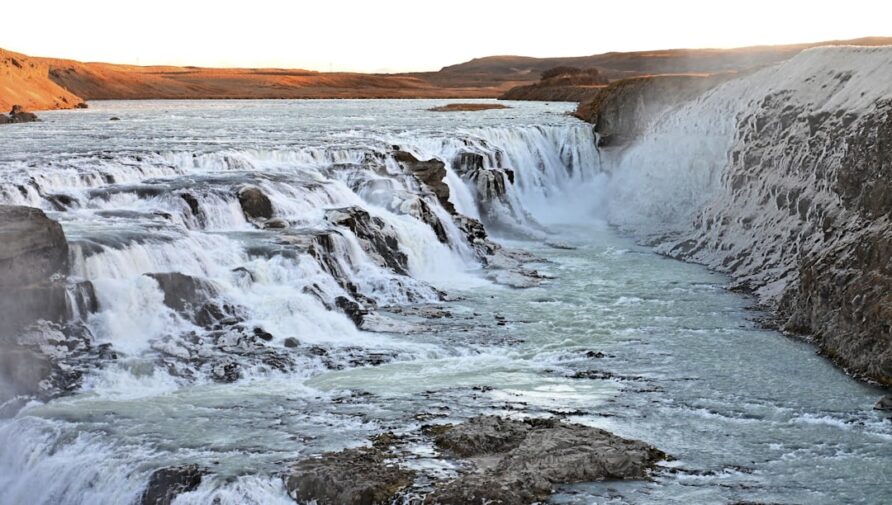
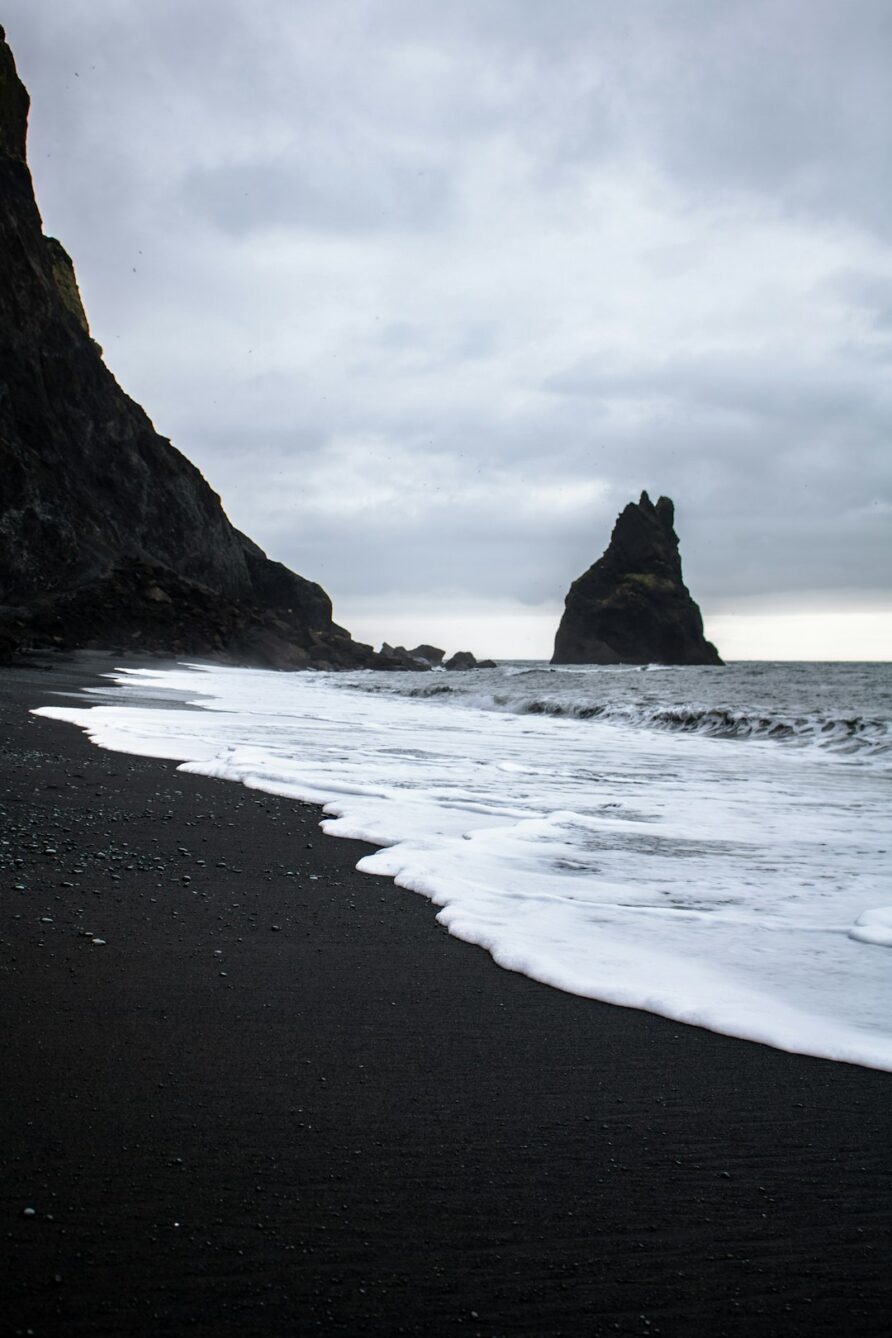
Responsible travel in Iceland isn’t just a trend – it’s the only way to truly experience this fragile, powerful landscape and help protect it for the future. From thundering waterfalls and black sand beaches to quiet fishing villages and bird-filled fjords, every step you take here leaves a mark. The goal is to make that mark a positive one.

At Ourhotels.is, we welcome guests to three very different corners of West and Northwest Iceland – Hvítá Inn in Borgarfjörður, Stykkishólmur Inn on the Snæfellsnes Peninsula, and Ísafjörður Inn in the Westfjords. Each location offers a chance to travel more responsibly: to slow down, support local communities, and connect with nature in a thoughtful way.

Responsible travel in Iceland starts with understanding how delicate the environment is. Volcanic soil erodes easily, moss can take decades to recover from a single footprint, and wildlife is sensitive to disturbance. When you stay with Ourhotels.is, you’re perfectly placed to explore responsibly: our inns are close to major sights, yet set in small communities where nature and daily life are closely intertwined.

In Borgarfjörður, Hvítá Inn sits near the glacial river Hvítá and within easy reach of hot springs, lava fields, and waterfalls. This region is ideal for travelers who want to avoid the busiest routes and still see classic Icelandic landscapes. By basing yourself here, you can explore in smaller loops, drive less, and spend more time outside the car. Walking marked trails, respecting fences and farm boundaries, and sticking to designated parking areas all help protect the land that local farmers and communities depend on. At Hvítá Inn, staff can point you toward less-crowded viewpoints and local swimming pools, where you can experience everyday Icelandic life rather than just ticking off sights.

On the Snæfellsnes Peninsula, Stykkishólmur Inn offers a gateway to one of Iceland’s most diverse regions – often called “Iceland in miniature.” Here, responsible travel means taking your time: instead of racing around the peninsula in a single day, you can stay in Stykkishólmur and explore at a slower pace. This reduces driving, spreads your spending across local cafés, bakeries, and tour operators, and gives you a chance to visit in off-peak hours when nature is quieter and less stressed. From Stykkishólmur Inn, you can join small-group boat tours, sample fresh local seafood, and learn about the area’s fishing heritage – all ways to support businesses that rely on healthy seas and sustainable practices.

Farther north, Ísafjörður Inn places you in the heart of the Westfjords, one of Iceland’s most remote and untouched regions. Here, responsible travel is especially important: narrow roads, steep cliffs, and sensitive bird cliffs demand extra care. By staying in Ísafjörður, you can join guided hikes and boat trips with local experts who know how to minimize impact on wildlife and fragile ecosystems. They’ll show you where to walk, when to keep your distance from nesting birds, and how to enjoy the dramatic scenery without leaving a trace. Supporting these local guides helps keep traditional knowledge alive and ensures that tourism benefits the community rather than overwhelming it.

Across all three inns, Ourhotels.is encourages simple habits that make a big difference. Refill your water bottle with pure tap water instead of buying plastic, turn off lights and heating when you leave your room, and reuse towels when possible. Choose local dishes at breakfast and dinner, and ask staff for recommendations on family-run restaurants, bakeries, and craft shops. Every króna spent locally helps small businesses thrive year-round, not just in the high season.

Respect for Icelandic culture is another key part of responsible travel. Many of the landscapes you’ll see around Hvítá Inn, Stykkishólmur Inn, and Ísafjörður Inn are tied to sagas, folklore, and centuries of fishing and farming traditions. Take time to visit local museums, chat with staff about the area’s history, and learn a few Icelandic phrases. A simple “takk” (thank you) or “góðan daginn” (good day) goes a long way in showing appreciation for the communities that host you.

Wildlife watching is a highlight for many visitors, especially in the Westfjords and around the islands near Stykkishólmur. Responsible behavior here is crucial: always keep a respectful distance from birds and marine life, follow your guide’s instructions, and never fly drones near nesting areas or over people without permission. By choosing ethical tour operators – something Ourhotels.is staff can help you with – you support businesses that put animal welfare and safety first.

Traveling outside the busiest months is another powerful way to be a responsible visitor. Spring and autumn in Borgarfjörður, Snæfellsnes, and the Westfjords are quieter, more relaxed, and often more rewarding. Roads are less crowded, nature has more breathing room, and your visit helps balance tourism across the year. Ourhotels.is welcomes guests in these shoulder seasons, offering a calmer, more authentic experience of Icelandic life.

Ultimately, responsible travel in Iceland is about balance: enjoying the freedom of the open road while respecting speed limits and conditions; seeking out dramatic viewpoints while staying on marked paths; chasing the northern lights without disturbing the darkness and peace of small towns. By choosing to stay with Ourhotels.is at Hvítá Inn, Stykkishólmur Inn, and Ísafjörður Inn, you’re already taking a step toward more sustainable, community-focused travel.

When you plan your journey, think of each stop not just as a place to sleep, but as a chance to connect – with the land, with local people, and with a slower, more mindful way of exploring. Iceland will reward you with moments of quiet beauty: the sound of a river outside Hvítá Inn, the glow of sunset over the harbor in Stykkishólmur, or the stillness of a Westfjords fjord viewed from Ísafjörður. Traveling responsibly ensures that these moments remain possible, for you and for everyone who follows.

Icelandic Swimming Pools & Hot Tub Etiquette

Soaking in a hot tub with steam rising into crisp, clean air is one of the purest Icelandic pleasures—and a must‑do during your stay with Ourhotels.is. But before you slip into that geothermal bliss, it helps to know a bit about Icelandic swimming pool and hot tub etiquette. It’s simple, respectful, and part of what keeps these beloved community spaces so clean and welcoming.

Whether you’re staying at Hvítá Inn in Borgarfjörður, Stykkishólmur Inn on the Snæfellsnes Peninsula, or Ísafjörður Inn in the Westfjords, you’ll find wonderful pools and hot tubs nearby. Here’s how to enjoy them like a local.

Iceland’s love affair with pools and hot tubs
In Iceland, swimming pools (sundlaugar) are much more than places to exercise. They’re social hubs, relaxation spots, and a daily ritual for many locals. Almost every town has at least one pool, usually with several hot tubs at different temperatures, a cold plunge, and often a steam room.

For travelers, this means:
– An easy way to unwind after a day of exploring
– A chance to meet locals in a relaxed setting
– A very affordable “spa” experience, often with incredible views

But to keep these spaces pristine, Icelanders follow a few clear rules.

The golden rule: shower naked, with soap
This is the most important part of Icelandic pool etiquette.

Before entering any pool or hot tub, you must:
1. Undress completely in the changing room
2. Shower naked in the communal showers
3. Wash thoroughly with soap—especially hair, armpits, feet, and private areas
4. Rinse off all soap before putting on your swimsuit

This isn’t optional. Because the water is often only lightly chlorinated and shared by many people, cleanliness is taken seriously. Don’t worry—everyone is focused on their own routine, and it’s simply a normal part of Icelandic life.

Changing room tips
– Remove shoes before entering the locker area if requested
– Use the lockers provided (you may need a coin or your own padlock in some places)
– Dry off before going back into the locker area to avoid puddles on the floor
– Keep your phone away—using cameras or phones in changing areas is strictly frowned upon

In the pool and hot tubs
Once you’re clean and in your swimsuit, it’s time to relax. A few simple guidelines will help you blend in:

– Rinse briefly before entering the pool or hot tub if you’ve been in the steam room or sauna
– Enter quietly and choose a spot without splashing others
– Keep voices low—people chat, but it’s more calm conversation than loud laughter
– Don’t dive or jump into hot tubs
– Long hair? Tie it back or keep it out of the water
– No glass containers—use plastic or metal bottles if you bring water

Hot tub culture: conversation and calm
Hot tubs (heitir pottar) are where Icelanders catch up on news, politics, and everyday life. You’re welcome to join in, but it’s also fine to simply sit back and enjoy the warmth.

– If a tub is crowded, choose another or wait a moment
– If someone seems to want quiet, respect their space
– A friendly “Góðan daginn” (good day) or “Sæll/Sæl” (hi) is always appreciated

Family‑friendly spaces
Icelandic pools are very family‑oriented, and you’ll often see children playing in the main pool while adults relax in the hot tubs.

– Follow any posted rules about children in hot tubs
– Running, shouting, and rough play are discouraged outside designated play areas
– Lifeguards are respected and their instructions followed immediately

Seasonal tips
– In winter, walk carefully—surfaces can be slippery
– Don’t leave towels or robes where they’ll get soaked by snow or rain
– In summer, pools can be busier in the evenings when locals finish work

How Ourhotels.is fits into your pool‑hopping plans

Staying with Ourhotels.is puts you close to some of the most charming pools in West Iceland and the Westfjords.

Hvítá Inn – Borgarfjörður (near Borgarnes)
From Hvítá Inn, you’re within easy reach of several excellent local pools. Borgarnes has a lovely outdoor pool complex with hot tubs and a waterslide, perfect after a day exploring Borgarfjörður’s waterfalls, lava fields, and hot springs. Ask at Hvítá Inn for directions and current opening hours—they’ll happily point you to their favorite spots.

Stykkishólmur Inn – gateway to Snæfellsnes
Stykkishólmur has one of Iceland’s most scenic pools, with views over Breiðafjörður’s islands on clear days. From Stykkishólmur Inn, it’s just a short walk or drive to soak in hot tubs while watching the light shift over the sea. It’s an ideal way to end a day of exploring the Snæfellsnes Peninsula’s black beaches, cliffs, and fishing villages.

Ísafjörður Inn – in the heart of the Westfjords
The Westfjords are famous for their dramatic landscapes—and their hot water. From Ísafjörður Inn, you can enjoy the town’s own pool or take day trips to nearby hot springs and pools scattered around the fjords. After hiking, kayaking, or driving along winding coastal roads, slipping into a hot tub with mountain views feels especially rewarding.

Making the most of your soak
To fully enjoy Icelandic pools during your stay with Ourhotels.is:

– Bring: swimsuit, towel, and a small toiletry bag with soap and shampoo
– Check: opening hours—many pools open early and close in the evening
– Plan: a pool visit at the end of your day’s activities for maximum relaxation
– Ask: Ourhotels.is staff for their favorite local pools and hidden hot pots

Respect the rules, embrace the ritual
Icelandic swimming pool and hot tub etiquette is all about respect—for the water, for other guests, and for a cherished part of local culture. Once you understand the basics—especially the full, soapy shower—you’ll find the experience natural and deeply relaxing.

During your stay at Hvítá Inn, Stykkishólmur Inn, or Ísafjörður Inn with Ourhotels.is, make time to visit the nearby pools. They’re not just an activity; they’re a window into everyday Icelandic life, and one of the most memorable ways to connect with this geothermal island.

Making the Most of Iceland’s Daylight

Iceland’s changing daylight is one of the country’s most magical features—and one of the most important things to understand when planning your trip. From endless summer evenings to soft winter twilight, knowing how to use the light can turn a good holiday into an unforgettable one.

Staying with Ourhotels.is in West Iceland puts you in the perfect position to enjoy every hour of daylight, whether you’re chasing the midnight sun or hoping for a glimpse of the northern lights.

In summer, the long days mean you can slow down and stretch out your adventures. Around the Hvítá Inn in Borgarfjörður, close to Borgarnes, you can explore waterfalls, hot springs, and lava fields well into the evening. The low golden light of late “night” is ideal for photography, and the quieter hours mean you’ll often have viewpoints almost to yourself. After a full day outside, you can return to Hvítá Inn for a relaxed evening, watching the sky glow long after the sun dips toward the horizon.

On the Snæfellsnes Peninsula, The Stykkishólmur Inn is a wonderful base for making the most of Iceland’s soft coastal light. The colorful harbor, nearby islands, and views across Breiðafjörður look different at every hour. Early risers can enjoy calm, pastel sunrises over the sea, while late-night wanderers can walk the harbor under a sky that never quite gets dark in midsummer. With so much daylight, you can comfortably fit in boat tours, short hikes, and village strolls all in one “day” without feeling rushed.

Farther north and west, Ísafjörður Inn places you in the dramatic Westfjords, where the light feels even more remote and wild. Here, the long evenings are perfect for scenic drives along fjords, quiet walks by the water, and lingering over dinner while the mountains are still lit by the last rays of the sun. In late summer and early autumn, the shifting daylight adds depth and mood to the landscape, making every viewpoint feel cinematic.

In winter, daylight becomes precious—and magical in a different way. With fewer hours of sun, planning your activities around the brightest part of the day is essential. Staying with Ourhotels.is helps you do just that. From Hvítá Inn, you can use the short daylight window to visit nearby natural attractions, then return to cozy surroundings as twilight settles in. The long evenings are ideal for relaxing, enjoying local food, and, when conditions are right, stepping outside to look for the northern lights.

At The Stykkishólmur Inn, winter daylight brings a soft, blue-toned glow over the harbor and surrounding islands. It’s a peaceful time for photography, quiet walks, and simply watching the changing sky from the comfort of town. As darkness returns early, you have a better chance of seeing the aurora dance above the sea—often without having to go far from your room.

In Ísafjörður, the winter light is especially atmospheric. The low sun, when it appears, paints the mountains in pink and gold, and the short days encourage a slower pace. Ísafjörður Inn offers a warm base where you can plan daytime excursions, then come back to rest as the town lights reflect off the snow. With long nights and clear skies, the Westfjords can be an excellent place for northern lights viewing.

No matter when you visit, a few simple tips will help you make the most of Iceland’s daylight:

– Check sunrise and sunset times before planning your day.
– In summer, use the long evenings for sightseeing to avoid crowds.
– In winter, focus outdoor activities around midday and keep evenings flexible for aurora hunting.
– Always keep a camera handy—the light changes quickly and dramatically.

By choosing Ourhotels.is properties like Hvítá Inn in Borgarfjörður, The Stykkishólmur Inn, and Ísafjörður Inn, you place yourself in some of West Iceland’s most beautiful light. Whether you’re walking under a midnight sun or watching the first pale glow of dawn return after a long winter night, these inns give you a comfortable, well-located base to experience Iceland’s daylight at its very best.

Making the Most of Iceland’s Daylight

Iceland’s ever-changing daylight is one of the country’s greatest natural wonders—and one of the most important things to understand when planning your trip. From endless summer evenings to soft winter twilight, knowing how to use the light to your advantage can transform your experience. Staying with Ourhotels.is in West Iceland puts you in the perfect position to enjoy every hour of it, whether you’re chasing the midnight sun or the northern lights.

In summer, the long days invite you to slow down and stretch your adventures well beyond “normal” sightseeing hours. Around the Borgarfjörður area, where Hvítá Inn is located, you can wander by rivers and waterfalls late into the evening without worrying about darkness falling. Imagine checking into Hvítá Inn near Borgarnes, enjoying a relaxed dinner, and then heading out for a golden-hour walk that lasts for hours. The soft, low-angle light makes the surrounding mountains, farms, and the glacial river Hvítá look almost unreal—perfect for photography and quiet reflection.

Further out on the Snæfellsnes Peninsula, The Stykkishólmur Inn offers a front-row seat to some of Iceland’s most beautiful coastal light. Stykkishólmur is known for its colorful houses, harbor views, and island-dotted bay, all of which look different as the light shifts through the day and late into the night. With the long summer evenings, you can take a late boat tour, climb the hill by the lighthouse after 10 pm, or simply sit by the harbor watching the sky slowly change color. Staying at The Stykkishólmur Inn means you’re just a short stroll from these views whenever the light is at its best.

If you’re venturing further northwest, Ísafjörður Inn places you in the dramatic Westfjords, where the interplay of light and landscape is especially striking. Here, the sun hangs low over steep mountains and deep fjords, casting long shadows and painting the sea in shades of silver and gold. In summer, you can hike, kayak, or simply drive the winding fjord roads late into the evening, knowing that daylight will linger. Ísafjörður’s compact town center and harbor are particularly atmospheric in the soft evening light, and from Ísafjörður Inn you can easily step out for a late walk or a quiet moment by the water.

Winter brings a different kind of magic. The days are shorter, but the light is often more dramatic—pale blues, pinks, and golds that can make even a simple drive unforgettable. Around Hvítá Inn in Borgarfjörður, the low winter sun can turn the snowy fields and mountains into a glowing landscape, especially around sunrise and sunset. Planning your outdoor activities around these hours lets you see the region at its most beautiful, then return to the inn to warm up and relax.

In Stykkishólmur, winter daylight has a calm, almost cinematic quality. The Stykkishólmur Inn makes it easy to step outside during the brightest hours to explore the harbor, visit nearby viewpoints, or take a short drive along the coast. When the sun dips below the horizon, the darkness opens up the possibility of northern lights. With less light pollution than the city, you have a better chance of seeing the aurora dance above the bay on clear nights.

In Ísafjörður, winter light is especially atmospheric. The mountains rise steeply around the town, and the low sun often creates dramatic contrasts of light and shadow. From Ísafjörður Inn, you can plan your day to make the most of the limited daylight—perhaps a morning walk through town, a midday excursion along the fjord, and then a cozy evening indoors watching the sky for northern lights. The long nights here are ideal for aurora hunting, and the quiet of the Westfjords makes the experience feel even more special.

No matter the season, a few simple strategies help you make the most of Iceland’s daylight. In summer, don’t be afraid to shift your schedule later—sleep in a bit, enjoy a leisurely breakfast at your Ourhotels.is property, and then explore into the evening when the light is softer and many places are quieter. In winter, plan your main activities around the middle of the day, and use the mornings and evenings for shorter walks, scenic drives, or simply enjoying the view from your inn.

Choosing where you stay has a big impact on how you experience the light. Ourhotels.is properties in West Iceland—Hvítá Inn in Borgarfjörður near Borgarnes, The Stykkishólmur Inn, and Ísafjörður Inn—are all located in areas where the landscape and the sky are constantly interacting. From river valleys and coastal villages to dramatic fjords, each inn offers its own way to connect with Iceland’s unique daylight.

By understanding the rhythm of the light and basing yourself in the right places, you can turn every hour of your trip into part of the adventure. Whether you’re watching the midnight sun hover over the horizon or waiting for the first glow of dawn on a winter morning, Ourhotels.is gives you a comfortable, well-placed base to enjoy Iceland’s changing skies to the fullest.

Eating in Iceland: What to Expect

Eating in Iceland is an experience that blends fresh local ingredients, centuries-old traditions, and a growing modern food scene. Whether you’re exploring the West of Iceland or staying with Ourhotels.is at Hvítá Inn in Borgarfjörður, Stykkishólmur Inn, or Ísafjörður Inn, you’ll find plenty of memorable flavors along the way.

Icelandic cuisine is deeply connected to nature. The cold, clean waters around the island provide excellent fish and seafood, while the harsh climate has shaped a food culture based on preservation, simplicity, and quality ingredients. Expect menus that highlight fresh fish, lamb, dairy, and seasonal produce, often prepared in a straightforward way that lets the ingredients speak for themselves.

Fish is a cornerstone of Icelandic food. Cod, haddock, Arctic char, and halibut are common, often served grilled, pan-fried, or baked with simple sides like potatoes and vegetables. In coastal towns such as Stykkishólmur, you’ll find restaurants and cafés that serve incredibly fresh seafood, sometimes caught the same day. When staying at the Stykkishólmur Inn with Ourhotels.is, you’re perfectly placed to explore local eateries that specialize in fish soup, plokkfiskur (a comforting fish and potato mash), and shellfish from Breiðafjörður Bay.

Lamb is another highlight. Icelandic lamb is free-range, grazing on wild herbs and grasses, which gives the meat a distinct, delicate flavor. You’ll see lamb in many forms: roasted, grilled, in hearty stews, or as smoked meat. While staying at Hvítá Inn in Borgarfjörður, close to Borgarnes, you’re in one of the country’s rich agricultural regions. Local restaurants and farm-to-table spots often feature lamb dishes alongside fresh dairy products and homemade breads, giving you a taste of rural Icelandic life.

Dairy plays a big role in everyday eating. Skyr, a thick, protein-rich cultured dairy similar to yogurt, is a staple at breakfast and as a snack or dessert. You’ll also encounter excellent butter, cheeses, and ice cream made from local milk. At Ourhotels.is properties like Ísafjörður Inn in the Westfjords, you can start your day with a traditional Icelandic breakfast featuring skyr, breads, cold cuts, and cheeses before heading out to explore the dramatic fjord landscapes.

Iceland is also known for its traditional preserved foods, developed long before refrigeration. You may see items like hangikjöt (smoked lamb), harðfiskur (dried fish, often eaten with butter), and rúgbrauð (dense, dark rye bread sometimes baked in geothermal heat). These are worth trying if you’re curious about authentic Icelandic heritage. Many cafés and bakeries in towns like Borgarnes, Stykkishólmur, and Ísafjörður offer modern twists on these classics, making them more approachable for visitors.

For those who have heard about more “extreme” Icelandic foods—such as fermented shark (hákarl) or sheep’s head—these are not part of everyday eating and are usually found in specialty places or during festivals. If you want to sample them, ask the staff at Hvítá Inn, Stykkishólmur Inn, or Ísafjörður Inn for recommendations; they can point you to local spots that serve these traditional delicacies in a respectful, informative way.

Vegetarians and vegans will find more options than in the past, especially in larger towns and popular travel areas. Many restaurants now offer plant-based dishes, soups, salads, and grain bowls. In the West of Iceland, you’ll still want to check menus in advance, but the staff at Ourhotels.is can help you locate suitable dining options near each inn.

Eating out in Iceland tends to be casual but high quality. Portions are generally generous, and you’ll often find daily specials based on what’s freshest. Prices can be higher than in many other countries due to Iceland’s small population and import costs, so it’s worth planning your meals and mixing restaurant visits with supermarket stops for snacks and picnic-style lunches. All three Ourhotels.is locations—Hvítá Inn, Stykkishólmur Inn, and Ísafjörður Inn—are well placed near local grocery stores and bakeries, making it easy to balance your food budget.

You’ll also notice a strong coffee culture. Even in small towns, you can usually find a cozy café serving good coffee, pastries, and cakes. Try kleinur (twisted doughnuts), vínarterta (layered cake), or a slice of homemade cake with rhubarb or berries. After a day of exploring waterfalls in Borgarfjörður, islands around Stykkishólmur, or the fjords near Ísafjörður, relaxing with coffee and something sweet is a simple Icelandic pleasure.

Seasonality matters in Iceland. In summer, you’ll see more fresh vegetables, berries, and herbs on menus, while winter brings heartier dishes and warming soups. No matter when you visit, you can expect clean flavors, high-quality ingredients, and a strong connection to the surrounding landscape.

Staying with Ourhotels.is in West Iceland gives you a great base to explore this food culture:

– At Hvítá Inn in Borgarfjörður, you’re close to farms, greenhouses, and local producers, ideal for tasting fresh lamb, dairy, and vegetables.
– At Stykkishólmur Inn, you’re right by the sea, with easy access to seafood restaurants and boat tours that highlight the richness of Breiðafjörður Bay.
– At Ísafjörður Inn in the Westfjords, you can enjoy a mix of traditional fish dishes, modern bistro-style cooking, and cozy cafés in one of Iceland’s most scenic regions.

Eating in Iceland is about more than just trying new dishes; it’s about experiencing how Icelanders live with their environment. From simple fish soup in a harbor café to a lamb dinner after a day of exploring waterfalls and fjords, your meals become part of the journey. With Ourhotels.is as your base in West Iceland, you’ll have plenty of opportunities to discover the flavors that make Icelandic food unique.

Nature Safety Essentials

Exploring the wild beauty of West Iceland is unforgettable—but it also means respecting nature and staying safe while you do it. At Ourhotels.is, we welcome guests who come for the waterfalls, glaciers, hot springs, and rugged coastlines, and we want every adventure to be both magical and safe. Here are some nature safety essentials to keep in mind when you visit.

First, always check the weather and road conditions before you head out. Icelandic weather can change in minutes—from sunshine to strong winds, rain, or snow. Use official sites like vedur.is for weather and road.is for driving conditions, and don’t hesitate to ask the staff at Ourhotels.is for the latest local advice. We live here and know how quickly conditions can shift in West Iceland.

Clothing is your first line of protection. Dress in layers, including a moisture-wicking base layer, a warm mid-layer, and a windproof, waterproof outer shell. Even in summer, temperatures can drop suddenly, especially near glaciers, waterfalls, and the ocean. Sturdy, waterproof hiking boots with good grip are essential on wet rocks, muddy trails, and uneven lava fields. Guests at Ourhotels.is often underestimate how slippery mossy stones and black sand beaches can be—proper footwear makes a big difference.

When visiting waterfalls, cliffs, and geothermal areas, always respect barriers and warning signs. Fences and ropes are not suggestions; they are there because the ground can be unstable, the currents strong, and the steam vents dangerously hot. In West Iceland, you’ll find many beautiful but powerful natural sites—never step too close to the edge of cliffs or waterfalls, and avoid walking on ice or snow bridges unless you are with a certified guide.

The ocean around Iceland is breathtaking but can be unpredictable. Sneaker waves on beaches can appear suddenly and pull you into the water. Stay well back from the shoreline, especially on days with strong winds or large waves. If you’re unsure how close is safe, ask the team at Ourhotels.is before you go; we can recommend beaches and viewpoints that are both scenic and safer for visitors.

If you plan to hike, choose routes that match your experience and fitness level. Many trails in West Iceland are unmarked or only lightly marked, and fog can reduce visibility quickly. Always tell someone where you’re going and when you expect to return. Guests at Ourhotels.is can share their plans with reception so we know which area you’re exploring. Carry a fully charged phone, a power bank, water, snacks, and a map or offline navigation—mobile coverage can be limited in remote areas.

Geothermal hot springs are one of Iceland’s greatest pleasures, but they also require caution. Only bathe in known, safe hot springs where temperatures are monitored or well documented. Some natural pools can be far hotter than they look, and water temperatures can vary within the same pool. Ourhotels.is staff can guide you to safe, legal bathing spots and help you avoid fragile or dangerous areas.

Driving in Iceland is another key safety topic. Many visitors are not used to gravel roads, single-lane bridges, or strong crosswinds. Always drive at a speed that matches the conditions, not just the speed limit. Never stop in the middle of the road for photos, and use designated parking areas or safe pull-outs. If you’re unsure whether your rental car is suitable for a certain road, ask before you go—Ourhotels.is can help you understand which routes are appropriate for your vehicle and the season.

Respect for nature is also part of staying safe. Stick to marked paths to avoid damaging delicate moss and vegetation, and to prevent getting lost or stepping into hidden holes or unstable ground. Do not drive off-road under any circumstances; it’s illegal and can cause long-lasting damage to the landscape. By following the rules, you protect both yourself and the environment you came to enjoy.

Finally, plan with flexibility. In Iceland, nature always has the final word. Sometimes a hike, a beach visit, or a mountain road will simply not be safe that day. At Ourhotels.is, we encourage guests to see this as part of the Icelandic experience: when conditions change, we’re happy to suggest alternative sights, local experiences, or cozy indoor activities until it’s safe to head out again.

By preparing properly, respecting local guidelines, and listening to nature, you can enjoy West Iceland’s dramatic landscapes with confidence. Ourhotels.is is here not only to provide a comfortable place to stay, but also to help you explore safely—so your memories of Iceland are filled with wonder, not worry.

What to Pack for Your Iceland Trip

Packing for Iceland is all about being ready for changing weather, stunning outdoor adventures, and cozy evenings after a day of exploring. Whether you’re visiting in the bright summer months or during the magical northern lights season, having the right gear will make your trip more comfortable and enjoyable. Here’s a practical guide on what to pack for your Iceland trip, with a special focus on staying in the west of Iceland with Ourhotels.is.

Start with layers. Icelandic weather can shift from sunshine to wind and drizzle in a matter of minutes, so think in terms of clothing you can easily add or remove. A good base layer (thermal top and leggings made of wool or synthetic material) will keep you warm and dry. On top of that, pack a few long-sleeve shirts or light sweaters, and then a warm mid-layer such as a fleece or wool jumper. Finish with a windproof and waterproof outer shell—ideally a breathable rain jacket and, in colder months, insulated waterproof pants.

Footwear is crucial. Bring sturdy, waterproof hiking boots with good ankle support, especially if you plan to explore waterfalls, lava fields, or coastal paths in West Iceland. The ground can be wet, rocky, and slippery, so reliable boots make a big difference. Pack warm, moisture-wicking socks (wool is best) and a few extra pairs in case they get damp. For relaxing at Ourhotels.is after a long day, a pair of comfortable indoor shoes or slippers is a welcome luxury.

Accessories can make or break your comfort level. A warm hat, gloves, and a scarf or buff are essential almost year-round, particularly if you’re heading out in the evening to look for the northern lights. Sunglasses and sunscreen are also important—yes, even in Iceland. The sun can be surprisingly strong, especially when reflecting off snow, ice, or water. A swimsuit and quick-dry towel are must-haves too; hot springs, geothermal pools, and hot tubs are a big part of Icelandic culture, and many guests at Ourhotels.is love to unwind in warm water after a day of sightseeing.

For your day-to-day exploring, pack a small, comfortable daypack. It should be big enough to hold water, snacks, an extra layer, your camera, and any personal items. A reusable water bottle is essential; Icelandic tap water is some of the purest in the world, and you can fill up at Ourhotels.is before heading out. Consider bringing a thermos as well—there’s nothing like a hot drink while you’re admiring a waterfall or a windswept coastline.

Electronics and travel essentials deserve some thought. Iceland uses standard European plugs (Type C and F), so bring an appropriate adapter if needed. A power bank is useful for keeping your phone and camera charged during long days out, especially if you’re using them for navigation and photos. If you’re planning to chase the northern lights, a camera with manual settings and a tripod will help you capture the experience. Guests at Ourhotels.is often appreciate having offline maps downloaded in advance, as mobile coverage can be patchy in more remote areas.

Your personal care kit should include any medications you need, basic first-aid items, and skincare that can handle wind and cold—lip balm and a good moisturizer are particularly helpful. While you can buy most things in Iceland, prices can be higher than you’re used to, so it’s smart to arrive prepared. Pack swimwear-friendly toiletries in a small bag so you can easily grab them when heading to local pools or hot springs near Ourhotels.is.

Seasonality matters when deciding what to pack. In summer, you’ll want a sleep mask because of the midnight sun, lighter layers, and perhaps a bug net for certain areas, though West Iceland is usually comfortable. In winter, focus on extra-warm layers, thicker gloves, and insulated boots. No matter the season, a reflective band or small flashlight can be useful, especially if you’re walking around in low light.

Finally, leave a little space in your luggage. Many guests at Ourhotels.is end up picking up local wool sweaters, scarves, or handmade souvenirs from nearby villages. These not only keep you warm during your stay but also become lasting reminders of your time in Iceland.

By packing smartly—prioritizing layers, waterproof gear, and a few thoughtful extras—you’ll be ready for everything from dramatic coastal hikes to peaceful evenings under the stars. When you stay with Ourhotels.is in the west of Iceland, you’ll have a comfortable base to return to, warm up, and recharge, knowing you’ve brought exactly what you need to make the most of your Icelandic adventure.

Self-Drive Tips for Iceland’s Roads

Driving yourself around Iceland is one of the best ways to experience the country’s wild landscapes, hidden hot springs, and dramatic coastlines at your own pace. Whether you’re planning to circle the island or explore the Westfjords and Snæfellsnes Peninsula, a few self‑drive tips will make your journey safer, smoother, and more enjoyable. Basing yourself with Ourhotels.is in West Iceland gives you a comfortable, well‑located starting point for day trips and longer road adventures.

The first thing to know about self‑drive holidays in Iceland is that conditions change quickly. Even in summer, you can encounter fog, heavy rain, or strong winds within a short distance. Always check the official road and weather websites before you set out, and be prepared to adjust your plans. From Ourhotels.is properties in West Iceland, it’s easy to plan flexible routes: if the highlands are too rough, you can opt for a scenic coastal drive or explore nearby waterfalls, lava fields, and fishing villages instead.

Choosing the right rental car is essential. For most of the Ring Road and main paved routes, a regular 2WD vehicle is enough in summer. However, if you plan to drive on gravel roads or venture onto F‑roads in the highlands (only allowed in summer and with a suitable vehicle), a 4×4 is strongly recommended. Many guests staying with Ourhotels.is combine a comfortable hotel base with day trips in a 4×4, returning each evening to hot showers, good food, and a warm bed rather than remote mountain huts.

Speed limits in Iceland are lower than in many other countries: generally 50 km/h in towns, 80 km/h on gravel roads, and 90 km/h on paved rural roads. These limits exist for a reason—gravel, sharp bends, and sudden weather changes can catch drivers off guard. Take your time, especially on single‑lane bridges and blind hills. When you stay at Ourhotels.is, our staff can help you estimate realistic driving times between attractions in West Iceland and beyond, so you don’t feel rushed and can enjoy the scenery safely.

One of the most important self‑drive tips for Iceland is to respect gravel roads. Many visitors are surprised by how loose the surface can be. Slow down when transitioning from paved to gravel roads, keep a firm grip on the wheel, and increase your following distance to avoid flying stones. If you’re exploring the Snæfellsnes Peninsula or the quieter roads of Borgarfjörður from an Ourhotels.is location, you’ll likely encounter gravel stretches—driving calmly and steadily will make the journey far more pleasant.

Iceland’s weather deserves special attention. Wind can be strong enough to damage car doors if opened carelessly, especially on exposed viewpoints and mountain passes. Always hold onto your door when getting in or out of the car. In winter, snow and ice demand extra caution and studded tires. Many travelers choose to stay at Ourhotels.is in West Iceland during the colder months because it offers easy access to main roads that are cleared more frequently, while still being close to natural wonders like lava fields, hot springs, and waterfalls.

Another key tip is to never stop in the middle of the road for photos, no matter how stunning the view. Use designated parking areas and lay‑bys. Iceland’s roads are often narrow with limited visibility, and sudden stops can be dangerous. Fortunately, many of the most photogenic spots in West Iceland—such as coastal cliffs, black beaches, and glacier views—have convenient parking areas, and Ourhotels.is staff can point you toward the safest and most scenic stops.

If you’re new to driving in Iceland, consider planning shorter driving days and focusing on one region at a time. West Iceland is ideal for this style of travel. From Ourhotels.is hotels, you can reach the Snæfellsnes Peninsula, Hraunfossar and Barnafoss waterfalls, historic sites, and geothermal areas on easy day trips. This allows you to enjoy the freedom of a self‑drive holiday without the stress of long, exhausting days behind the wheel.

Fuel stations can be far apart in rural areas, so fill up whenever you have the chance, especially before heading into more remote regions. Many stations are self‑service and open 24/7 with card payment. Ourhotels.is reception teams are happy to advise you on where to refuel along your planned route and which services you’ll find in each town.

Finally, remember that part of the magic of a self‑drive trip in Iceland is the ability to slow down and explore. Build extra time into your itinerary for unplanned stops—maybe a small hot spring you spot from the road, a local café in a fishing village, or a viewpoint you hadn’t heard about. By using Ourhotels.is as your base in West Iceland, you can enjoy this flexibility while always having a comfortable, welcoming place to return to at the end of the day. With the right preparation and respect for Iceland’s unique driving conditions, your self‑drive adventure will be both safe and unforgettable.

Understanding Icelandic Weather

Understanding Icelandic weather is key to enjoying your trip, especially in the wild and wonderful west of Iceland. The island sits where cold Arctic air meets warmer Atlantic systems, so conditions can change quickly—sometimes dramatically—within a single day. That’s part of the magic, but it also means a bit of preparation goes a long way.

Iceland has four distinct seasons, yet each can bring a mix of sun, rain, wind, and even snow—sometimes within a few hours. In winter, you can expect short days, dancing northern lights, crisp air, and occasional storms. Temperatures are often milder than many visitors expect, usually hovering around freezing along the coast, but wind and humidity can make it feel colder. In summer, long days and the midnight sun create ideal conditions for exploring waterfalls, black-sand beaches, and coastal villages in the west, with temperatures typically between 10–15°C, sometimes warmer on calm, clear days.

The west of Iceland, where Ourhotels.is properties are located, often experiences slightly milder coastal conditions than the highlands but can still be very changeable. A sunny, calm morning can turn into a windy, rainy afternoon, and then clear again by evening. This is why Icelanders often say, “If you don’t like the weather, just wait five minutes.” When you stay with Ourhotels.is, reception teams are used to these quick shifts and can help you read local forecasts, adjust your plans, and choose the best times of day to visit nearby attractions.

Wind plays a major role in how the weather feels. A strong Atlantic breeze can turn light rain into sideways showers and quickly chill exposed skin, even in summer. Layered clothing is more important than heavy clothing: a base layer to keep you dry, a warm mid-layer like wool or fleece, and a waterproof, windproof shell. Sturdy, waterproof shoes are essential for exploring the western fjords, cliffs, and lava fields. Ourhotels.is staff are happy to advise what to wear for specific excursions, whether you’re heading to a glacier lookout, a coastal hike, or a hot spring.

Daylight also changes dramatically through the year. In winter, especially from November to January, days are short, with long twilight hours that create a soft, atmospheric light for photography. This is also prime northern lights season when skies are clear. Guests at Ourhotels.is often appreciate being able to step straight from their room into the fresh night air to scan the sky for auroras, then return quickly to warmth and comfort. In summer, the nearly endless daylight means you can plan flexible itineraries—starting later in the day, avoiding crowds at popular spots, or enjoying late-evening walks by the ocean.

Rain is common but usually comes in light or moderate showers rather than long, heavy downpours. Having a light waterproof jacket or shell in your daypack makes it easy to keep exploring in changing conditions. The western region offers many indoor and sheltered options—museums, cozy cafés, geothermal pools—so you can simply shift your plans if the weather briefly turns. The team at Ourhotels.is can suggest weather-friendly alternatives nearby, from scenic drives to hot springs that are especially magical in mist and drizzle.

Snow is most likely from late autumn through early spring. Coastal areas in the west are often snow-dusted rather than deeply covered, but roads can still become slippery. Always check driving conditions and local warnings, especially in winter months. Staying at Ourhotels.is gives you a reliable home base where you can monitor updated conditions, ask for driving tips, and adjust your route safely. If a storm is forecast, it’s often best to plan shorter excursions or enjoy the facilities and views around your hotel until conditions improve.

The best way to embrace Icelandic weather is to view it as part of the experience, not an obstacle. Mist over the mountains, fast-moving clouds, sudden shafts of sunlight, and wind-whipped seas all create the dramatic landscapes visitors come to see. With flexible plans and the right gear, every kind of weather offers something unique—sharp, clear days for photography, soft grey skies for moody seascapes, or snowy evenings for hot-tub soaks under the open sky.

Ourhotels.is is here to help you navigate it all. From offering local insight on the day’s forecast to suggesting the best nearby spots for the conditions, our hotels in west Iceland give you both comfort and confidence as you explore. By understanding Icelandic weather—and having a knowledgeable local team on your side—you’ll be able to travel safely, stay comfortable, and fully enjoy the ever-changing beauty of this remarkable part of the world.