Blog

Seals and Wildlife Viewing Tips

Seals are among Iceland’s most charming wild residents, and the west and Westfjords regions are some of the best places in the country to see them in their natural habitat. Whether you’re staying near Borgarnes, exploring the Snæfellsnes Peninsula, or venturing into the dramatic fjords of the northwest, you’ll find excellent opportunities for seal and wildlife viewing—often just a short drive from Ourhotels.is locations.

Below are practical tips to help you enjoy seal and wildlife encounters safely and respectfully, along with suggestions on where to base yourself: Hvítá Inn in Borgarfjörður, Stykkishólmur Inn, and Ísafjörður Inn.

Seals in West Iceland: What to Expect
Harbour seals and grey seals are the most commonly seen species along Iceland’s coasts. You’ll often spot them:
– Resting on rocks or sandy spits at low tide
– Popping their heads up in calm bays and fjords
– Basking near river mouths where fish are plentiful

They’re naturally curious but easily disturbed, so a calm, patient approach is essential.

Best Areas for Seal Watching Near Ourhotels.is

1. From Hvítá Inn – Borgarfjörður & West Coast
Staying at Hvítá Inn places you within easy reach of the west coast and its rich birdlife and marine life. After exploring the waterfalls, hot springs, and lava fields of Borgarfjörður, head toward the shoreline and estuaries where seals sometimes rest and feed.

Tips from this base:
– Combine a scenic coastal drive with short stops at viewpoints and small harbours.
– Bring binoculars to scan offshore rocks and sandbanks.
– Visit in the early morning or late evening for quieter conditions and softer light for photography.

2. From Stykkishólmur Inn – Snæfellsnes Peninsula
Stykkishólmur is one of Iceland’s classic wildlife hubs. From Stykkishólmur Inn, you’re perfectly placed for:
– Boat tours in Breiðafjörður Bay, known for seals, seabirds, and sometimes whales
– Coastal walks where you can watch for seals resting on skerries and islets
– Bird cliffs and islands teeming with puffins (in season), kittiwakes, and other seabirds

For many guests of Ourhotels.is, a seal-spotting boat tour from Stykkishólmur is a highlight of their trip, combining wildlife viewing with stunning views of the islands and Snæfellsjökull glacier on clear days.

3. From Ísafjörður Inn – Westfjords Wilderness
The Westfjords are one of Iceland’s wildest regions, and Ísafjörður Inn is an ideal base for exploring remote fjords and quiet coves where wildlife thrives. Here you can:
– Join guided boat trips to search for seals, whales, and porpoises
– Drive along narrow fjords and scan the shoreline for seals hauled out on rocks
– Combine seal watching with visits to famous bird cliffs and remote beaches

The relative remoteness of the Westfjords means fewer crowds and a higher chance of peaceful, unhurried wildlife encounters.

Wildlife Viewing Tips: How to Watch Responsibly

1. Keep a Safe Distance
– Use binoculars or a zoom lens instead of walking closer.
– If a seal lifts its head, shuffles away, or repeatedly looks at you, you’re too close.
– Never stand between a seal and the water; it must always have a clear escape route.

2. Stay Quiet and Move Slowly
– Speak softly and avoid sudden movements.
– Sit or kneel rather than looming over animals.
– Turn off camera flashes; they can startle wildlife and ruin your photos.

3. Respect Nesting Birds and Other Wildlife
Seals share their habitat with many bird species and other animals.
– Keep to marked paths where possible, especially near cliffs and nesting areas.
– Avoid walking through seaweed-covered rocks and dunes where birds may nest.
– Never attempt to touch or feed any wild animal.

4. Be Extra Careful Around Pups
Seal pups may rest alone on beaches or rocks while their mothers feed offshore.
– Do not approach or touch pups, even if they look “abandoned.”
– Keep dogs on a leash and well away from wildlife.
– If you’re concerned about an injured animal, ask local staff at your Ourhotels.is accommodation for advice on who to contact.

5. Dress for the Conditions
Coastal and fjord weather can change quickly. For a comfortable wildlife outing:
– Wear warm, windproof layers and a waterproof outer shell.
– Choose sturdy, non-slip footwear for wet rocks and uneven ground.
– Pack gloves, a hat, and a dry bag for your camera or phone.

6. Time Your Visit
– Low tide often reveals more rocks and sandbanks where seals like to rest.
– Early morning and late evening can be quieter and more atmospheric.
– Summer brings long daylight hours and abundant birdlife; spring and autumn can be excellent for fewer crowds and dramatic light.

Planning Your Stay with Ourhotels.is

Choosing the right base can make wildlife watching easier and more rewarding:
– Hvítá Inn in Borgarfjörður: Ideal if you want to combine seal spotting with waterfalls, hot springs, and historic sites in West Iceland.
– Stykkishólmur Inn: Perfect for boat tours in Breiðafjörður, island hopping, and exploring the Snæfellsnes Peninsula’s rich marine life.
– Ísafjörður Inn: Best for those seeking remote fjords, rugged landscapes, and some of Iceland’s most untouched wildlife habitats.

At each Ourhotels.is location, staff can help you:
– Find local tour operators focused on responsible wildlife viewing
– Check weather and tide conditions
– Get up-to-date tips on where seals and other wildlife have recently been spotted

By combining thoughtful planning, respectful behavior, and comfortable bases like Hvítá Inn, Stykkishólmur Inn, and Ísafjörður Inn, you’ll give yourself the best chance of unforgettable seal and wildlife encounters in West Iceland and the Westfjords—while helping to keep these wild places truly wild for future visitors.
Puffin Watching Best Practices

Puffin watching in West Iceland is one of those rare experiences that feels both magical and completely real at the same time. Standing on a windswept cliff, watching these colorful little seabirds glide in from the ocean with beaks full of fish, is unforgettable. To keep it that way—for both visitors and the puffins—it’s important to follow a few simple best practices.

Below you’ll find practical tips for ethical puffin watching, along with how to make the most of your trip by staying at comfortable, well-located bases like Hvítá Inn in Borgarfjörður, Stykkishólmur Inn on the Snæfellsnes Peninsula, and Ísafjörður Inn in the Westfjords, all part of Ourhotels.is.

Puffin Watching in Iceland: Respect Comes First
Puffins are wild seabirds that spend most of their lives at sea, only coming to land to nest and raise their chicks. In Iceland, they usually arrive in late April and stay until mid-August, with the peak viewing season from June to early August. During this time, they are busy feeding their young and are easily disturbed.

To enjoy puffin watching responsibly:

1. Keep a Safe Distance
Stay on marked paths and viewing platforms whenever they are available. Puffin burrows are often just beneath the surface of the grassy cliffs, and walking too close can collapse their nests. Use binoculars or a zoom lens instead of trying to get close with your phone.

2. Never Touch or Chase Puffins
Puffins may look tame, but they are not pets. Avoid trying to touch, feed, or follow them. Stress can cause them to abandon their nests or waste precious energy they need for feeding and flying.

3. Stay Quiet and Move Slowly
Loud noises and sudden movements can frighten puffins and other seabirds. Speak softly, move gently, and avoid running or waving your arms near nesting areas. This is especially important if you’re visiting with children—turn it into a “quiet nature detective” game.

4. Protect the Cliffs and Burrows
Do not sit or lie on the very edge of the cliffs, and avoid stamping or jumping on grassy areas near the edge. Puffin burrows are fragile tunnels; collapsing them can injure birds or destroy their nests.

5. No Flash Photography
If you’re taking photos, turn off the flash. Bright bursts of light can disturb the birds, especially in low light conditions. A tripod or image stabilization and a zoom lens will give you better photos without stressing the puffins.

6. Leave No Trace
Take all your rubbish with you, including food wrappers and tissues. Microplastics and litter can harm seabirds and marine life. Stick to existing paths to prevent erosion and protect the delicate coastal vegetation.

7. Respect Local Rules and Guides
Many of the best puffin spots are on private land or in protected areas. Always follow signs, barriers, and instructions from local guides. If a section is closed, it’s usually to protect nesting birds or unstable cliffs.

Where to Stay for Puffin Watching in West Iceland

West Iceland and the Westfjords offer some of the most dramatic puffin-watching locations in the country. Staying in the right place makes it easier to catch the best light, avoid crowds, and enjoy the slower pace of coastal life. Ourhotels.is offers several comfortable bases that put you within reach of excellent puffin habitats and scenic day trips.

Hvítá Inn – A Peaceful Base in Borgarfjörður
Hvítá Inn, in the Borgarfjörður region near Borgarnes, is an ideal starting point for exploring West Iceland. While puffins are more commonly seen on sea cliffs and islands further out, staying at Hvítá Inn gives you:

– Easy access to the Snæfellsnes Peninsula, where you can join puffin and birdwatching tours from various harbors.
– A calm countryside setting along the Hvítá river, perfect for unwinding after a day of coastal exploration.
– A convenient location if you’re driving from Reykjavík and planning a multi-day puffin and nature itinerary in the west.

From Hvítá Inn, you can plan a day trip to the coast or continue north and west, combining puffin watching with waterfalls, lava fields, and hot springs.

Stykkishólmur Inn – Gateway to Puffin-Rich Islands
Stykkishólmur, on the northern side of the Snæfellsnes Peninsula, is one of the best bases in West Iceland for boat tours and island birdlife. Stykkishólmur Inn places you right in the heart of this charming harbor town.

Staying at Stykkishólmur Inn means:

– You’re within walking distance of boat tours that explore nearby islands, where puffins and other seabirds nest on cliffs and rocky outcrops.
– You can join guided tours that combine puffin watching with sea angling, island walks, or nature photography.
– You can enjoy early-morning or late-evening light on the harbor and surrounding islands—often the most beautiful and peaceful times for wildlife watching.

By choosing Stykkishólmur Inn through Ourhotels.is, you can easily plan a puffin-focused day on the water, then return to a comfortable room and good local dining options.

Ísafjörður Inn – Puffins and Dramatic Cliffs in the Westfjords
For those who want to experience some of Iceland’s wildest landscapes, Ísafjörður in the Westfjords is a fantastic choice. Ísafjörður Inn offers a cozy base in the region’s main town, surrounded by steep mountains and deep fjords.

From Ísafjörður Inn, you can:

– Join boat tours to nearby islands and coastal cliffs where puffins and other seabirds nest in large numbers.
– Explore remote fjords and headlands, where you may encounter puffins, guillemots, and razorbills in a more secluded setting.
– Combine puffin watching with hiking, kayaking, or simply enjoying the quiet beauty of the Westfjords.

The Westfjords are less crowded than many other parts of Iceland, which often means a more intimate and peaceful puffin-watching experience—especially if you go with a local guide who knows the best spots and how to approach them responsibly.

Planning Your Puffin Watching Trip with Ourhotels.is

When planning a puffin-focused journey in West Iceland, it helps to think in terms of “bases” rather than rushing from one end of the country to the other. Ourhotels.is makes this easy:

– Start in the west at Hvítá Inn near Borgarnes, exploring inland nature and day trips toward the coast.
– Move on to Stykkishólmur Inn for boat tours and island puffin watching on the Snæfellsnes Peninsula.
– Continue to Ísafjörður Inn in the Westfjords for dramatic cliffs, remote fjords, and quieter bird colonies.

By staying in these well-placed inns, you can enjoy puffin watching at a relaxed pace, with time to appreciate the landscapes, local culture, and other wildlife along the way.

Ethical Puffin Watching Benefits Everyone

Following best practices isn’t just about protecting puffins; it also improves your own experience. Birds that feel safe behave more naturally, giving you better opportunities to observe and photograph them. Respecting paths, cliffs, and local rules helps keep these places open and accessible for future visitors.

When you choose accommodations like Hvítá Inn, Stykkishólmur Inn, and Ísafjörður Inn through Ourhotels.is, you’re also supporting local communities that depend on sustainable tourism. That, in turn, encourages ongoing protection of the very habitats that make puffin watching in Iceland so special.

By traveling thoughtfully, keeping your distance, and letting the puffins live their wild lives undisturbed, you’ll leave with memories—and photos—that truly reflect the magic of West Iceland’s coasts and cliffs.

Bird Cliffs Safety Tips

Iceland’s dramatic bird cliffs are unforgettable: thousands of puffins, guillemots and kittiwakes wheeling above sheer rock walls, the Atlantic crashing below. They’re also wild, exposed places where a few simple safety tips make all the difference between a magical memory and a risky situation.

If you’re staying with Ourhotels.is at Hvítá Inn in Borgarfjörður, Stykkishólmur Inn on the Snæfellsnes Peninsula, or Ísafjörður Inn in the Westfjords, you’re perfectly placed to explore some of Iceland’s most impressive bird cliffs—safely.

First, always respect cliff edges. Iceland’s coastal cliffs can be undercut by the sea, and the grassy tops may hide cracks or loose soil. Stay well back from the edge, follow marked paths, and never cross ropes or warning signs for a better photo. A zoom lens is far safer than leaning forward over a drop. If the ground feels soft or hollow underfoot, step back immediately.

Wind is another major factor. Strong gusts are common along the west coast and in the Westfjords, especially near Ísafjörður Inn where steep mountains funnel the air. Sudden blasts can knock you off balance, particularly if you’re carrying a backpack or camera gear. Keep a low center of gravity near exposed viewpoints, secure loose clothing, and avoid standing right at the edge on very windy days. When in doubt, admire the view from a safer distance.

Footwear matters more than many visitors expect. Clifftop paths can be muddy, rocky, or slick with sea spray. Wear sturdy hiking shoes or boots with good grip, not sandals or smooth-soled sneakers. Guests at Hvítá Inn in Borgarfjörður often combine bird watching with short hikes in the area, so it’s smart to pack footwear that works for both. Good traction helps prevent slips on wet grass and uneven ground.

Weather in Iceland changes quickly, especially around Stykkishólmur Inn on the Snæfellsnes Peninsula and in the fjords around Ísafjörður Inn. Fog can roll in and suddenly reduce visibility along the cliffs. If you can’t clearly see the path or the edge, turn back or wait for conditions to improve. Always check the forecast before heading out and be prepared with layers, a waterproof jacket, and a hat and gloves—even in summer.

Respecting the birds themselves is part of staying safe and preserving the environment. During nesting season, some species become protective of their territory. Keep a respectful distance, use binoculars instead of walking closer, and never touch nests or chicks. Puffins and other seabirds may nest in burrows close to the cliff edge; trampling these can harm the birds and destabilize the ground beneath you. Staying on marked trails protects both you and the wildlife.

Traveling with children requires extra care. Hold hands near any drop, explain the importance of staying behind barriers, and set clear boundaries before you reach the cliffs. Choose viewpoints with railings or wide, flat areas where kids can enjoy the scenery safely. Staff at Ourhotels.is properties, including Hvítá Inn, Stykkishólmur Inn, and Ísafjörður Inn, can recommend family-friendly viewpoints and local tours that are suitable for younger visitors.

If you’re visiting bird cliffs on an organized tour, always follow your guide’s instructions. Local guides know which areas are stable, how close you can safely get, and where birds are most active. From Stykkishólmur Inn, for example, you can join boat tours that offer spectacular views of seabird colonies from the water—an excellent option if you prefer to avoid exposed cliff paths.

Timing your visit can also improve safety and enjoyment. Early morning or late evening often brings calmer conditions and softer light for photography. In peak season, arriving a bit earlier or later in the day can mean fewer people on narrow paths, making it easier to move safely and find a comfortable viewing spot.

Before you set out from any Ourhotels.is location, take a moment to prepare: charge your phone, tell someone where you’re going, and bring water and snacks. The reception teams at Hvítá Inn in Borgarfjörður, Stykkishólmur Inn, and Ísafjörður Inn are happy to help you check road and weather conditions, suggest the safest routes, and point you toward the best local bird cliffs for the day’s conditions.

By combining simple safety habits with local knowledge, you can enjoy Iceland’s bird cliffs with confidence. Whether you’re watching puffins dive from a grassy headland near Stykkishólmur, scanning dramatic Westfjords cliffs within easy reach of Ísafjörður Inn, or exploring the coastal landscapes of Borgarfjörður while staying at Hvítá Inn, Ourhotels.is offers comfortable bases for your adventures—and friendly advice to help you experience Iceland’s wild birdlife safely and responsibly.

How to Spot Icelandic Wildlife

Iceland’s wild landscapes are alive with birds, whales, seals, Arctic foxes and more—but spotting them takes a little know‑how. Whether you’re road‑tripping the West or basing yourself at Ourhotels.is properties like Hvítá Inn in Borgarfjörður, Stykkishólmur Inn, or Ísafjörður Inn, a few simple tips will help you see more wildlife while keeping nature safe and undisturbed.

Iceland’s wildlife is most active in the early morning and late evening, when light is softer and the roads are quieter. From Hvítá Inn, just inland from Borgarnes, you’re perfectly placed to head out at dawn along the rivers and lowlands of Borgarfjörður. Scan the riverbanks and wetlands for whooper swans, red‑throated divers, and wading birds feeding in the shallows. Bring binoculars and move slowly—often you’ll hear birds before you see them.

On the Snæfellsnes Peninsula, Stykkishólmur Inn is a great base for bird and marine life watching. The Breiðafjörður Bay is famous for its rich ecosystem: countless small islands, kelp forests, and tidal flats attract puffins (in season), eiders, kittiwakes, and seals. Boat tours from Stykkishólmur often combine island hopping with birdwatching, and you can spot seals hauled out on skerries or curious heads popping up in the water. When watching seabirds on cliffs or islands, keep a respectful distance, stay on marked paths, and avoid sudden movements—this reduces stress on nesting birds and gives you better, more natural behavior to observe.

Farther northwest, Ísafjörður Inn places you in the heart of the Westfjords, one of Iceland’s wildest regions. Here, towering cliffs and remote fjords are home to some of the country’s best wildlife encounters. From Ísafjörður, you can join guided tours to places like Hornstrandir Nature Reserve, where Arctic foxes roam freely. To spot them, look for movement along the shoreline and in the low vegetation, especially in the early morning or late evening. Dress warmly, sit quietly, and let the foxes come to you—patience is your best tool.

The Westfjords are also prime whale‑watching territory. From Ísafjörður and nearby harbors, boat trips head into deep fjords where humpback whales, minke whales, and sometimes even blue whales feed in summer. To spot whales, scan the horizon for blows (spouts of mist), tail flukes, or birds circling above feeding areas. Calm days with good visibility are ideal. Always choose responsible operators who follow guidelines on approach distances and speed; this protects the animals and leads to more relaxed, memorable sightings.

Wherever you stay with Ourhotels.is, keep these general wildlife‑spotting tips in mind:

– Bring binoculars and, if you like photography, a zoom lens. This lets you keep your distance while still seeing details.
– Move slowly and quietly. Sudden movements and loud voices scare animals away.
– Use your ears as much as your eyes. Bird calls, splashes, and rustling can reveal wildlife before you see it.
– Check with local staff. At Hvítá Inn, Stykkishólmur Inn, and Ísafjörður Inn, the teams can often tell you about recent sightings, best viewpoints, and recommended local guides.
– Respect nature. Stay on paths, never feed wild animals, and keep away from nests, dens, and pups or chicks.

Seasonality matters too. Spring and summer bring migratory birds, nesting colonies, and rich marine life. Puffins are usually seen from late April to August, especially around coastal cliffs and islands near Snæfellsnes and the Westfjords. Autumn and winter are quieter for birds but can be excellent for spotting Arctic foxes against the snow and for seeing seals resting on ice or rocky shores. With long nights, you might even combine wildlife watching with the Northern Lights, especially from the darker countryside around Hvítá Inn or the remote fjords near Ísafjörður Inn.

By choosing comfortable bases like Hvítá Inn in Borgarfjörður, Stykkishólmur Inn on the Snæfellsnes Peninsula, and Ísafjörður Inn in the Westfjords, you can explore three very different wildlife regions of West Iceland without rushing. Each area offers its own character: river valleys and farmlands, island‑studded bays, and dramatic fjords. With a bit of patience, the right timing, and local insight from Ourhotels.is, you’ll be well on your way to spotting Icelandic wildlife in a way that’s both unforgettable and respectful of the fragile nature that makes this country so special.

Drinking Water Safety in Iceland

Iceland is famous for its pure nature, dramatic landscapes – and some of the cleanest drinking water in the world. For many visitors, it can feel almost unbelievable that the water from the tap is not only safe, but often better than bottled water. If you’re planning a trip and staying with Ourhotels.is in West Iceland, understanding drinking water safety will help you travel lighter, save money, and enjoy Iceland more sustainably.

Iceland’s drinking water comes mainly from natural springs, glaciers, and deep groundwater reserves, filtered through layers of volcanic rock. This natural filtration system, combined with strict regulations and regular testing, means that tap water across the country is exceptionally clean and safe to drink. In most places, it is completely untreated spring water – straight from nature to your glass.

When you stay at Hvítá Inn in Borgarfjörður (close to Borgarnes), you’re in one of Iceland’s most geothermally and geologically active regions. The rivers, hot springs, and waterfalls in this area are not just beautiful; they are part of the same natural systems that supply the region with fresh water. At Hvítá Inn, you can confidently fill your bottle from the tap before heading out to explore the Borgarfjörður countryside, Hraunfossar waterfalls, or the historic sites nearby. There is no need to buy bottled water – the tap water is just as pure, if not better.

Further north in West Iceland, Stykkishólmur is known for its clean air, beautiful harbor, and views over Breiðafjörður Bay. The Stykkishólmur Inn, part of Ourhotels.is, offers guests the same high-quality drinking water straight from the tap. Whether you’re taking a boat tour among the islands, walking up to Súgandisey cliff, or exploring the charming town center, you can simply refill your reusable bottle at the inn before you go. Many visitors notice that Icelandic water tastes “soft” and fresh, with no chemical aftertaste – that’s because it’s naturally filtered and not heavily treated.

In the Westfjords, Ísafjörður Inn places you in one of the most remote and unspoiled corners of Iceland. Here, surrounded by steep mountains and deep fjords, the water is as clear as the scenery. At Ísafjörður Inn, you can drink the tap water without any worries, even if you have a sensitive stomach. The water quality in the Westfjords is regularly monitored, and locals drink it daily. It’s perfect for making coffee or tea before a day trip to nearby villages, hiking trails, or the famous Dynjandi waterfall.

A few practical tips for drinking water in Iceland:

– Tap water is safe to drink almost everywhere in the country, including at Ourhotels.is properties and in most restaurants, cafés, and public buildings.
– In some areas, especially where hot water is geothermally heated, you might notice a slight sulfur smell from the hot tap. This is normal and only affects the hot water used for showers and heating, not the cold drinking water. Always drink from the cold tap.
– You do not need to buy bottled water for safety reasons. Bringing a reusable bottle and refilling it is the most eco-friendly and cost-effective option.
– If you are out in nature, do not drink from random streams or rivers unless you are absolutely sure of the source. While many are clean, some can be affected by geothermal activity or animals upstream. At Ourhotels.is, the staff can advise you on safe water sources in the area if you plan longer hikes.

Choosing to drink tap water in Iceland is not only safe, it’s also part of traveling responsibly. By refilling your bottle at Hvítá Inn, The Stykkishólmur Inn, or Ísafjörður Inn, you help reduce plastic waste and support Iceland’s commitment to protecting its environment. Ourhotels.is encourages guests to enjoy the country’s natural resources respectfully – and that starts with the simple act of turning on the tap.

When you stay with Ourhotels.is in West Iceland, you can relax knowing that clean, fresh drinking water is always within reach. Whether you’re waking up to the quiet countryside near Borgarnes, the colorful harbor in Stykkishólmur, or the dramatic fjords of Ísafjörður, a glass of pure Icelandic water is one of the easiest – and healthiest – pleasures of your trip.

Using Iceland’s Geothermal Energy Safely

Iceland’s steaming hot springs, soothing hot tubs and naturally heated pools are some of the country’s greatest treasures—but they’re also powerful natural forces that deserve respect. Using Iceland’s geothermal energy safely means understanding how it works, where to enjoy it, and how to treat it with care. At Ourhotels.is, we’re proud to be based in the west of Iceland, where geothermal power shapes both the landscape and daily life, and we’re committed to helping guests enjoy it in a safe, sustainable way.

Across West Iceland, you’ll see geothermal energy everywhere: steam rising from hillsides, hot water flowing from taps, and outdoor hot tubs warmed by the earth itself. In Borgarfjörður, near Borgarnes, Hvítá Inn is a perfect example of how comfortably geothermal heat can be woven into your stay. Rooms are kept warm with clean, naturally heated water, and guests can relax knowing that the energy they’re using is renewable and low-impact. Still, we always remind visitors that “natural” doesn’t mean risk-free—hot water here can be much hotter than you might expect at home, so it’s important to test taps and showers before stepping in fully, especially with children.

One of the safest and most enjoyable ways to experience geothermal energy is in designated bathing areas and hot tubs, where temperatures are monitored and facilities are maintained. At The Stykkishólmur Inn on the Snæfellsnes Peninsula, guests are perfectly placed to explore nearby geothermal pools and hot pots in a controlled environment. Staff can point you toward local, supervised bathing spots and advise you on what to bring, how long to stay in the water, and how to cool down properly afterward. Listening to local guidance is key: if a pool is signposted as too hot, closed, or unsafe, it’s essential to respect those warnings.

Farther north and west, Ísafjörður Inn offers a base for discovering the dramatic Westfjords, where geothermal springs bubble up in some of the most remote and beautiful corners of Iceland. Here, safety and preparation matter even more. Temperatures in natural pools can vary widely, and some springs are dangerously hot or unstable. Ourhotels.is always recommends that guests stick to known, recommended bathing spots, check conditions in advance, and never enter a pool without first testing the water carefully with a hand or foot. If you’re unsure, ask at the inn’s reception—local knowledge is often the best safety tool you have.

Hygiene is another important part of using geothermal pools safely. Icelandic bathing culture places a strong emphasis on showering thoroughly—without swimwear—before entering any pool or hot tub. This isn’t just a tradition; it keeps the water clean and reduces the need for chemicals. At Hvítá Inn, The Stykkishólmur Inn, and Ísafjörður Inn, our teams are happy to explain local etiquette so you can relax and enjoy the experience with confidence. Following these simple rules helps protect both your health and the delicate geothermal environments you’ve come to enjoy.

Finally, using geothermal energy safely also means thinking about sustainability. By choosing accommodations that rely on renewable geothermal heating, like those in the Ourhotels.is family, you’re already supporting a cleaner future. You can go a step further by using water and heating mindfully: turning off taps fully, not overheating your room, and limiting shower time after a long soak in a hot pool. These small choices, multiplied by thousands of visitors, help ensure that Iceland’s geothermal wonders remain healthy and accessible for generations to come.

Whether you’re soaking in a hot tub after a day of exploring Borgarfjörður, watching the sunset over Breiðafjörður from Stykkishólmur, or returning from a wild Westfjords adventure to Ísafjörður, Ourhotels.is is here to help you enjoy Iceland’s geothermal energy safely, comfortably, and responsibly. With a little knowledge and care, you can experience the warmth beneath Iceland’s surface in the best possible way.

Charging Electronics in Iceland

Traveling to Iceland means packing for dramatic landscapes, unpredictable weather, and—of course—your electronics. From cameras and drones to phones and laptops, staying charged is essential when you’re capturing waterfalls, glaciers, and the northern lights. If you’re planning a trip to West Iceland and staying with Ourhotels.is, here’s everything you need to know about charging electronics in Iceland, plus how we make it easy and stress-free at our inns.

Iceland uses the standard European plug type C and F (two round pins) and runs on 230V, 50Hz electricity. If you’re visiting from North America, the UK, or many parts of Asia, you’ll almost certainly need a plug adapter, and in some cases a voltage converter. Most modern devices like smartphones, tablets, and laptops are dual voltage (100–240V), which means they’ll work fine with just a plug adapter. Always check the small print on your charger before you plug in—if it says “Input: 100–240V, 50/60Hz,” you’re good to go.

At Ourhotels.is, we know how important it is to keep your devices powered up, especially when you’re on a road trip through West Iceland. Our rooms are set up with convenient access to outlets, and our staff are happy to advise you on what kind of adapters you need and where to buy them locally if you arrive unprepared. While we always recommend bringing your own adapter, we can often help point you in the right direction if you’ve forgotten one.

If you’re exploring the Borgarfjörður region and staying at Hvítá Inn, just inland from Borgarnes, you’ll likely be out all day visiting hot springs, lava fields, and waterfalls like Hraunfossar and Barnafoss. That means your phone battery will be working overtime on photos, navigation, and social media. Back at Hvítá Inn, you’ll find a comfortable base where you can recharge both yourself and your electronics. Many guests like to bring a small power strip with a single adapter so they can charge multiple devices at once—especially useful for families or photographers with extra gear.

Heading out to the Snæfellsnes Peninsula and staying at The Stykkishólmur Inn, you’ll probably be using your camera and phone constantly—Stykkishólmur is one of the most photogenic towns in Iceland, with colorful houses, a charming harbor, and easy access to Breiðafjörður’s countless islands. Reliable charging is essential if you’re planning boat tours, drone flights, or long days exploring the peninsula. At The Stykkishólmur Inn, rooms are equipped with standard Icelandic outlets, and Wi-Fi is available so you can back up your photos to the cloud or share your adventures in real time. If you’re working remotely while traveling, you’ll appreciate having stable power and internet to keep your laptop running smoothly.

Farther north and west, Ísafjörður Inn is your gateway to the dramatic Westfjords, where long drives, remote hikes, and late-night aurora hunts are common. Out here, your phone isn’t just a camera—it’s also your map, weather checker, and safety tool. Keeping it charged is crucial. Ísafjörður Inn offers a warm, welcoming place to plug in after a day on winding fjord roads or out on the water. Because the Westfjords can feel wonderfully remote, we recommend bringing a high-capacity power bank and charging it fully each night at the inn. That way, you’ll have backup power during long excursions where outlets are few and far between.

A few practical tips for charging electronics in Iceland while staying with Ourhotels.is:

– Bring at least one universal plug adapter that supports European type C/F plugs.
– Check that your chargers are dual voltage; if not, you’ll need a voltage converter.
– Pack a small power strip if you have multiple devices—one adapter, many outlets.
– Carry a power bank for long days on the road or in nature.
– Download offline maps and save important info in case your battery runs low away from the hotel.

Ourhotels.is properties in West Iceland—Hvítá Inn near Borgarnes, The Stykkishólmur Inn, and Ísafjörður Inn—are designed to be comfortable, practical bases for your Icelandic adventure. Along with cozy rooms and friendly service, we make it easy to keep your electronics charged so you can focus on what really matters: enjoying the landscapes, culture, and quiet moments that make Iceland unforgettable.

When you plan your trip to West Iceland with Ourhotels.is, you won’t have to worry about where to plug in at the end of the day. Just bring the right adapter, settle into your room, and let your devices—and yourself—recharge for the next day’s adventures.

How to Plan for Iceland’s Long Distances

Planning a road trip in Iceland is unlike planning one almost anywhere else. Distances may look short on the map, but winding coastal roads, mountain passes, gravel stretches, and constant photo stops can turn a “quick drive” into a full-day adventure. With a bit of preparation—and the right places to stay along the way—you can turn those long distances into some of the most memorable parts of your journey.

One of the best ways to handle Iceland’s long drives is to break them into manageable sections and use comfortable, well-located bases as you go. That’s exactly where Ourhotels.is comes in, with welcoming inns placed strategically along the west and northwest: Hvítá Inn in Borgarfjörður (near Borgarnes), Stykkishólmur Inn on the Snæfellsnes Peninsula, and Ísafjörður Inn in the Westfjords.

The first step in planning is to be realistic about driving times. In Iceland, you should calculate using time rather than distance. A 150 km stretch might take three hours or more once you factor in slower speed limits, weather, and stops for photos, food, and short walks. Use tools like road.is and safetravel.is to check conditions and plan your day, then add extra time for the unexpected—because you will want to pull over for waterfalls, viewpoints, and maybe a herd of Icelandic horses.

If you’re arriving from Reykjavík and heading west, Borgarfjörður is a perfect first stop. Staying at Hvítá Inn gives you a comfortable base close to Borgarnes, yet surrounded by peaceful countryside and river views. From here, you can explore nearby highlights like Hraunfossar and Barnafoss waterfalls, Deildartunguhver hot spring, and the historic Reykholt area without rushing. Breaking your journey here means you don’t have to push all the way to the Snæfellsnes Peninsula or the Westfjords in one long day.

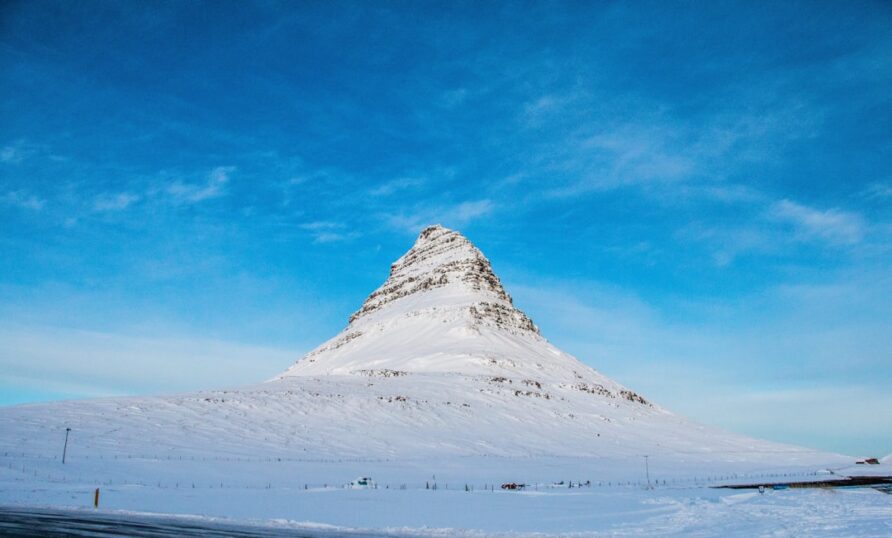
When you’re ready to continue, plan your next leg toward the Snæfellsnes Peninsula at a relaxed pace. The drive itself is part of the experience: lava fields, coastal views, and small fishing villages. Stykkishólmur Inn is ideally located in the charming town of Stykkishólmur, a great base for exploring the peninsula’s famous sights—Kirkjufell mountain, Snæfellsjökull National Park, black and golden beaches, and dramatic cliffs. By staying here, you can split your sightseeing over two days instead of trying to rush everything into one. That slower rhythm makes the long distances feel enjoyable rather than exhausting.

If your journey continues north into the Westfjords, planning becomes even more important. The region is spectacular but remote, with fewer services and longer stretches between towns. Ísafjörður is the natural hub of the area, and Ísafjörður Inn offers a comfortable, central place to rest after a day of winding fjord roads and mountain passes. From here, you can explore nearby villages, hike to viewpoints, or take day trips to places like Dynjandi waterfall, all while knowing you have a warm, welcoming base to return to each evening.

A few practical tips help make Iceland’s long distances easier to handle. Start your driving days early, especially in winter, to make the most of daylight. Keep your fuel tank topped up whenever you pass a station, particularly in the Westfjords. Pack snacks and water so you’re not dependent on finding a café at the exact moment you’re hungry. And always dress in layers—you’ll likely be in and out of the car often for short walks and viewpoints.

Another key to a smooth trip is not overloading your itinerary. It’s tempting to try to “see everything,” but Iceland rewards a slower pace. Instead of driving from Reykjavík to the Westfjords in one go, break it into stages: first night at Hvítá Inn in Borgarfjörður, second at Stykkishólmur Inn, then onward to Ísafjörður Inn. This way, each day’s drive is reasonable, and you have time to enjoy the landscapes, small towns, and local experiences along the way.

Ourhotels.is makes this kind of thoughtful planning easier. By choosing inns that are spaced naturally along your route, you can design an itinerary that follows Iceland’s rhythm rather than fighting against it. You’ll spend less time worrying about where to stop and more time enjoying the journey—watching the light change over the mountains, feeling the sea breeze in fishing villages, and soaking in hot tubs after a long day on the road.

In the end, planning for Iceland’s long distances is about respecting the landscape and giving yourself time. With well-placed stays at Hvítá Inn in Borgarfjörður, Stykkishólmur Inn on Snæfellsnes, and Ísafjörður Inn in the Westfjords, you can turn what might seem like challenging drives into a relaxed, scenic road trip through some of the most beautiful regions in the country. Explore your options on Ourhotels.is, map out your stages, and let the roads of West Iceland and the Westfjords unfold at a pace that lets you truly experience them.

Tips for Navigating Remote Roads

Driving in West Iceland is one of the best ways to experience the country’s wild beauty—but it also means spending time on remote roads, gravel tracks, and in fast-changing weather. With a bit of preparation, those drives become part of the adventure rather than a source of stress. Here are practical tips for navigating remote roads in West Iceland, along with how Ourhotels.is can help you plan safe, comfortable stops along the way.

Remote roads in Iceland can change quickly from smooth tarmac to loose gravel, and it’s common to encounter blind hills, single-lane bridges, and narrow passes. Before you set off, always check road conditions and weather forecasts. The Icelandic Road and Coastal Administration (Vegagerðin) provides up-to-date information on closures, ice, and wind warnings. In winter and shoulder seasons, this step is essential—roads that look fine on a map can be impassable in reality.

Choosing the right vehicle is just as important. If your route includes F-roads (mountain roads) or highland tracks, a 4×4 is mandatory, but even on coastal and inland routes in West Iceland, extra clearance and good tires make a big difference. Gravel roads are common in the Borgarfjörður region, on the Snæfellsnes Peninsula, and in the Westfjords. Drive more slowly than you would on paved roads, keep a firm but relaxed grip on the wheel, and avoid sudden braking or sharp steering.

One of the best ways to break up long drives is to plan your route around comfortable, well-located accommodation. Ourhotels.is offers a small collection of inns that are perfectly placed for exploring remote areas while still giving you a warm bed, hot shower, and local advice at the end of the day.

If you’re heading north from Reykjavík into the Borgarfjörður region, Hvítá Inn is an ideal first stop. Located close to Borgarnes, it sits within easy reach of waterfalls, lava fields, and quiet country roads that lead into the interior. Staying here allows you to explore the area at a relaxed pace rather than rushing through. You can set out early on quieter roads, ask the staff about current conditions, and adjust your plans if the weather shifts. After a day of driving, returning to a cozy inn instead of pushing on tired makes your journey safer and more enjoyable.

From Borgarfjörður, many travelers continue toward the Snæfellsnes Peninsula, where the scenery becomes even more dramatic. The Stykkishólmur Inn, part of Ourhotels.is, is a great base for this region. Stykkishólmur itself is a charming harbor town, but it’s also a gateway to more remote stretches of coastline and mountain roads. Here, you can park the car for a while, explore on foot, or take shorter day trips by road without having to pack up every morning. That flexibility is invaluable when the weather changes—if strong winds or heavy rain roll in, you can simply adjust your driving plans and enjoy the town instead.

For those continuing into the Westfjords, Ísafjörður Inn offers a comfortable landing point after some of Iceland’s most spectacular but demanding drives. The Westfjords are known for steep mountain passes, narrow coastal roads, and quickly changing conditions, especially outside of summer. Having a reliable place to stay in Ísafjörður means you can time your drives for daylight and better weather windows, rather than feeling pressured to push on late into the evening. Staff can share local insights on which routes are currently in the best shape and which viewpoints are worth the detour.

No matter where you’re headed, a few universal tips will make remote driving in Iceland smoother. Keep your fuel tank topped up; distances between stations can be long, especially in the Westfjords. Carry water, snacks, and warm layers in the car, even in summer. Mobile coverage is generally good along main routes but can be patchy in more isolated areas, so download offline maps and save your accommodation details in advance. When you book through Ourhotels.is, you know exactly where your next stop is, which helps you plan realistic driving times and avoid rushing.

On gravel and remote roads, always drive at a speed that matches the conditions, not the speed limit. Watch for sheep and other animals near the roadside, particularly in summer. When you encounter single-lane bridges or narrow sections, slow down and be prepared to yield. If you’re unsure about a road—because of snow, ice, or steep grades—turn back or choose an alternative route. Iceland’s landscapes will still be there tomorrow; your safety comes first.

Staying at Hvítá Inn near Borgarnes, The Stykkishólmur Inn, and Ísafjörður Inn through Ourhotels.is gives you a natural rhythm to your journey: explore, drive, rest, repeat. Each inn offers a comfortable base close to nature, with staff who understand local roads and conditions. That combination of local knowledge and thoughtful planning turns remote driving from a challenge into a highlight of your trip.

By checking conditions, choosing sensible routes, and planning your overnights with Ourhotels.is, you can enjoy the freedom of Iceland’s remote roads with confidence—taking your time, stopping for photos, and arriving at each inn ready to relax and plan the next day’s adventure.

How to Stay Safe in Iceland’s Wilderness

Iceland’s wilderness is one of the country’s greatest treasures—raw lava fields, glacier‑fed rivers, black‑sand beaches, and endless mountains and fjords. It’s also a place where the weather changes in minutes, phone signal can vanish, and the landscape itself can be unforgiving. With a bit of preparation, though, you can enjoy all of it safely and comfortably.

Here’s how to stay safe in Iceland’s wilderness, with some practical tips and how Ourhotels.is can help you plan each stage of your journey.

Iceland’s Weather: Beautiful, But Unpredictable
Even in summer, Iceland’s weather can shift from sunshine to fog, wind, and rain in a short time. In winter, storms and icy roads are common.

Before any hike or road trip:
– Check the weather forecast at vedur.is
– Check road conditions and closures at road.is
– Avoid driving in storms or heavy snow, especially in the dark
– Always have a backup plan if conditions worsen

Staying at Ourhotels.is properties gives you a safe base to adjust your plans day by day. Staff can help you interpret local forecasts and suggest safer alternatives if the weather turns.

Dress for the Elements
The key to staying safe outdoors in Iceland is staying warm and dry. Use the classic layering system:
– Base layer: Wool or synthetic (no cotton) to keep moisture away from your skin
– Mid layer: Fleece or wool for insulation
– Outer layer: Waterproof and windproof jacket and pants
– Footwear: Sturdy, waterproof hiking boots with good grip
– Extras: Hat, gloves, buff/neck gaiter, and spare socks

If you’re staying at Hvítá Inn in Borgarfjörður, you’re perfectly placed to explore waterfalls, hot springs, and lava fields. Start your day by checking your gear in the comfort of the inn, then head out knowing you’re prepared for whatever the weather brings.

Respect Iceland’s Nature
Iceland’s landscapes are fragile and sometimes dangerous. To stay safe and protect nature:
– Stay on marked paths and trails
– Never step on moss or delicate geothermal areas
– Keep a safe distance from cliff edges and sea stacks
– Do not cross ropes or safety barriers, even for a photo
– Be extremely careful near waves and on black‑sand beaches—“sneaker waves” can be deadly

From Stykkishólmur Inn, you can explore the Snæfellsnes Peninsula, often called “Iceland in Miniature” for its variety of landscapes. Many viewpoints and coastal areas here are exposed to strong winds and waves, so keeping to marked paths and respecting warning signs is essential.

Driving Safely in Iceland
Self‑drive trips are one of the best ways to see Iceland, but conditions can be very different from what you’re used to:
– Drive slowly on gravel roads to avoid skidding and stone damage
– Watch for sheep on or near the road, especially in summer
– Never stop in the middle of the road for photos—use designated pull‑outs
– In winter, consider a 4×4 and always check for ice and wind warnings
– Avoid driving if you feel tired; distances can be longer than they look on the map

Ourhotels.is locations like Hvítá Inn, Stykkishólmur Inn, and Ísafjörður Inn are all ideal “stepping stones” on a longer road trip. Breaking your journey into shorter driving days reduces fatigue and gives you more time to enjoy the scenery safely.

Hiking and Exploring the Highlands
If you plan to hike or venture into more remote areas:
– Tell someone your travel plan and expected return time
– Use safetravel.is to leave a travel plan and check alerts
– Carry a fully charged phone and, if going remote, consider a power bank or emergency beacon
– Bring enough food, water, and warm layers—even for short hikes
– Don’t rely on phone signal; download offline maps in advance

In the Westfjords, Ísafjörður Inn is a great base for exploring dramatic fjords, coastal hikes, and remote viewpoints. Conditions here can be wilder and more isolated than in southwest Iceland, so planning and caution are especially important.

Water, Glaciers, and Hot Springs
Iceland’s water features are stunning but can be hazardous:
– Rivers: Glacial rivers are cold and powerful—never attempt to cross on foot unless you’re experienced and conditions are safe
– Glaciers: Only go onto a glacier with a certified guide and proper equipment
– Hot springs: Some pools are too hot or unstable to bathe in; only use marked, safe bathing areas
– Ice: Never walk on frozen lakes or rivers unless they are clearly marked as safe

If you’re unsure about a particular activity, ask at your hotel. Staff at Ourhotels.is properties can recommend trusted local guides for glacier tours, hot spring visits, and other adventures that are best done with professionals.

Daylight, Darkness, and Seasons
Safety in Iceland also depends on the time of year:
– Summer: Long daylight hours are great for exploring, but don’t underestimate fatigue—plan realistic days
– Winter: Short days mean you must plan activities around limited daylight and be extra careful driving in the dark
– Shoulder seasons (spring/autumn): Conditions can change quickly; be flexible with your itinerary

Staying at places like Stykkishólmur Inn or Hvítá Inn allows you to adapt your plans easily—if a storm is coming, you can swap a long hike for a shorter local walk, a hot spring visit, or a scenic drive during the safest hours.

How Ourhotels.is Helps You Stay Safe
Choosing the right accommodation is part of traveling safely in Iceland. Ourhotels.is offers comfortable, well‑located bases across western Iceland, including:

– Hvítá Inn in Borgarfjörður (near Borgarnes):
Ideal for exploring waterfalls, hot springs, lava fields, and the inland countryside. Staff can advise on local road conditions and safe routes in the area.

– Stykkishólmur Inn:
Perfect for discovering the Snæfellsnes Peninsula and Breiðafjörður Bay. You can return from a windy coastal hike to a warm, cozy room and local tips for the next day.

– Ísafjörður Inn:
A welcoming base in the Westfjords, where distances are longer and conditions more remote. Here, local knowledge is invaluable for choosing safe drives, hikes, and viewpoints.

At each inn, you can:
– Check weather and road conditions with reliable local insight
– Get recommendations for safe, reputable tour operators
– Adjust your plans based on real‑time conditions
– Rest properly between days of exploring, which is crucial for safe driving and hiking

Enjoy Iceland’s Wilderness—Safely
Iceland’s wild landscapes are unforgettable, and with the right preparation, they can be enjoyed safely in every season. Dress for the weather, respect nature, plan your routes carefully, and listen to local advice.

By using Ourhotels.is to base yourself at Hvítá Inn, Stykkishólmur Inn, and Ísafjörður Inn, you combine adventure with comfort and safety—so you can focus on what you came for: experiencing the best of Iceland’s wilderness with peace of mind.

See available rooms Rooms tonight