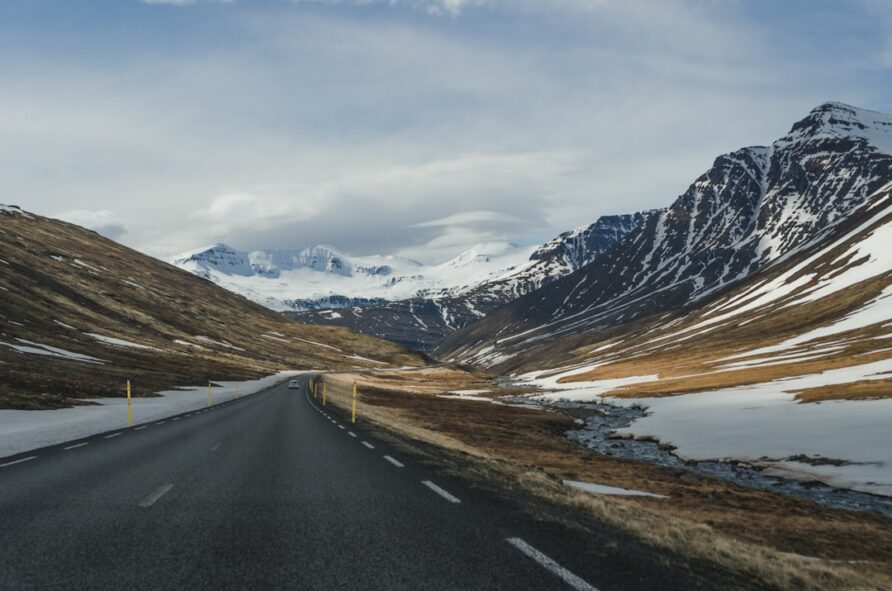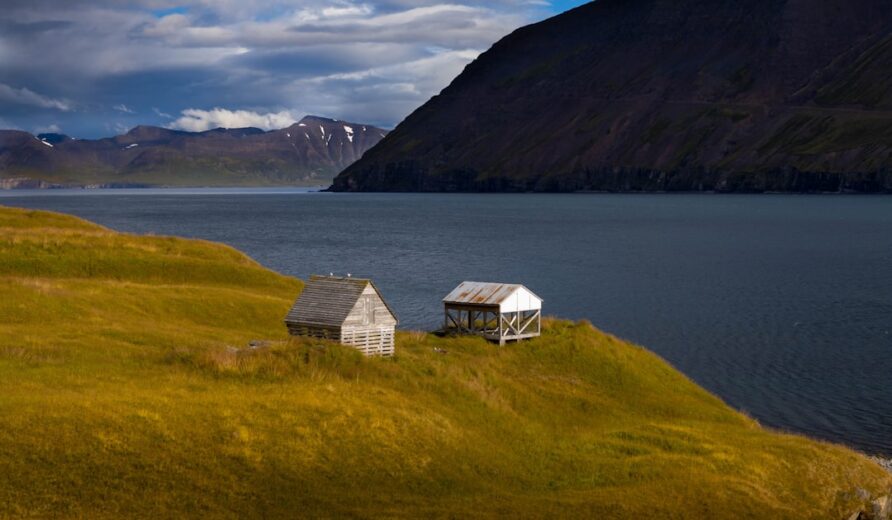
Hiking in Iceland With Kids

Hiking in Iceland with kids is one of the best ways to experience the country’s wild beauty at a relaxed, family‑friendly pace. Instead of rushing from one attraction to another, you can slow down, explore short trails, and let your children discover waterfalls, mossy lava fields, and black‑sand beaches up close. With the right planning, it’s not only doable with kids – it’s unforgettable.

Iceland’s West is especially good for family hiking: distances are manageable, the scenery is incredibly varied, and there are plenty of easy trails close to comfortable accommodation. Staying with Ourhotels.is gives you a perfect base in three key areas: Hvítá Inn in Borgarfjörður (near Borgarnes), Stykkishólmur Inn on the Snæfellsnes Peninsula, and Ísafjörður Inn in the Westfjords.

Here’s how to make the most of hiking in Iceland with kids, and how to use these three locations as your “home bases” for adventure.

Iceland hiking with kids: what to expect
Iceland’s trails range from flat coastal paths to more rugged mountain routes. For families, the focus is on:

– Short distances (1–5 km round trip)
– Clearly marked paths
– Interesting “rewards” at the end: waterfalls, beaches, viewpoints, hot springs
– Easy access from your accommodation

Weather changes quickly, even in summer, so layers, waterproofs, and good footwear are essential. But the payoff is huge: wide‑open landscapes, almost no crowds once you leave the main road, and endless opportunities for kids to explore safely under your supervision.

Family hiking from Hvítá Inn, Borgarfjörður
Hvítá Inn, part of Ourhotels.is, sits in the beautiful Borgarfjörður region, a short drive from Borgarnes. This area is ideal for families who want gentle hikes mixed with history and hot springs.

Family‑friendly hikes near Hvítá Inn:

– **Hraunfossar and Barnafoss**
A classic family stop. From the parking area, short, easy paths and viewing platforms lead you along the river to see Hraunfossar – hundreds of small waterfalls streaming out of a lava field – and the more dramatic Barnafoss. The walk is short but full of viewpoints, bridges, and safe spots for photos.

– **Grábrók Crater**
Just off the main road, this is a great “first volcano” for kids. A well‑maintained staircase and path lead up to the crater rim. It’s a short but slightly uphill walk, with rewarding views over lava fields and lakes. Children usually love the idea of standing on top of a volcano.

– **Borgarnes coastal paths**
In and around Borgarnes, there are easy coastal walks with playgrounds, grassy areas, and views over the fjord. This is perfect for a relaxed afternoon stroll after a morning drive.

Why Hvítá Inn works well for families:
– Central location in West Iceland, reducing long driving days
– Comfortable rooms and a peaceful countryside setting
– Easy access to both short hikes and other attractions like hot springs and caves

Using Hvítá Inn as your base, you can combine short hikes with visits to geothermal baths or historical sites, keeping each day varied and manageable for younger children.

Exploring Snæfellsnes with kids from Stykkishólmur Inn
The Snæfellsnes Peninsula is often called “Iceland in Miniature” because it has a bit of everything: mountains, lava fields, black‑sand beaches, cliffs, and a glacier. Stykkishólmur Inn, another Ourhotels.is property, is perfectly placed to explore the northern side of the peninsula and beyond.

Kid‑friendly hikes and walks near Stykkishólmur Inn:

– **Stykkishólmur harbor and islands**
Start right from town. Short walks around the harbor and up to viewpoints give you great scenery without needing to drive. Older kids may enjoy boat tours to nearby islands, but even a simple walk along the waterfront is exciting with all the boats and birdlife.

– **Kirkjufell area**
One of Iceland’s most photographed mountains. While the mountain itself is not a family hike, the area around it offers easy walking paths and viewpoints. Kids can enjoy the waterfalls and the dramatic shape of Kirkjufell rising above them.

– **Coastal and beach walks on Snæfellsnes**
The peninsula is full of short coastal trails and beaches where kids can explore rocks, driftwood, and tide pools. Many of these walks are flexible: you can turn back whenever the youngest hikers get tired.

Why Stykkishólmur Inn is a great base:
– Located in a charming town with services, restaurants, and a relaxed atmosphere
– Easy day trips to multiple short hikes and viewpoints on Snæfellsnes
– Comfortable, family‑friendly accommodation so you can return to a warm, cozy room after a windy coastal walk

Staying at Stykkishólmur Inn lets you experience a wide variety of landscapes without long, demanding hikes – ideal for families with mixed ages and energy levels.

Westfjords adventures from Ísafjörður Inn
For families who want a wilder, more remote feel, the Westfjords are a dream. Ísafjörður Inn, part of Ourhotels.is, places you in the heart of this dramatic region, surrounded by steep mountains and deep fjords.

Family‑friendly hikes near Ísafjörður Inn:

– **Ísafjörður town and fjord walks**
Start with easy walks around town and along the fjord. The scenery is spectacular even on flat ground, and there are plenty of spots to stop, throw stones in the water, and take photos.

– **Valleys and short trails near Ísafjörður**
Several nearby valleys offer gentle hiking options, often following rivers or old tracks. These are great for families who want to feel “out in nature” without committing to long or technical routes.

– **Waterfall and viewpoint walks**
The Westfjords are full of small waterfalls and viewpoints accessible by short walks from the road. Ask at Ísafjörður Inn for current recommendations suited to your children’s ages and the day’s weather.

Why Ísafjörður Inn suits active families:
– Central location in the main town of the Westfjords, with services and activities
– Access to both easy walks and more adventurous routes as your kids grow in confidence
– Staff who know the local area and can suggest safe, suitable trails for your family

From Ísafjörður Inn, you can build days that mix short hikes with cultural stops, boat trips, or simply enjoying the peaceful atmosphere of the Westfjords.

Practical tips for hiking in Iceland with kids

– **Dress in layers**: Base layer, warm mid‑layer, and waterproof outer layer. Weather can change quickly, even in summer.
– **Good footwear**: Sturdy shoes or boots with good grip; trails can be wet or uneven.
– **Keep it short and fun**: Choose hikes with clear goals – a waterfall, a crater, a beach – and don’t be afraid to turn back early.
– **Snacks and breaks**: Frequent snack stops keep energy and morale high.
– **Safety first**: Stay on marked paths, keep a safe distance from cliffs and fast rivers, and always check the weather forecast before heading out.
– **Use your bases wisely**: Plan your days around your accommodation. With Hvítá Inn, Stykkishólmur Inn, and Ísafjörður Inn as your hubs, you can explore in different directions without packing and unpacking every night.

Making Ourhotels.is your family hiking base in West Iceland
Choosing the right places to stay can make or break a family hiking trip. Ourhotels.is offers a simple way to plan your route through West Iceland:

– Start in **Borgarfjörður at Hvítá Inn** for waterfalls, craters, and gentle countryside walks.
– Continue to **Stykkishólmur Inn** to explore the diverse landscapes of the Snæfellsnes Peninsula.
– Head north to **Ísafjörður Inn** for a taste of the wild Westfjords and quiet, scenic trails.

Each inn gives you comfortable, welcoming accommodation close to family‑friendly hikes, so you can focus on making memories instead of logistics.

If you’re dreaming of hiking in Iceland with kids, West Iceland is a perfect place to begin – and Ourhotels.is is ready to be your family’s home away from home along the way.

River Crossing Safety in Iceland

River crossings are one of the most exciting – and most misunderstood – parts of traveling in Iceland. Whether you’re planning to drive into the highlands, explore the Westfjords, or simply follow a tempting F-road on the map, understanding river crossing safety in Iceland is essential for a safe and enjoyable trip.

Many visitors base themselves in West Iceland and the Westfjords, staying at places like **Hvítá Inn in Borgarfjörður**, **Stykkishólmur Inn** on the Snæfellsnes Peninsula, or **Ísafjörður Inn** in the Westfjords, and then head out on day trips into wilder areas. This is a perfect way to experience Iceland’s raw nature – as long as you respect the rivers.

Below are key tips and guidelines to help you cross rivers safely, protect your rental car, and make the most of your adventure.

Iceland’s rivers: why they’re different
Icelandic rivers can change quickly due to:

– **Glacial meltwater**: Warm days and sunshine increase water volume and speed.
– **Rain and storms**: Heavy rain can turn a shallow ford into a deep, fast-flowing river in hours.
– **Time of day**: Rivers fed by glaciers are usually **lower in the morning** and **higher in the late afternoon**.
– **Seasons**: Summer and early autumn bring more meltwater; spring can be unpredictable with snowmelt.

This means a river that was easy to cross yesterday – or even an hour ago – may be dangerous now. Never assume it’s safe just because you saw another car do it on social media.

Know your vehicle and your limits
Before attempting any river crossing in Iceland:

– **Check if your route is legal for your car**:
– Only **4×4 vehicles** are allowed on **F-roads** (mountain roads).
– Standard 2WD cars are not built for river crossings and are often uninsured for water damage.
– **Know your rental agreement**: Most rental companies do **not** cover damage from water entering the engine or cabin. One bad decision at a river can become very expensive.
– **Be honest about your experience**: If you’ve never crossed a river before, start with very shallow, clearly marked fords – or skip them entirely.

Guests at **Hvítá Inn**, **Stykkishólmur Inn**, and **Ísafjörður Inn** often ask our staff which roads are realistic for their vehicle and experience. Ourhotels.is staff are happy to help you choose routes that match your comfort level.

How to assess a river before crossing
Never drive straight into a river without checking it first. Take your time and follow these steps:

1. **Stop and observe**
– Look at the **speed** of the water. Fast, churning water is more dangerous than slow, clear flow.
– Check if other vehicles are crossing. Note their **type** (big 4×4 vs small SUV) and how deep the water reaches on them.

2. **Look for the official crossing**
– Use **marked fords** where possible. These are usually the safest and shallowest points.
– Follow existing **tire tracks** rather than making your own path.

3. **Check depth and bottom conditions**
– If it’s safe, walk along the **intended crossing line** first (never alone, and never if the current is strong or the water is too deep).
– Use a stick to test depth and feel the bottom: is it **rocky, sandy, or full of big boulders**?
– As a rule of thumb, if the water is above your **knees**, it’s already risky for many smaller 4x4s.

4. **If in doubt, don’t cross**
– Turning back is always better than getting stuck or damaging your car.
– There is no shame in changing your plan – Icelandic nature will still be there tomorrow.

Safe river crossing technique
If you’ve assessed the river and decided it’s safe for your vehicle and skill level, use the following technique:

– **Engage 4×4 / low gear** if your vehicle has it.
– **Choose the shallowest, calmest line**, usually slightly **downstream** in a gentle curve.
– **Enter slowly**, then maintain a **steady, slow speed** – don’t rush and don’t stop in the middle.
– Avoid changing gears mid-river; pick your gear before entering.
– Keep your wheels straight and let the current push gently against the side of the car.
– Once you reach the other side, **pause and check** for any warning lights, strange noises, or water in the cabin.

Never do this when crossing a river
To stay safe and protect your car:

– Don’t cross if you **can’t see the bottom** or judge the depth.
– Don’t follow a **much larger vehicle** (like a super jeep) just because it made it across.
– Don’t cross **alone** in remote areas if you’re inexperienced.
– Don’t attempt crossings in **darkness, heavy rain, or fog**.
– Don’t drive diagonally **upstream**; you risk being pushed sideways.
– Don’t ignore **road closures** or warnings from locals, rangers, or hotel staff.

Planning safe adventures from Ourhotels.is locations
Staying in West Iceland and the Westfjords gives you access to some of the country’s most dramatic landscapes – and some of its trickier roads. Using Ourhotels.is as your base makes it easier to plan safely.

**Hvítá Inn – Borgarfjörður (near Borgarnes)**
Borgarfjörður is known for its rivers and waterfalls, including the powerful Hvítá river and the hot springs of Deildartunguhver. From **Hvítá Inn**, you can:

– Explore **Húsafell** and nearby highland routes (in season) with proper 4×4 vehicles.
– Ask the staff about **current road and river conditions** before heading inland.
– Choose safer, scenic alternatives if rivers are too high – such as visiting **Hraunfossar** and **Barnafoss** instead of venturing deep into the highlands.

**Stykkishólmur Inn – Snæfellsnes Peninsula**
The Snæfellsnes Peninsula offers wild coastlines, lava fields, and mountain tracks. While many roads here are paved or gravel without major river crossings, some inland routes can be more challenging.

From **Stykkishólmur Inn**, you can:

– Plan day trips around **Snæfellsjökull National Park** on mostly safe, well-traveled roads.
– Get advice on which gravel roads are suitable for your car and which to avoid in bad weather.
– Enjoy the dramatic landscape without needing to tackle serious river crossings at all.

**Ísafjörður Inn – Westfjords**
The Westfjords are remote and rugged, with steep mountain passes and occasional river fords on side roads. Weather can change quickly here.

From **Ísafjörður Inn**, you can:

– Ask about **road conditions** before driving to places like **Hornstrandir access points**, remote fjords, or highland tracks.
– Decide whether to join a **guided tour** for more challenging routes that may involve river crossings.
– Use Ísafjörður as a safe, comfortable base while exploring the region’s wild nature by day.

Why staying with Ourhotels.is helps you stay safe
Choosing **Ourhotels.is** properties like Hvítá Inn, Stykkishólmur Inn, and Ísafjörður Inn gives you more than just a place to sleep:

– **Local knowledge**: Staff can share up-to-date information on **road closures, river levels, and weather warnings**.
– **Route planning help**: Get suggestions for **safe, beautiful drives** that match your vehicle and experience.
– **Flexible options**: If conditions change and a planned river crossing becomes unsafe, we can help you find alternative routes and activities.

River crossing safety: key takeaways
– Always **respect Icelandic rivers** – they are powerful and unpredictable.
– Use **proper 4×4 vehicles** on F-roads and know your rental insurance limitations.
– Assess each river carefully: **depth, speed, bottom, and visibility**.
– If you’re unsure, **turn back** or choose a different route.
– Use your stay at **Hvítá Inn**, **Stykkishólmur Inn**, or **Ísafjörður Inn** to get local advice and plan safe adventures.

By combining good preparation, cautious driving, and local guidance from Ourhotels.is, you can enjoy Iceland’s wild landscapes and rivers safely – and return to a warm, comfortable inn at the end of each day.

Understanding Iceland Trail Markings

Hiking in Iceland is unforgettable: black sand underfoot, moss‑covered lava fields, roaring waterfalls, and endless views. To enjoy it safely, you need to understand Iceland’s trail markings. They may look simple, but they carry a lot of information about direction, safety, and terrain.

Below is a clear guide to Icelandic trail markings, with tips for hiking near three of Ourhotels.is locations: Hvítá Inn in Borgarfjörður, Stykkishólmur Inn on the Snæfellsnes Peninsula, and Ísafjörður Inn in the Westfjords.

Iceland’s main trail markings and what they mean
————————————————

### 1. Painted marks on rocks and posts

On many popular routes you’ll see painted marks:

– **Red or orange stripes/dots** – Most common on hiking routes. They mark the path and are usually placed where the route might be confusing, such as over rocks or across open lava fields.
– **Yellow markings** – Often used in highland or more rugged areas, especially where snow can linger.
– **Blue markings** – Sometimes used near water or glacier areas, but this varies by region.

Follow these marks from one to the next. If you haven’t seen a mark for a while, you may have left the trail.

### 2. Wooden or metal poles

In open landscapes, especially where there’s little vegetation, you’ll often see **poles or stakes**:

– Usually painted at the top (often red, orange, or yellow).
– Placed at intervals so you can see the next one from the last, even in low visibility.
– Common in areas that can be covered by snow or fog, such as higher ground or exposed plateaus.

If the weather turns, these poles can be your lifeline back to safety. Never ignore them in favor of “shortcuts.”

### 3. Cairns (stone piles)

Cairns are traditional Icelandic trail markers:

– **Small stone piles** built along older routes.
– Often used in combination with paint or poles.
– In some areas they mark historic paths between farms or over mountain passes.

Do not build new cairns or move stones; it can mislead other hikers and damage fragile ground.

### 4. Signposts at trailheads and junctions

Most official trails start with a **signpost**:

– Trail name and sometimes a number.
– Distance and estimated hiking time.
– Difficulty level (easy, moderate, challenging).
– Warnings about river crossings, steep sections, or loose rock.

Take a photo of the sign before you start. It’s useful if you lose the path or need to describe your route to others.

Trail difficulty and color codes
——————————–

Iceland doesn’t have one single nationwide system, but you’ll often see:

– **Green / Easy** – Well‑marked, short, minimal elevation, suitable for most people with basic fitness.
– **Blue / Moderate** – Longer or steeper, may include rough ground, loose stones, or narrow paths.
– **Red / Challenging** – Steep, exposed, or remote routes, sometimes with snowfields, scree, or unbridged river crossings.
– **Black / Very difficult** – Technical or mountaineering routes; only for experienced hikers with proper gear.

Always match the trail to your experience and the day’s weather, not just your ambition.

Seasonal changes: when markings are not enough
———————————————-

Trail markings are designed for **normal conditions**, but Iceland changes fast:

– **Snow cover** can hide paint, cairns, and even poles.
– **Fog and low clouds** can make it hard to see the next marker.
– **Midnight sun** can tempt you to hike late, when temperatures drop and visibility can change.
– **Winter and shoulder seasons** may require GPS, maps, and local advice in addition to trail markings.

Before heading out, check the **Icelandic Met Office** (vedur.is) for weather and **road.is** for road and highland track conditions.

Understanding river crossings and warning signs
———————————————–

Some Icelandic trails include **unbridged river crossings**:

– Look for **warning signs** at the trailhead or near the river.
– If there are **poles or flags** marking a crossing point, use them.
– If the water is fast, deep, or brown and muddy, turn back. Conditions can change quickly after rain or warm weather.

Never rely only on what other hikers are doing; always assess the crossing yourself.

Trail markings around Hvítá Inn in Borgarfjörður
————————————————

Staying at **Hvítá Inn** in Borgarfjörður (near Borgarnes) puts you close to some of West Iceland’s most accessible and scenic walks, including trails around rivers, lava fields, and waterfalls.

In this area you’ll typically find:

– **Clear signposts** at main parking areas and viewpoints.
– **Painted rocks and wooden posts** marking paths through lava and along riverbanks.
– Short, family‑friendly trails with **green or blue difficulty**.

From Hvítá Inn, the staff at Ourhotels.is can help you:

– Choose routes that match your fitness and time.
– Understand local trail markings and any seasonal changes.
– Get updates on conditions after heavy rain or wind.

This is a great region to practice reading Icelandic trail markings on relatively gentle terrain before tackling more remote hikes.

Trail markings near Stykkishólmur Inn on Snæfellsnes
—————————————————–

The **Stykkishólmur Inn** is a perfect base for exploring the Snæfellsnes Peninsula, often called “Iceland in Miniature” because it has a bit of everything: cliffs, beaches, lava fields, and mountains.

On Snæfellsnes you’ll encounter:

– **Coastal paths** marked with posts and occasional painted rocks.
– Trails in national park areas with **official signboards** and clear route descriptions.
– Some longer, more rugged routes where markings may be **farther apart** and weather can change quickly.

From Stykkishólmur Inn, Ourhotels.is can point you to:

– Well‑marked, shorter hikes for relaxed days.
– More challenging marked routes for experienced hikers, with advice on reading the poles and paint in open, exposed landscapes.
– Local viewpoints where understanding the markings helps you safely reach the best photo spots and return before weather shifts.

Trail markings around Ísafjörður Inn in the Westfjords
——————————————————

The **Westfjords** are wilder and more remote, and **Ísafjörður Inn** is an ideal base for exploring this dramatic region. Here, understanding trail markings is especially important.

Expect:

– **Older cairns** marking traditional paths between fjords and over passes.
– **Metal or wooden poles** across open, windy plateaus.
– Trails where markings can be **subtle or weather‑worn**, especially on less‑visited routes.

Because the terrain is steeper and more exposed:

– Always check the **trailhead sign** carefully for distance, time, and difficulty.
– Pay attention to **warning signs** about rockfall, steep drops, or snowfields.
– If you lose sight of the next marker, stop, backtrack to the last one, and reassess rather than pushing forward blindly.

The team at Ísafjörður Inn can help you choose routes that match your experience and explain how local markings work on specific trails, including any recent changes or closures.

How Ourhotels.is helps you hike safely
————————————–

Staying with **Ourhotels.is** at Hvítá Inn, Stykkishólmur Inn, or Ísafjörður Inn gives you more than just a comfortable room:

– **Local trail knowledge** – Staff can explain the markings used on nearby routes and suggest hikes that fit your plans.
– **Up‑to‑date information** – Weather and trail conditions can change daily; local advice helps you interpret what the signs and markers don’t tell you.
– **Route suggestions** – From easy, well‑marked walks to more adventurous routes, you’ll know what to expect before you set out.

By combining local guidance from Ourhotels.is with a solid understanding of Icelandic trail markings, you can explore West Iceland and the Westfjords with confidence, enjoying the landscapes while staying safe and on track.

When you’re ready to hike, let the markings guide your steps—and let Ourhotels.is help you choose the right path.

Gear Checklist for Iceland Hikers

Planning a hiking trip in Iceland is exciting—but the weather and terrain demand respect. A solid gear checklist can be the difference between an unforgettable adventure and a miserable slog. Whether you’re exploring the lava fields and waterfalls of Borgarfjörður, the coastal trails of Stykkishólmur, or the dramatic fjords around Ísafjörður, being properly equipped is essential.

Below is a practical, SEO-friendly gear checklist for Iceland hikers, with tips on how to use Ourhotels.is properties—Hvítá Inn, Stykkishólmur Inn, and Ísafjörður Inn—as comfortable bases between your treks.

First, think in layers. Iceland’s weather can shift from sunshine to wind and rain in minutes, even in summer. Start with a moisture-wicking base layer (merino wool or technical synthetic), add an insulating mid-layer (fleece or light down), and finish with a waterproof, windproof shell. This three-layer system lets you adapt quickly on the trail. When you stay at Hvítá Inn in Borgarfjörður, you’ll appreciate having dry, breathable layers ready for hikes to nearby waterfalls, hot springs, and lava fields.

Next, focus on your outerwear. A high-quality waterproof jacket with a hood and waterproof hiking pants are non-negotiable in Iceland. Pair them with sturdy, waterproof hiking boots with good ankle support and grippy soles—many Icelandic trails are rocky, muddy, or slick from rain. Gaiters can be helpful in wet or snowy conditions. If you’re staying at Stykkishólmur Inn, you’ll likely explore coastal paths and islands in Breiðafjörður Bay, where wind and sea spray make waterproof gear especially important.

Accessories can make or break your comfort. Pack a warm hat, light gloves (and a thicker pair in colder months), and a buff or neck gaiter to protect against wind. Good hiking socks—preferably wool—help prevent blisters and keep your feet warm even when damp. Sunglasses and a brimmed cap are useful on bright days, especially when sunlight reflects off snow or water. At Ísafjörður Inn, where many guests head into the Westfjords’ rugged mountains and fjords, these small items add up to big comfort on long days outside.

Safety and navigation gear are crucial in Iceland’s often remote landscapes. Always carry a detailed map of your hiking area, a fully charged phone, and, if possible, a GPS device or offline navigation app. A small first-aid kit, blister plasters, and any personal medications should live permanently in your pack. Add a headlamp (even in summer, for foggy or overcast days), a whistle, and an emergency blanket. Before heading out from any Ourhotels.is property—whether Hvítá Inn, Stykkishólmur Inn, or Ísafjörður Inn—check the weather forecast and local trail conditions, and let someone know your plans.

Hydration and nutrition are easy to overlook but vital. Bring a reusable water bottle or hydration bladder; in many parts of Iceland, you can refill from taps or safe natural sources. Pack calorie-dense snacks like nuts, chocolate, dried fruit, and energy bars. For longer hikes, consider a lightweight stove or thermos with hot drinks, especially in shoulder seasons or winter. After a long day on the trail, returning to a warm room and hearty meal at one of the Ourhotels.is inns is the perfect reward.

Your daypack should be comfortable, weather-resistant, and large enough (20–30 liters for day hikes) to carry layers, food, and safety gear. Use dry bags or pack liners to keep spare clothing and electronics dry in case of rain. Trekking poles are highly recommended for Icelandic terrain—they help with balance on steep, rocky, or muddy sections and reduce strain on knees during long descents. Guests at Stykkishólmur Inn often find poles especially useful on uneven coastal and island trails, while hikers based at Ísafjörður Inn appreciate them on the steeper Westfjords routes.

Don’t forget small but important extras. A compact sit pad or small towel, biodegradable wet wipes, and a simple repair kit (duct tape, zip ties, needle and thread) can solve many minor problems on the go. A camera or smartphone with plenty of storage is a must—waterfalls in Borgarfjörður, the colorful houses of Stykkishólmur, and the dramatic fjords near Ísafjörður are incredibly photogenic. A power bank ensures your devices stay charged for navigation and photos alike.

Season matters. In summer, you’ll deal with long daylight hours, milder temperatures, and potentially wet trails—focus on breathable layers, rain protection, and sun protection. In shoulder seasons and winter, add insulated layers, thicker gloves, microspikes or crampons (if conditions require), and possibly snow gaiters. When you book through Ourhotels.is, you can use each inn as a seasonal hub: Hvítá Inn for spring and autumn hikes in Borgarfjörður, Stykkishólmur Inn for summer island and coastal adventures, and Ísafjörður Inn for more remote, wild experiences in the Westfjords.

Finally, think about comfort before and after your hikes. One of the advantages of staying with Ourhotels.is is having a warm, welcoming base where you can dry gear, reorganize your pack, and plan the next day’s route. Hvítá Inn in Borgarfjörður is ideal if you want to combine hiking with visits to hot springs and historical sites. Stykkishólmur Inn puts you close to Snæfellsnes Peninsula’s diverse trails, from black sand beaches to lava fields. Ísafjörður Inn places you at the heart of the Westfjords, with access to some of Iceland’s most dramatic and less-traveled hiking routes.

With the right gear and a thoughtful checklist, hiking in Iceland becomes safer, more comfortable, and far more enjoyable. Use this guide as a starting point, adjust it to the season and your experience level, and let Ourhotels.is—through Hvítá Inn, Stykkishólmur Inn, and Ísafjörður Inn—be your home base as you explore Iceland’s unforgettable landscapes on foot.

How to Prepare for Iceland Day Hikes

Planning a day hike in Iceland is one of the best ways to experience the country’s raw, untouched nature—glacier‑carved valleys, black sand beaches, steaming geothermal areas, and endless views over the North Atlantic. With the right preparation, you can enjoy all of this safely and comfortably, especially if you base yourself at well‑located accommodations like Ourhotels.is properties in West Iceland.

Below is a practical guide to preparing for Iceland day hikes, with tips tailored to the regions around Hvítá Inn in Borgarfjörður, Stykkishólmur Inn on the Snæfellsnes Peninsula, and Ísafjörður Inn in the Westfjords.

Iceland’s Weather: Plan for All Seasons in One Day
Icelandic weather is famously unpredictable. Even in summer, you can experience sun, wind, rain, and fog in a single hike. Always:

– Check the forecast on vedur.is before you go.
– Look at road and trail conditions on safetravel.is.
– Be prepared to turn back if visibility or wind becomes too strong.

Staying at Ourhotels.is properties makes this easier: reception staff at Hvítá Inn, Stykkishólmur Inn, and Ísafjörður Inn can help you interpret local forecasts and suggest suitable trails for the day’s conditions.

Layering: What to Wear on Iceland Day Hikes
The key to comfort on Icelandic trails is layering. You’ll warm up while hiking and cool down quickly when you stop, especially in wind.

Essential clothing for day hikes:

– Base layer: Moisture‑wicking wool or synthetic top and leggings. Avoid cotton.
– Mid layer: Fleece or light wool sweater for insulation.
– Outer layer: Waterproof and windproof jacket and pants (Gore‑Tex or similar).
– Hat and gloves: Even in summer, wind can be cold on exposed ridges.
– Hiking socks: Wool or synthetic, with a spare pair in your pack.
– Footwear: Sturdy hiking boots with good grip and ankle support; trails can be rocky, muddy, or wet.

If you’re staying at Hvítá Inn in Borgarfjörður, you’ll find many hikes through valleys, rivers, and lava fields where waterproof boots are especially important. Around Stykkishólmur Inn, coastal winds can be strong, so a good windproof shell is essential. In the Westfjords near Ísafjörður Inn, trails can be steep and sometimes snow‑covered even in early summer, making solid boots and warm layers crucial.

What to Pack in Your Daypack
A well‑packed daypack can turn a challenging hike into an enjoyable adventure. For most Iceland day hikes, consider:

– 20–30 L backpack with a rain cover
– Refillable water bottle or hydration bladder (at least 1–2 liters)
– High‑energy snacks: nuts, chocolate, dried fruit, energy bars
– Packed lunch: sandwiches, fruit, something salty
– Map or offline GPS app (phone signal can be unreliable)
– Fully charged phone and, ideally, a power bank
– Small first‑aid kit: plasters, blister care, pain relief, any personal medication
– Sunglasses and sunscreen: UV can be strong, especially near snow or water
– Buff or neck gaiter for wind and dust
– Lightweight sit pad or small towel if you plan to rest by streams or viewpoints

Guests at Ourhotels.is often prepare their hiking lunches at breakfast or pick up supplies in nearby towns. From Hvítá Inn, Borgarnes has supermarkets and bakeries; from Stykkishólmur Inn, you can stock up in the harbor town; and Ísafjörður Inn is close to shops where you can buy snacks and picnic items before heading into the fjords.

Choosing the Right Trail for Your Experience Level
Iceland offers everything from gentle coastal walks to demanding mountain routes. When choosing a day hike:

– Be honest about your fitness and experience.
– Check distance, elevation gain, and estimated time.
– Read recent trail reports if available.
– Start early to allow plenty of daylight and flexibility.

Around Hvítá Inn in Borgarfjörður, you’ll find moderate valley and river hikes, geothermal areas, and scenic viewpoints that are perfect for half‑day adventures. The Stykkishólmur Inn is an ideal base for exploring the Snæfellsnes Peninsula, where you can choose between easy coastal walks, lava field trails, and more challenging routes near Snæfellsjökull. Ísafjörður Inn opens the door to the dramatic Westfjords, with steep fjord‑side paths, panoramic ridge hikes, and remote valleys—better suited to hikers with some experience and good preparation.

Safety Basics for Iceland Day Hikes
Iceland’s nature is wild and often remote. A few simple safety habits go a long way:

– Tell someone your plan: route, start time, and expected return. Ourhotels.is staff can note your plan and check in when you return.
– Register your trip on safetravel.is for extra security.
– Stick to marked trails whenever possible; off‑trail terrain can be fragile and dangerous.
– Be cautious near cliffs, sea edges, and rivers—rocks can be slippery and waves unpredictable.
– Respect closures and warning signs; they are there for your safety and to protect nature.

Hydration, Food, and Energy Management
Even in cool weather, you’ll lose fluids while hiking. Drink regularly, not just when you feel thirsty. Eat small snacks throughout the day to keep your energy stable, especially on longer routes.

One advantage of staying at Hvítá Inn, Stykkishólmur Inn, or Ísafjörður Inn is the chance to refuel properly after your hike. A hot shower, a hearty meal in town, and a comfortable bed make it much easier to recover and be ready for the next day’s adventure.

Respecting Icelandic Nature
Iceland’s landscapes are beautiful but fragile. To help preserve them:

– Stay on marked paths to protect moss and delicate vegetation.
– Carry out all your trash, including food scraps.
– Do not stack rocks or disturb natural formations.
– Avoid walking on private land without permission; use official trails and parking areas.

Ourhotels.is supports responsible travel in West Iceland, and staff at Hvítá Inn, Stykkishólmur Inn, and Ísafjörður Inn can point you toward well‑maintained, sustainable hiking routes that balance great views with minimal impact.

Using Ourhotels.is as Your Hiking Base in West Iceland
Choosing the right base can transform your hiking trip. Ourhotels.is offers comfortable, well‑located inns that make day hiking in West Iceland simple and enjoyable:

– Hvítá Inn in Borgarfjörður (near Borgarnes): Perfect for exploring river valleys, waterfalls, lava fields, and geothermal areas in one of Iceland’s most historic regions.
– Stykkishólmur Inn: A great starting point for hikes on the Snæfellsnes Peninsula, often called “Iceland in Miniature” for its mix of mountains, beaches, cliffs, and lava landscapes.
– Ísafjörður Inn: Ideal for accessing the dramatic Westfjords, with deep fjords, high cliffs, and some of the country’s most remote and rewarding day hikes.

From each inn, you can set out on different trails every day, then return to a warm, welcoming place to rest, plan, and enjoy the evening. With local knowledge from Ourhotels.is staff, you’ll be able to choose hikes that match the weather, your interests, and your experience level.

With thoughtful preparation, the right gear, and a comfortable base at Ourhotels.is, your Iceland day hikes can be both safe and unforgettable—whether you’re wandering through Borgarfjörður’s valleys, tracing the coastline near Stykkishólmur, or standing on a high ridge above the fjords of Ísafjörður.

Hiking Safety in Iceland

Hiking in Iceland is an unforgettable experience: wide-open lava fields, thundering waterfalls, black sand beaches, and glacier‑carved valleys. But the same wild nature that makes Iceland so magical also demands respect. Weather changes in minutes, trails can be rough and remote, and mobile coverage is not guaranteed. With a bit of preparation, you can enjoy the adventure safely and comfortably.

Below are essential hiking safety tips in Iceland, along with how Ourhotels.is and our inns in West Iceland—Hvítá Inn in Borgarfjörður, Stykkishólmur Inn, and Ísafjörður Inn—can be your safe and cozy base between hikes.

Icelandic Weather: Plan for All Seasons in One Day
Iceland’s weather is famously unpredictable. A sunny morning can turn into strong wind, rain, or even snow in the afternoon—any time of year.

– Always check the forecast on vedur.is before you go.
– Pay attention to wind speed as much as temperature; strong winds can make some routes dangerous.
– In winter and shoulder seasons, check for storm warnings and road closures on safetravel.is and road.is.

Staying at Ourhotels.is properties in West Iceland makes it easier to adapt your plans. For example, from Hvítá Inn in Borgarfjörður, you can choose between coastal walks, river valleys, or shorter local trails depending on the day’s conditions, instead of committing to a long, exposed route far from shelter.

Dress for the Conditions: Layer Up
The key to hiking safely in Iceland is staying warm and dry.

Pack and wear:
– Base layer: Wool or synthetic (avoid cotton).
– Mid layer: Fleece or light down for insulation.
– Outer layer: Waterproof and windproof jacket and pants.
– Footwear: Sturdy, waterproof hiking boots with good grip.
– Extras: Hat, gloves, buff, and spare socks.

Even in summer, evenings can be chilly, especially near the coast or in the highlands. When you return to Stykkishólmur Inn after a day exploring the Snæfellsnes Peninsula, you’ll appreciate having a warm room to dry your gear and prepare for the next hike.

Know Your Route and Your Limits
Iceland’s landscapes can feel easy to navigate because they’re so open, but trails are not always clearly marked, and fog can roll in quickly.

Before you set out:
– Choose a route that matches your fitness and experience.
– Use reliable maps or apps with offline maps (mobile signal can be weak).
– Check recent trail conditions on safetravel.is or local information centers.
– Tell someone where you’re going and when you expect to return.

If you’re staying at Ísafjörður Inn in the Westfjords, you’ll find a range of hikes—from gentle coastal paths to more demanding mountain routes. Staff can help you understand which trails are suitable for the day’s conditions and your experience level, so you don’t end up on a route that’s too long or too exposed.

Respect Rivers, Cliffs, and Glaciers
Many hiking accidents in Iceland happen near rivers, cliffs, and glaciers.

– Rivers: Never underestimate glacial rivers. Water levels can rise quickly, and currents are strong. If you’re unsure about a crossing, turn back.
– Cliffs and sea stacks: Stay well back from edges. Rock can be loose, and strong gusts are common.
– Glaciers and ice caves: Only go with certified guides. Hidden crevasses and unstable ice make unguided glacier travel extremely dangerous.

From Hvítá Inn, you’re close to rivers, waterfalls, and geothermal areas in Borgarfjörður. These are perfect for day hikes, but always stay on marked paths and follow local signage—geothermal ground can be thin and unstable off-trail.

Daylight, Darkness, and the Seasons
In summer, Iceland’s long days and midnight sun can tempt you to hike late into the night. In winter, daylight is limited, especially in the Westfjords.

– In summer: Don’t let the light trick you into starting long hikes too late; you still need energy and good weather.
– In winter: Plan your route so you’re back before dark. Bring a headlamp and spare batteries.

Staying at Stykkishólmur Inn or Ísafjörður Inn gives you a comfortable base to plan around the light. You can enjoy early morning or late evening walks close to town in summer, and shorter, well-timed hikes in winter without long drives in the dark.

Pack the Right Safety Gear
Even for shorter hikes, a small safety kit can make a big difference.

Consider bringing:
– Fully charged phone and power bank
– Map and/or GPS with offline maps
– First-aid kit and any personal medication
– Headlamp (year-round—it can get foggy or overcast)
– Emergency blanket or bivy bag
– High-energy snacks and enough water
– Whistle and small multi-tool

If you’re unsure what you need for the hikes you’re planning from Ourhotels.is locations, ask at reception. Our teams in Borgarfjörður, Stykkishólmur, and Ísafjörður are used to helping hikers prepare and can point you toward local shops or rental options if you’re missing something important.

Use Official Information and Local Advice
Two of the most important resources for hiking safety in Iceland are:
– safetravel.is – route alerts, travel plans, and safety tips
– vedur.is – detailed weather forecasts and warnings

Combine these with local knowledge. When you stay at Hvítá Inn, Stykkishólmur Inn, or Ísafjörður Inn, you’re in areas with countless hiking options. Our staff can:
– Suggest routes suitable for the day’s weather
– Tell you about lesser-known local trails
– Help you understand driving times and road conditions to trailheads

This combination of national safety information and local insight is one of the best ways to stay safe while still experiencing Iceland’s wilder side.

Make Ourhotels.is Your Hiking Base in West Iceland
Choosing the right accommodation is part of hiking safely in Iceland. A good base lets you:
– Adjust plans quickly when the weather changes
– Rest properly between hikes
– Dry and repack your gear
– Get local, up-to-date advice

Ourhotels.is offers exactly that in West Iceland:
– Hvítá Inn in Borgarfjörður (near Borgarnes): Ideal for exploring waterfalls, lava fields, and river valleys in the Borgarfjörður region and along the ring road.
– Stykkishólmur Inn: A perfect base for the Snæfellsnes Peninsula, with easy access to coastal hikes, bird cliffs, and dramatic viewpoints.
– Ísafjörður Inn: Your gateway to the Westfjords, with access to some of Iceland’s most remote and spectacular hiking areas.

By combining careful planning, respect for nature, and the comfort of well-located inns, you can enjoy Iceland’s hiking trails safely and fully. When you’re ready to explore West Iceland on foot, Ourhotels.is is here to welcome you back after every adventure.

Reynisfjara Beach Safety Tips

Reynisfjara, Iceland’s famous black sand beach near Vík, is one of the most dramatic shorelines in the world – and also one of the most dangerous. Powerful “sneaker waves,” strong currents and unpredictable weather mean that enjoying this natural wonder safely requires a bit of knowledge and a lot of respect for the sea.

If you’re planning a road trip along Iceland’s South Coast from bases like Hvítá Inn in Borgarfjörður, Stykkishólmur Inn on the Snæfellsnes Peninsula, or Ísafjörður Inn in the Westfjords, it’s easy to add Reynisfjara to your itinerary. Just make sure you arrive informed and prepared.

Here are essential Reynisfjara Beach safety tips to keep in mind:

1. Always stay well back from the water
The waves at Reynisfjara are far stronger and faster than they look. Sneaker waves can surge much higher up the beach without warning, easily knocking people off their feet and dragging them into the ocean.
– Keep a generous distance from the waterline at all times.
– Never turn your back on the sea – even for a photo.
– If the sand is wet where you’re standing, you’re too close.

2. Respect warning signs and barriers
Reynisfjara has clear safety signs and, in some areas, barriers or ropes. These are there because accidents have happened before.
– Read all posted warnings when you arrive.
– Do not cross barriers, even if others are doing so.
– Follow instructions from guides or rangers on site.

3. Be extra cautious near the basalt columns and cliffs
The iconic basalt columns and sea stacks (Reynisdrangar) are a photographer’s dream, but the area around the cliffs can be hazardous.
– Watch for falling rocks from the cliffs above.
– Avoid standing directly under overhangs.
– In winter, be careful of ice and slippery surfaces.

4. Check the weather and daylight before you go
Iceland’s weather changes quickly, and conditions at Reynisfjara can deteriorate in minutes.
– Check the forecast on vedur.is before driving from your hotel.
– In winter, plan your visit during daylight hours only.
– Strong winds, heavy rain or snow can make the beach much more dangerous.

5. Keep children close and supervised
Reynisfjara is not a place for kids to run freely near the water.
– Hold young children by the hand.
– Explain the dangers of the waves before you arrive.
– Stay together as a group and agree on a safe area to stand.

6. Dress for Icelandic coastal conditions
Even on a sunny day, Reynisfjara can be cold, windy and wet.
– Wear warm, windproof and waterproof layers.
– Choose sturdy shoes with good grip for wet sand and rocks.
– Bring a hat and gloves, especially outside of summer.

7. Don’t climb on wet rocks or get trapped by the tide
The rocks near the water can be extremely slippery, and the tide can cut off certain areas.
– Avoid climbing on rocks close to the sea.
– Don’t walk into small coves or behind rock formations where the tide can trap you.
– If the tide is coming in, move back toward the parking area.

8. Visit with a calm mindset – photos can wait
Many accidents happen because people are focused on getting the perfect picture.
– Take your time and stay aware of your surroundings.
– If a wave looks big, step further back – not closer.
– Remember: no photo is worth risking your life.

Staying at Ourhotels.is and planning a safe Reynisfjara visit
One of the best ways to enjoy Reynisfjara safely is to build it into a well-paced Iceland itinerary, with comfortable, well-located stays along the way. Ourhotels.is offers welcoming bases in some of the most beautiful regions of West and North-West Iceland, perfect for a longer road trip that includes the South Coast.

– Hvítá Inn in Borgarfjörður (near Borgarnes)
Located in the peaceful countryside of Borgarfjörður, Hvítá Inn is an ideal first or last stop on your ring road journey. After a day exploring waterfalls, hot springs and lava fields in West Iceland, you can plan your Reynisfjara day trip with the help of our local tips, weather checks and route suggestions. Starting from a calm, comfortable base makes it easier to time your beach visit for the safest conditions.

– Stykkishólmur Inn on the Snæfellsnes Peninsula
Stykkishólmur Inn places you in one of Iceland’s most picturesque harbor towns, with easy access to the “mini-Iceland” landscapes of Snæfellsnes. From here, many guests continue their journey south toward Vík and Reynisfjara. Our team can help you plan a route that balances driving time, sightseeing and safety, so you don’t feel rushed when you reach the black sand beach.

– Ísafjörður Inn in the Westfjords
If you’re exploring the remote and dramatic Westfjords, Ísafjörður Inn offers a cozy base surrounded by mountains and fjords. While Reynisfjara lies on the opposite side of the country, many travelers combine the Westfjords with a full ring road adventure. Staying with Ourhotels.is along the way means you can break up long drives, check conditions daily and choose the best, safest day to visit Reynisfjara.

Why safety matters as much as scenery
Reynisfjara’s beauty is unforgettable: roaring Atlantic waves, jet-black sand, towering basalt cliffs and the striking Reynisdrangar sea stacks just offshore. But the same forces that shape this coastline also make it dangerous. Every year, there are near-misses and, sadly, occasional fatalities – almost always because visitors underestimate the power of the ocean.

By following these Reynisfjara Beach safety tips, planning your visit carefully and staying in comfortable, well-situated accommodations like Hvítá Inn, Stykkishólmur Inn and Ísafjörður Inn from Ourhotels.is, you can experience Iceland’s wild coastlines with confidence and peace of mind.

Enjoy the magic of Reynisfjara – from a safe distance, with warm clothes, clear awareness and a cozy room waiting for you at the end of the day.

Staying Safe at Black Sand Beaches

Black sand beaches in West Iceland are among the most dramatic and unforgettable sights you’ll experience on your trip. The contrast of inky sand, roaring Atlantic waves and rugged lava cliffs creates a landscape that feels almost otherworldly. But with that wild beauty comes real power—and understanding how to stay safe is essential to enjoying these beaches responsibly.

Staying at Ourhotels.is properties such as Hvítá Inn in Borgarfjörður, Stykkishólmur Inn on the Snæfellsnes Peninsula, and Ísafjörður Inn in the Westfjords puts you within easy reach of some of Iceland’s most stunning coastal scenery, while also giving you a comfortable, local base where you can plan your adventures and get up‑to‑date safety advice.

Black Sand Beaches: Beautiful but Powerful
Black sand beaches are formed from volcanic rock, ground down over time by the ocean. The sand is often finer and heavier than what many visitors are used to, and the beaches tend to slope steeply into deep water. Combined with strong Atlantic swells, this can create powerful “sneaker waves” and strong undertows that surprise even experienced travelers.

When you stay at one of the Ourhotels.is locations, the staff can help you understand local conditions and point you toward beaches that are both spectacular and suitable for your plans, whether you’re interested in photography, a peaceful walk, or simply watching the waves from a safe distance.

Key Safety Tips for Visiting Black Sand Beaches in West Iceland

1. Keep a Safe Distance from the Water
Never turn your back on the ocean. Sneaker waves can rush much farther up the beach than you expect, especially on windy days.
– Stay well above the wet sand line.
– Avoid standing on rocks close to the surf, where waves can knock you over.
– Keep children and anyone unsteady on their feet extra far from the water’s edge.

From Hvítá Inn in Borgarfjörður, you’re perfectly placed to explore the west coast and nearby shorelines. Before you head out, ask the reception team for current weather and wave forecasts—they can help you choose the safest time and place for your beach visit.

2. Respect Warning Signs and Barriers
Iceland’s coastal areas often have clear signs indicating dangerous zones, unstable cliffs, or areas prone to strong waves.
– Always obey warning signs, even if the sea looks calm.
– Do not cross fences or barriers for a “better” photo.
– Stay on marked paths to avoid unstable ground and sudden drop‑offs.

At Stykkishólmur Inn, on the gateway to the Snæfellsnes Peninsula, you’ll find staff who know the local coastline well. They can recommend viewpoints and beaches where you can enjoy dramatic black sands and sea cliffs from safe, marked paths.

3. Check the Weather and Tides
Conditions at Iceland’s black sand beaches can change quickly. Strong winds, heavy rain, and shifting tides all affect wave height and beach safety.
– Check the weather forecast and wind speed before you go.
– Be aware that high tide can reduce the amount of safe walking space on the beach.
– If the wind is very strong or visibility is poor, consider postponing your beach visit.

When you stay at Ísafjörður Inn in the Westfjords, you’re in one of the most remote and rugged regions of Iceland. The team there can help you interpret local forecasts, road conditions, and tide information so you can plan your coastal excursions with safety in mind.

4. Dress for the Conditions
Even on sunny days, Iceland’s coastal weather can be cold and unpredictable. Proper clothing helps you stay comfortable and focused on your surroundings.
– Wear warm, layered clothing and a windproof, waterproof outer shell.
– Choose sturdy, non‑slip footwear suitable for wet, uneven ground.
– Bring gloves, a hat, and a scarf—wind chill by the sea can be intense.

All Ourhotels.is locations offer a cozy place to return to after a windswept walk on the beach. Warming up with a hot drink at Hvítá Inn, Stykkishólmur Inn, or Ísafjörður Inn is the perfect way to end a day of exploring Iceland’s wild coastline.

5. Stay Together and Share Your Plans
If you’re traveling in a group, stay within sight of each other on the beach. If you’re exploring alone, it’s especially important to let someone know where you’re going.
– Tell your hotel where you plan to go and when you expect to return.
– Keep your phone charged, but don’t rely on it as your only safety measure—signal can be weak in remote areas.
– Avoid wandering off to isolated spots near cliffs or the waterline.

The reception teams at Ourhotels.is properties are used to helping guests plan safe day trips. Whether you’re based at Hvítá Inn near Borgarnes, Stykkishólmur Inn on Snæfellsnes, or Ísafjörður Inn in the Westfjords, you can share your itinerary and get practical tips tailored to the season and local conditions.

6. Be Extra Careful Near Cliffs and Rock Formations
Many black sand beaches in West Iceland are framed by cliffs, sea stacks, and lava formations. These features are stunning, but they can also be unstable.
– Do not stand too close to cliff edges—rock can crumble unexpectedly.
– Avoid walking directly under steep cliffs where rockfall is possible.
– Be cautious on wet rocks and tide pools, which can be extremely slippery.

From Stykkishólmur Inn, you can easily reach viewpoints and coastal walks that showcase dramatic rock formations and black sands. Ask the staff for routes that offer safe vantage points for photography without putting you at risk.

7. Enjoy the Beach with Respect for Nature
Staying safe also means respecting the fragile coastal environment.
– Stick to marked paths to protect delicate vegetation and bird habitats.
– Take all your litter with you.
– Avoid disturbing nesting birds or seals if you encounter them.

Ourhotels.is is committed to responsible travel in West Iceland. By basing yourself at Hvítá Inn, Stykkishólmur Inn, or Ísafjörður Inn, you’re choosing locally rooted accommodation that values both guest safety and environmental care.

Using Ourhotels.is as Your Safe Base in West Iceland
One of the best ways to enjoy Iceland’s black sand beaches safely is to explore them as day trips from comfortable, well‑located bases:

– Hvítá Inn in Borgarfjörður (near Borgarnes) is ideal if you’re arriving from Reykjavík and want to explore the west coast, waterfalls, hot springs, and nearby shorelines without long drives.
– Stykkishólmur Inn places you at the doorstep of the Snæfellsnes Peninsula, often called “Iceland in Miniature” for its mix of black sand beaches, lava fields, and dramatic cliffs.
– Ísafjörður Inn in the Westfjords offers access to some of the country’s most remote and untouched coastal landscapes, where safety planning and local knowledge are especially important.

At each of these Ourhotels.is locations, you’ll find friendly staff who can:
– Help you choose safe, scenic beaches to visit.
– Update you on weather, road, and wave conditions.
– Suggest alternative activities if the coast is too rough that day.

By combining local advice with the safety tips above, you can experience the magic of Iceland’s black sand beaches with confidence and peace of mind.

When you’re ready to explore West Iceland’s wild shores, let Ourhotels.is—and our inns in Borgarfjörður, Stykkishólmur, and Ísafjörður—be your trusted base for safe, unforgettable coastal adventures.

How to Photograph Iceland Waterfalls

Iceland’s waterfalls are some of the most photogenic in the world: dramatic cliffs, misty spray, and ever‑changing light. With a little planning, you can capture images that do justice to these incredible landscapes—and enjoy a comfortable base at Ourhotels.is properties like Hvítá Inn in Borgarfjörður, Stykkishólmur Inn, and Ísafjörður Inn while you explore.

Iceland’s weather and light are the first things to understand. Conditions can change in minutes, which is challenging for photographers but also creates unique shots. Cloudy skies often give you soft, even light that’s perfect for capturing detail in the water and surrounding rocks. On bright days, aim for early morning or late evening when the sun is low and the light is warmer. Staying nearby makes it much easier to time your visit for the best light, rather than shooting in harsh midday sun.

If you’re exploring the west of Iceland, Hvítá Inn in Borgarfjörður is an ideal base for photographing some of the region’s most beautiful waterfalls. From here, you can reach several falls along the Hvítá river and in the Borgarfjörður area without long drives. This gives you the flexibility to visit the same waterfall more than once—perhaps scouting compositions in the afternoon, then returning at sunrise or sunset for your final shots. Having a comfortable room and hot shower waiting at Hvítá Inn after standing in cold spray makes those early starts and late finishes much more enjoyable.

For classic waterfall photography, a tripod is almost essential. It lets you use slower shutter speeds to create that silky, flowing water effect. Start around 1/4 to 1 second and adjust depending on how fast the water is moving. Use a low ISO (100–200) to keep your images clean, and stop down your aperture (f/8–f/11) for sharpness front to back. A neutral density (ND) filter is very useful in Iceland, especially in summer when the days are long and bright; it cuts the light so you can use longer exposures without overexposing the image.

Composition is what turns a technically good shot into a memorable one. Look for strong foreground elements—mossy rocks, wildflowers in summer, ice formations in winter, or textured lava fields. Leading lines, such as a river flowing away from the waterfall or a path or fence, help guide the viewer’s eye into the frame. Don’t just shoot from the main viewpoint; walk around (staying on marked paths and respecting safety barriers) to find angles that show the waterfall in context with the surrounding mountains, coastline, or valleys.

On the Snæfellsnes Peninsula, Stykkishólmur Inn is a great stop for photographers who want to combine waterfalls with coastal scenery and charming fishing villages. From Stykkishólmur, you can explore smaller, lesser‑known waterfalls that are often overlooked by tour buses. These quieter locations are perfect for experimenting with different compositions and longer sessions without crowds. After a day out, you can back up your photos, charge batteries, and plan the next sunrise or sunset shoot from the comfort of your room at Stykkishólmur Inn.

Protecting your gear is crucial when photographing Iceland waterfalls. The combination of wind and spray can quickly cover your lens with droplets. Bring a lens cloth or microfiber towel and wipe frequently. A simple rain cover or even a plastic bag can help shield your camera and lens between shots. Wide‑angle lenses (14–24mm or 16–35mm on full frame) are excellent for capturing the full height of the falls and the surrounding landscape, while a mid‑range zoom (24–70mm) lets you isolate interesting details like patterns in the water or people for scale.

Safety should always come before the shot. Rocks near waterfalls are often extremely slippery, and the water is cold and powerful. Stay behind barriers, avoid getting too close to edges, and be mindful of sudden gusts of wind. Waterproof boots with good grip are a smart investment, especially if you plan to cross shallow streams or stand in wet areas for the best angle. One of the advantages of staying with Ourhotels.is is that local staff can often share up‑to‑date information about conditions, road closures, and safe access points to nearby waterfalls.

In Iceland’s Westfjords, Ísafjörður Inn puts you within reach of some of the country’s wildest and least‑photographed waterfall landscapes. The fjords and steep mountains create dramatic backdrops, and the changing weather can transform a scene in minutes—from moody mist to glowing evening light. Because the Westfjords are more remote, having a comfortable base like Ísafjörður Inn makes it easier to wait out bad weather and be ready to move quickly when the light turns magical. This patience often leads to your most memorable images.

Don’t forget to experiment with different shutter speeds and perspectives. Fast shutter speeds (1/500s and above) can freeze individual droplets and show the raw power of the falls, while very long exposures (5–30 seconds, with a strong ND filter) can turn water into a dreamy, misty veil. Try shooting both horizontal and vertical frames, and step back to include people, roads, or buildings for scale. Iceland’s waterfalls are not just isolated features; they’re part of a larger landscape that tells a story.

Finally, plan your route with photography in mind. Using Ourhotels.is properties like Hvítá Inn in Borgarfjörður, Stykkishólmur Inn, and Ísafjörður Inn as your bases lets you explore different regions of West Iceland at a relaxed pace. You can chase the best light, revisit your favorite waterfalls, and adapt to the weather without rushing long distances every day. With thoughtful planning, the right gear, and comfortable places to stay, you’ll come home with waterfall photos that truly capture the magic of Iceland.

Visiting Icelandic Waterfalls Safely

Iceland’s waterfalls are among the most dramatic sights in the world: thundering glacial rivers, misty rainbows, and moss-covered cliffs that look like something from another planet. But that wild beauty comes with real risks. With a bit of planning and awareness, you can enjoy these natural wonders safely—and fully.

Staying with Ourhotels.is in West Iceland puts you close to some of the country’s most impressive waterfalls, while giving you a comfortable base and local guidance for safe exploring. Whether you’re at Hvítá Inn in Borgarfjörður, Stykkishólmur Inn on the Snæfellsnes Peninsula, or Ísafjörður Inn in the Westfjords, you’ll find yourself within easy reach of unforgettable waterfall experiences.

### Understanding Icelandic Waterfall Conditions

Iceland’s waterfalls are shaped by weather, glaciers, and volcanic landscapes. That means conditions can change quickly:

– **Unpredictable weather:** Strong winds, sudden rain, and fog can reduce visibility and make paths slippery.
– **Wet, uneven ground:** Moss, loose gravel, and wet rocks are common near waterfalls.
– **Fast, cold rivers:** Glacial rivers are powerful and extremely cold, even in summer.

Before heading out from any of our hotels, check the weather forecast and road conditions. Ourhotels.is staff are happy to help you interpret local forecasts and suggest the best time of day to visit nearby falls.

### General Safety Tips for Visiting Waterfalls

No matter which region you’re exploring, a few simple rules go a long way:

1. **Respect barriers and warning signs**
Fences, ropes, and signs are there because someone has already learned a hard lesson. Never cross barriers for a “better” photo.

2. **Stay on marked paths**
Trails are designed to keep you away from unstable ground, hidden drops, and undercut riverbanks. Shortcuts can be dangerous.

3. **Watch your footing**
Wear sturdy shoes with good grip. Avoid stepping on wet rocks, especially near the edge of cliffs or riverbanks.

4. **Keep a safe distance from the edge**
Riverbanks can collapse without warning, and strong winds can affect your balance. Give yourself more space than you think you need.

5. **Mind the spray and wind**
Mist from waterfalls can soak surfaces and make them slippery. Combine that with gusty winds and you have a real fall risk—slow down and take your time.

6. **Protect your electronics safely**
Use a strap for your camera or phone. Don’t lean over edges to get a shot; no photo is worth a fall.

7. **Travel with a buddy when possible**
If you’re traveling solo, let the reception at your Ourhotels.is property know where you’re going and when you expect to be back.

### What to Wear and Bring

Packing correctly makes your visit safer and more comfortable:

– **Footwear:** Waterproof hiking shoes or boots with good traction.
– **Clothing:** Layered, quick-drying clothes and a waterproof jacket—waterfall spray can soak you even on sunny days.
– **Accessories:** Hat, gloves (even in summer it can be chilly near big falls), and a small backpack.
– **Essentials:** Water, snacks, fully charged phone, and a power bank if you’re out for the day.

If you’re unsure what you’ll need for a particular outing, ask at the front desk of Hvítá Inn, Stykkishólmur Inn, or Ísafjörður Inn. Staff can advise based on the day’s conditions and your plans.

### Exploring Waterfalls from Hvítá Inn in Borgarfjörður

Staying at **Hvítá Inn** near Borgarnes places you in one of Iceland’s most scenic and historic regions. Borgarfjörður is rich in waterfalls that are both accessible and impressive.

– **Hraunfossar and Barnafoss**
These neighboring waterfalls are among the most unique in Iceland. Hraunfossar is a series of gentle cascades emerging from a lava field, while Barnafoss is a narrow, powerful torrent.

**Safety tips here:**
– Stick to the marked paths and viewing platforms; the river is fast and unforgiving.
– Supervise children closely—there are steep drops and fast-moving water.
– Use the designated viewpoints for photos instead of climbing onto rocks.

– **Glanni Waterfall**
A smaller but beautiful waterfall, often less crowded, with easier access.

**Safety tips here:**
– Even though it feels calmer, treat the rocks and banks with the same caution.
– Avoid going too close to the water’s edge, especially in wet or icy conditions.

From Hvítá Inn, you can easily plan a half-day or full-day waterfall route. The team at Ourhotels.is can help you choose stops that match your fitness level and the weather, and suggest quieter times to avoid crowds.

### Waterfall Adventures from Stykkishólmur Inn

The **Stykkishólmur Inn** on the Snæfellsnes Peninsula is a perfect base for exploring a region often called “Iceland in Miniature” thanks to its variety of landscapes. While Snæfellsnes is famous for its coastline and mountains, there are several beautiful waterfalls within driving distance.

– **Kirkjufellsfoss** (a popular day trip)
Near the iconic Kirkjufell mountain, this waterfall is one of the most photographed in Iceland.

**Safety tips here:**
– Expect crowds; be patient and avoid stepping off the path to get around others.
– In winter, paths can be icy—microspikes or traction aids are highly recommended.
– Respect private land and stay within the designated walking areas.

– **Smaller local falls and streams**
The peninsula has many lesser-known cascades visible from the road or a short walk away.

**Safety tips here:**
– Don’t park in unsafe spots along the road; use designated pull-outs.
– Be cautious when crossing small streams—rocks can be slippery and water levels can rise quickly after rain.

Back at Stykkishólmur Inn, you can warm up, dry off, and plan your next day’s route with local advice from Ourhotels.is staff, who know which spots are safest in different seasons.

### Chasing Remote Waterfalls from Ísafjörður Inn in the Westfjords

The **Ísafjörður Inn** places you in the heart of the dramatic Westfjords, home to some of Iceland’s most remote and spectacular waterfalls. The terrain here is wilder, and that means extra care is needed.

– **Dynjandi (Fjallfoss)**
Often considered the jewel of the Westfjords, Dynjandi is a wide, multi-tiered waterfall that cascades down a mountainside.

**Safety tips here:**
– The path up is rocky and can be slippery—take your time and wear proper hiking shoes.
– Stay on the marked trail; venturing off can lead to unstable ground and hidden drops.
– Weather can change quickly; if visibility drops or winds pick up, consider turning back.

– **Smaller Westfjords waterfalls**
Many waterfalls here are close to the road but in very exposed locations.

**Safety tips here:**
– Strong winds are common; keep a firm stance and avoid going near cliff edges.
– Don’t climb wet rocks for a better view—enjoy the scenery from safe ground.
– In winter and shoulder seasons, ice can form even when temperatures seem mild.

The team at Ísafjörður Inn can help you decide which waterfalls are realistic for your schedule and experience level, and which roads are safe to drive based on current conditions.

### Driving Safely Between Waterfalls

Many of Iceland’s waterfalls are reached by car, and road safety is part of waterfall safety:

– Check **road.is** for up-to-date road conditions, especially in the Westfjords and in winter.
– Drive slowly on gravel roads and keep both hands on the wheel—wind gusts can be strong.
– Never stop in the middle of the road for photos; use designated parking areas or safe pull-outs.
– If you’re unsure about a route, ask at your Ourhotels.is reception before setting out.

### How Ourhotels.is Helps You Explore Safely

Choosing **Ourhotels.is** in West Iceland gives you more than just a place to sleep:

– **Local knowledge:** Staff at Hvítá Inn, Stykkishólmur Inn, and Ísafjörður Inn can recommend waterfalls suited to your interests, fitness, and the day’s conditions.
– **Up-to-date information:** Get real-time advice on weather, road closures, and trail conditions.
– **Comfortable base:** After a day in the spray and wind, you’ll appreciate a warm room, hot shower, and a chance to recharge.
– **Trip planning support:** Whether you’re doing a short stopover in Borgarfjörður or a longer journey through Snæfellsnes and the Westfjords, Ourhotels.is can help you link your stays and plan a safe, scenic route.

Visiting Icelandic waterfalls safely is about balance: respecting the power of nature while still getting close enough to feel the mist on your face and hear the roar of the water. With thoughtful preparation, the right gear, and guidance from Ourhotels.is at Hvítá Inn, Stykkishólmur Inn, and Ísafjörður Inn, you can experience the best of West Iceland’s waterfalls—comfortably, confidently, and safely.