
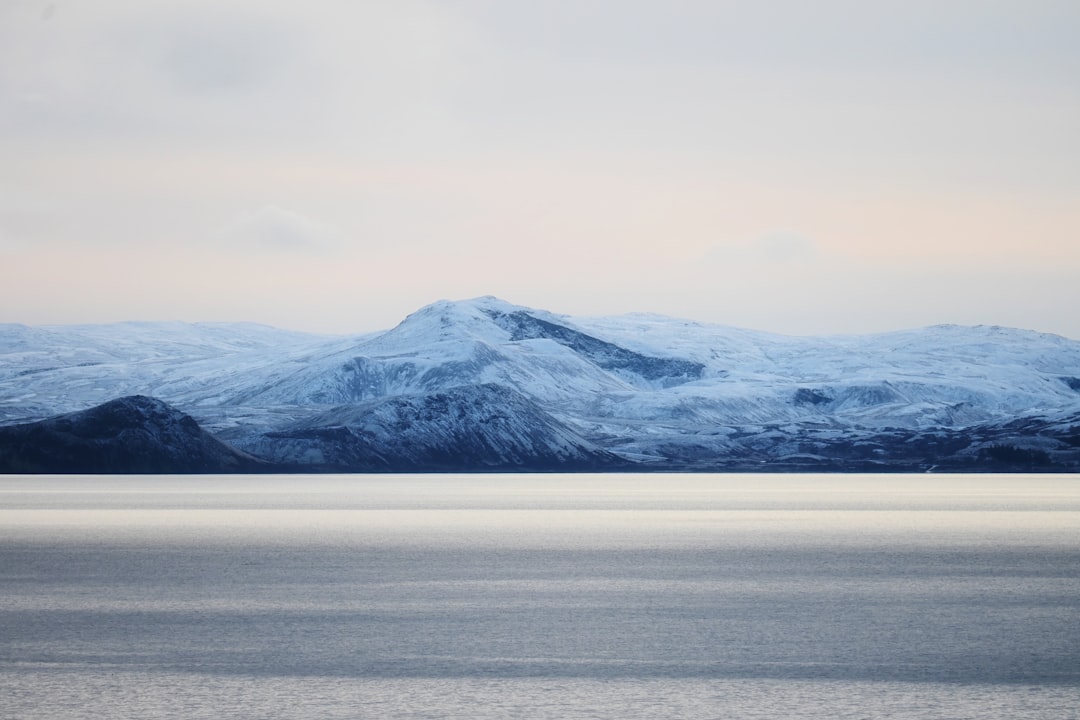
Flying a drone in Iceland is an incredible way to capture the country’s dramatic landscapes – from glaciers and waterfalls to fjords and lava fields. But to keep everyone safe and nature protected, there are clear rules you need to follow. If you’re staying with Ourhotels.is – at Hvítá Inn in Borgarfjörður, Stykkishólmur Inn, or Ísafjörður Inn – this guide will help you enjoy responsible and legal drone flying during your trip.
Iceland’s drone rules are mainly set by the Icelandic Transport Authority and local municipalities, and they’re enforced quite seriously. Before you take off, you should always check the latest regulations, but these are the key points every visitor should know.
First, you must always fly within visual line of sight. That means you need to be able to see your drone with your own eyes at all times – no flying behind mountains, into clouds, or too far out over the sea. The maximum allowed height in most places is 120 meters (about 400 feet) above ground level. This is to avoid conflicts with manned aircraft, especially in areas where sightseeing planes and helicopters operate.
Respecting people’s privacy is essential. You are not allowed to fly directly over crowds, busy streets, or private properties without permission. In towns like Borgarnes, Stykkishólmur, and Ísafjörður, keep your drone away from residential areas and always avoid filming people in a way that could be considered intrusive. If you’re staying at Hvítá Inn in Borgarfjörður, for example, you can often find beautiful open areas along the river and surrounding countryside where you can fly without disturbing anyone.
Many of Iceland’s most famous natural attractions are in protected areas, such as national parks and nature reserves. In places like Þingvellir, Vatnajökull, and Snæfellsjökull National Parks, drone use is often restricted or requires special permission. This is to protect wildlife, reduce noise pollution, and preserve the experience for other visitors. If you’re planning a day trip from Stykkishólmur Inn to the Snæfellsnes Peninsula, make sure to check whether drones are allowed at specific viewpoints or beaches before you launch.
Wildlife protection is another crucial aspect of drone rules in Iceland. Birds, especially during nesting season, can be extremely sensitive to disturbance. Seabird cliffs, eider duck nesting areas, and Arctic tern colonies are strictly off-limits for drone flying. In the Westfjords, where Ísafjörður Inn is located, there are many bird cliffs and sensitive coastal areas. Always keep a generous distance from any animals, and if you notice birds becoming agitated or changing their behavior, land your drone immediately and move away.
Airports and airfields are strict no-fly zones. You must not fly within a certain radius of any airport, heliport, or landing strip. This includes small local airfields, which you’ll find in many towns around Iceland. In Ísafjörður, for instance, the local airport is very close to town, so it’s especially important to check maps and local guidance before flying. The staff at Ísafjörður Inn can help point you toward safer, more suitable locations for drone photography in the surrounding fjords and mountains.
In many urban or popular tourist areas, municipalities have introduced additional rules or outright bans on drones, particularly during peak season. Always look for signs at parking lots and viewpoints – many will clearly state whether drones are allowed. If you’re unsure, ask locals or your accommodation. At Ourhotels.is properties like Hvítá Inn and Stykkishólmur Inn, the staff are familiar with nearby viewpoints and can often recommend good spots where drone flying is both legal and considerate.
Insurance and registration may also apply, depending on the size and use of your drone. For recreational flying with small drones, the requirements are lighter, but if your drone is heavier or you’re flying for commercial purposes, you may need to register and follow stricter rules. It’s wise to carry proof of ownership, any necessary permits, and your insurance details with you, especially if you plan to fly in more remote areas where rescue or recovery could be difficult.
Weather is another practical consideration that ties into safety. Iceland’s conditions can change rapidly: strong winds, sudden rain, and low clouds are common, even in summer. Never fly in high winds or poor visibility, and be cautious near the coast where gusts can be unpredictable. Around Borgarfjörður, near Hvítá Inn, the open river plains can be windy; on the Snæfellsnes Peninsula near Stykkishólmur Inn, sea breezes can pick up quickly; and in the Westfjords near Ísafjörður Inn, fjord winds can funnel between mountains. Always check the forecast and be prepared to cancel a flight if conditions look unstable.
To make your drone experience smoother, it’s helpful to plan ahead. Before you arrive in Iceland, review the official drone guidelines from the Icelandic Transport Authority and download any recommended apps or maps that show restricted zones. When you check in at an Ourhotels.is property, you can ask the staff about local viewpoints, safe open areas, and any recent changes to rules in the region. They know the surroundings well and can often suggest less-crowded spots that are perfect for aerial photography.
Finally, think of drone flying in Iceland as a privilege rather than a right. The landscapes you’re capturing are fragile, and many visitors are seeking peace and quiet in nature. By following the rules, keeping noise to a minimum, and respecting both locals and fellow travelers, you help ensure that drones remain welcome in Iceland for years to come.
Whether you’re filming the gentle curves of the Hvítá river near Hvítá Inn in Borgarfjörður, the colorful harbor and islands around Stykkishólmur Inn, or the dramatic fjord scenery surrounding Ísafjörður Inn, staying with Ourhotels.is gives you a comfortable base for your aerial adventures. Fly responsibly, prepare well, and Iceland will reward you with some of the most unforgettable drone footage you’ll ever capture.
