
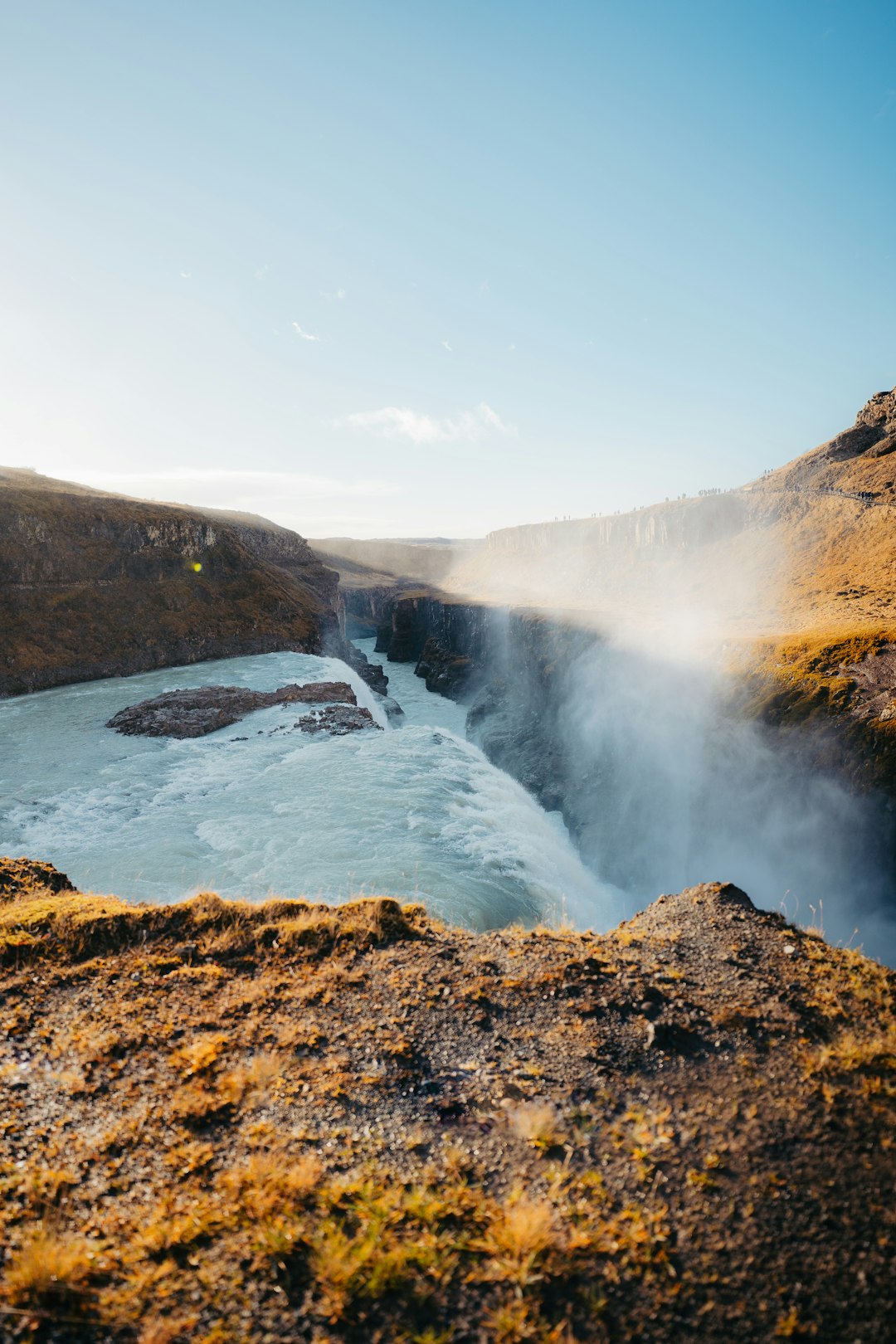
Hiking in Iceland is an unforgettable experience: wide-open lava fields, thundering waterfalls, black sand beaches, and glacier‑carved valleys. But the same wild nature that makes Iceland so magical also demands respect. Weather changes in minutes, trails can be rough and remote, and mobile coverage is not guaranteed. With a bit of preparation, you can enjoy the adventure safely and comfortably.
Below are essential hiking safety tips in Iceland, along with how Ourhotels.is and our inns in West Iceland—Hvítá Inn in Borgarfjörður, Stykkishólmur Inn, and Ísafjörður Inn—can be your safe and cozy base between hikes.
Icelandic Weather: Plan for All Seasons in One Day
Iceland’s weather is famously unpredictable. A sunny morning can turn into strong wind, rain, or even snow in the afternoon—any time of year.
– Always check the forecast on vedur.is before you go.
– Pay attention to wind speed as much as temperature; strong winds can make some routes dangerous.
– In winter and shoulder seasons, check for storm warnings and road closures on safetravel.is and road.is.
Staying at Ourhotels.is properties in West Iceland makes it easier to adapt your plans. For example, from Hvítá Inn in Borgarfjörður, you can choose between coastal walks, river valleys, or shorter local trails depending on the day’s conditions, instead of committing to a long, exposed route far from shelter.
Dress for the Conditions: Layer Up
The key to hiking safely in Iceland is staying warm and dry.
Pack and wear:
– Base layer: Wool or synthetic (avoid cotton).
– Mid layer: Fleece or light down for insulation.
– Outer layer: Waterproof and windproof jacket and pants.
– Footwear: Sturdy, waterproof hiking boots with good grip.
– Extras: Hat, gloves, buff, and spare socks.
Even in summer, evenings can be chilly, especially near the coast or in the highlands. When you return to Stykkishólmur Inn after a day exploring the Snæfellsnes Peninsula, you’ll appreciate having a warm room to dry your gear and prepare for the next hike.
Know Your Route and Your Limits
Iceland’s landscapes can feel easy to navigate because they’re so open, but trails are not always clearly marked, and fog can roll in quickly.
Before you set out:
– Choose a route that matches your fitness and experience.
– Use reliable maps or apps with offline maps (mobile signal can be weak).
– Check recent trail conditions on safetravel.is or local information centers.
– Tell someone where you’re going and when you expect to return.
If you’re staying at Ísafjörður Inn in the Westfjords, you’ll find a range of hikes—from gentle coastal paths to more demanding mountain routes. Staff can help you understand which trails are suitable for the day’s conditions and your experience level, so you don’t end up on a route that’s too long or too exposed.
Respect Rivers, Cliffs, and Glaciers
Many hiking accidents in Iceland happen near rivers, cliffs, and glaciers.
– Rivers: Never underestimate glacial rivers. Water levels can rise quickly, and currents are strong. If you’re unsure about a crossing, turn back.
– Cliffs and sea stacks: Stay well back from edges. Rock can be loose, and strong gusts are common.
– Glaciers and ice caves: Only go with certified guides. Hidden crevasses and unstable ice make unguided glacier travel extremely dangerous.
From Hvítá Inn, you’re close to rivers, waterfalls, and geothermal areas in Borgarfjörður. These are perfect for day hikes, but always stay on marked paths and follow local signage—geothermal ground can be thin and unstable off-trail.
Daylight, Darkness, and the Seasons
In summer, Iceland’s long days and midnight sun can tempt you to hike late into the night. In winter, daylight is limited, especially in the Westfjords.
– In summer: Don’t let the light trick you into starting long hikes too late; you still need energy and good weather.
– In winter: Plan your route so you’re back before dark. Bring a headlamp and spare batteries.
Staying at Stykkishólmur Inn or Ísafjörður Inn gives you a comfortable base to plan around the light. You can enjoy early morning or late evening walks close to town in summer, and shorter, well-timed hikes in winter without long drives in the dark.
Pack the Right Safety Gear
Even for shorter hikes, a small safety kit can make a big difference.
Consider bringing:
– Fully charged phone and power bank
– Map and/or GPS with offline maps
– First-aid kit and any personal medication
– Headlamp (year-round—it can get foggy or overcast)
– Emergency blanket or bivy bag
– High-energy snacks and enough water
– Whistle and small multi-tool
If you’re unsure what you need for the hikes you’re planning from Ourhotels.is locations, ask at reception. Our teams in Borgarfjörður, Stykkishólmur, and Ísafjörður are used to helping hikers prepare and can point you toward local shops or rental options if you’re missing something important.
Use Official Information and Local Advice
Two of the most important resources for hiking safety in Iceland are:
– safetravel.is – route alerts, travel plans, and safety tips
– vedur.is – detailed weather forecasts and warnings
Combine these with local knowledge. When you stay at Hvítá Inn, Stykkishólmur Inn, or Ísafjörður Inn, you’re in areas with countless hiking options. Our staff can:
– Suggest routes suitable for the day’s weather
– Tell you about lesser-known local trails
– Help you understand driving times and road conditions to trailheads
This combination of national safety information and local insight is one of the best ways to stay safe while still experiencing Iceland’s wilder side.
Make Ourhotels.is Your Hiking Base in West Iceland
Choosing the right accommodation is part of hiking safely in Iceland. A good base lets you:
– Adjust plans quickly when the weather changes
– Rest properly between hikes
– Dry and repack your gear
– Get local, up-to-date advice
Ourhotels.is offers exactly that in West Iceland:
– Hvítá Inn in Borgarfjörður (near Borgarnes): Ideal for exploring waterfalls, lava fields, and river valleys in the Borgarfjörður region and along the ring road.
– Stykkishólmur Inn: A perfect base for the Snæfellsnes Peninsula, with easy access to coastal hikes, bird cliffs, and dramatic viewpoints.
– Ísafjörður Inn: Your gateway to the Westfjords, with access to some of Iceland’s most remote and spectacular hiking areas.
By combining careful planning, respect for nature, and the comfort of well-located inns, you can enjoy Iceland’s hiking trails safely and fully. When you’re ready to explore West Iceland on foot, Ourhotels.is is here to welcome you back after every adventure.
