
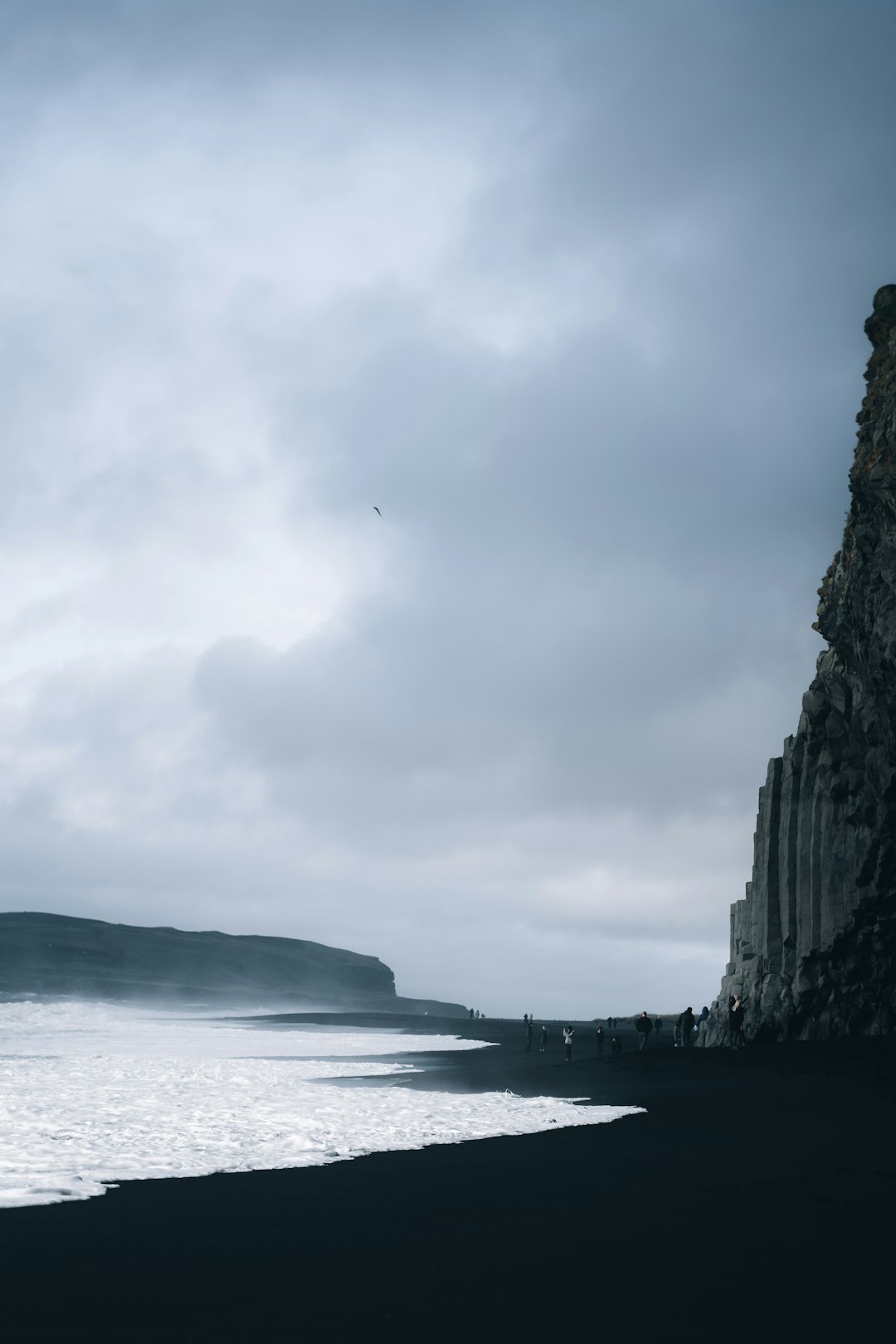
Exploring Iceland’s trails in winter can be magical: frozen waterfalls, snow-dusted lava fields, and crisp Arctic air. But with that beauty comes a serious challenge—ice. Knowing how to stay safe on icy paths will help you enjoy your adventure instead of worrying about every step.
At Ourhotels.is, many of our guests stay specifically to hike and explore the outdoors, so ice safety is something we talk about a lot at reception. Whether you’re based at Hvítá Inn in Borgarfjörður, Stykkishólmur Inn on the Snæfellsnes Peninsula, or Ísafjörður Inn in the Westfjords, the same basic rules apply.
First, always assume there will be ice on the trail in winter and shoulder seasons, even if the path looks clear. In Iceland, conditions can change within minutes. A wet trail in the afternoon can turn into a sheet of ice by evening. Before you head out from your hotel, check the weather and road conditions, and ask the staff for the latest local advice—at Ourhotels.is properties, our teams are used to guiding guests toward safer choices based on the day’s conditions.
Proper footwear is essential. Sturdy, waterproof hiking boots with good ankle support and a solid tread are the minimum. For most winter and early-spring hikes, you should also carry simple traction devices (like microspikes) that fit over your boots. These make a huge difference on compacted snow and ice. Guests at Hvítá Inn, for example, often head out to explore the Borgarfjörður area, where popular trails can get polished and slippery from frequent use. With spikes, those same paths become far more manageable.
Layering your clothing is another key part of ice safety. If you’re cold, you rush; if you’re overheated, you may get careless. Both can lead to slips. Wear moisture-wicking base layers, an insulating mid-layer, and a wind- and water-resistant outer shell. Gloves and a hat are important, too—cold hands make it harder to catch yourself safely if you slip. Before leaving Stykkishólmur Inn for a coastal walk or a visit to nearby viewpoints, take a moment to adjust your layers so you’re comfortable from the start.
On the trail, slow down. Short, deliberate steps with your weight centered over your feet are much safer than long strides. Think of walking like a penguin: feet slightly apart, knees soft, and your center of gravity low. Use trekking poles if you have them; they add stability and can help you test the surface ahead. This is especially useful in the Westfjords, where guests at Ísafjörður Inn often explore steep paths with variable snow and ice cover.
Pay attention to where ice is most likely to form. Shaded areas, north-facing slopes, wooden bridges, and sections near streams or waterfalls can be extremely slick. In Borgarfjörður, for instance, trails near rivers and hot springs can have hidden icy patches even when the rest of the path looks clear. Avoid walking on shiny, glass-like surfaces if you can find an alternative route with more snow or gravel for traction.
If you do have to cross an icy section, take your time. Keep your feet flat, place each step carefully, and avoid sudden movements. Don’t walk right at the edge of cliffs, ravines, or steep drop-offs—one slip can have serious consequences. In windy conditions, lean slightly into the wind and use any available support, such as trekking poles or a sturdy rock.
Daylight is limited in Iceland during winter, so plan your hikes with time to spare. Start early enough that you’re back at your hotel well before dark. Always carry a headlamp, even if you think you’ll return in daylight; clouds, snow, or delays can change your timing. From Stykkishólmur Inn or Ísafjörður Inn, many viewpoints and short trails are perfect for half-day outings—our staff can recommend routes that match your fitness level and the season.
Navigation is also part of staying safe on icy trails. Stick to marked paths and respect any closures. If a trail is roped off or a sign warns of dangerous conditions, take it seriously. In remote areas, especially around the Westfjords, it’s easy to underestimate how quickly conditions can deteriorate. Before leaving any of our Ourhotels.is locations, let someone know where you’re going and when you expect to return.
Hydration and nutrition matter more than many people realize. Dehydration and low energy can affect your balance and reaction time. Carry water and snacks, even for short walks. When you return to Hvítá Inn in Borgarfjörður after a chilly hike, warming up with a hot drink and a meal isn’t just comforting—it helps your body recover and stay ready for the next adventure.
Finally, know when to turn back. No viewpoint or photo is worth risking a serious fall. If the trail ahead looks dangerously icy, if the wind picks up, or if visibility drops, it’s perfectly okay to change your plan. One of the advantages of staying with Ourhotels.is is that you’re never far from alternative experiences—scenic drives, hot springs, coastal walks, and charming towns that can be enjoyed safely even when the trails are too icy.
Ice safety on trails in Iceland comes down to preparation, the right gear, and a cautious mindset. With good boots, traction devices, layered clothing, and a realistic plan, you can enjoy the frozen landscapes that make Iceland so special. Whether you’re setting out from Hvítá Inn in Borgarfjörður, exploring the coastline near Stykkishólmur Inn, or discovering the dramatic scenery around Ísafjörður Inn, Ourhotels.is is here to help you make the most of your stay—safely, comfortably, and with unforgettable memories of Iceland’s winter beauty.
