
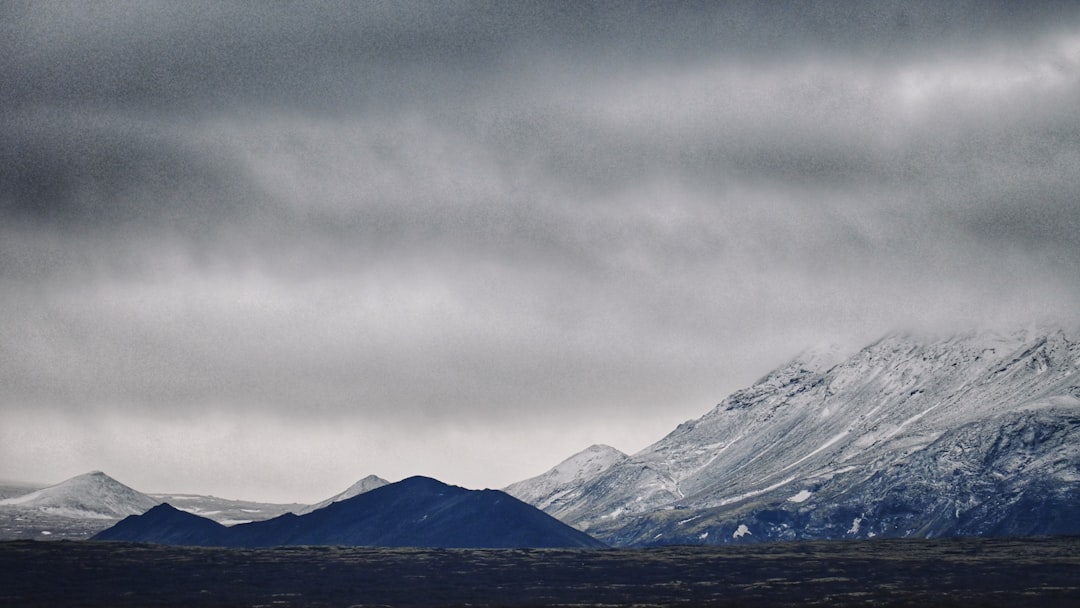
Iceland is a dream destination for photographers: dramatic light, wild weather, and landscapes that change every few kilometers. To make the most of your trip, it helps to plan not just where you’ll shoot, but where you’ll stay, how you’ll move around, and how you’ll adapt to Iceland’s unique conditions. Here are practical Iceland travel tips for photographers, with a special focus on exploring the west and basing yourself at photographer‑friendly stays like Ourhotels.is properties: Hvítá Inn in Borgarfjörður, Stykkishólmur Inn, and Ísafjörður Inn.
Iceland’s light is your best friend and your biggest challenge. In summer, the midnight sun gives you hours of golden and blue hour light, which is perfect for long, relaxed photo sessions. In winter, daylight is short but dramatic, and the low sun creates long shadows and rich contrast all day. Plan your shooting schedule around sunrise and sunset times, and don’t be afraid to nap in the middle of the day so you can be out late at night or very early in the morning. Staying in smaller, well‑located inns like those from Ourhotels.is makes this easier, because you’re already close to great locations and can come and go quickly.
Weather in Iceland changes fast, which is both a challenge and an opportunity. Stormy skies, fast‑moving clouds, and sudden bursts of sunlight can turn an ordinary scene into something unforgettable. Always pack layers: a waterproof outer shell, warm mid‑layers, gloves thin enough to operate your camera, and a hat. For your gear, bring a rain cover or simple plastic bag, microfiber cloths, and lens wipes. When you stay at places like Hvítá Inn in Borgarfjörður or Stykkishólmur Inn, you’ll appreciate having a warm, comfortable base to dry off, back up your photos, and recharge batteries between weather windows.
The west of Iceland is a fantastic region for photographers who want variety without long driving days. Borgarfjörður, the Snæfellsnes Peninsula, and the Westfjords offer waterfalls, coastlines, mountains, small harbors, and charming towns. Ourhotels.is has three well‑placed inns in this area, making it easy to build a flexible, photography‑focused itinerary that doesn’t feel rushed.
Hvítá Inn in Borgarfjörður, close to Borgarnes, is an ideal starting point for exploring western Iceland. The surrounding area is rich with rivers, waterfalls, lava fields, and wide open valleys that look beautiful in every season. From here, you can photograph early morning mist over the Hvítá river, soft evening light on the mountains, and classic Icelandic farm scenes. Because you’re not far from Reykjavík, Hvítá Inn works well as your first or last stop, giving you time to settle in, check your gear, and adjust your plans based on the weather forecast. The quieter countryside setting also means less light pollution, which is helpful if you’re hoping to capture the northern lights in autumn or winter.
Further north, Stykkishólmur Inn places you right in one of the most photogenic small towns in Iceland. Stykkishólmur is known for its colorful houses, harbor views, and beautiful light over Breiðafjörður bay. It’s a perfect base for exploring the Snæfellsnes Peninsula, often called “Iceland in miniature” because it has a bit of everything: black sand beaches, sea cliffs, lava fields, mountains, and the glacier‑capped Snæfellsjökull. From Stykkishólmur Inn, you can head out early to catch sunrise at coastal viewpoints, then return in the afternoon to rest before chasing sunset or the northern lights. Having a comfortable inn in town means you can walk to the harbor for blue hour shots, then be back in your room in minutes to back up your images.
For photographers who want wilder, more remote landscapes, Ísafjörður Inn in the Westfjords is a strong choice. Ísafjörður is surrounded by steep mountains, narrow fjords, and dramatic coastlines that feel far from the usual tourist routes. The light here can be especially striking, with low sun angles and fast‑changing weather creating moody scenes. From Ísafjörður Inn, you can explore nearby fjords, small villages, and viewpoints that offer sweeping panoramas. The town itself, with its harbor and traditional houses, is also very photogenic. After long days on winding Westfjords roads, returning to a cozy inn where you can sort your images and plan the next day is a real advantage.
When planning your route, think in terms of “photo zones” rather than just distances. The west is compact enough that you can spend multiple nights in each Ourhotels.is location and explore in loops, instead of packing and unpacking every day. For example, you might spend a couple of nights at Hvítá Inn to cover Borgarfjörður and nearby waterfalls, then move to Stykkishólmur Inn for Snæfellsnes, and finish with several nights at Ísafjörður Inn in the Westfjords. This slower pace gives you the flexibility to revisit locations in different light or weather, which often makes the difference between a good shot and a great one.
Driving is usually the best way for photographers to get around Iceland, because it lets you stop whenever the light or landscape catches your eye. Check road conditions daily, especially in winter, and allow extra time for photo stops. Keep your main camera and a versatile lens within reach, not buried in the trunk. When you stay at inns like those from Ourhotels.is, you can ask staff about current conditions and local viewpoints that might not be on every map. Local knowledge can lead you to quieter spots with excellent compositions and fewer people.
For gear, a sturdy tripod is essential for long exposures, low light, and northern lights photography. A wide‑angle lens is useful for capturing big skies and sweeping landscapes, while a telephoto helps you isolate distant peaks, patterns in the terrain, or wildlife. Filters (polarizer and ND) can help manage reflections and long exposures of waterfalls and seascapes. Always carry spare batteries and memory cards; cold weather drains batteries faster, and you’ll likely shoot more than you expect. One advantage of staying at smaller inns like Hvítá Inn, Stykkishólmur Inn, and Ísafjörður Inn is that you can safely leave some gear in your room and head out lighter when you want to.
If you’re visiting between late August and early April, there’s a chance to photograph the northern lights. To increase your odds, stay multiple nights in darker, less light‑polluted areas and be ready to go out on short notice. Use aurora and cloud cover forecasts, but also keep an eye on the sky yourself. From countryside locations near Hvítá Inn or the darker surroundings of Ísafjörður, you can often step outside quickly if the aurora appears. Having your camera bag packed and tripod ready in your room makes it easier to react when the lights suddenly show up.
Respecting nature is important, both ethically and for keeping Iceland beautiful for future visitors. Stay on marked paths, avoid fragile moss, and never put yourself in danger for a shot. Strong waves, slippery rocks, and sudden wind gusts are real hazards. One benefit of staying with local accommodations like Ourhotels.is is that you can ask for advice on safe viewpoints and current conditions at waterfalls, cliffs, and coastal areas. Locals often know where it’s safe to stand and where to avoid, especially in winter.
Finally, remember that some of your best images may come from quiet, unexpected moments: low clouds rolling over a valley near Borgarfjörður, soft evening light on the harbor in Stykkishólmur, or a sudden break in the clouds over a fjord near Ísafjörður. By choosing comfortable, well‑located bases like Hvítá Inn, Stykkishólmur Inn, and Ísafjörður Inn through Ourhotels.is, you give yourself the time and flexibility to wait for those moments, return to promising locations, and truly experience the west of Iceland through your lens.
