
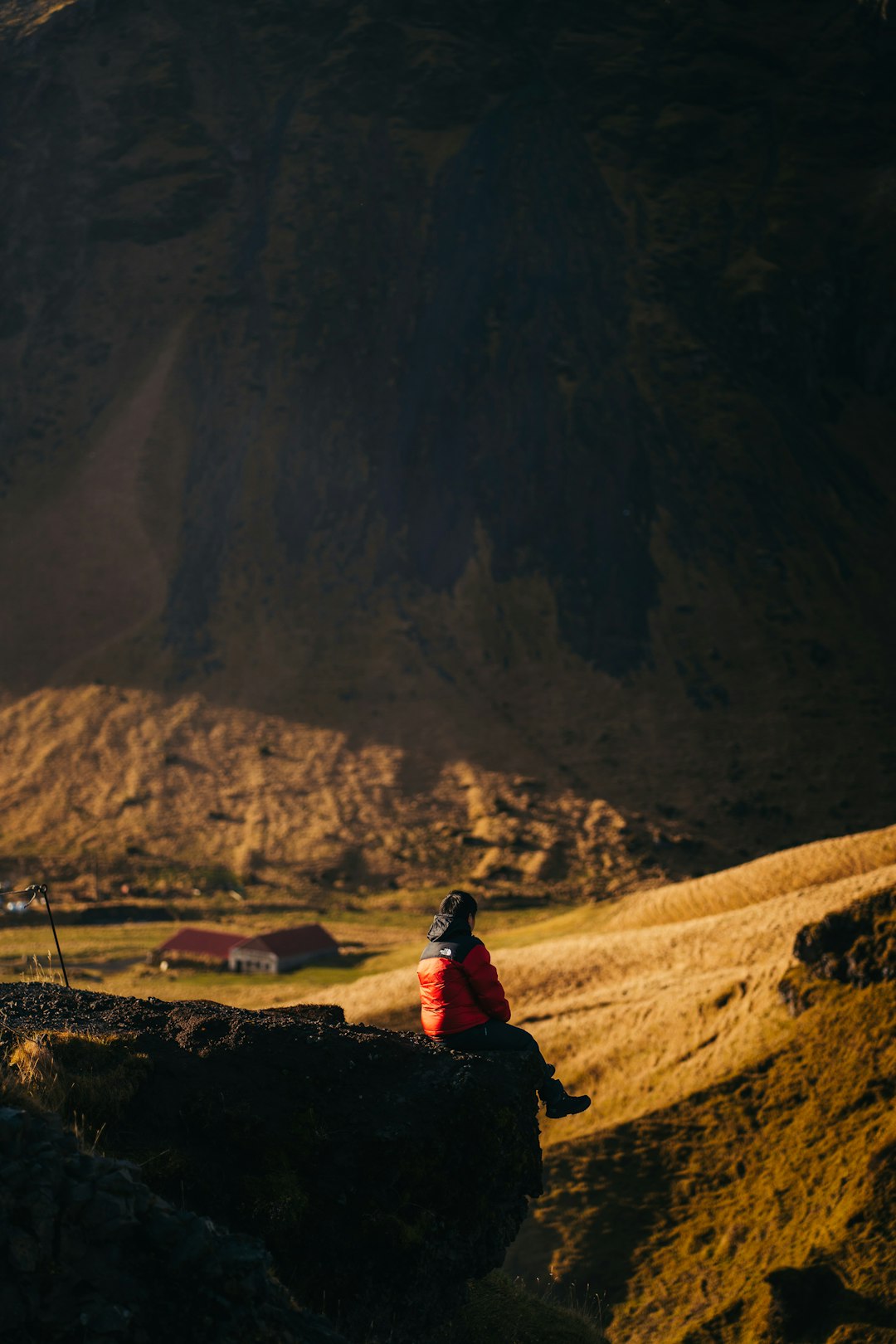
Iceland’s weather is part of its magic—ever‑changing skies, dramatic light, and seasons that feel completely different from one another. Planning around it can turn a good trip into an unforgettable one. This guide walks you through Iceland’s weather by season, what to expect, what to pack, and how to choose the best base for exploring the west and the Westfjords with Ourhotels.is: Hvítá Inn in Borgarfjörður, Stykkishólmur Inn on the Snæfellsnes Peninsula, and Ísafjörður Inn in the Westfjords.
Iceland’s climate is milder than many expect, thanks to the Gulf Stream, but it’s also famously unpredictable. No matter when you visit, think “layers, wind, and waterproof” rather than “exact temperatures.” You might experience sunshine, rain, wind, and calm in a single day—especially along the coast and in the mountains of West Iceland.
**Spring in Iceland (April–May): Melting snow and longer days**
Spring arrives slowly and unevenly across the country. In West Iceland and the Westfjords, April can still feel wintry, with patches of snow in the countryside and chilly winds, especially in the mornings and evenings. By May, the days are noticeably longer, the grass is turning green, and migratory birds are returning.
Typical daytime temperatures range from about 0–10°C (32–50°F), but wind chill can make it feel colder. Roads are mostly clear in the lowlands, though some mountain passes and highland routes may still be closed.
Spring is a great time to base yourself at **Hvítá Inn in Borgarfjörður**, just inland from Borgarnes. The area tends to be a bit calmer than the exposed coast, and you’re perfectly placed to explore waterfalls like Hraunfossar and Barnafoss, the hot spring Deildartunguhver, and the historic Reykholt area. After a day out in crisp spring air, returning to a cozy inn in the countryside is exactly what most travelers want.
What to pack in spring:
– Warm base layers and a fleece or wool sweater
– A windproof, waterproof jacket and sturdy shoes
– Hat, gloves, and a buff or scarf for windy days
**Summer in Iceland (June–August): Midnight sun and mild temperatures**
Summer is the most popular season to visit Iceland, and for good reason. In June and July, daylight stretches almost around the clock in the west, with long golden evenings and only a brief twilight at night. Temperatures are usually between 8–15°C (46–59°F), with occasional warmer days, but it rarely gets hot. Even in summer, you’ll want a light jacket—especially near the ocean or on boat trips.
This is the ideal time to explore the Snæfellsnes Peninsula and the Westfjords. Staying at **Stykkishólmur Inn** puts you right in one of Iceland’s most charming coastal towns, with colorful houses, a picturesque harbor, and easy access to boat tours on Breiðafjörður Bay. From here, you can explore Snæfellsjökull National Park, black sand beaches, lava fields, and dramatic cliffs, all under the soft glow of the midnight sun.
Further north and west, **Ísafjörður Inn** is your gateway to the wild beauty of the Westfjords. Summer is when mountain roads open, hiking trails become accessible, and boat trips to remote fjords like Hornstrandir are possible. Even in July, evenings can be cool, and the weather can shift quickly from bright sun to mist and drizzle, so layers remain essential.
What to pack in summer:
– Light layers (t‑shirts, thin sweaters) plus a warm mid‑layer
– A waterproof, windproof shell
– Comfortable walking shoes or light hiking boots
– Sleep mask if you’re sensitive to light at night
**Autumn in Iceland (September–October): Colorful landscapes and quieter days**
Autumn in Iceland is short but beautiful. By early September, the air is cooler and crisper, and by late September and October, the moss, shrubs, and birch trees turn shades of red, orange, and gold. Daylight hours start to shrink, and by October, you’ll have dark evenings again—perfect for northern lights hunting when conditions are right.
Temperatures usually range from about 0–10°C (32–50°F), with more frequent rain and wind. Storms can roll in from the Atlantic, especially along the coast, but there are also many calm, clear days with stunning visibility.
Autumn is a wonderful time to split your stay between **Hvítá Inn in Borgarfjörður** and **Stykkishólmur Inn**. In Borgarfjörður, you can enjoy the changing colors along the rivers and lava fields, soak in nearby hot springs, and explore caves and waterfalls without the summer crowds. Over on the Snæfellsnes Peninsula, Stykkishólmur’s harbor and surrounding islands look especially dramatic under autumn skies, and you have a good balance of daylight for sightseeing and darkness for possible aurora displays.
What to pack in autumn:
– Warm layers (wool or fleece), including a thicker jacket
– Waterproof outerwear and waterproof shoes or boots
– Hat, gloves, and warm socks
– A small daypack with space for extra layers and a thermos
**Winter in Iceland (November–March): Northern lights and cozy nights**
Winter in Iceland is not as brutally cold as many imagine, but it is dark, and the weather can be rough. In West Iceland and the Westfjords, you can expect temperatures around –5 to 5°C (23–41°F), with colder spells, icy roads, and occasional heavy snow or storms. The wind is often the biggest factor, making it feel colder than the thermometer suggests.
The reward for braving winter is the chance to see the northern lights, experience Iceland’s quiet side, and enjoy a truly cozy atmosphere. In December and early January, daylight is limited to just a few hours, but the low sun, snow‑covered mountains, and warm lights in towns and villages create a unique mood.
For winter travelers, **Ísafjörður Inn** offers a base in one of Iceland’s most scenic small towns, surrounded by steep mountains and deep fjords. The Westfjords in winter feel remote and dramatic, and while you need to keep an eye on road and weather conditions, the experience is unforgettable. Closer to Reykjavík, **Hvítá Inn in Borgarfjörður** is a great countryside option, with easier access and less exposure to the harshest coastal winds. On clear winter nights, both locations offer good chances to see the aurora away from city light pollution.
What to pack in winter:
– Thermal base layers (top and bottom)
– Insulated jacket and warm mid‑layers
– Windproof, waterproof outer shell
– Insulated, waterproof boots with good grip
– Warm hat, scarf, and thick gloves or mittens
**Choosing where to stay in West Iceland and the Westfjords**
Ourhotels.is focuses on comfortable, well‑located inns that make it easy to explore the west and the Westfjords in any season:
– **Hvítá Inn – Borgarfjörður (near Borgarnes):** Ideal for spring, autumn, and winter stays in the countryside, with easy access from Reykjavík and great day trips to waterfalls, hot springs, and lava fields.
– **Stykkishólmur Inn – Snæfellsnes Peninsula:** Perfect for summer and autumn, with long days, coastal views, and boat tours on Breiðafjörður Bay. A great base for exploring “Iceland in Miniature” on Snæfellsnes.
– **Ísafjörður Inn – Westfjords:** Best for summer adventures and winter escapes in one of Iceland’s most dramatic regions, with hiking, skiing (in season), and boat trips to remote fjords.
By understanding Iceland’s weather by season and choosing the right base with Ourhotels.is, you can match your trip to the experiences you want most—whether that’s midnight sun on the Snæfellsnes Peninsula, autumn colors in Borgarfjörður, or northern lights over the fjords of Ísafjörður. Whatever the month, pack for changeable conditions, stay flexible with your plans, and let the weather become part of the adventure.
