
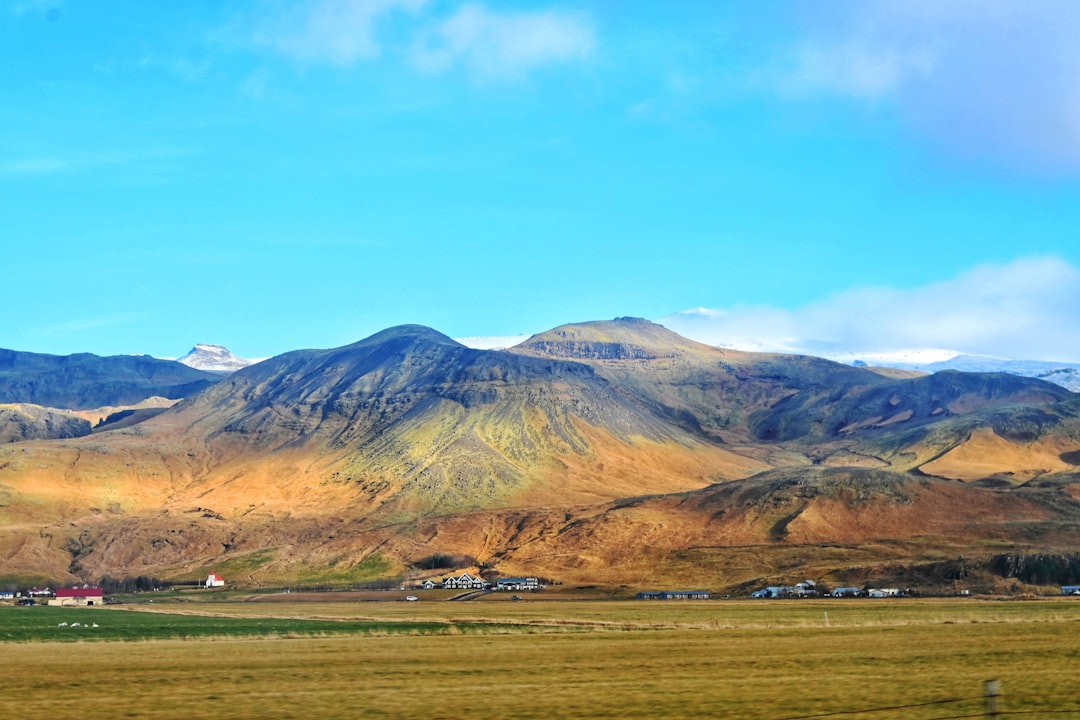
Glacier landscapes in West Iceland are among the most dramatic scenes you can capture with a camera: towering ice caps, sweeping valleys, and ever‑changing light that shifts from soft pastel to deep, moody tones in minutes. Whether you’re a beginner with a smartphone or an experienced photographer with a full kit, a bit of planning and local knowledge will help you bring home images that truly do these places justice.
Staying with Ourhotels.is in West Iceland puts you in a perfect position to explore and photograph glaciers at different times of day and in different weather conditions. With bases like Hvítá Inn in Borgarfjörður, Stykkishólmur Inn on the Snæfellsnes Peninsula, and Ísafjörður Inn in the Westfjords, you can build an itinerary that follows the light and the landscape.
Below are practical photography tips tailored to glacier scenery, along with how to make the most of each of these locations.
—
Glacier photography basics: light, timing, and weather
Glaciers are all about light. Ice reflects, refracts, and absorbs light in unique ways, which is why you’ll see everything from bright whites to deep blues in a single scene.
– **Shoot during golden and blue hours**
Early morning and late evening are ideal. The low sun adds texture to the ice, revealing ridges and crevasses. Blue hour—just before sunrise and after sunset—can give glacier scenes a magical, ethereal glow.
– **Embrace Iceland’s changing weather**
Overcast skies soften harsh contrasts and help you capture subtle tones in the ice. Stormy clouds add drama and scale. From Hvítá Inn or Stykkishólmur Inn, you can easily adjust your plans based on the day’s conditions, heading out when the sky looks promising.
– **Use the long days to your advantage**
In late spring and summer, you’ll have long evenings and even midnight sun. Staying at Ísafjörður Inn or Hvítá Inn gives you the flexibility to rest during the day and head out when the light is at its best, even late at night.
—
Camera settings for glacier landscapes
You don’t need the most expensive gear, but a few setting choices make a big difference.
– **Shoot in RAW if possible**
RAW files preserve detail in bright snow and dark rocks, giving you more flexibility when editing.
– **Expose for the highlights**
Glaciers and snow can easily blow out to pure white. Slightly underexpose your image to keep detail in the brightest areas, then lift the shadows later.
– **Use a small aperture for sharp landscapes**
Apertures like f/8–f/11 help keep both foreground and background in focus. This is especially useful when you’re including rocks, ice chunks, or people in the frame.
– **Stabilize your camera**
A lightweight tripod is ideal for long exposures and low light. If you’re traveling light and staying at Ourhotels.is properties, you can plan shorter trips from your base and bring a tripod without worrying about carrying it all day.
—
Composing powerful glacier images
Composition is where your creativity comes in. Glaciers can be overwhelming in scale, so think about how to guide the viewer’s eye.
– **Include a strong foreground**
Ice chunks, textured snow, rocks, or even a winding river can lead the viewer into the frame. Around Borgarfjörður, accessible from Hvítá Inn, you’ll find rivers and valleys that frame distant ice caps beautifully.
– **Use leading lines**
Crevasses, meltwater streams, and shorelines make natural lines that draw attention toward the glacier. On the Snæfellsnes Peninsula, reachable from Stykkishólmur Inn, coastal lines and mountain ridges can point toward the ice-covered Snæfellsjökull area.
– **Add a sense of scale**
A person, a small building, or a vehicle in the distance can show just how massive the glacier is. From Ísafjörður Inn, you can explore viewpoints where fjords and tiny houses sit beneath snowfields and ice, giving a powerful sense of proportion.
– **Look for reflections**
Calm water near glaciers or snowfields can create mirror-like reflections. Around Stykkishólmur, the interplay of sea, islands, and distant ice-capped mountains offers great opportunities for reflection shots at sunrise or sunset.
—
Filters and accessories for glacier photography
A few simple accessories can help you handle the bright, reflective environment around glaciers.
– **Polarizing filter**
A polarizer reduces glare from snow, ice, and water, deepens blue skies, and enhances contrast. It’s especially useful when shooting from coastal areas near Stykkishólmur Inn or riverbanks near Hvítá Inn.
– **ND (neutral density) filter**
ND filters let you use longer exposures even in bright light. This is perfect for smoothing out water in rivers and waterfalls that flow from glaciers, common in the Borgarfjörður region.
– **Lens hood and microfiber cloth**
A lens hood helps reduce flare from low-angle sun, and a cloth is essential for wiping away sea spray, mist, or light rain—conditions you may encounter around Ísafjörður and Stykkishólmur.
—
Safety and respect for nature
Glacier environments are beautiful but can be hazardous. Always prioritize safety and respect local guidelines.
– **Keep a safe distance**
Crevasses, unstable ice, and sudden changes in weather are real risks. Join guided tours for glacier walks or ice cave visits, and never venture onto a glacier alone.
– **Dress for the conditions**
Waterproof layers, warm clothing, gloves you can operate your camera with, and sturdy boots are essential. Staying at Ourhotels.is properties like Hvítá Inn, Stykkishólmur Inn, and Ísafjörður Inn means you can return quickly to a warm, comfortable base after your shoot.
– **Leave no trace**
Stick to marked paths, avoid disturbing fragile moss and vegetation, and pack out all your trash. The more carefully we treat these landscapes, the longer they’ll remain pristine for future photographers.
—
Using Ourhotels.is as your glacier photography base
– **Hvítá Inn – Borgarfjörður (near Borgarnes)**
This area is a gateway to West Iceland’s inland landscapes, with rivers, valleys, and views toward ice caps and highlands. From Hvítá Inn, you can plan early-morning or late-evening drives to viewpoints where glaciers sit on the horizon, framed by rolling hills and dramatic skies. It’s ideal for wide-angle landscape shots and long-exposure river scenes fed by glacial meltwater.
– **Stykkishólmur Inn – Snæfellsnes Peninsula**
Stykkishólmur is a perfect base for exploring the Snæfellsnes Peninsula, often called “Iceland in Miniature.” Here you can photograph the glacier-capped Snæfellsjökull area, coastal cliffs, black beaches, and sea views with distant ice. The combination of ocean, islands, and glacier makes for unique compositions, especially at sunrise and sunset when the light hits the peninsula from different angles.
– **Ísafjörður Inn – Westfjords**
The Westfjords offer a wilder, more remote feel. From Ísafjörður Inn, you can explore deep fjords, snow-covered mountains, and distant icefields. The interplay of steep cliffs, narrow fjords, and lingering snow or ice creates moody, atmospheric scenes—perfect for those who enjoy dramatic, high-contrast photography and long exposures in low light.
By staying with Ourhotels.is across these three locations, you can design a photography journey that follows the glaciers from different perspectives: inland valleys, coastal peninsulas, and remote fjords. Each inn offers comfortable accommodation and a strategic base so you can focus on what matters most—being in the right place at the right time to capture unforgettable glacier images.
With thoughtful planning, a bit of technical know‑how, and the flexibility that comes from staying close to the landscapes you want to photograph, your glacier shots from West Iceland can be as powerful and memorable as the scenery itself.
