
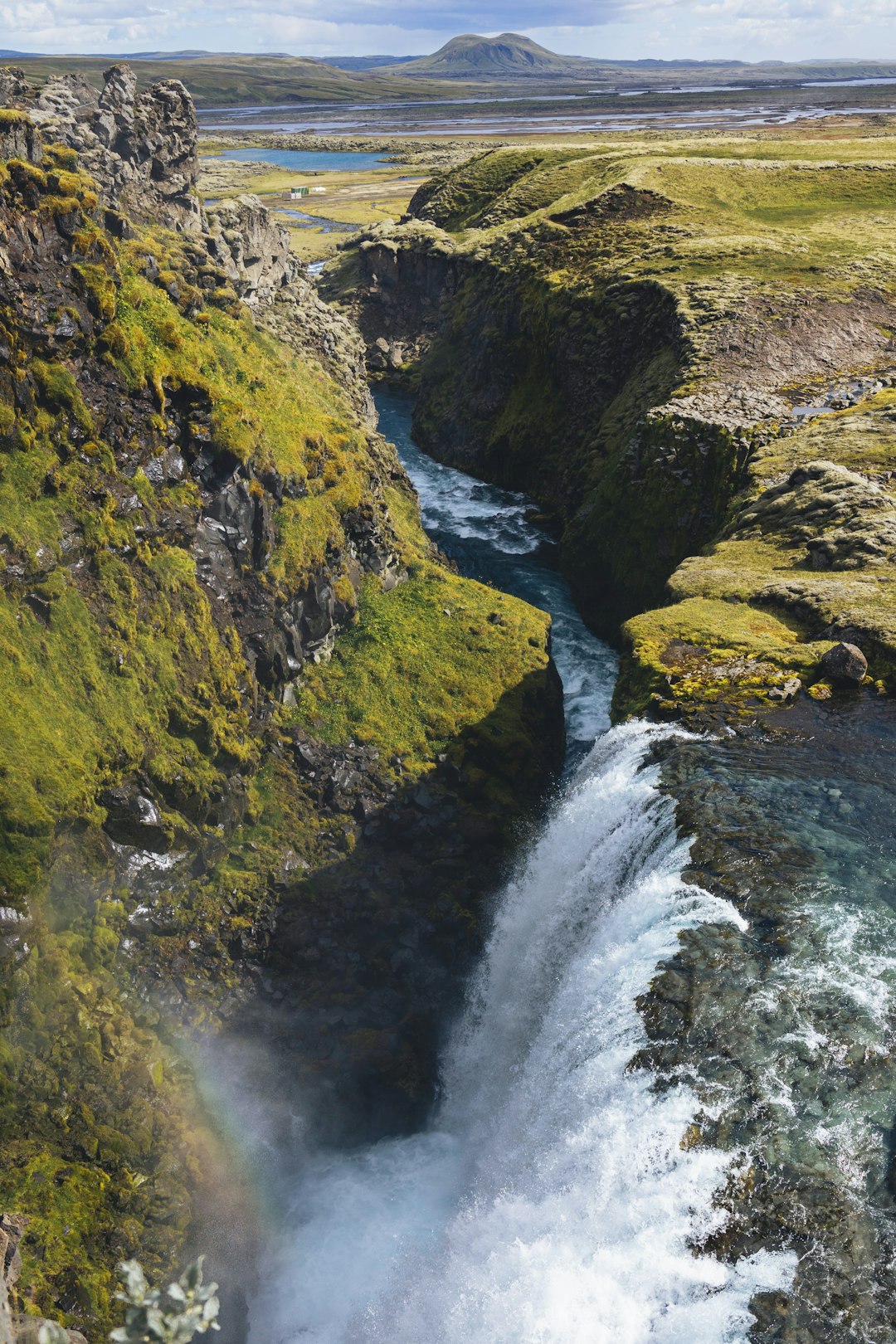
River crossings are one of the most exciting – and most misunderstood – parts of traveling in Iceland. Whether you’re planning to drive into the highlands, explore the Westfjords, or simply follow a tempting F-road on the map, understanding river crossing safety in Iceland is essential for a safe and enjoyable trip.
Many visitors base themselves in West Iceland and the Westfjords, staying at places like **Hvítá Inn in Borgarfjörður**, **Stykkishólmur Inn** on the Snæfellsnes Peninsula, or **Ísafjörður Inn** in the Westfjords, and then head out on day trips into wilder areas. This is a perfect way to experience Iceland’s raw nature – as long as you respect the rivers.
Below are key tips and guidelines to help you cross rivers safely, protect your rental car, and make the most of your adventure.
Iceland’s rivers: why they’re different
Icelandic rivers can change quickly due to:
– **Glacial meltwater**: Warm days and sunshine increase water volume and speed.
– **Rain and storms**: Heavy rain can turn a shallow ford into a deep, fast-flowing river in hours.
– **Time of day**: Rivers fed by glaciers are usually **lower in the morning** and **higher in the late afternoon**.
– **Seasons**: Summer and early autumn bring more meltwater; spring can be unpredictable with snowmelt.
This means a river that was easy to cross yesterday – or even an hour ago – may be dangerous now. Never assume it’s safe just because you saw another car do it on social media.
Know your vehicle and your limits
Before attempting any river crossing in Iceland:
– **Check if your route is legal for your car**:
– Only **4×4 vehicles** are allowed on **F-roads** (mountain roads).
– Standard 2WD cars are not built for river crossings and are often uninsured for water damage.
– **Know your rental agreement**: Most rental companies do **not** cover damage from water entering the engine or cabin. One bad decision at a river can become very expensive.
– **Be honest about your experience**: If you’ve never crossed a river before, start with very shallow, clearly marked fords – or skip them entirely.
Guests at **Hvítá Inn**, **Stykkishólmur Inn**, and **Ísafjörður Inn** often ask our staff which roads are realistic for their vehicle and experience. Ourhotels.is staff are happy to help you choose routes that match your comfort level.
How to assess a river before crossing
Never drive straight into a river without checking it first. Take your time and follow these steps:
1. **Stop and observe**
– Look at the **speed** of the water. Fast, churning water is more dangerous than slow, clear flow.
– Check if other vehicles are crossing. Note their **type** (big 4×4 vs small SUV) and how deep the water reaches on them.
2. **Look for the official crossing**
– Use **marked fords** where possible. These are usually the safest and shallowest points.
– Follow existing **tire tracks** rather than making your own path.
3. **Check depth and bottom conditions**
– If it’s safe, walk along the **intended crossing line** first (never alone, and never if the current is strong or the water is too deep).
– Use a stick to test depth and feel the bottom: is it **rocky, sandy, or full of big boulders**?
– As a rule of thumb, if the water is above your **knees**, it’s already risky for many smaller 4x4s.
4. **If in doubt, don’t cross**
– Turning back is always better than getting stuck or damaging your car.
– There is no shame in changing your plan – Icelandic nature will still be there tomorrow.
Safe river crossing technique
If you’ve assessed the river and decided it’s safe for your vehicle and skill level, use the following technique:
– **Engage 4×4 / low gear** if your vehicle has it.
– **Choose the shallowest, calmest line**, usually slightly **downstream** in a gentle curve.
– **Enter slowly**, then maintain a **steady, slow speed** – don’t rush and don’t stop in the middle.
– Avoid changing gears mid-river; pick your gear before entering.
– Keep your wheels straight and let the current push gently against the side of the car.
– Once you reach the other side, **pause and check** for any warning lights, strange noises, or water in the cabin.
Never do this when crossing a river
To stay safe and protect your car:
– Don’t cross if you **can’t see the bottom** or judge the depth.
– Don’t follow a **much larger vehicle** (like a super jeep) just because it made it across.
– Don’t cross **alone** in remote areas if you’re inexperienced.
– Don’t attempt crossings in **darkness, heavy rain, or fog**.
– Don’t drive diagonally **upstream**; you risk being pushed sideways.
– Don’t ignore **road closures** or warnings from locals, rangers, or hotel staff.
Planning safe adventures from Ourhotels.is locations
Staying in West Iceland and the Westfjords gives you access to some of the country’s most dramatic landscapes – and some of its trickier roads. Using Ourhotels.is as your base makes it easier to plan safely.
**Hvítá Inn – Borgarfjörður (near Borgarnes)**
Borgarfjörður is known for its rivers and waterfalls, including the powerful Hvítá river and the hot springs of Deildartunguhver. From **Hvítá Inn**, you can:
– Explore **Húsafell** and nearby highland routes (in season) with proper 4×4 vehicles.
– Ask the staff about **current road and river conditions** before heading inland.
– Choose safer, scenic alternatives if rivers are too high – such as visiting **Hraunfossar** and **Barnafoss** instead of venturing deep into the highlands.
**Stykkishólmur Inn – Snæfellsnes Peninsula**
The Snæfellsnes Peninsula offers wild coastlines, lava fields, and mountain tracks. While many roads here are paved or gravel without major river crossings, some inland routes can be more challenging.
From **Stykkishólmur Inn**, you can:
– Plan day trips around **Snæfellsjökull National Park** on mostly safe, well-traveled roads.
– Get advice on which gravel roads are suitable for your car and which to avoid in bad weather.
– Enjoy the dramatic landscape without needing to tackle serious river crossings at all.
**Ísafjörður Inn – Westfjords**
The Westfjords are remote and rugged, with steep mountain passes and occasional river fords on side roads. Weather can change quickly here.
From **Ísafjörður Inn**, you can:
– Ask about **road conditions** before driving to places like **Hornstrandir access points**, remote fjords, or highland tracks.
– Decide whether to join a **guided tour** for more challenging routes that may involve river crossings.
– Use Ísafjörður as a safe, comfortable base while exploring the region’s wild nature by day.
Why staying with Ourhotels.is helps you stay safe
Choosing **Ourhotels.is** properties like Hvítá Inn, Stykkishólmur Inn, and Ísafjörður Inn gives you more than just a place to sleep:
– **Local knowledge**: Staff can share up-to-date information on **road closures, river levels, and weather warnings**.
– **Route planning help**: Get suggestions for **safe, beautiful drives** that match your vehicle and experience.
– **Flexible options**: If conditions change and a planned river crossing becomes unsafe, we can help you find alternative routes and activities.
River crossing safety: key takeaways
– Always **respect Icelandic rivers** – they are powerful and unpredictable.
– Use **proper 4×4 vehicles** on F-roads and know your rental insurance limitations.
– Assess each river carefully: **depth, speed, bottom, and visibility**.
– If you’re unsure, **turn back** or choose a different route.
– Use your stay at **Hvítá Inn**, **Stykkishólmur Inn**, or **Ísafjörður Inn** to get local advice and plan safe adventures.
By combining good preparation, cautious driving, and local guidance from Ourhotels.is, you can enjoy Iceland’s wild landscapes and rivers safely – and return to a warm, comfortable inn at the end of each day.
