
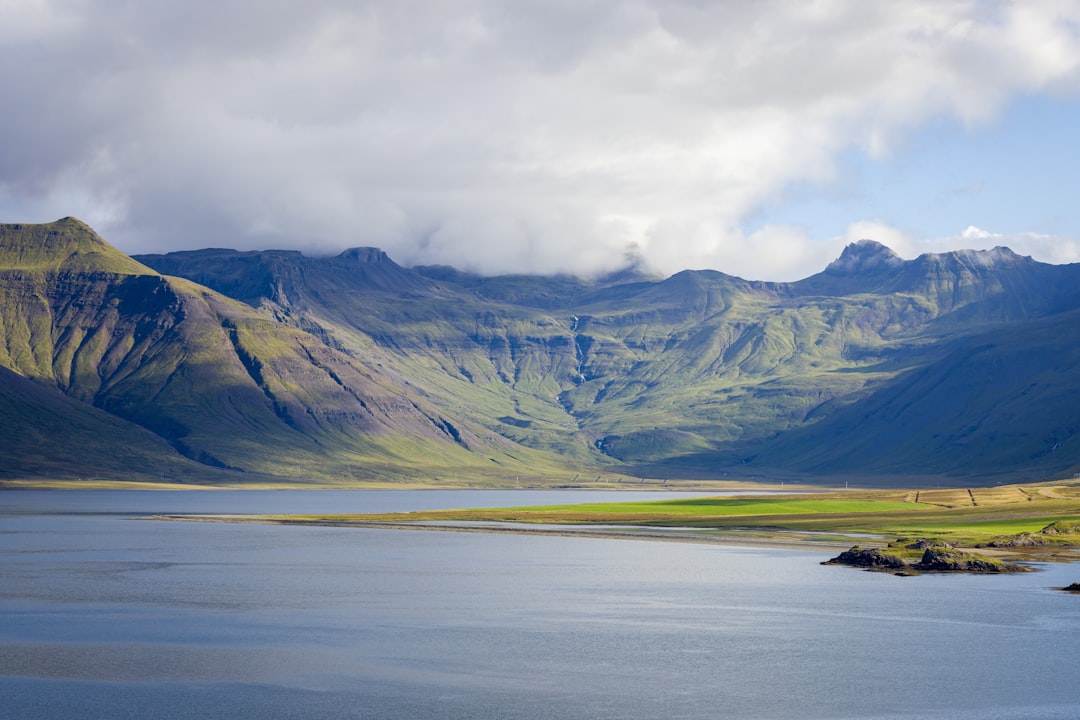
Iceland’s dramatic cliffs are among the country’s most breathtaking sights—towering sea walls, crashing waves, nesting seabirds, and endless horizons. They’re also wild, powerful places that demand respect. With a few simple safety habits, you can enjoy these landscapes fully while staying out of danger.
Staying with Ourhotels.is in West Iceland puts you close to some of the country’s most impressive coastal scenery. Whether you’re based at Hvítá Inn in Borgarfjörður, The Stykkishólmur Inn on the Snæfellsnes Peninsula, or Ísafjörður Inn in the Westfjords, these tips will help you explore Icelandic cliffs safely and confidently.
First, always keep a safe distance from the edge. Icelandic cliffs often have undercut edges and loose soil that can collapse without warning. Even if the ground looks solid, stay well back—at least a few body lengths from the drop, especially in windy or wet conditions. Many popular viewpoints now have ropes or markers; treat these as minimum boundaries, not suggestions. If you’re unsure, step back. The view is just as beautiful from a safer distance.
Wind is one of the biggest hidden dangers. Gusts can be sudden and extremely strong, especially along the coast and on high promontories. Avoid standing on exposed outcrops, and never lean over the edge for a better photo. If the wind is strong enough that you struggle to stand upright, it’s time to move away from the cliff. Guests at The Stykkishólmur Inn often visit nearby viewpoints on the Snæfellsnes Peninsula; before you head out, check the wind forecast and ask the staff for local advice on which spots are safest in blustery weather.
Footwear matters more than many visitors expect. Clifftop paths can be muddy, rocky, or slick with sea spray and rain. Wear sturdy hiking shoes or boots with good grip, and avoid smooth-soled trainers or sandals. Around Borgarfjörður, guests at Hvítá Inn often combine coastal walks with river and waterfall visits, so waterproof footwear is especially useful. Good shoes not only keep you comfortable but also reduce the risk of slipping on wet grass or loose gravel near steep drops.
Always follow marked paths and signs. Iceland’s landscapes are fragile, and the safest route is usually the one that’s been clearly laid out. Warning signs are there because accidents have happened before. If a path is closed or a viewpoint is roped off, do not cross the barrier for a “better” angle. In the Westfjords, where Ísafjörður Inn makes a perfect base for exploring dramatic fjords and coastal cliffs, some trails can be narrow and close to steep slopes. Stick to the established track, walk single file in tight sections, and give way carefully when passing others.
Weather in Iceland changes quickly, and that can turn a safe viewpoint into a risky one in minutes. Fog can roll in and reduce visibility, rain can make surfaces slippery, and snow or ice can hide cracks and uneven ground. Before heading out from any Ourhotels.is property, check the latest forecast and road conditions. If visibility drops or the ground becomes icy, reconsider cliff walks and choose a safer activity for the day. Staff at Hvítá Inn, The Stykkishólmur Inn, and Ísafjörður Inn can help you interpret local forecasts and suggest alternative routes or viewpoints that are more sheltered.
Photography is a major reason people visit Iceland’s cliffs, but it’s also when many accidents happen. Never step backward toward a cliff edge while focusing on your camera or phone. Frame your shot from a safe position, check your surroundings, and keep your feet well away from any drop. Drones should be flown only where permitted and never so close to the edge that you lose awareness of your footing. If you’re traveling with others, agree that one person keeps an eye on the surroundings while the other takes photos.
Traveling with children or in groups requires extra care. Hold children’s hands near any drop and keep them on the inside of the path, away from the edge. Explain clearly that running or playing close to cliffs is not allowed. In groups, avoid crowding at viewpoints—too many people in a small area near a drop increases the risk of someone being jostled or losing balance. If you’re staying at Ísafjörður Inn and planning a family trip to nearby viewpoints, ask the team which locations are best suited for children and less experienced hikers.
Respecting wildlife is also part of staying safe. Many Icelandic cliffs are home to nesting seabirds, including puffins and other species that can become protective of their nests. Keep a respectful distance, never stand directly above nesting sites on unstable turf, and avoid sudden movements that might startle birds into flight near steep edges. On the Snæfellsnes Peninsula, easily explored from The Stykkishólmur Inn, you’ll find several bird cliffs where staying on marked paths protects both you and the wildlife.
Finally, always let someone know your plans. Before heading out from Hvítá Inn, The Stykkishólmur Inn, or Ísafjörður Inn, tell a friend, family member, or hotel staff where you’re going and when you expect to return. Carry a fully charged phone, and in more remote areas, consider bringing extra layers, water, and a small first-aid kit. Even short walks can feel longer if the weather turns or the terrain is rougher than expected.
By combining common sense with a few simple precautions, you can enjoy Iceland’s cliffs in the way they’re meant to be experienced: awe-inspiring, memorable, and safe. Ourhotels.is properties in West Iceland—Hvítá Inn in Borgarfjörður near Borgarnes, The Stykkishólmur Inn, and Ísafjörður Inn—offer comfortable bases, local knowledge, and easy access to some of the country’s most spectacular coastal scenery. With the right preparation and respect for nature, your cliffside adventures in Iceland will be as safe as they are unforgettable.
