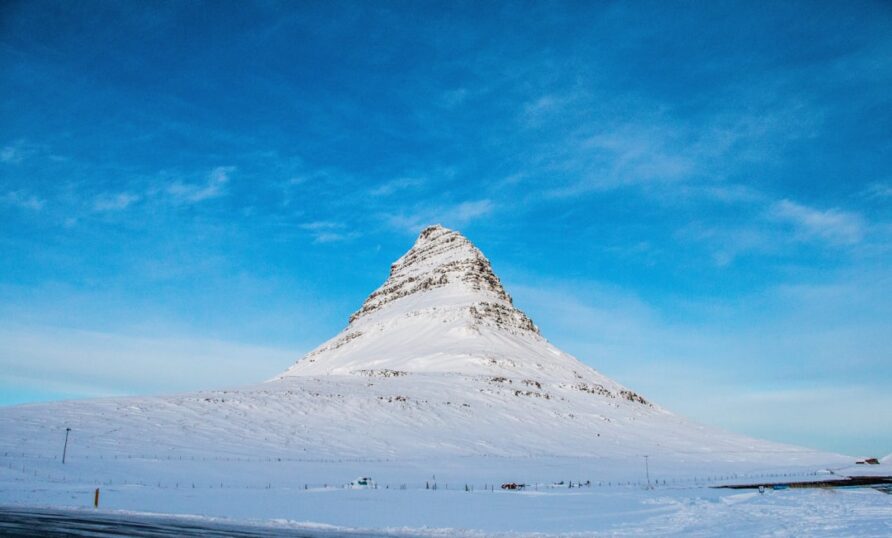
Iceland Speed Limits Explained

Driving in Iceland is one of the best ways to experience the country’s wild landscapes, but understanding Iceland’s speed limits is essential for a safe and stress‑free trip. Whether you’re planning a road trip around West Iceland or simply driving between your hotel and nearby attractions, knowing what the signs mean will help you relax and enjoy the journey.

In Iceland, speed limits are set not just for convenience, but for safety in rapidly changing weather and road conditions. Even on a clear day, wind, ice, gravel, and blind hills can turn a simple drive into a challenge—especially if you’re not used to them.

**General Iceland Speed Limits**

While you should always follow posted signs, these are the standard limits you’ll see around the country:

– **50 km/h** in towns and villages
– **70 km/h** on some gravel roads near urban areas
– **80 km/h** on most rural gravel roads
– **90 km/h** on paved rural roads (like most of Route 1, the Ring Road)

These are maximum limits, not targets. If visibility is poor, roads are icy, or you’re unfamiliar with the area, it’s wise to drive slower than the posted limit.

### Urban Areas: 50 km/h

In built‑up areas, such as Borgarnes, Stykkishólmur, and Ísafjörður, the standard speed limit is **50 km/h**, unless signs indicate otherwise. You’ll often see lower limits (30 km/h or 40 km/h) near schools, residential streets, or narrow roads.

If you’re staying at **Hvítá Inn in Borgarfjörður**, you’ll likely pass through Borgarnes town, where these lower limits are common. Take your time, watch for pedestrians and cyclists, and remember that many local roads can be narrower than you might be used to.

### Gravel Roads: 70–80 km/h

Many of Iceland’s most scenic routes are on **gravel roads**, especially in rural West Iceland and the Westfjords. The general limit on rural gravel roads is **80 km/h**, but you’ll often see **70 km/h** near farms, junctions, or where the road surface is rough.

Gravel can be loose, and it’s easy to lose control if you brake or turn sharply at higher speeds. When driving to or from places like **Stykkishólmur Inn** on the Snæfellsnes Peninsula, you may encounter stretches of gravel, especially if you explore side roads to viewpoints, beaches, or lighthouses. Slow down before curves, keep a good distance from other cars, and avoid sudden movements.

### Paved Rural Roads: 90 km/h

On paved rural roads, including most of the Ring Road and many main routes in West Iceland, the speed limit is **90 km/h**. This is the highest legal speed in Iceland—there are no motorways with higher limits.

If you’re driving between **Hvítá Inn**, **Stykkishólmur Inn**, and **Ísafjörður Inn**, you’ll spend a lot of time on these paved rural roads. Even though the limit is 90 km/h, conditions can change quickly:

– Strong crosswinds can affect steering
– Sudden rain or snow can reduce visibility
– Icy patches can appear even when the sun is shining

Always adjust your speed to what feels safe, not just what’s allowed.

### Special Speed Zones and Signs

You’ll see a few common variations on these basic limits:

– **30–40 km/h zones** in residential areas, near schools, or in tight village streets
– **Temporary limits** in roadworks or where the surface is damaged
– **Speed cameras** in some urban and semi‑urban areas

Yellow circular signs with a number show the speed limit. A white sign with a grey diagonal line through it means the special limit has ended and the general limit for that type of road applies again.

When you’re driving into towns like Stykkishólmur or Ísafjörður to reach your accommodation at **Stykkishólmur Inn** or **Ísafjörður Inn**, watch carefully for these changes. The limit can drop quickly as you approach built‑up areas.

### Weather and Seasonal Considerations

In Iceland, the same road can feel completely different from one hour to the next. Even if the speed limit is 90 km/h, it may not be safe to drive that fast when:

– There is snow or ice on the road
– Visibility is reduced by fog, heavy rain, or blowing snow
– Strong winds are pushing the car sideways
– The road is wet and temperatures are near freezing

If you’re staying with **Ourhotels.is** in West Iceland, the staff at **Hvítá Inn**, **Stykkishólmur Inn**, and **Ísafjörður Inn** can help you check the latest road and weather conditions before you set off. Websites like road.is and vedur.is are also invaluable for real‑time updates.

### Fines and Enforcement

Speeding fines in Iceland are high compared to many countries, and they increase with how far over the limit you are. Police patrols and speed cameras are used, especially near towns and on busy routes.

Beyond the cost, speeding is risky on roads with blind hills, one‑lane bridges, and sudden curves—common features on routes leading to and from the Westfjords and the Snæfellsnes Peninsula. Keeping to the limit (or below it when needed) is the best way to stay safe and avoid unpleasant surprises.

### Practical Tips for Driving in West Iceland

If you’re planning a road trip and staying at **Ourhotels.is** properties in the west, here are some simple tips:

– **Plan shorter driving days**: Distances may look small on the map, but narrow roads, weather, and photo stops add time.
– **Use extra caution on gravel**: Slow down well before turns and hills, and expect oncoming traffic in the middle of the road.
– **Watch for animals**: Sheep and sometimes horses can be near or on the road, especially in rural Borgarfjörður and on the way to Ísafjörður.
– **Take breaks**: Use your hotel stops as natural pauses—relax at **Hvítá Inn** after exploring Borgarfjörður, enjoy the harbor atmosphere near **Stykkishólmur Inn**, or unwind at **Ísafjörður Inn** after a day on the winding Westfjords roads.

### Staying with Ourhotels.is While You Explore

Ourhotels.is offers comfortable bases across West Iceland, perfectly placed for road trips:

– **Hvítá Inn (Borgarfjörður, near Borgarnes)** – Ideal for exploring waterfalls, hot springs, and historic sites in West Iceland, with easy access from the Ring Road.
– **Stykkishólmur Inn** – A charming stop on the Snæfellsnes Peninsula, great for coastal drives, boat tours, and exploring small fishing villages.
– **Ísafjörður Inn** – A welcoming base in the heart of the Westfjords, where winding roads, fjords, and dramatic mountain passes reward careful, unhurried driving.

By understanding Iceland’s speed limits and respecting local conditions, you can enjoy a safe, relaxed journey between these destinations. Take your time, drive within the limits, and let the landscapes—not the speedometer—be the highlight of your trip.

Finding EV Charging Stations in Iceland

Exploring Iceland by electric car is one of the most enjoyable ways to experience the country’s dramatic landscapes—quiet, clean, and surprisingly convenient. While Iceland is still building out its EV infrastructure, planning ahead makes it easy to find charging stations along your route, especially in West Iceland and the Westfjords.

Iceland’s main EV charging networks include ON, Orka náttúrunnar, Ísorka, and N1. Most of their stations are located along the Ring Road and in larger towns, and many can be found through apps like PlugShare or the providers’ own maps. Before you set off, it’s wise to download these apps, create an account, and check which plugs your rental car uses (most EVs in Iceland use Type 2 and CCS).

West Iceland is particularly EV‑friendly, with a growing number of chargers in and around Borgarnes, Stykkishólmur, and Ísafjörður. This makes it easy to combine a road trip with comfortable overnight stays at properties that understand the needs of electric vehicle drivers—like Ourhotels.is.

Ourhotels.is is a small, locally rooted chain in West Iceland that focuses on simple comfort, good locations, and easy access to nature. While availability of on‑site charging can vary, the hotels are all close to public charging stations and staff are happy to help you locate the nearest options and plan your charging stops.

If you’re driving north from Reykjavík, Borgarfjörður is often your first real taste of rural Iceland. Staying at Hvítá Inn in Borgarfjörður (close to Borgarnes) puts you within reach of several charging points in and around Borgarnes, a key hub on the Ring Road. From here, you can explore the Hraunfossar and Barnafoss waterfalls, the Deildartunguhver hot spring, and the historic Reykholt area, knowing you can top up your battery nearby before continuing north or west.

For those heading onto the Snæfellsnes Peninsula, Stykkishólmur is a charming base with a picturesque harbor and good EV charging access. The Stykkishólmur Inn, part of Ourhotels.is, is conveniently located for drivers who want to explore the peninsula’s black beaches, lava fields, and the Snæfellsjökull National Park. Public chargers in town and along the main roads make it straightforward to keep your EV charged while you enjoy boat tours, hot pots, and coastal walks.

Further north, Ísafjörður is the gateway to the Westfjords, one of Iceland’s most remote and spectacular regions. Here, planning your charging stops is especially important, as distances between towns can be longer and chargers less frequent. Ísafjörður Inn offers a comfortable base with easy access to local services, including EV charging in town. From Ísafjörður, you can explore dramatic fjords, remote beaches, and bird cliffs, returning each evening to recharge both your car and yourself.

To make EV travel in Iceland smoother, consider these tips:
– Plan your route around known charging locations and check their status in advance.
– Allow extra time in your schedule for charging stops, especially in remote areas.
– Keep an eye on your range when crossing long stretches between towns.
– Ask your accommodation, like the team at Ourhotels.is, for up‑to‑date local advice on nearby chargers.

With a bit of preparation, driving an electric car in Iceland is not only possible but deeply rewarding. By combining smart route planning with well‑located stays at places like Hvítá Inn in Borgarfjörður, The Stykkishólmur Inn, and Ísafjörður Inn, you can enjoy a low‑emission Icelandic road trip that’s comfortable, scenic, and sustainable from start to finish.

Parking Rules in Icelandic Towns

Að leggja bílnum á öruggan og löglegan hátt er stór hluti af því að ferðast áhyggjulaus um Ísland. Í íslenskum bæjum og þorpum eru reglurnar yfirleitt einfaldar, en það er samt gott að þekkja helstu atriði áður en þú leggur af stað í ferðalagið. Hér fyrir neðan förum við yfir helstu bílastæðareglur í íslenskum bæjum – og leiðum þig um leið að þremur vinsælum gististöðum hjá Ourhotels.is: Hvítá Inn í Borgarfirði, Stykkishólmur Inn og Ísafjörður Inn.

Í flestum íslenskum bæjum er ókeypis að leggja utan miðbæjarkjarna, en í stærri bæjum og vinsælum ferðamannastöðum geta verið gjaldskyld bílastæði. Leitaðu alltaf að skiltum þar sem stendur „P“ og athugaðu hvort þar sé tilgreindur tími eða gjald. Ef ekkert er tekið fram er yfirleitt ókeypis að leggja. Í miðbæjum er algengt að finna tímabundin stæði, t.d. 30–120 mínútur, og þá þarf að stilla bílastæðaskífu (parkeringsskífu) í framrúðunni á þeim tíma sem þú leggur. Bílastæðaskífur fást oft ókeypis í bensínstöðvum, upplýsingamiðstöðvum eða í móttöku á hótelum.

Í Borgarfirði, þar sem Hvítá Inn hjá Ourhotels.is er staðsett, er bílastæðamál yfirleitt mjög þægileg. Þar er víða rúmt um bílastæði og sjaldnast mikill þrýstingur á stæðum nema á háannatíma sumars. Við Hvítá Inn er gott aðgengi að bílastæðum og gestir geta yfirleitt lagt frítt við gististaðinn. Það gerir dvölina afslappaðri, sérstaklega fyrir þá sem eru að skoða Vesturland með bíl og vilja hafa bílinn nálægt gistingu sinni.

Á Snæfellsnesi, í Stykkishólmi, er einnig tiltölulega auðvelt að finna bílastæði, en þar er þó meiri umferð yfir sumarmánuðina. Í miðbæ Stykkishólms og við höfnina eru merkt bílastæði, og á álagstímum getur verið tímamörk á sumum þeirra. Þegar þú gistir á Stykkishólmur Inn með Ourhotels.is er gott að vita að þar er aðgengi að bílastæðum í göngufæri við gististaðinn, sem hentar vel fyrir þá sem vilja ganga um bæinn, skoða höfnina eða fara í siglingar án þess að hafa áhyggjur af bílnum.

Ísafjörður, höfuðstaður Vestfjarða, er lítið en líflegt bæjarfélag þar sem bílastæðareglur eru svipaðar og annars staðar á landinu. Í miðbænum og við þjónustukjarna eru merkt stæði, og á sumum stöðum geta verið tímamörk yfir daginn. Við Ísafjörður Inn, sem er hluti af Ourhotels.is, er lögð áhersla á að gestir hafi þægilegt aðgengi að bílastæðum, þannig að auðvelt sé að leggja bílnum eftir langan dag á fjöllum, í fjörum eða á ferð um fjarðabyggðirnar.

Almennt gildir að þú ættir alltaf að:
– Virða merkingar við gangbrautir, innkeyrslur og brunahana – aldrei leggja þar.
– Gæta þess að leggja ekki of nálægt gatnamótum.
– Fylgjast með hvort stæði séu merkt fyrir hreyfihamlaða og virða þau.
– Athuga hvort gjaldskylda sé í gildi á ákveðnum tímum dags (t.d. virka daga 9–18).

Ef þú ert í vafa er gott að spyrja á hótelinu þínu – starfsfólk Ourhotels.is á Hvítá Inn, Stykkishólmur Inn og Ísafjörður Inn þekkir reglurnar á hverjum stað og getur bent þér á bestu og þægilegustu stæðin. Með því að fylgja einföldum bílastæðareglum geturðu notið ferðalagsins um Vesturland og Vestfirði áhyggjulaust, með bílinn öruggan og gistingu þína hjá Ourhotels.is í góðu nágrenni við allt það sem þú vilt upplifa.

Parking Rules in Icelandic Towns

Að leggja bílnum á öruggan og löglegan hátt er mikilvægur hluti af ferðalaginu um Ísland – sérstaklega þegar þú skoðar falleg bæjarfélög á Vesturlandi og Vestfjörðum. Hér fyrir neðan förum við yfir helstu reglur og venjur um bílastæði í íslenskum bæjum, ásamt gagnlegum ráðum fyrir gesti okkar á Ourhotels.is, hvort sem þú gistir á Hvítá Inn í Borgarfirði, Stykkishólmur Inn eða Ísafjörður Inn.

Í flestum íslenskum bæjum er bílastæði ókeypis, en það þýðir ekki að engar reglur gildi. Mikilvægt er að fylgjast með skiltum, lituðum línum og tímamörkum. Í miðbæjum stærri bæja og borga, eins og í Reykjavík og Akureyri, er algengt að finna gjaldskyld bílastæði eða tímabundin stæði. Í minni bæjum, eins og Borgarnesi, Stykkishólmi og Ísafjarðarbæ, er yfirleitt frítt að leggja, en samt eru ákveðnar reglur um hvar og hversu lengi má leggja.

Í Borgarfirði, þar sem Hvítá Inn er staðsett skammt frá Borgarnesi, er auðvelt að finna bílastæði bæði við gististaðinn og í bænum sjálfum. Við mælum með að gestir skoði vel merkingar við verslanir og þjónustu, þar sem sum stæði geta verið ætluð aðeins viðskiptavinum eða með tímamörkum yfir daginn. Þegar þú gistir á Hvítá Inn geturðu yfirleitt lagt frítt við gististaðinn, sem gerir það þægilegt að nota bílinn til dagsferða um Borgarfjörð, til dæmis að Hraunfossum, Deildartungu eða í heita potta á svæðinu.

Í Stykkishólmi, þar sem Stykkishólmur Inn tekur á móti gestum, er bílastæði yfirleitt ókeypis í bænum. Þar sem Stykkishólmur er vinsæll áfangastaður fyrir ferðamenn, sérstaklega yfir sumarmánuðina, getur verið þétt á bílastæðum við höfnina og vinsæla ferðamannastaði. Gott er að leggja aðeins frá helstu umferð og ganga stuttan spöl – bæjarstærðin gerir það auðvelt. Við Stykkishólmur Inn er yfirleitt gott aðgengi að bílastæðum og starfsfólk getur bent á bestu stæðin ef mikið er um að vera í bænum.

Í Ísafjarðarbæ, þar sem Ísafjörður Inn er staðsett, gilda svipaðar reglur og í öðrum minni bæjum: bílastæði eru að mestu leyti ókeypis, en mikilvægt er að virða merkingar, einkastæði og stæði sem eru frátekin fyrir íbúa eða fyrirtæki. Í miðbæ Ísafjarðar er oft nóg af stæðum, en á álagstímum, til dæmis þegar skemmtiferðaskip koma í höfn, getur verið skynsamlegt að leggja aðeins utan við miðjuna og ganga. Við Ísafjörður Inn er gott aðgengi að bílastæðum og hentar það vel fyrir þá sem eru að ferðast um Vestfirði með bíl.

Almennar reglur sem gott er að hafa í huga í íslenskum bæjum:

– Leggðu aldrei á rauðmerkt svæði eða þar sem gul lína er við kantinn – það er yfirleitt bannsvæði.
– Virðing fyrir gangstéttum og hjólastígum er mikilvæg; ekki leggja þannig að þú lokir fyrir gangandi eða hjólandi vegfarendur.
– Ekki leggja of nálægt gatnamótum, gangbrautum eða við brunahana – slíkt getur verið bæði ólöglegt og hættulegt.
– Fylgstu með tímamörkum á skiltum, sérstaklega í miðbæjum og við verslanir.
– Í sumum bæjum er notuð bílastæðaskífa (klukku-skífa) til að sýna hvenær þú lagðir – ef þú sérð slíka merkingu, stilltu skífuna samkvæmt því.

Gestir Ourhotels.is njóta þess að hafa bílinn sinn nálægt gististaðnum, hvort sem það er á Hvítá Inn í grónu sveitum Borgarfjarðar, á Stykkishólmur Inn í sjarmerandi sjávarbæ eða á Ísafjörður Inn í hjarta Vestfjarða. Með því að fylgja einföldum reglum um bílastæði tryggir þú þér áhyggjulaust ferðalag og getur einbeitt þér að því sem skiptir máli: að njóta náttúrunnar, menningarinnar og kyrrðarinnar sem Vesturland og Vestfirðir hafa upp á að bjóða.

Á Ourhotels.is finnur þú nánari upplýsingar um bílastæði við hvern gististað, og starfsfólk okkar er alltaf tilbúið að aðstoða með leiðbeiningar um bestu stæðin í nærliggjandi bæjum. Með góðum undirbúningi og smá athygli að bílastæðareglum verður ferðalagið bæði þægilegra og öruggara.

Understanding Gravel Roads in Iceland

Driving in Iceland is an adventure in itself, and for many visitors, that adventure includes gravel roads. These routes lead to waterfalls, hot springs, remote fjords, and quiet villages that most people never see from the Ring Road. Understanding how gravel roads work in Iceland will help you travel safely, protect your rental car, and enjoy the journey instead of stressing about it.

At Ourhotels.is, many of our guests arrive with questions about these roads—especially those staying at Hvítá Inn in Borgarfjörður, Stykkishólmur Inn on the Snæfellsnes Peninsula, and Ísafjörður Inn in the Westfjords. All three locations are perfect bases for exploring areas where gravel roads are common.

Gravel Roads in Iceland: What You Need to Know
Iceland’s road system is divided into paved roads (like most of Route 1, the Ring Road) and unpaved gravel roads, which are especially common in rural and highland areas. Even some numbered roads on the map can be gravel, so don’t assume a road is paved just because it has a number.

Gravel roads in Iceland can vary a lot:
– Some are wide and relatively smooth.
– Others are narrow, with loose stones and potholes.
– Many have no guardrails, especially in the Westfjords and mountain passes.
– Speeds can change quickly from paved to gravel sections.

You’ll often see a sign where the asphalt ends and gravel begins. This is your cue to slow down gently—sudden braking or turning on loose gravel is one of the main causes of accidents.

Why Gravel Roads Matter for Your Trip
Gravel roads affect:
– Driving time: Distances take longer than Google Maps suggests.
– Safety: Loose stones, dust, and changing surfaces require more attention.
– Rental cars: Many contracts have special rules about gravel damage and F-roads.

If you’re planning to explore beyond the main Ring Road—towards Borgarfjörður, Snæfellsnes, or the Westfjords—gravel roads will almost certainly be part of your itinerary. Staying at properties like Hvítá Inn, Stykkishólmur Inn, or Ísafjörður Inn gives you a comfortable base to return to after a day of exploring these routes.

Driving Tips for Icelandic Gravel Roads
To stay safe and relaxed on gravel:

1. Slow Down Gradually
When the surface changes from asphalt to gravel, ease off the accelerator and let your speed drop smoothly. Sudden braking can cause skidding.

2. Keep a Safe Distance
Gravel can fly up from the car in front of you and crack your windshield or paint. Leave extra space to reduce the risk of stone damage and to see better through dust clouds.

3. Avoid Sudden Movements
Steer gently and avoid sharp turns or quick lane changes. If you feel the car sliding, ease off the gas and steer calmly—don’t slam the brakes.

4. Watch for Loose Shoulders
The edges of gravel roads can be soft or uneven. Stay centered in your lane and avoid driving too close to the edge, especially on hills and in the Westfjords.

5. Use Lower Speeds on Hills and Curves
Many gravel roads have blind hills and tight corners. Slow down before the curve or hilltop so you’re prepared for oncoming traffic, sheep, or cyclists.

6. Respect Weather Conditions
Rain can create muddy, slippery surfaces; dry weather can mean dust and loose stones. In winter, gravel roads can be icy and are sometimes closed. Always check road.is and safetravel.is before you set out.

Gravel Roads Around Hvítá Inn – Borgarfjörður
Hvítá Inn, close to Borgarnes in Borgarfjörður, is surrounded by some of West Iceland’s most beautiful countryside. This region is a great introduction to gravel driving because many main roads are paved, with shorter gravel stretches leading to natural attractions.

From Hvítá Inn, you can easily reach:
– Hraunfossar and Barnafoss waterfalls – mostly paved access, with some smaller gravel side roads in the area.
– Hot springs and geothermal areas – often at the end of short gravel tracks.
– Quiet farm roads and river viewpoints – ideal for a gentle first experience on gravel.

Staying at Hvítá Inn means you can explore during the day and return to a peaceful riverside setting in the evening, with time to rest and plan the next day’s route. Ourhotels.is staff can help you choose routes that match your comfort level with gravel roads.

Gravel Roads on the Snæfellsnes Peninsula – From Stykkishólmur Inn
The Snæfellsnes Peninsula is often called “Iceland in Miniature” because it has a bit of everything: mountains, lava fields, beaches, and fishing villages. Many main roads are paved, but some of the most interesting detours are on gravel.

From Stykkishólmur Inn, you can:
– Drive the main coastal roads on mostly paved surfaces.
– Take short gravel detours to viewpoints, lighthouses, and hidden beaches.
– Explore less-visited areas where you may share the road only with a few locals and some sheep.

Stykkishólmur itself is a charming harbor town with good services, making it a comfortable base for day trips. After a day of mixed paved and gravel driving, you can return to Stykkishólmur Inn, park the car, and enjoy the town’s restaurants and sea views.

Gravel Roads in the Westfjords – Around Ísafjörður Inn
The Westfjords are one of the most dramatic and remote regions in Iceland—and also one of the areas where gravel roads are most common. If you’re staying at Ísafjörður Inn, you’re perfectly placed to explore this wild landscape, but you should be prepared for more challenging driving.

In the Westfjords, you’ll encounter:
– Long stretches of gravel along fjords and over mountain passes.
– Narrow roads with steep drops and few guardrails.
– Changing conditions depending on weather and season.

From Ísafjörður Inn, you can explore:
– Nearby fjords and small villages, often connected by a mix of paved and gravel roads.
– Scenic viewpoints and hiking areas that require short gravel detours.
– Remote beaches and cliffs that reward careful, patient driving.

Many guests at Ísafjörður Inn choose to spend several nights in the area, giving themselves time to drive slowly, enjoy the scenery, and avoid rushing on gravel roads.

Car Types and Gravel Roads
Not every gravel road in Iceland requires a 4×4, but some do. F-roads (marked with an “F” on maps and signs) are mountain roads that are only for 4×4 vehicles and are usually closed in winter and spring. These roads often include river crossings and rough surfaces.

For most gravel roads around:
– Hvítá Inn (Borgarfjörður): A regular 2WD car is usually enough in summer, as long as you avoid F-roads.
– Stykkishólmur Inn (Snæfellsnes): Many attractions are reachable with a 2WD, with some optional gravel detours.
– Ísafjörður Inn (Westfjords): A 4×4 is recommended, especially if you plan to explore more remote areas or travel outside the summer months.

Always check your rental agreement to see where you’re allowed to drive and what kind of insurance you have for gravel damage.

Planning Your Trip with Ourhotels.is
Choosing the right base makes gravel-road travel much easier. Ourhotels.is offers comfortable stays in strategic locations across West and North Iceland, including:

– Hvítá Inn – Ideal for exploring Borgarfjörður, waterfalls, and gentle countryside gravel roads.
– Stykkishólmur Inn – Perfect for discovering the Snæfellsnes Peninsula with a mix of paved and gravel routes.
– Ísafjörður Inn – A great base for the Westfjords, where gravel roads are part of the adventure.

At each property, local staff can:
– Help you understand current road conditions.
– Suggest routes that match your driving experience.
– Recommend sights that are worth the gravel detour—and those that might be better skipped in poor weather.

Enjoying the Journey
Gravel roads in Iceland are not just obstacles; they’re often the paths that lead to the most memorable places. With the right preparation, a realistic schedule, and a comfortable place to stay each night, they become part of the experience rather than a source of stress.

By planning your route around welcoming bases like Hvítá Inn, Stykkishólmur Inn, and Ísafjörður Inn through Ourhotels.is, you can explore Iceland’s quieter corners at your own pace—safely, comfortably, and with time to enjoy every view along the way.

Traveling Iceland in a Small Rental Car

Traveling around Iceland in a small rental car is one of the best ways to truly experience the country’s raw beauty, freedom, and hidden corners. While many visitors imagine they need a large 4×4 to explore, the reality is that a compact car is often more than enough—especially if you’re planning to follow the main roads, explore charming towns, and enjoy comfortable stays along the way.

A small rental car gives you flexibility, affordability, and ease of driving, particularly on Iceland’s well-maintained Ring Road and major regional routes in the west. You’ll save on fuel, parking is easier, and navigating narrow village streets or scenic viewpoints becomes much simpler. For many travelers, this is the perfect balance between independence and comfort.

When planning a road trip in West Iceland, combining a small rental car with well-located accommodation can turn a simple journey into a memorable adventure. That’s where Ourhotels.is comes in. With welcoming inns in some of the most beautiful and strategic locations in the region, you can explore at your own pace during the day and relax in comfort each evening.

A natural starting point for many itineraries is Borgarfjörður, a region rich in history, hot springs, and dramatic landscapes. Staying at Hvítá Inn, just outside Borgarnes, puts you in the heart of West Iceland. From here, your small rental car becomes your gateway to waterfalls like Hraunfossar and Barnafoss, the historic site of Reykholt, and the geothermal wonders of Deildartunguhver. The roads in this area are generally good and accessible for small cars in summer and much of the shoulder seasons, making it easy to explore without stress. After a day of driving and sightseeing, returning to the comfort of Hvítá Inn offers a peaceful countryside atmosphere and a chance to recharge.

From Borgarfjörður, many travelers continue toward the Snæfellsnes Peninsula, often called “Iceland in Miniature” for its incredible variety of landscapes—glaciers, black sand beaches, cliffs, lava fields, and charming fishing villages. A small rental car is ideal here: distances are manageable, parking at viewpoints is straightforward, and you can stop frequently for photos without worrying about maneuvering a large vehicle. In the picturesque town of Stykkishólmur, the Stykkishólmur Inn by Ourhotels.is is a perfect base. The town itself is walkable, with colorful houses, a beautiful harbor, and easy access to boat tours on Breiðafjörður Bay. With your compact car, you can spend the day circling the peninsula, visiting places like Kirkjufell mountain, Djúpalónssandur beach, and the Snæfellsjökull National Park, then return to Stykkishólmur Inn for a cozy evening in a friendly, small-town setting.

For those who want to venture even farther into the Westfjords, a small rental car can still be a great option, especially in the summer months when road conditions are at their best. The drive to Ísafjörður is one of the most scenic in Iceland, with winding roads along fjords, steep mountains, and quiet villages. While some gravel roads exist in the Westfjords, many of the main routes to Ísafjörður are accessible to smaller vehicles in good weather—just remember to drive carefully, check road conditions, and allow extra time. Once you arrive, Ísafjörður Inn offers a comfortable and convenient place to stay in the heart of the region’s largest town. From there, you can explore nearby fjords, hiking trails, and viewpoints, all easily reached with your rental car.

Traveling Iceland in a small rental car also encourages a slower, more immersive style of travel. Instead of rushing from one famous landmark to another, you can stop at lesser-known viewpoints, pull over for a short walk, or linger in a café in a small town. West Iceland and the Westfjords are full of such moments: a quiet shoreline at sunset, a local swimming pool with hot tubs and mountain views, or a roadside farm shop selling homemade treats. Staying at properties like Hvítá Inn, Stykkishólmur Inn, and Ísafjörður Inn helps you connect these experiences into a smooth, enjoyable route.

To make the most of your journey, it’s wise to plan ahead. Check seasonal road conditions, especially if you’re traveling outside of summer. Book your accommodation in advance through Ourhotels.is so you know you’ll have a warm, welcoming place to stay at each stop. Pack layers of clothing, as Icelandic weather can change quickly, and always keep an eye on the forecast before setting out each day. With a small rental car, you’ll have the freedom to adjust your plans if the weather shifts—perhaps spending more time in a cozy town, or choosing a different scenic drive.

Ultimately, exploring Iceland in a small rental car is about freedom and connection: freedom to choose your own pace and route, and connection to the landscapes and communities you pass through. By pairing that flexibility with comfortable, well-situated stays at Ourhotels.is locations like Hvítá Inn in Borgarfjörður, Stykkishólmur Inn on the Snæfellsnes Peninsula, and Ísafjörður Inn in the Westfjords, you can enjoy the best of West Iceland—beautiful drives, authentic local experiences, and restful nights—all in one unforgettable trip.

Tips for Renting a Car in Iceland

Renting a car in Iceland is one of the best ways to experience the country’s dramatic landscapes at your own pace. From waterfalls and glaciers to tiny fishing villages and black sand beaches, having your own vehicle gives you the freedom to stop wherever and whenever you like. Here are some practical tips for renting a car in Iceland, with a special focus on exploring the west and staying with Ourhotels.is at Hvítá Inn, Stykkishólmur Inn and Ísafjörður Inn.

First, choose the right car for the season and the areas you plan to visit. In summer, a small 2WD car is usually enough for the main roads and the classic Ring Road. If you’re planning to explore the Westfjords or more remote gravel roads, a 4×4 is strongly recommended, especially outside the summer months. In winter, a 4×4 with good winter tires is almost essential, as snow, ice and strong winds are common. When staying at Hvítá Inn in Borgarfjörður, a regular car is fine in summer for visiting nearby attractions like Hraunfossar and Barnafoss, but if you’re heading further into the highlands or towards rougher tracks, upgrade to a 4×4 for safety and comfort.

Always check what is included in your rental insurance. Basic insurance is usually mandatory, but in Iceland you’ll see several add-ons: Gravel Protection (GP), Sand and Ash Protection (SAAP), and sometimes extra coverage for wind damage. Gravel protection is very useful if you plan to drive in areas like the Snæfellsnes Peninsula or the roads leading to the Westfjords, where loose stones can easily chip paint and windshields. When driving between Stykkishólmur Inn and Ísafjörður Inn, you’ll likely encounter gravel sections, so consider this coverage. Sand and ash damage is more common in the south, but it’s still worth understanding what your policy covers before you set off.

Driving conditions in Iceland can change quickly, so planning and flexibility are key. Before you start your day, check road conditions at road.is and weather forecasts at vedur.is. This is especially important if you’re driving towards the Westfjords and Ísafjörður Inn, where mountain passes can be closed or icy, even in late spring or early autumn. In the west, around Hvítá Inn and Stykkishólmur Inn, roads are generally well maintained, but heavy rain, fog or strong winds can still affect visibility and driving comfort. If conditions look bad, adjust your plans and don’t be afraid to slow down or wait it out—distances may look short on the map, but Icelandic roads often demand more time than you expect.

Respecting local driving rules will keep you safe and help protect Iceland’s fragile nature. Off-road driving is strictly illegal and heavily fined; always stay on marked roads and tracks. Speed limits are usually 90 km/h on paved rural roads, 80 km/h on gravel roads and 50 km/h in towns and villages. You’ll pass through small communities like Borgarnes on your way to Hvítá Inn, and Stykkishólmur when staying at Stykkishólmur Inn, so watch for sudden speed limit changes and pedestrian crossings. Sheep often graze freely near the roads in summer, especially in the countryside around Borgarfjörður and on the way to Ísafjörður, so be prepared to slow down if they wander onto the road.

Fuel planning is another important part of renting a car in Iceland. In the more populated west, around Hvítá Inn and Stykkishólmur Inn, gas stations are fairly regular, but once you head into the Westfjords towards Ísafjörður Inn, they become more spread out. Fill up when you can, especially before long stretches between towns. Many stations are self-service and require a card with a PIN, so make sure your payment method works in Iceland. Staff at Ourhotels.is properties are happy to point out the nearest fuel stops and help you plan your driving days so you’re never caught low on gas in a remote area.

Navigation is straightforward if you combine a GPS or map app with a bit of local advice. Mobile coverage is generally good in the west and along main routes, but can be patchy in some fjords and mountain passes. Download offline maps before you leave Reykjavík, and ask the reception at Hvítá Inn, Stykkishólmur Inn or Ísafjörður Inn for tips on scenic detours, viewpoints and lesser-known stops. Local knowledge can turn a simple drive into a memorable road trip, whether it’s a quiet hot spring in Borgarfjörður, a hidden viewpoint over Breiðafjörður near Stykkishólmur, or a dramatic coastal road in the Westfjords.

Parking is usually easy and often free outside the busiest tourist spots. In small towns like Stykkishólmur and Ísafjörður, you can usually park close to your accommodation or the harbor without trouble. Some popular natural attractions now have paid parking; keep a small card or digital payment method handy. When staying with Ourhotels.is, you’ll find convenient parking at Hvítá Inn, Stykkishólmur Inn and Ísafjörður Inn, making it simple to load and unload your luggage and head out early for day trips.

One of the biggest advantages of renting a car in Iceland is the flexibility to design your own itinerary. With Ourhotels.is as your base in the west, you can easily create a multi-day road trip. Start at Hvítá Inn in Borgarfjörður to explore waterfalls, lava fields and geothermal areas just a short drive from Reykjavík. Continue to Stykkishólmur Inn on the Snæfellsnes Peninsula, using your car to circle the peninsula’s black beaches, cliffs and the Snæfellsjökull glacier area. From there, drive north and east into the Westfjords, ending at Ísafjörður Inn, where you can explore dramatic fjords, quiet fishing villages and some of Iceland’s most untouched landscapes. Having your own car lets you stop for photos, picnic by the sea or linger at a viewpoint as long as you like.

Finally, think about comfort and safety for long days on the road. Dress in layers, keep water and snacks in the car, and bring sunglasses for low, bright sun that can reflect off snow or water. In winter, keep an extra warm layer and a charged phone with you. If you’re unsure about a route—whether it’s a mountain pass to Ísafjörður or a gravel shortcut on Snæfellsnes—ask the staff at your Ourhotels.is accommodation. They drive these roads every day and can advise you on the best and safest options for the current conditions.

Renting a car in Iceland opens up a world of freedom and discovery, especially in the west and the Westfjords. By choosing the right vehicle, understanding insurance, checking conditions and using local advice from places like Hvítá Inn, Stykkishólmur Inn and Ísafjörður Inn, you can enjoy a safe, memorable road trip. With Ourhotels.is as your comfortable base along the way, you’re perfectly placed to explore some of Iceland’s most beautiful regions at your own pace.

How to Use Iceland’s Road Condition Maps

Planning a road trip in West Iceland is all about freedom—endless horizons, dramatic coastlines, and quiet valleys where you might not see another car for miles. But that freedom comes with one golden rule: always check the road conditions before you drive.

Iceland’s weather can change quickly, and a road that looks fine in the morning can be icy, windy, or even closed by afternoon. Learning how to use Iceland’s road condition maps will make your journey safer, smoother, and far more enjoyable.

Below is a simple guide to using these maps, with tips tailored to travelers staying at Ourhotels.is properties: Hvítá Inn in Borgarfjörður, Stykkishólmur Inn on the Snæfellsnes Peninsula, and Ísafjörður Inn in the Westfjords.

### 1. Where to Find Iceland’s Road Condition Maps

The official and most reliable source is:

– **Road.is** – The Icelandic Road and Coastal Administration website
This site shows real-time information on:
– Road surface (clear, wet, icy, snow-covered)
– Road closures
– Wind warnings
– Webcams along major routes

There’s also a mobile-friendly version and an app, which is very useful when you’re on the move.

When staying at any Ourhotels.is property, you can use the hotel Wi-Fi to check Road.is each morning and again before any longer drive.

### 2. Understanding the Map Colors and Symbols

On Road.is, you’ll see a color-coded map:

– **Green** – Roads are clear and easily passable.
– **Blue / Light Blue** – Wet or slushy; drive with care, especially in colder temperatures.
– **Orange / Red** – Snow, ice, or difficult conditions; only drive if you’re experienced and properly equipped.
– **Black / Red Line** – Road closed; do not attempt to drive there.
– **Wind Icons / Warning Symbols** – Strong winds, blowing snow, or other hazards.

Clicking on a road segment gives more detail, such as:
– Surface condition
– Temperature
– Last update time

This is especially important in winter and shoulder seasons when conditions can change quickly in West Iceland and the Westfjords.

### 3. Using Road Maps When Staying at Hvítá Inn (Borgarfjörður)

Hvítá Inn, near Borgarnes, is a perfect base for exploring Borgarfjörður, Hraunfossar and Barnafoss waterfalls, Deildartunguhver hot spring, and the surrounding countryside.

Before you head out:

1. **Open Road.is** and zoom into West Iceland and Borgarfjörður.
2. **Check Route 1 (the Ring Road)** between Reykjavík, Borgarnes, and northwards. This is your main lifeline.
3. Look at **local roads** leading to:
– Hraunfossar and Barnafoss
– Reykholt
– Deildartunguhver

If you see:
– **Green or light blue** – You’re generally fine to drive, but still adjust speed to conditions.
– **Orange or red** – Consider delaying your trip or choosing a shorter, safer route.
– **Closed roads** – Ask the staff at Hvítá Inn for alternative plans; they know the area well and can suggest safe activities nearby.

Because Hvítá Inn is in a rural area, conditions can be more wintry than in Reykjavík, even on the same day. Always trust the map and local advice over how the weather looks out the window.

### 4. Using Road Maps from Stykkishólmur Inn (Snæfellsnes Peninsula)

Stykkishólmur Inn is an ideal base for exploring the Snæfellsnes Peninsula—often called “Iceland in Miniature” for its mix of mountains, lava fields, beaches, and small fishing villages.

From Stykkishólmur Inn:

1. On Road.is, zoom into **Snæfellsnes**.
2. Check:
– **Route 54** (the main road around the peninsula)
– **Route 56** (Vatnaleið) if you’re crossing the peninsula
– Any smaller roads leading to viewpoints or beaches

Pay special attention to:
– **Wind warnings** – Snæfellsnes can be very windy, especially near the coast.
– **Icy or snow-covered roads** – Common in winter and early spring.

If the map shows:
– **Strong wind icons** along Route 54 or 56 – Consider postponing or shortening your drive. High winds can be dangerous, especially in high-profile vehicles.
– **Snow or ice** – Drive slowly, use lower gears on hills, and keep extra distance from other cars.

If conditions look challenging, the team at Stykkishólmur Inn can help you adjust your plans—perhaps focusing on nearby attractions in and around Stykkishólmur itself until the roads improve.

### 5. Using Road Maps from Ísafjörður Inn (Westfjords)

The Westfjords are one of Iceland’s most dramatic and remote regions, and Ísafjörður Inn puts you right in the heart of it. But this beauty comes with more demanding driving, especially outside of summer.

From Ísafjörður Inn:

1. Open Road.is and zoom into the **Westfjords**.
2. Check:
– **Route 60 and 61** – Main access roads to and from Ísafjörður.
– **Mountain passes** – These are often the first to close or become difficult.
– Any roads leading to smaller fjords or viewpoints.

In the Westfjords, you must take:
– **Road closures** very seriously. If a pass is closed, there is no safe way through.
– **Icy and snowy conditions** as the norm in winter, not the exception.

If you see:
– **Black or red lines (closed)** on your planned route – Do not attempt to drive. Ask the staff at Ísafjörður Inn for updated information and alternative activities.
– **Frequent wind or snow warnings** – Consider staying local, exploring Ísafjörður town, museums, cafés, and nearby short drives that remain open and safe.

The staff at Ísafjörður Inn are used to helping guests navigate Westfjords conditions and can interpret the road maps with you if you’re unsure.

### 6. Combining Road Maps with Weather Forecasts

Road conditions depend heavily on the weather, so it’s smart to use both:

– **Road.is** – For road surface, closures, and webcams.
– **Vedur.is** – The Icelandic Meteorological Office for weather forecasts, wind, and storm warnings.

Before leaving Hvítá Inn, Stykkishólmur Inn, or Ísafjörður Inn:
1. Check **Road.is** for your route.
2. Check **Vedur.is** for the time period you’ll be driving.
3. Adjust your departure time if heavy snow, rain, or strong winds are forecast.

### 7. Practical Tips for Safe Driving in West Iceland and the Westfjords

– **Plan shorter driving days** in winter. Distances that look small on the map can take much longer in snow or wind.
– **Avoid driving late at night** in poor conditions; visibility and help are both limited.
– **Use the webcams** on Road.is to see real-time views of key roads and passes.
– **Rent a suitable vehicle** for the season (often a 4×4 in winter).
– **Listen to local advice** from Ourhotels.is staff—they live with these conditions every day.

### 8. How Ourhotels.is Fits into a Safe and Scenic Road Trip

Staying at Ourhotels.is properties gives you a natural rhythm for your journey through West Iceland and the Westfjords:

– **Hvítá Inn (Borgarfjörður)** – A countryside base close to Borgarnes, ideal after leaving Reykjavík and before heading further north or west.
– **Stykkishólmur Inn** – Perfect for exploring the Snæfellsnes Peninsula without rushing, with time each morning to check the road maps and choose the best direction for the day.
– **Ísafjörður Inn** – A comfortable, central base in the Westfjords, where careful use of road condition maps is essential for safe exploration.

By checking Iceland’s road condition maps each day and combining them with local knowledge from Ourhotels.is staff, you can enjoy the wild landscapes of West Iceland with confidence—choosing the safest routes, the best weather windows, and the most rewarding stops along the way.

Navigating Iceland’s Ring Road

Driving Iceland’s Ring Road is one of the most unforgettable road trips in the world: glaciers on one side, black sand beaches on the other, steaming geothermal fields, tiny fishing villages, and endless ocean views. With a bit of planning—and the right places to stay—you can turn this legendary route into a relaxed, comfortable adventure rather than a rushed checklist.

Ourhotels.is offers a collection of welcoming inns and hotels in West and Northwest Iceland that fit perfectly into a Ring Road itinerary, especially if you want to explore beyond the standard “Route 1 only” plan and include the magical Snæfellsnes Peninsula and the dramatic Westfjords.

Below is a simple guide to navigating Iceland’s Ring Road, with ideas on where to stop, what to see, and how to use Hvítá Inn, Stykkishólmur Inn, and Ísafjörður Inn as your cozy bases along the way.

Iceland’s Ring Road in a Nutshell
The Ring Road (Route 1) loops around Iceland for about 1,300 km (800 miles). Most travelers drive it in 7–10 days, but you can easily spend longer if you add detours to peninsulas and fjords. The west and northwest are especially rewarding, with fewer crowds and a more authentic, local feel.

Key tips before you start:
– Rent a reliable car suitable for the season (4×4 is recommended in winter).
– Check road conditions daily (road.is) and weather forecasts (vedur.is).
– Book your accommodation in advance, especially in summer and over holidays.
– Plan shorter driving days so you can actually enjoy the stops.

Starting in the West: Hvítá Inn in Borgarfjörður
Many Ring Road journeys begin in Reykjavík and head north via Borgarfjörður, a region rich in history, hot springs, and lava fields. This is where Hvítá Inn, part of Ourhotels.is, becomes an ideal first or second night stop.

Located near Borgarnes, Hvítá Inn offers a peaceful countryside setting with easy access to:
– Deildartunguhver – Europe’s most powerful hot spring, with steaming vents and vivid colors.
– Hraunfossar & Barnafoss – a series of waterfalls pouring out of a lava field into a turquoise river.
– Reykholt – a historic site linked to the medieval writer Snorri Sturluson.
– The road to Húsafell and the Langjökull glacier area.

Staying at Hvítá Inn lets you slow down after your arrival, adjust to Iceland’s pace, and explore West Iceland without rushing. It’s also a great base if you want to drive a scenic loop: Reykjavík → Borgarfjörður → Snæfellsnes Peninsula → back to the Ring Road.

Detour Worth Taking: Snæfellsnes Peninsula & Stykkishólmur Inn
While the Ring Road itself doesn’t go around Snæfellsnes, this peninsula is often called “Iceland in Miniature” because it has a bit of everything: volcanoes, cliffs, black and golden beaches, charming villages, and the iconic Snæfellsjökull glacier.

Stykkishólmur, a picturesque harbor town on the north side of the peninsula, is a perfect overnight stop—and Stykkishólmur Inn from Ourhotels.is puts you right in the heart of it.

From Stykkishólmur Inn, you can:
– Explore the town’s colorful houses, harbor, and local restaurants.
– Take in panoramic views from Súgandisey Island lighthouse.
– Drive the peninsula loop to see Kirkjufell mountain, Djúpalónssandur beach, Arnarstapi cliffs, and the Snæfellsjökull National Park area.
– Connect to the Westfjords via the Baldur ferry (in summer), if you want to combine Snæfellsnes and the Westfjords in one route.

By integrating Stykkishólmur Inn into your Ring Road plan, you add a highlight that many travelers later say was their favorite part of Iceland.

Heading North and Beyond: Why Add the Westfjords?
Most classic Ring Road itineraries skip the Westfjords, but if you have a few extra days, this region turns a good trip into a great one. Rugged mountains, deep fjords, tiny villages, and some of the quietest roads in the country make it feel like a world apart.

You can reach the Westfjords either:
– From Snæfellsnes (via ferry from Stykkishólmur in season), or
– From the north side of the Ring Road, turning off toward the fjords.

Either way, Ísafjörður is the natural hub of the region—and Ísafjörður Inn, part of Ourhotels.is, is a comfortable, centrally located base for exploring.

Ísafjörður Inn: Your Base in the Westfjords
Ísafjörður is the largest town in the Westfjords, yet it still feels intimate and authentic. Staying at Ísafjörður Inn gives you easy access to:

– The town itself – with its old timber houses, harbor, and local cafés.
– Nearby fjords – like Súðavík and Flateyri, each with its own character and scenery.
– Hiking and viewpoints – short walks to panoramic lookouts or longer hikes for experienced walkers.
– Day trips – to places like the dramatic cliffs of Látrabjarg (in season) or the remote fjords of the north.

After a day of winding roads and wild landscapes, returning to a warm, welcoming inn makes all the difference. Ísafjörður Inn offers that sense of comfort while keeping you close to everything that makes the Westfjords special.

Rejoining the Ring Road and Continuing the Loop
From the Westfjords, you can rejoin the Ring Road in the north and continue your journey around Iceland. Many travelers choose a route like this:

– West Iceland & Borgarfjörður – stay at Hvítá Inn.
– Snæfellsnes Peninsula – stay at Stykkishólmur Inn.
– Westfjords – stay at Ísafjörður Inn.
– North Iceland – continue to Akureyri, Mývatn, and the waterfalls of the north.
– Eastfjords & South Coast – follow the Ring Road past glaciers, black sand beaches, and coastal villages.
– Return to Reykjavík.

By weaving Ourhotels.is properties into your itinerary, you create a natural rhythm to your trip: drive, explore, relax, repeat. Each inn offers its own atmosphere, but all share a focus on comfort, good locations, and a friendly, local feel.

Practical Tips for a Smooth Ring Road Trip
To make the most of your journey:

– Plan realistic driving days: 3–5 hours of driving plus sightseeing is usually enough.
– Fuel up often: distances can be long between gas stations, especially in the Westfjords.
– Pack layers: weather changes quickly, even in summer.
– Respect nature: stick to marked roads and paths, and follow local guidance.
– Book ahead: especially Hvítá Inn, Stykkishólmur Inn, and Ísafjörður Inn in peak season, as these areas are popular yet have limited accommodation.

Turning a Drive into an Experience
The Ring Road is more than a line on a map—it’s a chance to experience Iceland’s changing landscapes, small communities, and quiet moments between the famous sights. Choosing the right places to stay shapes that experience.

With Hvítá Inn in Borgarfjörður, Stykkishólmur Inn on the Snæfellsnes Peninsula, and Ísafjörður Inn in the Westfjords, Ourhotels.is helps you turn a long drive into a series of memorable stops, each with its own character and charm. Whether you’re chasing midnight sun, northern lights, or simply the feeling of being far from the everyday, these inns give you a warm, welcoming base as you navigate Iceland’s legendary Ring Road.

Safe Winter Driving Tips in Iceland

Winter in Iceland is magical: snow-dusted mountains, dancing northern lights, and crisp, clear air. But that same winter beauty also demands extra care on the road. If you’re planning a self-drive trip in Iceland between October and April, it’s essential to understand how to drive safely in changing conditions—especially in West Iceland, where Ourhotels.is has comfortable bases like Hvítá Inn in Borgarfjörður, Stykkishólmur Inn, and Ísafjörður Inn.

Below are practical, local-style winter driving tips to help you travel safely and confidently.

Driving in Icelandic winter conditions
Icelandic winter roads can change from clear and dry to icy and windy within minutes. You might start your day on bare asphalt near Borgarnes and end it on snow-covered roads in the Westfjords. Always assume conditions will change and plan with flexibility.

Before you set off each day, check:
– Road conditions: road.is (Vegagerðin – the Icelandic Road and Coastal Administration)
– Weather forecast: vedur.is (Icelandic Met Office)

Both sites are updated frequently and are your best friends for safe winter driving in Iceland.

Choose the right car and equipment
For winter driving in Iceland, a suitable vehicle and proper tires are crucial.

– Prefer a 4×4 or AWD: Especially if you’re heading to Snæfellsnes, the Westfjords, or more remote areas.
– Winter tires: All rental cars should have winter tires in season; confirm this when you pick up your car.
– Ground clearance: Helpful on snowy or slushy roads, particularly if you’re driving towards Ísafjörður Inn in the Westfjords.
– Emergency gear: Keep warm clothing, a charged phone, snacks, water, and a scraper/brush in the car.

If you’re staying at Hvítá Inn in Borgarfjörður or Stykkishólmur Inn, the staff can help you assess whether your vehicle is suitable for the day’s planned route.

Adjust your speed and distance
Speed limits in Iceland are maximums, not targets—especially in winter.

– Drive slower than the posted limit when roads are icy, snowy, or wet.
– Increase following distance significantly; icy roads mean much longer braking distances.
– Brake gently and early; avoid sudden steering or acceleration.
– Use lower gears on downhill stretches to maintain control.

On the way from Borgarnes to Stykkishólmur, for example, you may encounter stretches of black ice even when the weather looks calm. Taking it slow is not just safer—it also lets you enjoy the scenery.

Watch for black ice and changing surfaces
Black ice is one of the biggest hazards in Icelandic winter driving. It’s a thin, nearly invisible layer of ice that often forms:

– On bridges
– In shaded areas
– Near rivers and the coastline
– Early in the morning and after sunset

If the road looks slightly shiny or “wet” when temperatures are around or below 0°C, assume it might be icy. Keep your movements smooth and avoid sudden braking or turning.

Respect wind and weather warnings
Strong winds can be more dangerous than snow. In some areas, wind gusts can make it difficult to keep control of your car or even damage car doors if opened carelessly.

– Always check wind speed on vedur.is, not just temperature and precipitation.
– If there are travel warnings or road closures, do not attempt to drive.
– Open car doors with two hands and hold them firmly, especially in exposed areas like Snæfellsnes or the Westfjords.

If you’re staying at Ísafjörður Inn, it’s common for locals to adjust plans around wind and snow. Ask the reception for the latest local advice—they know the roads and typical trouble spots well.

Use daylight wisely
In mid-winter, daylight hours are short. In West Iceland and the Westfjords, you may only have a few hours of good light.

– Plan your driving for daylight as much as possible.
– Start early and aim to arrive at your next hotel before dark.
– Avoid long, unfamiliar routes late in the day.

A good strategy is to use your base—such as Hvítá Inn, Stykkishólmur Inn, or Ísafjörður Inn—for shorter day trips, returning before nightfall. This way, you enjoy the winter landscape without the stress of long night drives.

Stay on marked roads and respect closures
Iceland’s winter landscapes can be tempting, but it’s vital to stay on open, marked roads.

– Never drive on closed roads; they are closed for safety reasons.
– Do not attempt mountain passes or remote routes if they’re marked as difficult or impassable on road.is.
– Avoid off-road driving at all times—it’s illegal and damages fragile nature.

In the Westfjords, for example, some roads can close suddenly due to snow or avalanche risk. When you’re based at Ísafjörður Inn, check each morning which routes are open and safe.

Know when to stop or change plans
One of the most important winter driving skills in Iceland is flexibility.

– If conditions worsen, turn back or find a safe place to wait it out.
– Don’t feel pressured to “stick to the plan” if the weather disagrees.
– Use your hotel as a safe, warm base and adjust your itinerary.

Staff at Ourhotels.is properties, including Hvítá Inn in Borgarfjörður, Stykkishólmur Inn, and Ísafjörður Inn, are used to helping guests re-plan routes around storms or closures. They can suggest alternative sights, safer routes, or even cozy “stay-in” days when the weather is wild.

Local tips for West Iceland and the Westfjords
– Around Borgarfjörður and Hvítá Inn: Expect mixed conditions—wet roads, occasional ice, and snow in higher areas. Bridges and river valleys can be especially icy.
– Around Stykkishólmur Inn on Snæfellsnes: Coastal winds and sudden squalls are common. Road surfaces can change quickly from dry to icy, especially near the north coast of the peninsula.
– Around Ísafjörður Inn in the Westfjords: Roads can be narrow with steep sides and tunnels. Snow, ice, and wind are frequent in winter, so extra caution and a suitable vehicle are essential.

Drive rested and take breaks
Winter driving requires more concentration. Make sure you:

– Get enough sleep before long drives
– Take regular breaks to rest and enjoy the views
– Stay hydrated and keep some snacks in the car

Using Ourhotels.is locations as stepping stones—Borgarfjörður to Stykkishólmur to Ísafjörður—helps you break your journey into manageable, enjoyable segments rather than rushing long distances in one day.

Enjoy Iceland’s winter safely
With the right preparation, winter driving in Iceland can be a rewarding part of your adventure. You’ll have the freedom to chase the northern lights, explore quiet fjords, and discover small towns at your own pace.

By checking the weather and road conditions, choosing the right car, driving slowly and carefully, and using comfortable bases like Hvítá Inn in Borgarfjörður, Stykkishólmur Inn, and Ísafjörður Inn, you can experience the best of Iceland’s winter while staying safe on the road.

Ourhotels.is is here to be your warm, welcoming stop between winter journeys—so you can focus on the beauty outside, knowing you have a cozy place to return to at the end of each day.