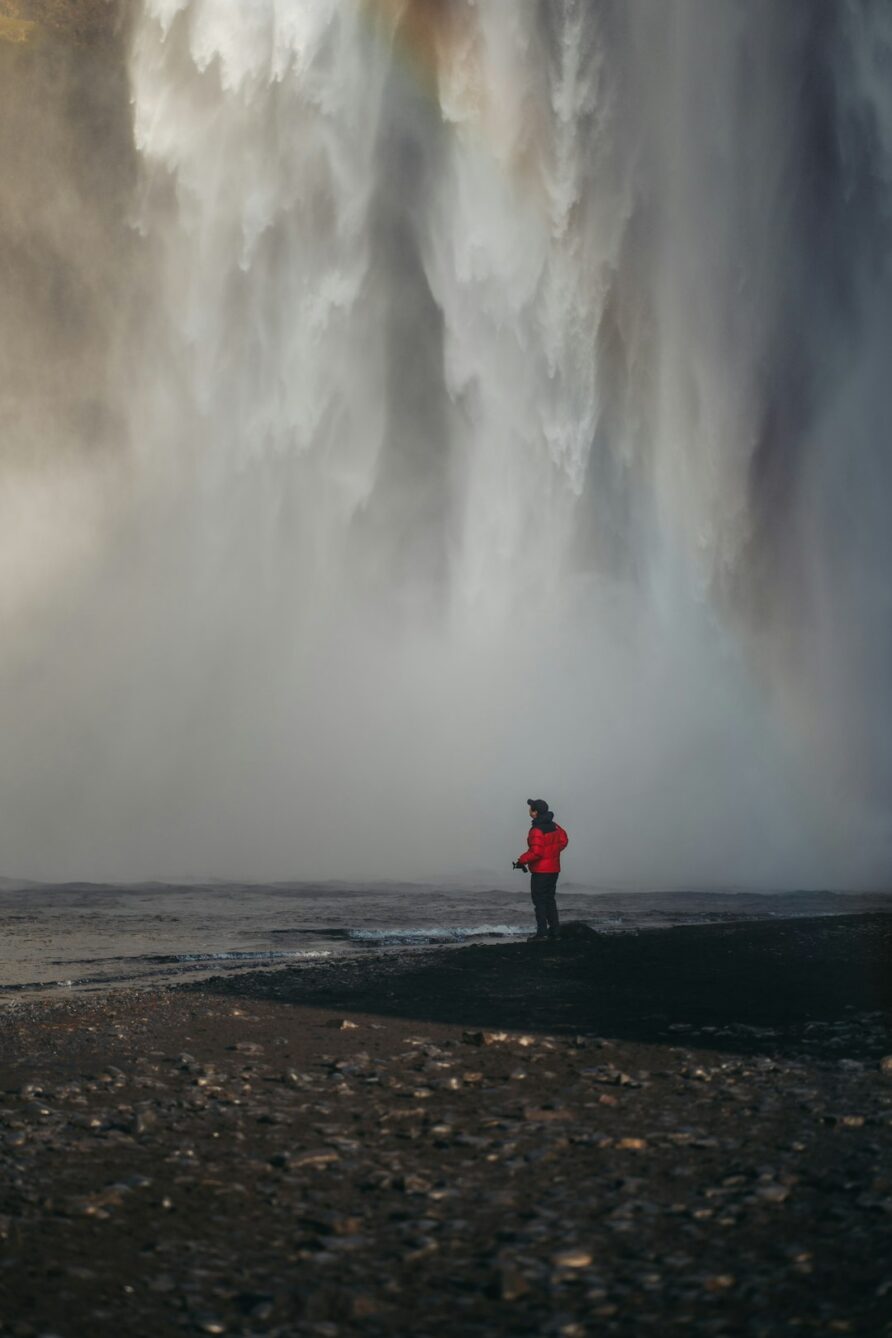
What to Pack for Your Iceland Trip

Packing for Iceland is all about being ready for changing weather, stunning outdoor adventures, and cozy evenings after a day of exploring. Whether you’re visiting in the bright summer months or during the magical northern lights season, having the right gear will make your trip more comfortable and enjoyable. Here’s a practical guide on what to pack for your Iceland trip, with a special focus on staying in the west of Iceland with Ourhotels.is.

Start with layers. Icelandic weather can shift from sunshine to wind and drizzle in a matter of minutes, so think in terms of clothing you can easily add or remove. A good base layer (thermal top and leggings made of wool or synthetic material) will keep you warm and dry. On top of that, pack a few long-sleeve shirts or light sweaters, and then a warm mid-layer such as a fleece or wool jumper. Finish with a windproof and waterproof outer shell—ideally a breathable rain jacket and, in colder months, insulated waterproof pants.

Footwear is crucial. Bring sturdy, waterproof hiking boots with good ankle support, especially if you plan to explore waterfalls, lava fields, or coastal paths in West Iceland. The ground can be wet, rocky, and slippery, so reliable boots make a big difference. Pack warm, moisture-wicking socks (wool is best) and a few extra pairs in case they get damp. For relaxing at Ourhotels.is after a long day, a pair of comfortable indoor shoes or slippers is a welcome luxury.

Accessories can make or break your comfort level. A warm hat, gloves, and a scarf or buff are essential almost year-round, particularly if you’re heading out in the evening to look for the northern lights. Sunglasses and sunscreen are also important—yes, even in Iceland. The sun can be surprisingly strong, especially when reflecting off snow, ice, or water. A swimsuit and quick-dry towel are must-haves too; hot springs, geothermal pools, and hot tubs are a big part of Icelandic culture, and many guests at Ourhotels.is love to unwind in warm water after a day of sightseeing.

For your day-to-day exploring, pack a small, comfortable daypack. It should be big enough to hold water, snacks, an extra layer, your camera, and any personal items. A reusable water bottle is essential; Icelandic tap water is some of the purest in the world, and you can fill up at Ourhotels.is before heading out. Consider bringing a thermos as well—there’s nothing like a hot drink while you’re admiring a waterfall or a windswept coastline.

Electronics and travel essentials deserve some thought. Iceland uses standard European plugs (Type C and F), so bring an appropriate adapter if needed. A power bank is useful for keeping your phone and camera charged during long days out, especially if you’re using them for navigation and photos. If you’re planning to chase the northern lights, a camera with manual settings and a tripod will help you capture the experience. Guests at Ourhotels.is often appreciate having offline maps downloaded in advance, as mobile coverage can be patchy in more remote areas.

Your personal care kit should include any medications you need, basic first-aid items, and skincare that can handle wind and cold—lip balm and a good moisturizer are particularly helpful. While you can buy most things in Iceland, prices can be higher than you’re used to, so it’s smart to arrive prepared. Pack swimwear-friendly toiletries in a small bag so you can easily grab them when heading to local pools or hot springs near Ourhotels.is.

Seasonality matters when deciding what to pack. In summer, you’ll want a sleep mask because of the midnight sun, lighter layers, and perhaps a bug net for certain areas, though West Iceland is usually comfortable. In winter, focus on extra-warm layers, thicker gloves, and insulated boots. No matter the season, a reflective band or small flashlight can be useful, especially if you’re walking around in low light.

Finally, leave a little space in your luggage. Many guests at Ourhotels.is end up picking up local wool sweaters, scarves, or handmade souvenirs from nearby villages. These not only keep you warm during your stay but also become lasting reminders of your time in Iceland.

By packing smartly—prioritizing layers, waterproof gear, and a few thoughtful extras—you’ll be ready for everything from dramatic coastal hikes to peaceful evenings under the stars. When you stay with Ourhotels.is in the west of Iceland, you’ll have a comfortable base to return to, warm up, and recharge, knowing you’ve brought exactly what you need to make the most of your Icelandic adventure.

Self-Drive Tips for Iceland’s Roads

Driving yourself around Iceland is one of the best ways to experience the country’s wild landscapes, hidden hot springs, and dramatic coastlines at your own pace. Whether you’re planning to circle the island or explore the Westfjords and Snæfellsnes Peninsula, a few self‑drive tips will make your journey safer, smoother, and more enjoyable. Basing yourself with Ourhotels.is in West Iceland gives you a comfortable, well‑located starting point for day trips and longer road adventures.

The first thing to know about self‑drive holidays in Iceland is that conditions change quickly. Even in summer, you can encounter fog, heavy rain, or strong winds within a short distance. Always check the official road and weather websites before you set out, and be prepared to adjust your plans. From Ourhotels.is properties in West Iceland, it’s easy to plan flexible routes: if the highlands are too rough, you can opt for a scenic coastal drive or explore nearby waterfalls, lava fields, and fishing villages instead.

Choosing the right rental car is essential. For most of the Ring Road and main paved routes, a regular 2WD vehicle is enough in summer. However, if you plan to drive on gravel roads or venture onto F‑roads in the highlands (only allowed in summer and with a suitable vehicle), a 4×4 is strongly recommended. Many guests staying with Ourhotels.is combine a comfortable hotel base with day trips in a 4×4, returning each evening to hot showers, good food, and a warm bed rather than remote mountain huts.

Speed limits in Iceland are lower than in many other countries: generally 50 km/h in towns, 80 km/h on gravel roads, and 90 km/h on paved rural roads. These limits exist for a reason—gravel, sharp bends, and sudden weather changes can catch drivers off guard. Take your time, especially on single‑lane bridges and blind hills. When you stay at Ourhotels.is, our staff can help you estimate realistic driving times between attractions in West Iceland and beyond, so you don’t feel rushed and can enjoy the scenery safely.

One of the most important self‑drive tips for Iceland is to respect gravel roads. Many visitors are surprised by how loose the surface can be. Slow down when transitioning from paved to gravel roads, keep a firm grip on the wheel, and increase your following distance to avoid flying stones. If you’re exploring the Snæfellsnes Peninsula or the quieter roads of Borgarfjörður from an Ourhotels.is location, you’ll likely encounter gravel stretches—driving calmly and steadily will make the journey far more pleasant.

Iceland’s weather deserves special attention. Wind can be strong enough to damage car doors if opened carelessly, especially on exposed viewpoints and mountain passes. Always hold onto your door when getting in or out of the car. In winter, snow and ice demand extra caution and studded tires. Many travelers choose to stay at Ourhotels.is in West Iceland during the colder months because it offers easy access to main roads that are cleared more frequently, while still being close to natural wonders like lava fields, hot springs, and waterfalls.

Another key tip is to never stop in the middle of the road for photos, no matter how stunning the view. Use designated parking areas and lay‑bys. Iceland’s roads are often narrow with limited visibility, and sudden stops can be dangerous. Fortunately, many of the most photogenic spots in West Iceland—such as coastal cliffs, black beaches, and glacier views—have convenient parking areas, and Ourhotels.is staff can point you toward the safest and most scenic stops.

If you’re new to driving in Iceland, consider planning shorter driving days and focusing on one region at a time. West Iceland is ideal for this style of travel. From Ourhotels.is hotels, you can reach the Snæfellsnes Peninsula, Hraunfossar and Barnafoss waterfalls, historic sites, and geothermal areas on easy day trips. This allows you to enjoy the freedom of a self‑drive holiday without the stress of long, exhausting days behind the wheel.

Fuel stations can be far apart in rural areas, so fill up whenever you have the chance, especially before heading into more remote regions. Many stations are self‑service and open 24/7 with card payment. Ourhotels.is reception teams are happy to advise you on where to refuel along your planned route and which services you’ll find in each town.

Finally, remember that part of the magic of a self‑drive trip in Iceland is the ability to slow down and explore. Build extra time into your itinerary for unplanned stops—maybe a small hot spring you spot from the road, a local café in a fishing village, or a viewpoint you hadn’t heard about. By using Ourhotels.is as your base in West Iceland, you can enjoy this flexibility while always having a comfortable, welcoming place to return to at the end of the day. With the right preparation and respect for Iceland’s unique driving conditions, your self‑drive adventure will be both safe and unforgettable.

Understanding Icelandic Weather

Understanding Icelandic weather is key to enjoying your trip, especially in the wild and wonderful west of Iceland. The island sits where cold Arctic air meets warmer Atlantic systems, so conditions can change quickly—sometimes dramatically—within a single day. That’s part of the magic, but it also means a bit of preparation goes a long way.

Iceland has four distinct seasons, yet each can bring a mix of sun, rain, wind, and even snow—sometimes within a few hours. In winter, you can expect short days, dancing northern lights, crisp air, and occasional storms. Temperatures are often milder than many visitors expect, usually hovering around freezing along the coast, but wind and humidity can make it feel colder. In summer, long days and the midnight sun create ideal conditions for exploring waterfalls, black-sand beaches, and coastal villages in the west, with temperatures typically between 10–15°C, sometimes warmer on calm, clear days.

The west of Iceland, where Ourhotels.is properties are located, often experiences slightly milder coastal conditions than the highlands but can still be very changeable. A sunny, calm morning can turn into a windy, rainy afternoon, and then clear again by evening. This is why Icelanders often say, “If you don’t like the weather, just wait five minutes.” When you stay with Ourhotels.is, reception teams are used to these quick shifts and can help you read local forecasts, adjust your plans, and choose the best times of day to visit nearby attractions.

Wind plays a major role in how the weather feels. A strong Atlantic breeze can turn light rain into sideways showers and quickly chill exposed skin, even in summer. Layered clothing is more important than heavy clothing: a base layer to keep you dry, a warm mid-layer like wool or fleece, and a waterproof, windproof shell. Sturdy, waterproof shoes are essential for exploring the western fjords, cliffs, and lava fields. Ourhotels.is staff are happy to advise what to wear for specific excursions, whether you’re heading to a glacier lookout, a coastal hike, or a hot spring.

Daylight also changes dramatically through the year. In winter, especially from November to January, days are short, with long twilight hours that create a soft, atmospheric light for photography. This is also prime northern lights season when skies are clear. Guests at Ourhotels.is often appreciate being able to step straight from their room into the fresh night air to scan the sky for auroras, then return quickly to warmth and comfort. In summer, the nearly endless daylight means you can plan flexible itineraries—starting later in the day, avoiding crowds at popular spots, or enjoying late-evening walks by the ocean.

Rain is common but usually comes in light or moderate showers rather than long, heavy downpours. Having a light waterproof jacket or shell in your daypack makes it easy to keep exploring in changing conditions. The western region offers many indoor and sheltered options—museums, cozy cafés, geothermal pools—so you can simply shift your plans if the weather briefly turns. The team at Ourhotels.is can suggest weather-friendly alternatives nearby, from scenic drives to hot springs that are especially magical in mist and drizzle.

Snow is most likely from late autumn through early spring. Coastal areas in the west are often snow-dusted rather than deeply covered, but roads can still become slippery. Always check driving conditions and local warnings, especially in winter months. Staying at Ourhotels.is gives you a reliable home base where you can monitor updated conditions, ask for driving tips, and adjust your route safely. If a storm is forecast, it’s often best to plan shorter excursions or enjoy the facilities and views around your hotel until conditions improve.

The best way to embrace Icelandic weather is to view it as part of the experience, not an obstacle. Mist over the mountains, fast-moving clouds, sudden shafts of sunlight, and wind-whipped seas all create the dramatic landscapes visitors come to see. With flexible plans and the right gear, every kind of weather offers something unique—sharp, clear days for photography, soft grey skies for moody seascapes, or snowy evenings for hot-tub soaks under the open sky.

Ourhotels.is is here to help you navigate it all. From offering local insight on the day’s forecast to suggesting the best nearby spots for the conditions, our hotels in west Iceland give you both comfort and confidence as you explore. By understanding Icelandic weather—and having a knowledgeable local team on your side—you’ll be able to travel safely, stay comfortable, and fully enjoy the ever-changing beauty of this remarkable part of the world.