What to Eat in Iceland: A Traveler’s Guide to Local Food and Flavors
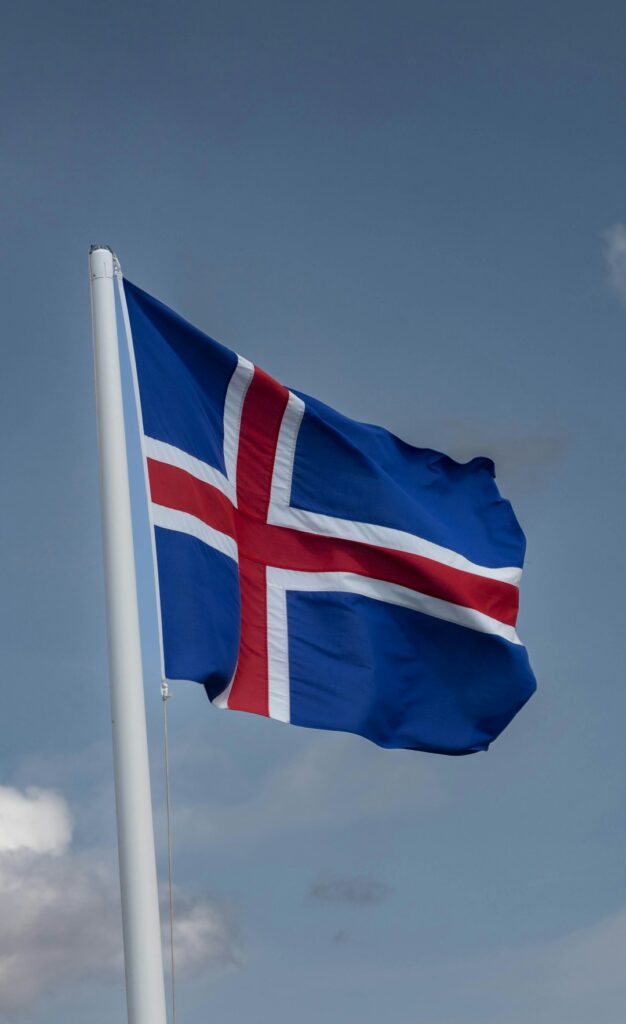
Discovering the Flavors of Iceland
Icelandic cuisine is a delightful blend of fresh seafood, tender lamb, and creamy dairy that reflects the country’s unique climate and heritage. Whether you’re a foodie on a once-in-a-lifetime trip or simply curious about what’s on the menu, these local dishes and tips will help you savor every meal during your Iceland adventure.
The Foundations of Icelandic Cuisine
At the heart of every Icelandic meal are a few key ingredients that define the local food culture:
- Arctic Char and Cod – Served fresh, smoked, or pan-seared, often accompanied by simple, seasonal sides that let the fish shine.
- Lamb – Grass-fed and incredibly flavorful, featured in soups, stews, and the famous hangikjöt (smoked lamb).
- Skyr – A creamy, high-protein yogurt that comes plain or with berries, perfect for breakfast or a satisfying snack.
- Dairy Products – Smooth butter and tangy cheeses made from local milk are staples on any Icelandic table.
Must-Try Icelandic Dishes
We recommend sampling these traditional favorites during your stay:
- Plokkfiskur – A hearty fish stew with potatoes, onions, and creamy sauce that warms you up on chilly days.
- Kæstur Hákarl – Fermented shark for the adventurous palate; try it at a traditional village festival if you dare.
- Laufabrauð – Thin, crispy “leaf bread” decorated with intricate patterns, a Christmas tradition you might find year-round in some cafés.
- Reindeer or Whale – Seasonal specialties available in select restaurants—ask your hosts for recommendations on where to find them.
Food Experiences Worth Seeking Out
Beyond individual dishes, we love these ways to immerse yourself in Icelandic food culture:
- Visit a seaside fish market in Stykkishólmur and learn about sustainable fishing practices that keep Iceland’s waters pristine.
- Join a brewery tour in Borgarnes to sample local craft beers that pair beautifully with smoked fish and lamb.
- Stop by a local farm or restaurant for a traditional meal featuring ingredients sourced from the surrounding landscape.
Practical Tips for Food Travelers
When to Go: Summer (June–August) brings fresh produce, outdoor dining, and long daylight hours perfect for exploring food markets. Winter (November–March) is ideal for cozy stews, warming soups, and holiday treats like laufabrauð.
What to Pack: A waterproof jacket and layered clothing are essential—weather can change quickly, even when you’re walking between restaurants. Sturdy walking shoes help for farm visits and village strolls, and don’t forget a reusable water bottle to enjoy Iceland’s world-renowned tap water.
How Long to Stay: We recommend at least 5–7 days to truly savor local flavors, explore charming towns, and enjoy meals without rushing.
Where to Stay While Exploring Iceland’s Food Scene
After a day of tasting fresh fish and sampling endless skyr varieties, unwind at one of our West Iceland properties. The Hvítá Inn by Ourhotels offers cozy rooms, river views, and easy access to local dining spots in Borgarnes and beyond—the perfect base for food lovers exploring the region.
Ready to taste your way through Iceland? Book your stay today and make every meal a memorable part of your adventure.