
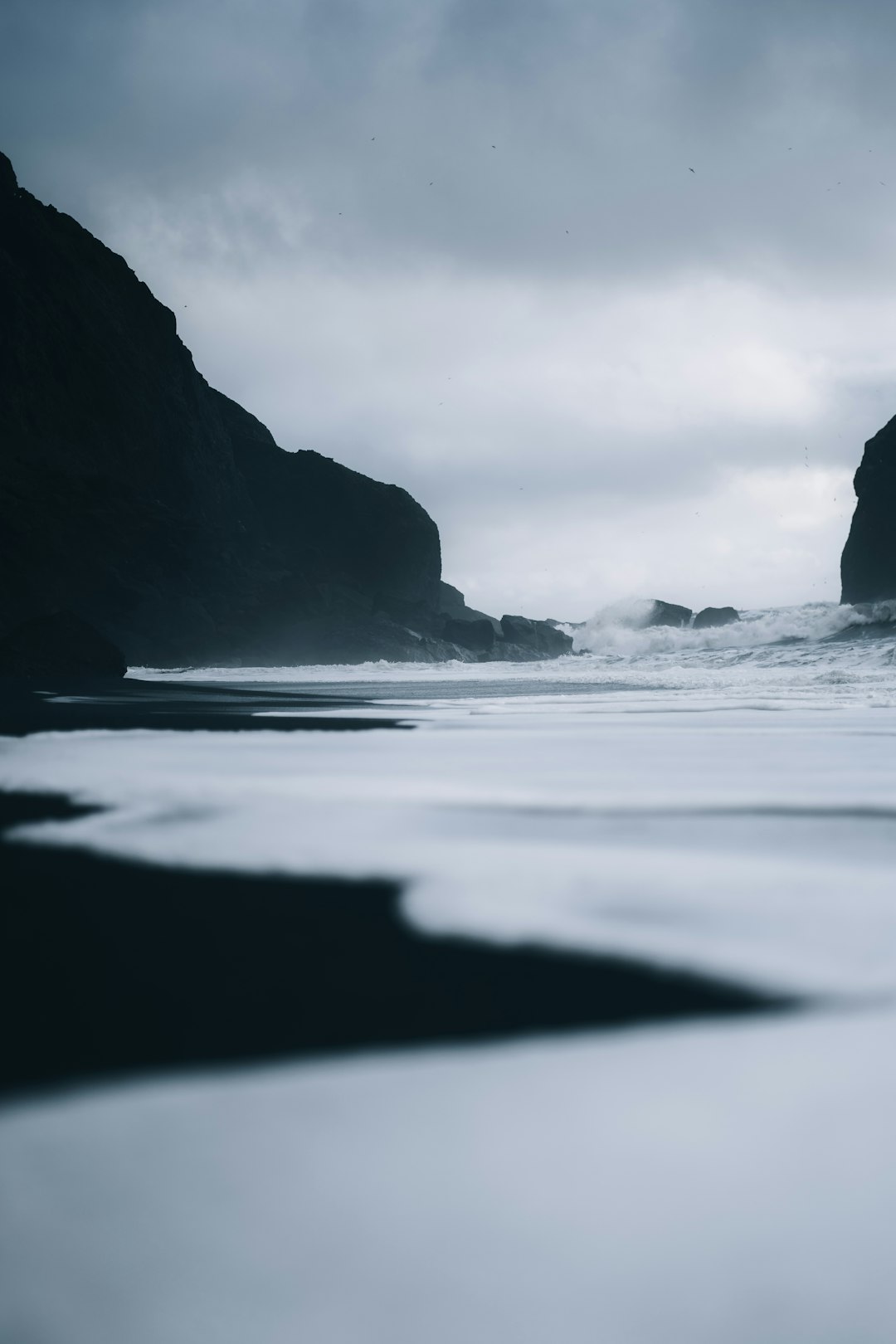
Wild camping in Iceland used to be relatively easy and loosely regulated, but in recent years the laws have changed a lot to protect fragile nature and respect local communities. If you’re planning a road trip around West Iceland, it’s important to understand what is and isn’t allowed—both to avoid fines and to help keep Iceland’s landscapes as pristine as they look in the photos.
Today, the general rule is simple: if you’re in a car, campervan, or motorhome, you must stay at a designated campsite or on private land with explicit permission from the landowner. Wild camping with vehicles is no longer allowed in most of Iceland, including West Iceland. This means pulling off the road to sleep in a lay-by, on a gravel track, or in a random field is illegal, even if you “leave no trace.”
Tent camping is a little more flexible, but still restricted. In most lowland areas, near towns, farms, and popular attractions, you are required to use official campsites. True wild camping with a tent is only sometimes allowed in remote, uncultivated highland areas, far from roads and settlements—and even there, local rules can apply, and protected areas often have their own bans. If you’re unsure, the safest and most respectful choice is always to use a campsite.
Another key point: Iceland’s nature is extremely sensitive. Moss can take decades to recover from a single footprint, and off-road driving is strictly forbidden everywhere in the country. Setting up camp on moss, delicate vegetation, or fenced-off land is never acceptable. Human waste and litter are a serious problem in popular regions, so proper toilets and waste facilities—like those at established campsites and accommodations—are not just a convenience, they’re part of responsible travel.
Because of these rules, many travelers now combine days of exploring with comfortable, legal overnight stays in guesthouses, inns, and hotels. In West Iceland, Ourhotels.is offers a convenient base for exactly this kind of trip, letting you enjoy the wild landscapes by day while sleeping somewhere warm, legal, and welcoming at night.
If you’re exploring Borgarfjörður and the Borgarnes area, Hvítá Inn is a great option. It’s perfectly placed for visiting waterfalls, lava fields, and hot springs in the region, and it removes the stress of wondering where you’re allowed to park or pitch a tent. Instead of worrying about fines or disturbing local farmers, you can return to a cozy room, hot shower, and a proper bed after a long day outside.
Further out on the Snæfellsnes Peninsula, The Stykkishólmur Inn gives you easy access to some of Iceland’s most iconic coastal scenery. Many visitors are tempted to sleep in their car near viewpoints or along the shoreline, but this is exactly the kind of wild camping that’s now prohibited. Staying in Stykkishólmur means you can enjoy sunrise and sunset over the islands, walk the harbor, and still follow Icelandic law and local guidelines without compromise.
If your journey takes you all the way to the Westfjords, Ísafjörður Inn is an ideal base. The Westfjords feel remote and wild, which can give the impression that camping anywhere is acceptable—but the same national rules apply here as in the rest of Iceland. By choosing a comfortable inn in Ísafjörður, you can explore dramatic fjords, bird cliffs, and quiet valleys by day, and return each evening to a warm, legal place to rest.
Using places like Hvítá Inn, The Stykkishólmur Inn, and Ísafjörður Inn through Ourhotels.is doesn’t mean giving up on adventure. It means you can enjoy Iceland’s wilderness responsibly, with the security of knowing you’re following current wild camping laws, supporting local businesses, and helping to protect the landscapes you came to see.
